
Oriental Tribal Wool Rug
An oriental tribal wool rug brings rich village craftsmanship and distinctive geometric patterns straight to your floor.
Oriental Tribal Wool Rug
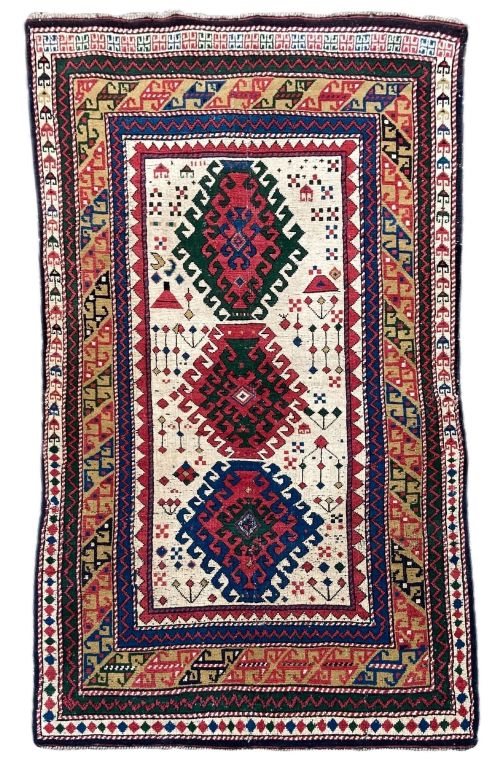
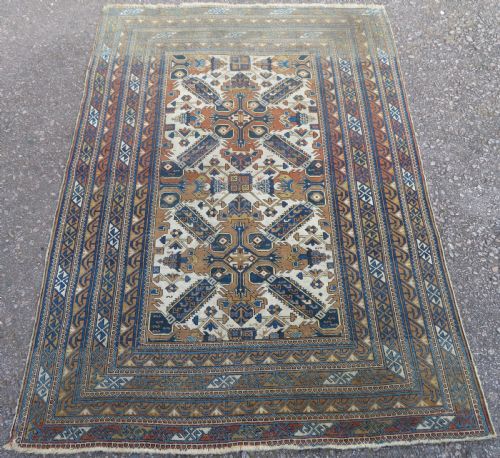
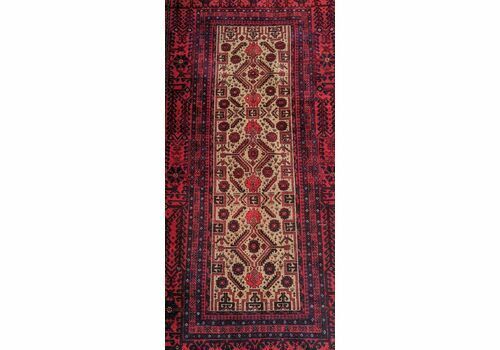
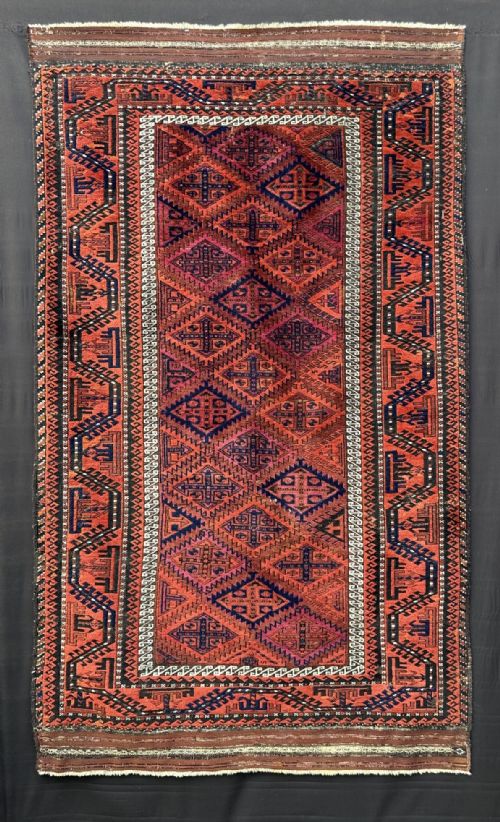
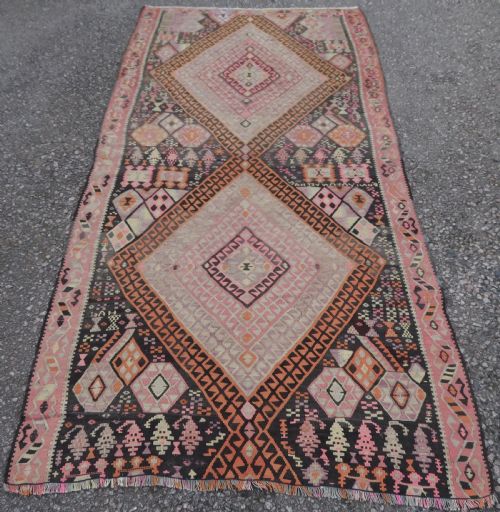
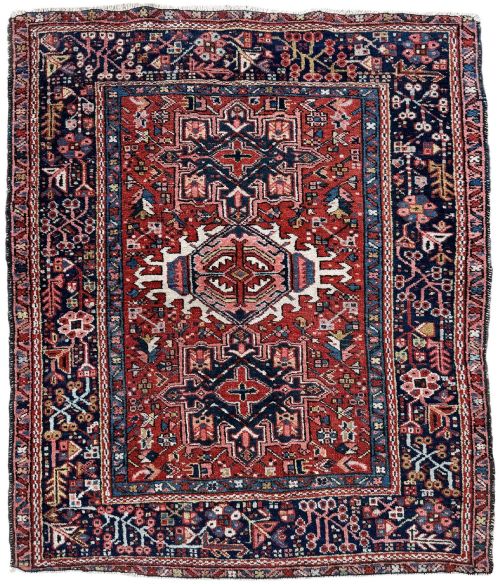
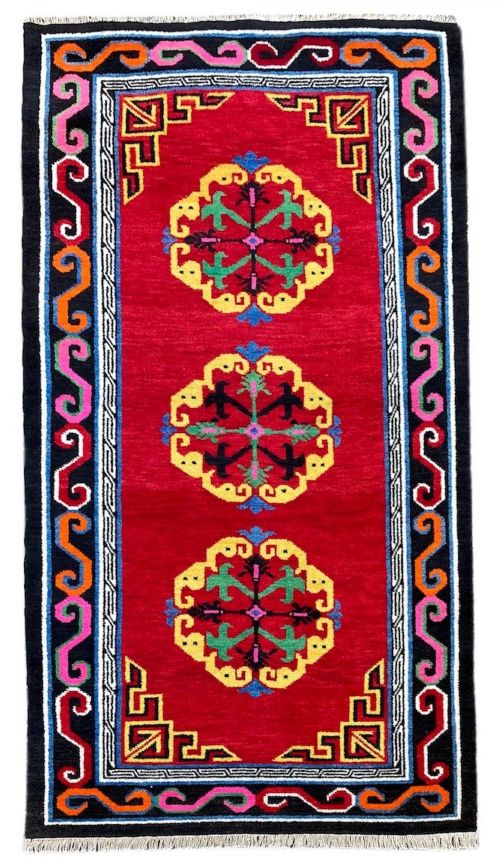
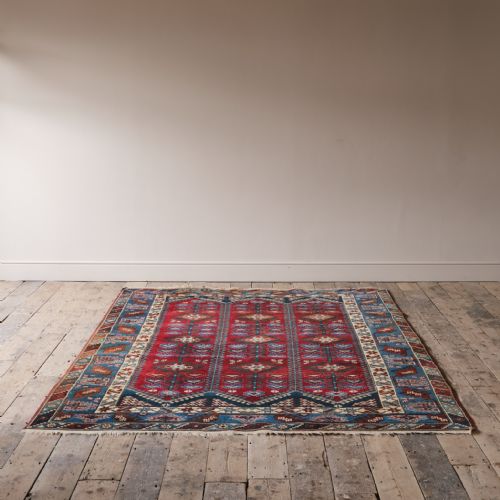
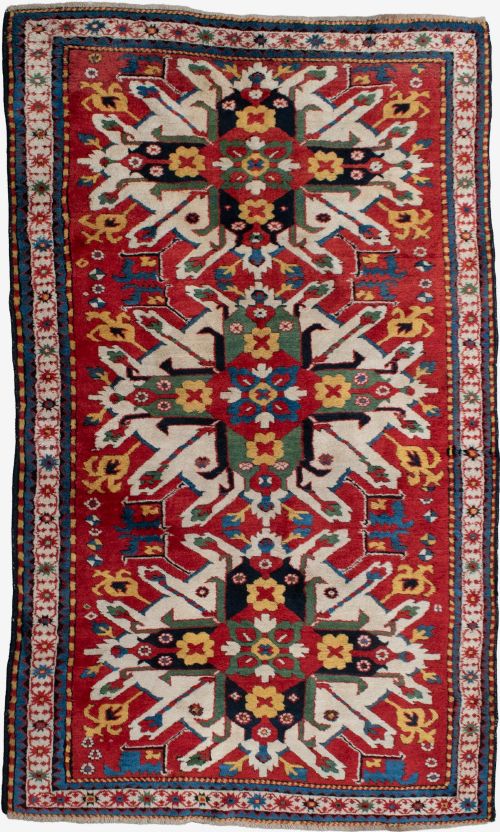
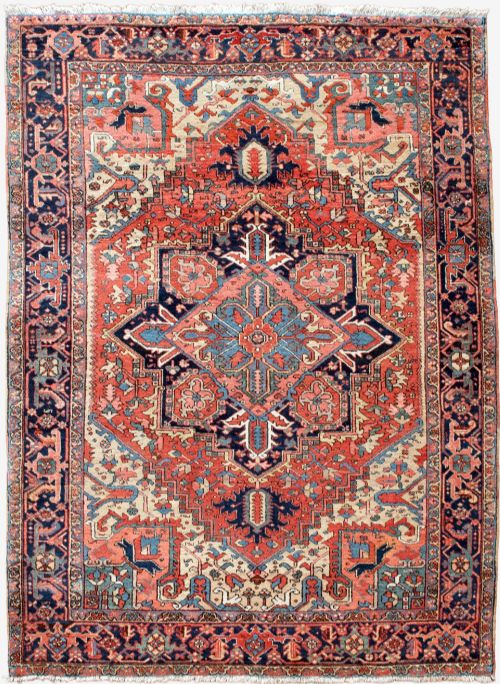
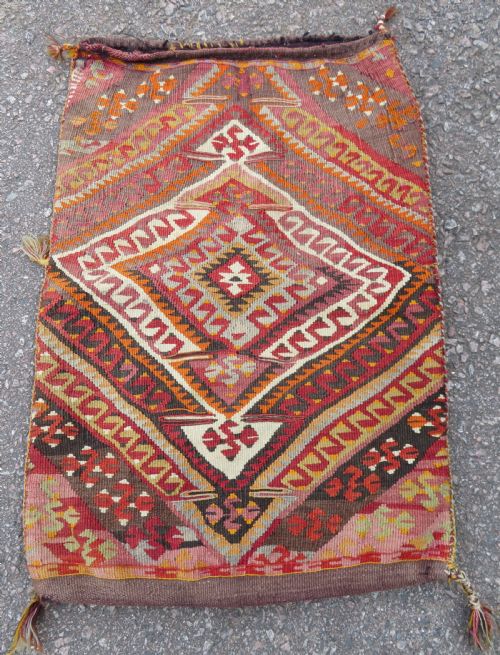
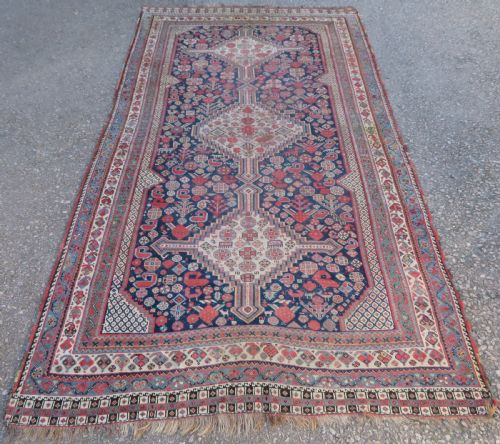
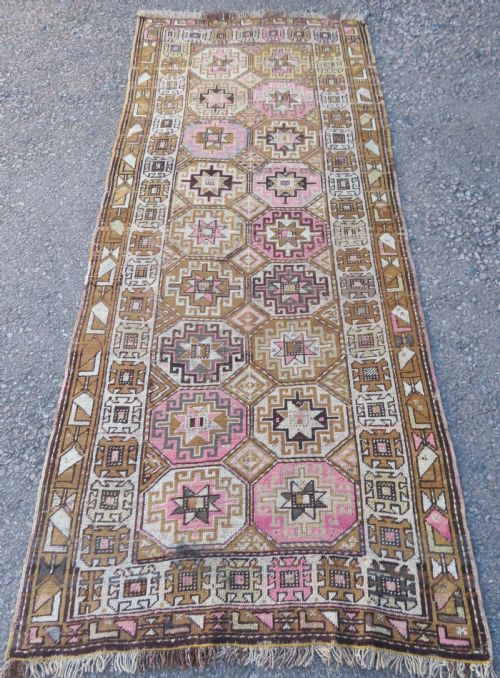
An oriental tribal wool rug is a woven floor covering originating from village and nomadic traditions across Persia, the Caucasus, Anatolia, and Central Asia. These pieces display bold geometric medallions, tribal motifs, and symbolic designs passed down through generations of weavers.
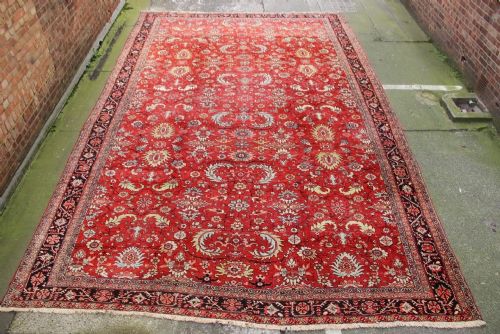
When searching for an oriental tribal wool rug, buyers encounter formats ranging from small scatter mats and prayer rugs to large carpets and long runners. The selection spans the nineteenth and early twentieth centuries, capturing authentic regional styles from specific tribes and workshops.
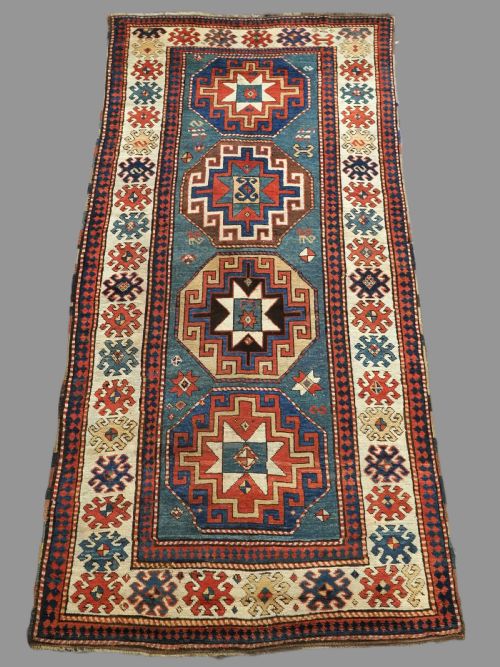
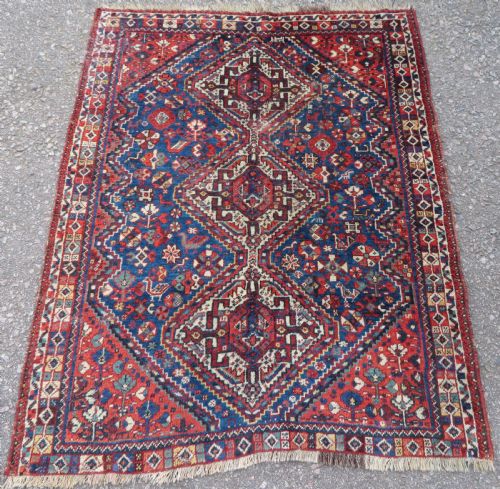
Village and nomadic pieces dominate the pieces found on this page, reflecting the hand-knotted and flat-woven traditions of areas like Kazak, Khamseh, Baluch, and Kurdish regions. Each rug serves as a durable textile history, created for practical floor use by specific cultural groups.
How they were made
The construction relies heavily on hand-spun wool for the pile and structure, combined with cotton foundations in many regional variations. Natural dyes provide the enduring palette, yielding deep indigos, madder reds, and earthy tones that age with character.
Weavers tied symmetrical or asymmetrical knots on vertical looms, depending on the local tradition, while flat-woven kilims and Soumaks utilised supplementary weft-wrapping techniques. These rigorous hand-weaving methods created dense, resilient textiles designed to withstand decades of heavy daily wear.
Listings feature pieces spanning from the 1870s through the 1950s, originating across Persian, Caucasian, Anatolian, and Turkmen regions.
What varies in quality
The finesse of the wool and the precision of the knotting determine the tactile and visual depth of the weave. Tighter knot counts allow for sharper graphic definition within tribal medallions and complex borders.
The depth and integrity of the natural dye palette separate standard village production from exceptional examples. Rich, saturated hues derived from natural sources create a vibrant chromatic harmony that deepens as the wool ages.
The Oriental Tribal Wool Rug Glossary
- Kazak
- A type of Caucasian rug known for bold geometric patterns, primary primary colours, and sturdy wool construction. These pieces originate from the southern Caucasus and often feature striking medallion layouts.
- Kilim
- A flat-woven carpet or rug produced without a pile by tightly interweaving warp and weft strands. They are typically lighter than knotted carpets and serve as floor coverings or utility sacks.
- Soumak
- A flat-weaving technique where decorative weft threads are wrapped over the warp threads to create a textured, durable surface. This method produces crisp geometric designs often found in Caucasian and Persian pieces.
- Mihrab
- A niche design symbolising a prayer doorway, commonly found pointing toward Mecca on Islamic prayer rugs. This architectural motif guides the layout of devotional textiles.
- Warp
- The vertical foundation threads stretched tightly on the loom before weaving begins. The fringe of a finished rug typically consists of these extended warp threads.
Oriental Tribal Wool Rug: Frequently Asked Questions
How do I clean an old wool rug?
Gentle surface cleaning and regular light vacuuming without a rotating brush help maintain the wool pile safely.
Professional textile cleaners experienced in antique carpets should handle deeper washes to protect natural dyes and fragile foundations.
Can these rugs handle heavy foot traffic?
Traditional hand-spun wool and sturdy cotton foundations make these textiles remarkably durable for everyday residential use.
Placing a quality rug underlay beneath the piece reduces friction against hard floors and extends the life of the weave.
How do I identify a tribal design?
Tribal designs typically feature geometric medallions, repeating hooked motifs, and stylised animal or plant forms rather than curved court florals.
These patterns reflect the specific heritage and local weaving traditions of nomadic groups or mountain villages.
Why do some rugs show colour variations?
Hand-spun wool absorbs natural dyebots differently across batches, resulting in subtle tonal shifts known as abrash.
This variation in shade is a hallmark of traditional dyeing methods using roots, insects, and plants.