
Oriental Tea Table
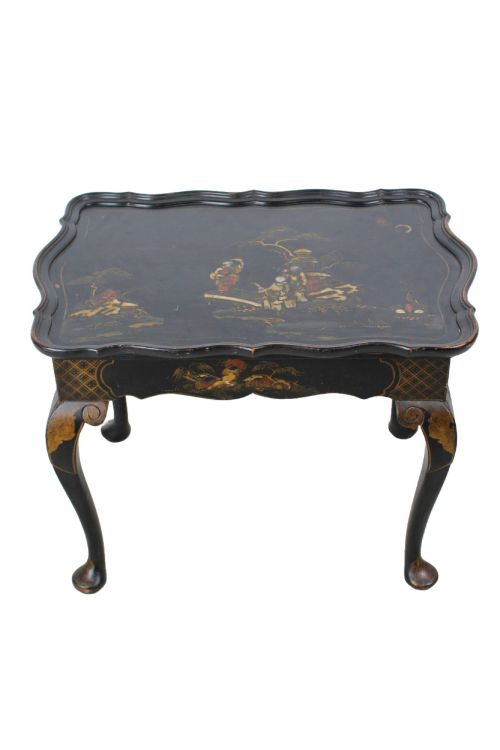
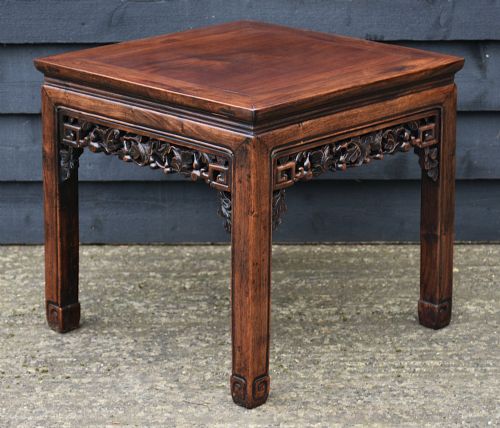
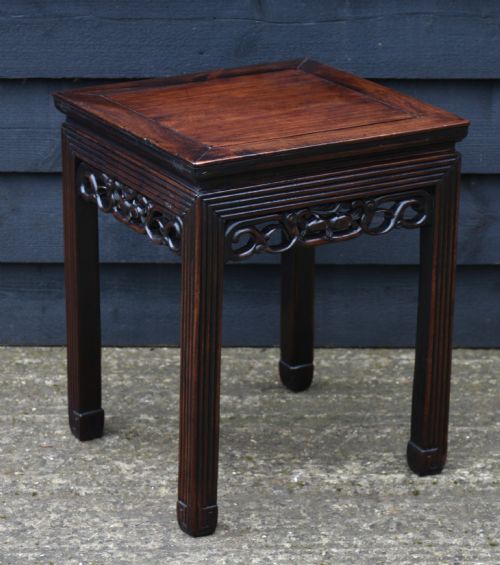
An oriental tea table brings distinct carved hardwood and intricate inlay into a modern interior, offering both surface utility and rich historical character.
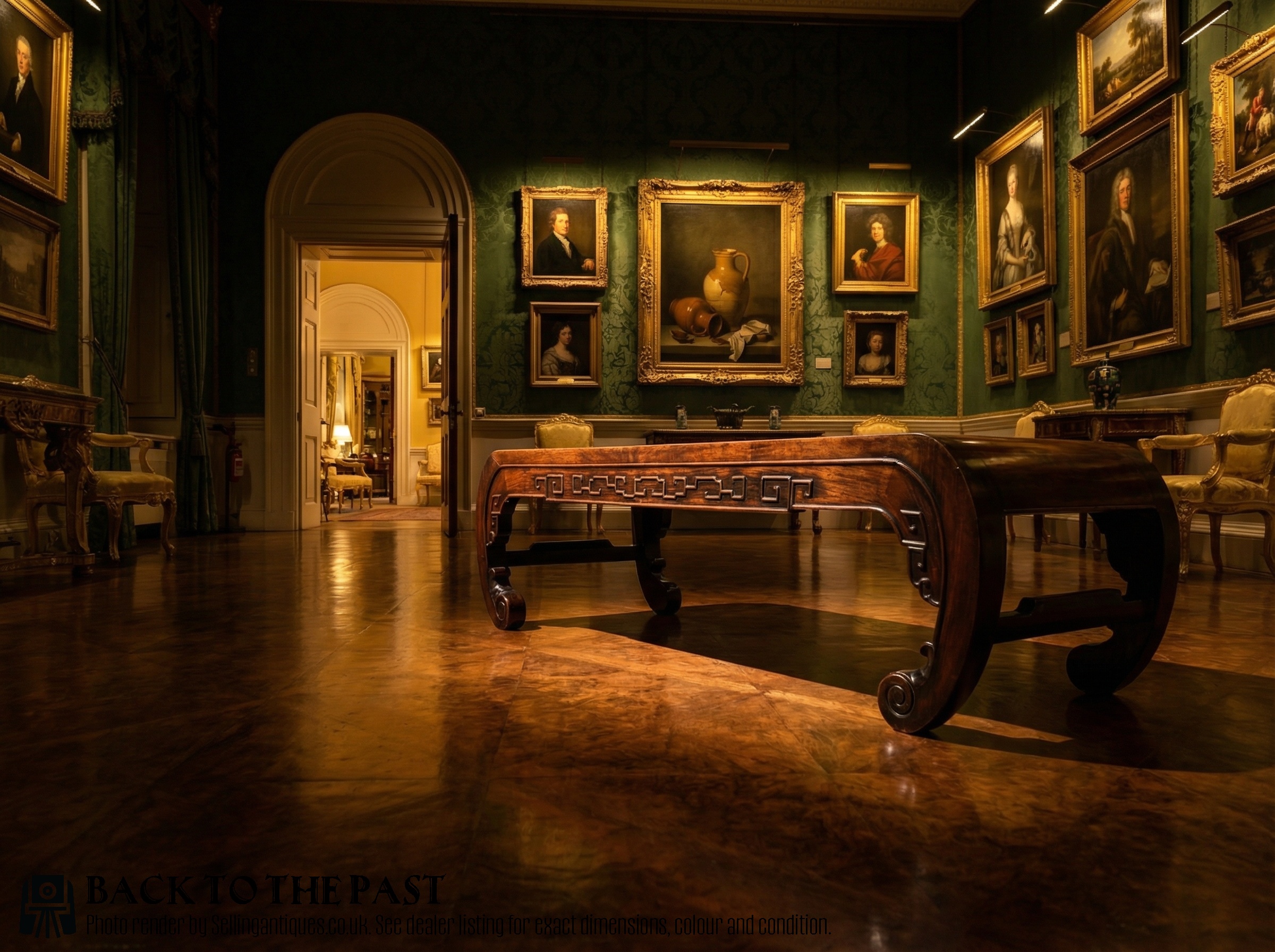
What an oriental tea table is
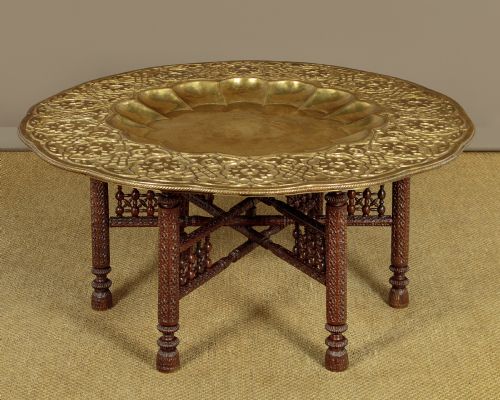
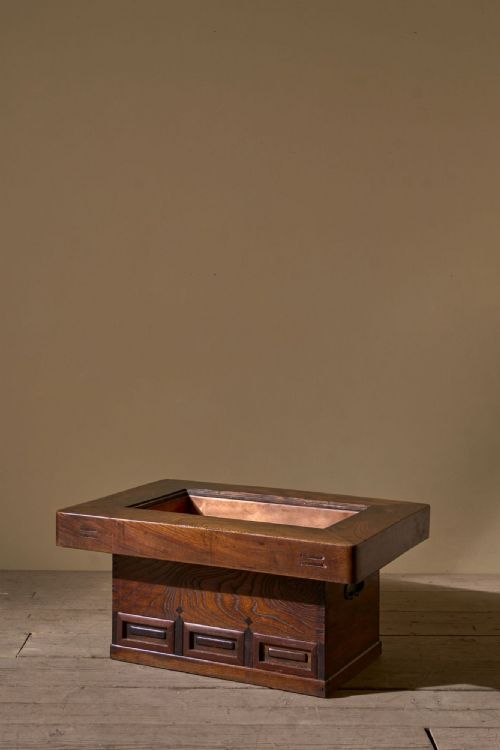
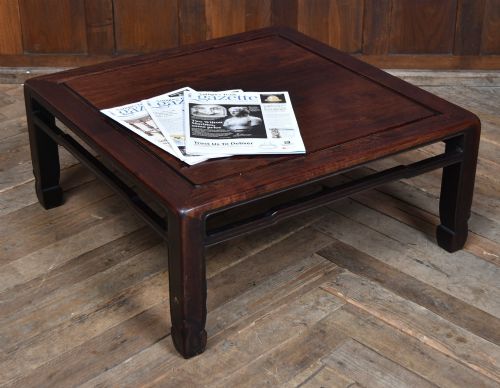
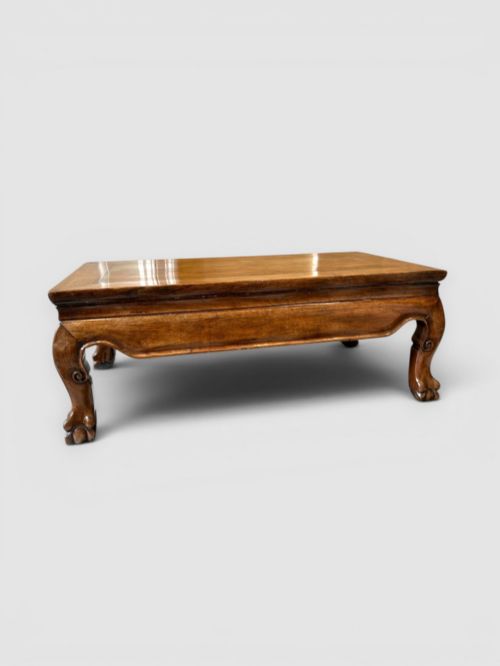
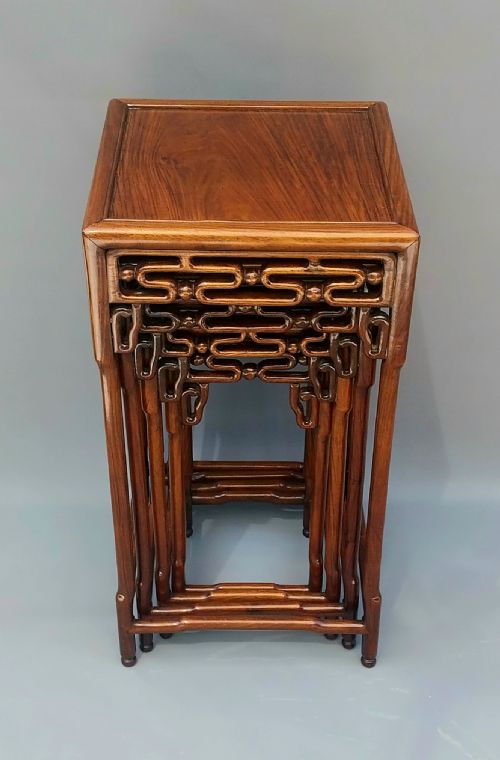
The term oriental tea table covers a diverse group of low tables, coffee tables, and folding stands originating from trade and export traditions. These pieces often serve as low coffee tables or occasional surfaces in contemporary rooms, adapting traditional forms for modern use.
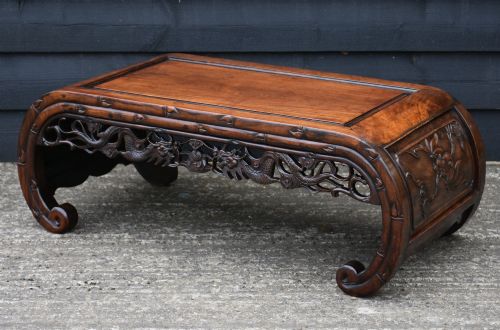
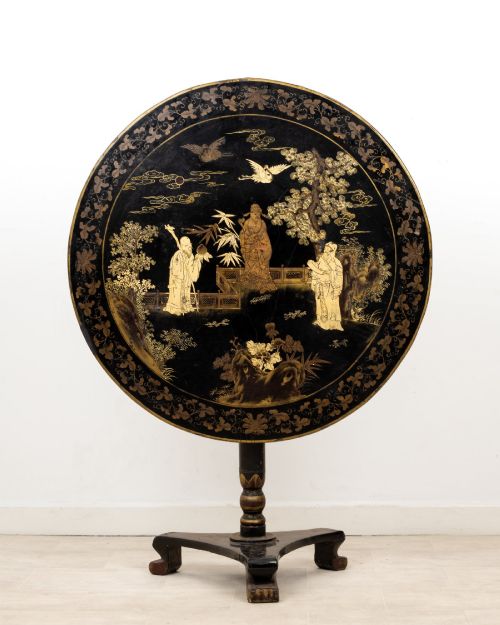
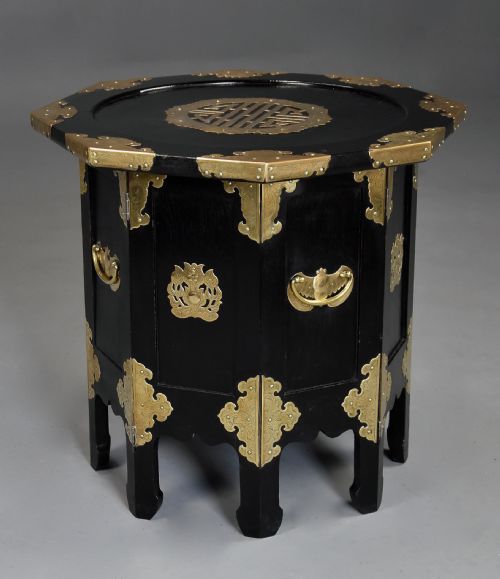
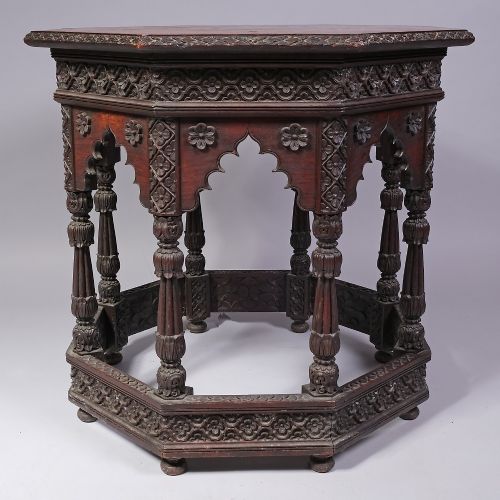
Buyers will encounter various distinct regional styles on this page, including Chinese Export, Anglo-Indian, and Qing Dynasty pieces. Forms range from rectangular coffee tables and scroll-end Kang tables to folding occasional stands and circular tables.
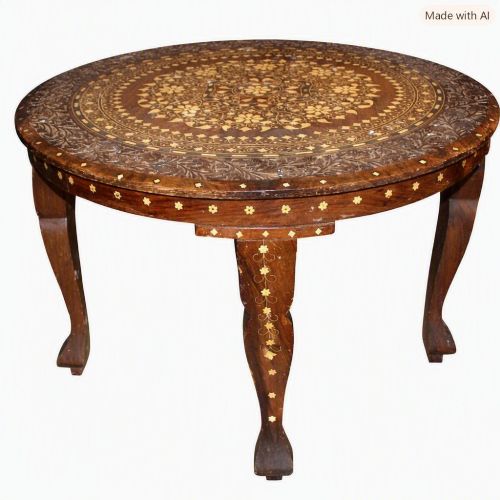
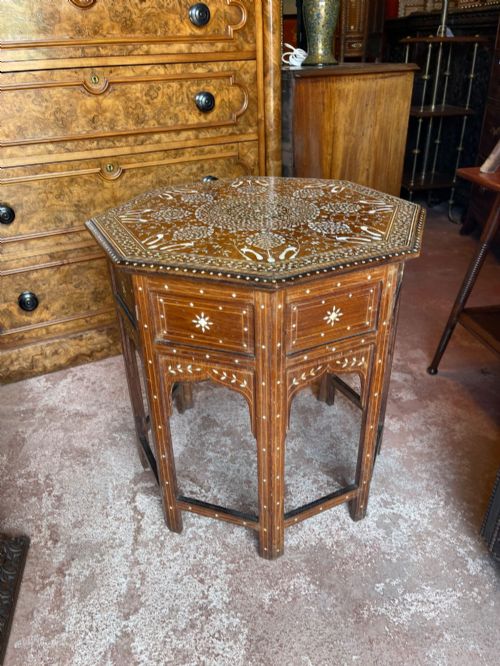
Materials span dense hardwoods such as rosewood and teak alongside elm, complemented by decorative additions like bone inlay and marble inserts. Many pieces date from the nineteenth century through to the early twentieth century, reflecting varied global influences.
How they were made
Craftsmen utilised heavy hardwoods like rosewood, teak, and elm to build sturdy frames capable of supporting intricate surface decoration. These durable timbers provided a stable dark foundation for detailed carving and contrasting inlay work.
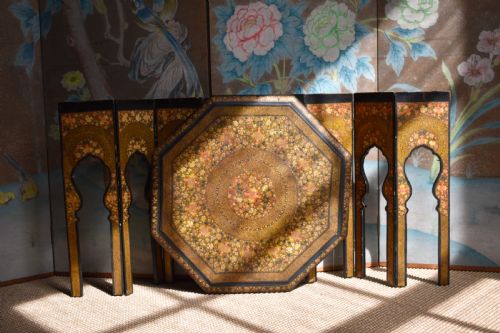
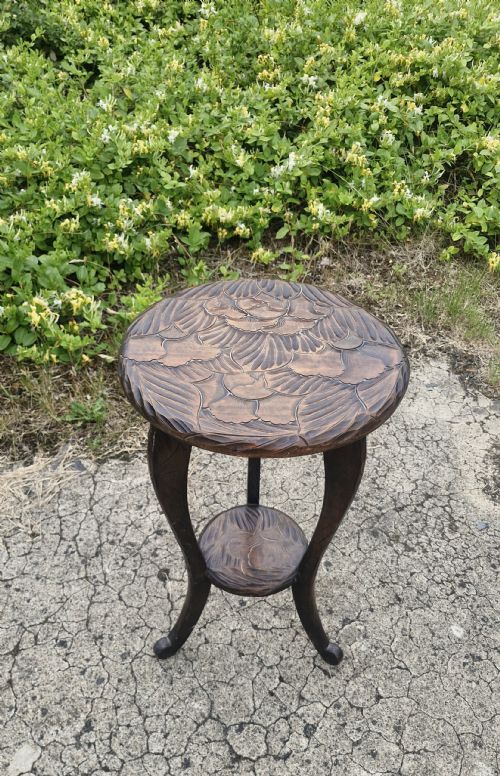
Surface ornamentation involved hand carving, bone inlay, and occasionally inset marble panels to create textured, decorative tops. Many tables incorporated folding mechanisms or removable trays designed for travel and flexible placement.
Retail Price Guide 2026
Typical UK retail prices for oriental tea table, calculated from the Sellingantiques database of over a million retail prices indexed since 2003. This retail price guide relies exclusively on Sellingantiques data; no external sources or auction records are used, so the figures do not describe the wider market.
What varies in quality
The distinction between standard and superior pieces rests on the depth and precision of the hand carving and the complexity of any bone inlay. Tables featuring crisp, deep relief work on dense hardwoods demonstrate superior craftsmanship compared to simpler decorative surfaces.
Structural integrity and the quality of the timber grain determine longevity and aesthetic presence. Pieces utilising heavier rosewood or teak with integrated folding mechanisms or marble inserts stand at the upper end of the range.
Liberty & Co
The Oriental Tea Table Glossary
- Kang table
- A low domestic table originating in China, traditionally used on a heated brick platform for dining or resting. These pieces feature characteristic scroll-ends and sturdy hardwood construction.
- Bone inlay
- A decorative technique where small pieces of bone are set into carved recesses within the wood surface to form geometric or floral patterns. This method creates striking contrast against dark hardwoods.
- Chinese Export
- Objects manufactured in China specifically for Western markets, blending traditional Asian forms and motifs with European functional requirements. These pieces reflect centuries of international trade.
- Hardwood
- Dense, durable timber derived from angiosperm trees, including rosewood and teak. Such materials are chosen for their strength and fine grain in traditional furniture making.
- Occasional table
- A small, versatile table designed for specific, intermittent use within a room rather than primary seating or dining. Examples include folding stands and low coffee surfaces.
Frequently Asked Questions
What is an oriental tea table used for today?
These tables function primarily as low coffee tables, side tables, or decorative display surfaces in modern living spaces. Their compact height and intricate details make them ideal centerpieces for conversation areas.
Many designs also feature folding frames or removable trays, allowing for flexible placement and easy movement around the home.
How do I care for a hardwood tea table?
Maintain the wood by dusting regularly with a soft, dry cloth and avoiding direct exposure to harsh sunlight or strong heat sources. Periodic application of appropriate furniture wax helps preserve the natural grain and sheen of dense timbers like teak or rosewood.
Take special care around bone inlay or marble inserts, ensuring spills are wiped promptly with a damp cloth.
How do I identify a Qing Dynasty table?
Qing Dynasty pieces often exhibit traditional Chinese forms, such as scroll-end Kang tables, constructed from heavy hardwood with deep, symbolic hand carving. Look for refined joinery and dense timber grains typical of nineteenth-century workshop production.
Style markers like dragon motifs and low profiles further distinguish these historical tables from later export pieces.
What is the difference between Anglo-Indian and Chinese pieces?
Anglo-Indian tables typically combine British furniture forms with traditional Indian carving techniques, frequently incorporating extensive bone inlay and specific maker stamps. In contrast, Chinese pieces lean toward regional forms like Kang tables, folding coffee tables, and dragon motifs.
Both traditions utilise durable hardwoods, but the decorative vocabulary and origin of the carving styles set them apart.