
Oriental Table Light
These oriental table light pieces combine imported decorative vessels and metalwork with period wiring to illuminate a room with historical character.
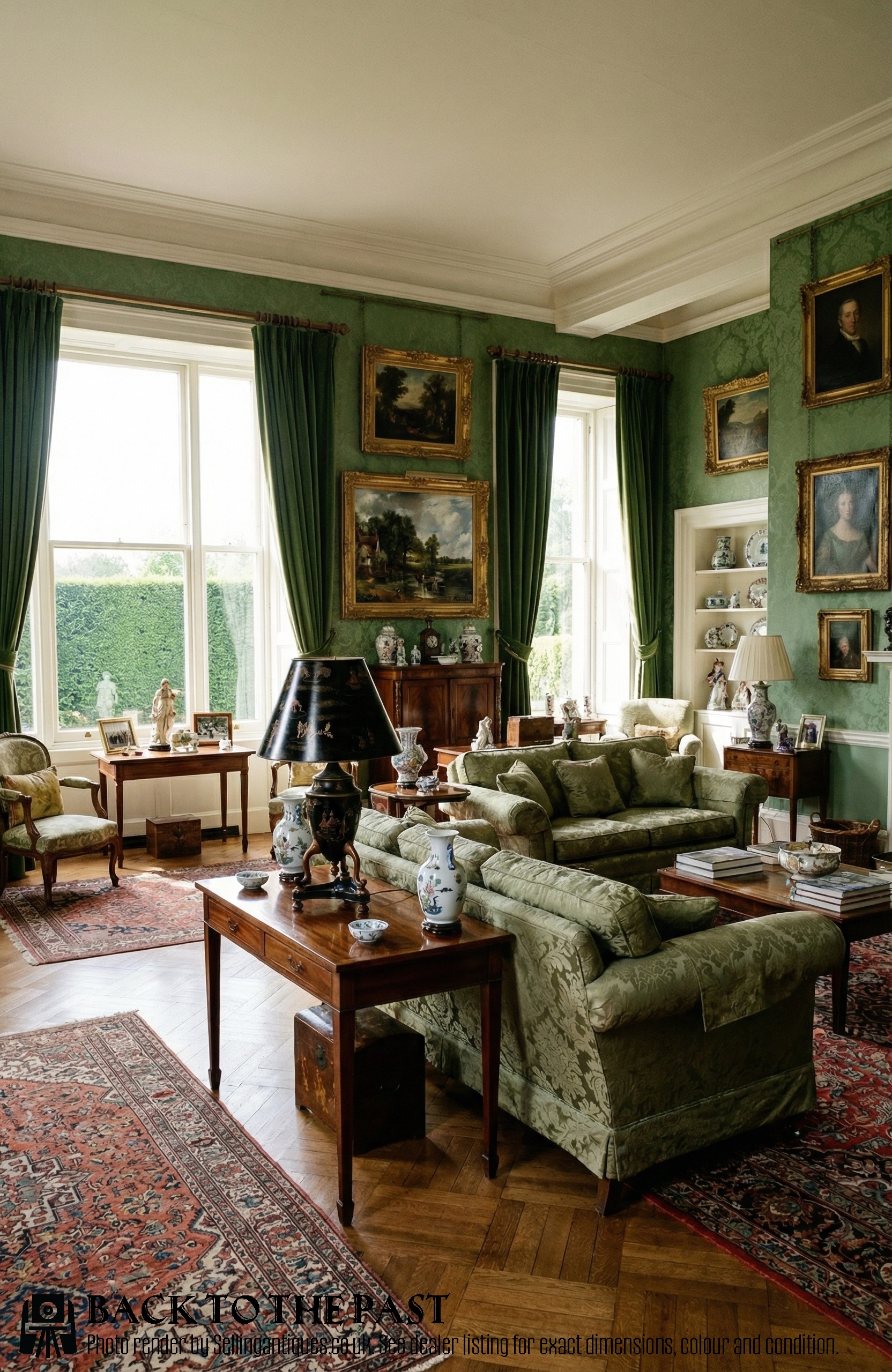
Oriental Table Light
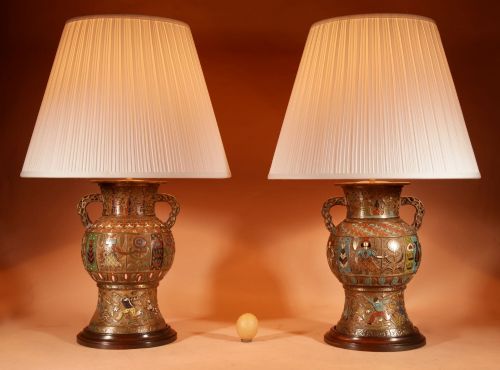
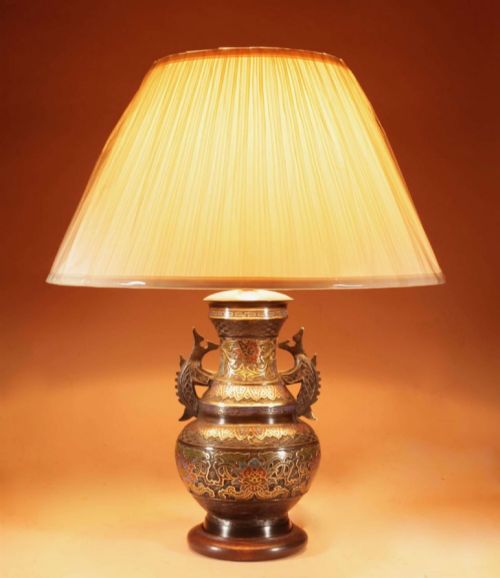
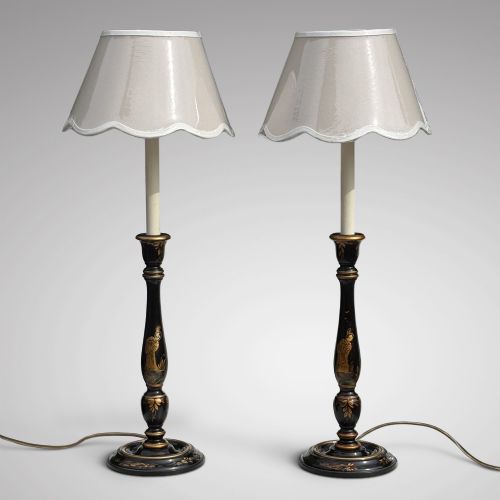
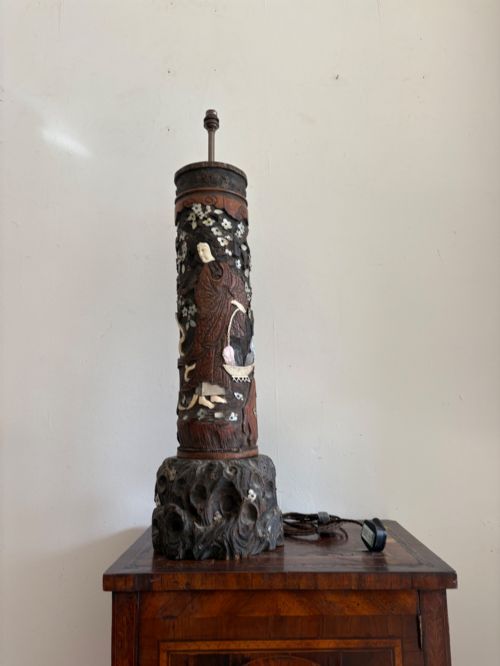
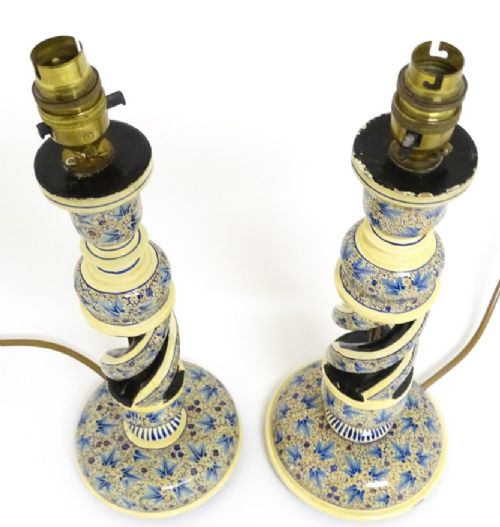
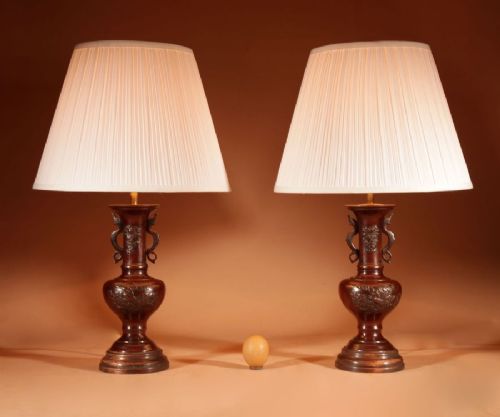
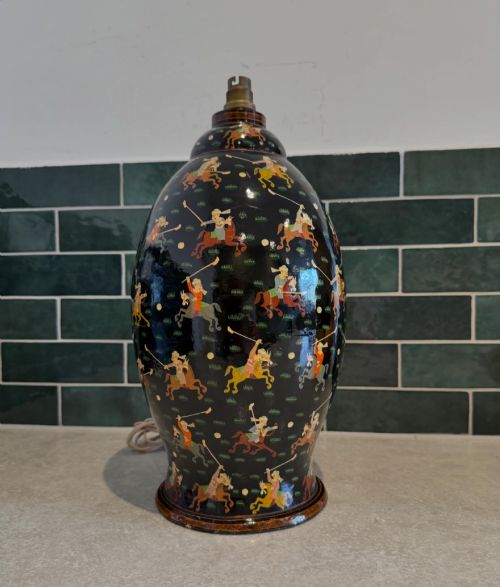
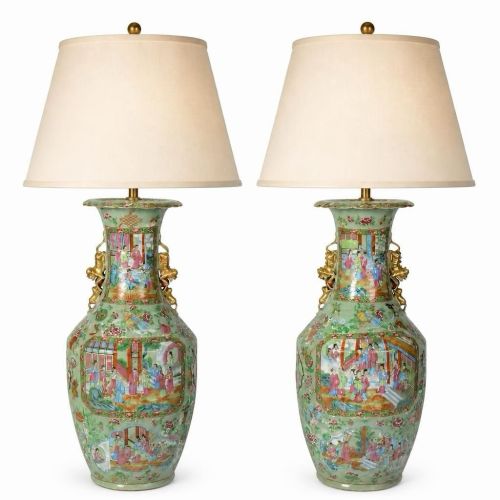
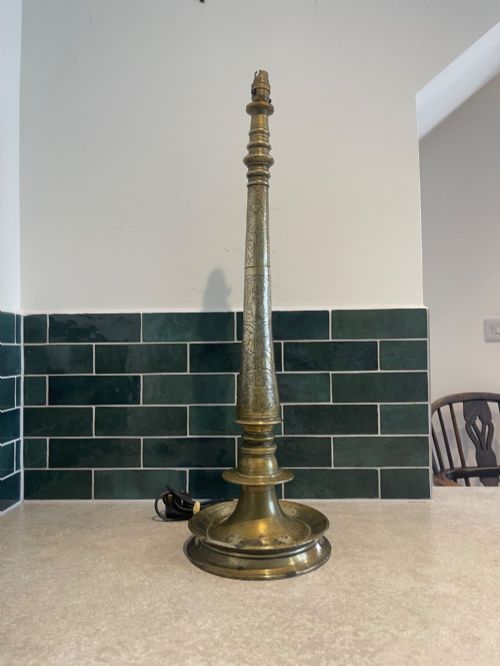
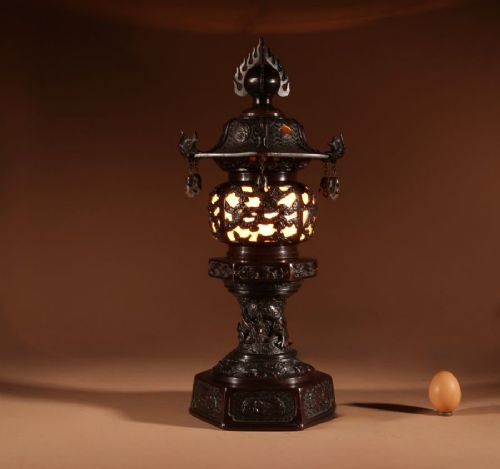
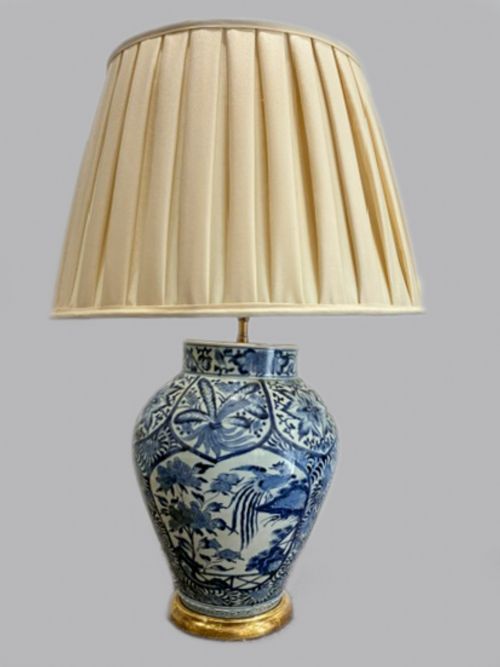
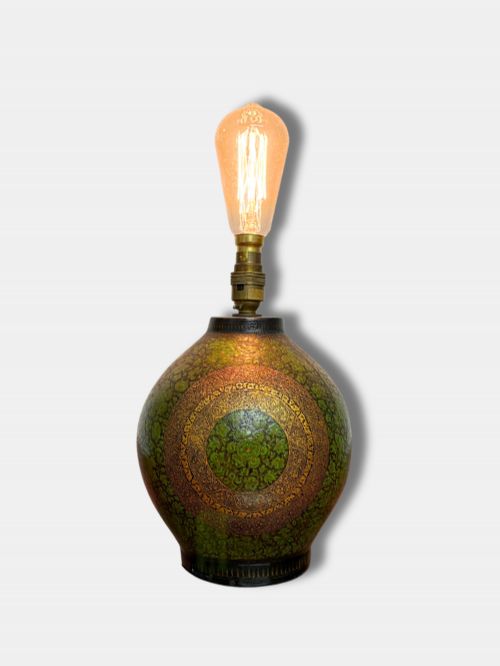
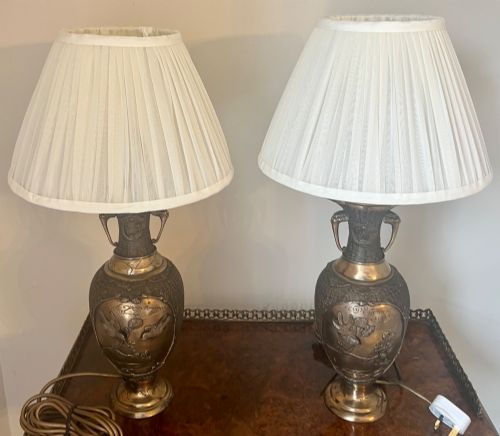
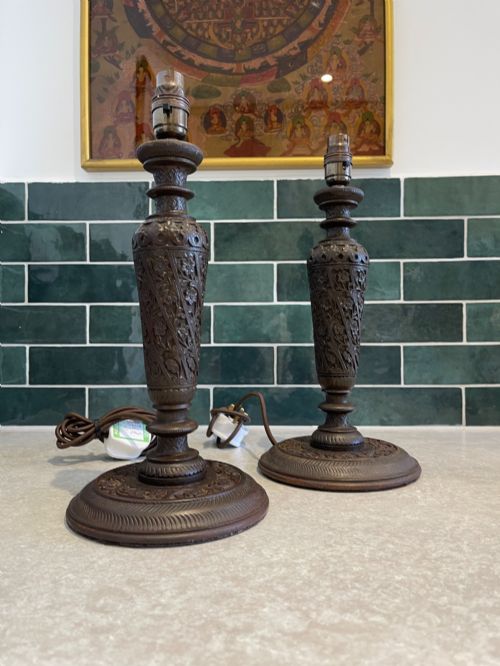
An oriental table light brings together converted antique vessels and lighting elements, drawing heavily on styles from Japanese Meiji period works to Chinese export ceramics and Indian craftsmanship. Buyers encounter these pieces in forms ranging from converted bronze vases and porcelain jars to lacquered wooden containers.
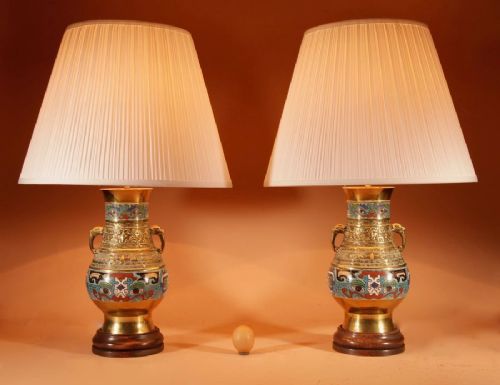
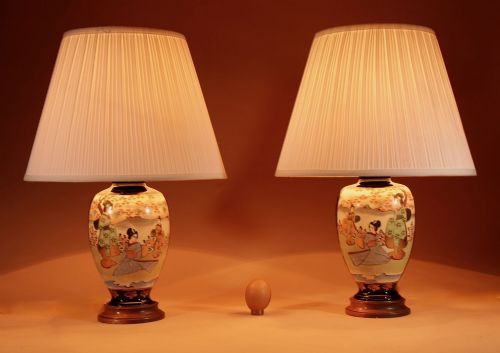
The selection on this page relies largely on items originating from the nineteenth and early twentieth centuries, including Victorian and Edwardian adaptations. Many examples utilise traditional overseas vessels, such as Satsuma earthenware or champlevé bronze, which were subsequently adapted for domestic illumination.
What varies in quality
The standard of an oriental table light rests on the original vessel's artistic merit, such as the precision of hand-painted details on porcelain or the crispness of casting in bronze and brass elements. Pieces featuring complete original mounts or well-preserved lacquer and enamel work command greater attention from collectors.
The harmony of the conversion also dictates the overall merit, distinguishing items where electrical fittings integrate sympathetically with the antique body from those with heavy-handed alterations.
The documented periods range from the late seventeenth century through the Victorian and Edwardian eras into the 1930s.
The Oriental Table Light Glossary
- Champlevé
- Enamelling technique where troughs are dug into a metal surface and filled with vitreous enamel before firing. This method creates vibrant decorative patterns on bronze lamp bodies.
- Cloisonné
- Decorative work where metal wire is soldered to a metal base to form compartments filled with enamel paste. It appears frequently on Japanese vessels adapted into lamps.
- Satsuma
- A type of Japanese earthenware featuring a crackled creamy glaze decorated with polychrome enamels and gold. These colourful ceramics are commonly found converted into table lighting.
- Chinoiserie
- European artistic style reflecting Chinese motifs and decorative techniques. It influences the lacquer and painted wooden lamps produced during the Victorian and Edwardian eras.
Oriental Table Light: Frequently Asked Questions
How do I choose an oriental table light for my room?
Consider the scale of the piece and the dominant materials in your space, balancing ornate bronze or cloisonné against simpler ceramic or lacquered wooden bodies.
Matching the historical period, whether late nineteenth-century Meiji or early twentieth-century Edwardian, helps the light anchor the surrounding interior design.
Were these lamps originally made for lighting?
Most pieces started life as decorative vases, temple jars, brush pots, or decorative metalware rather than functional lamps.
Craftsmen converted these imported objects later, mounting them for electricity while preserving their original Asian or Anglo-Indian artistry.
How should I clean and care for my antique lamp?
Dust metal and ceramic surfaces gently with a soft, dry cloth to protect delicate enamels, gilding, and aged lacquer finishes.
Avoid liquid cleaners on antique wiring or treated wood components to preserve the integrity of the original materials.
How can I tell the age of these lamps?
Dating relies on examining the manufacture of the underlying vessel, noting stylistic markers such as Meiji period signatures or Victorian mounting techniques.
The wiring and fittings often show later updates, but the core object retains the age and characteristics of its original period of production.