







Vintage Chinoiserie Accent Lamp
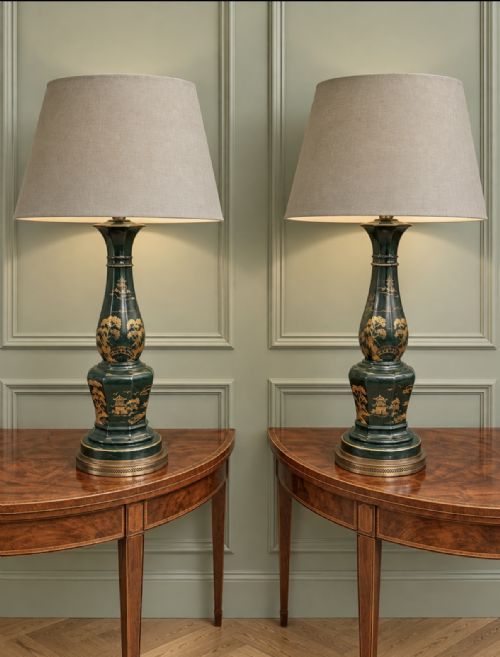
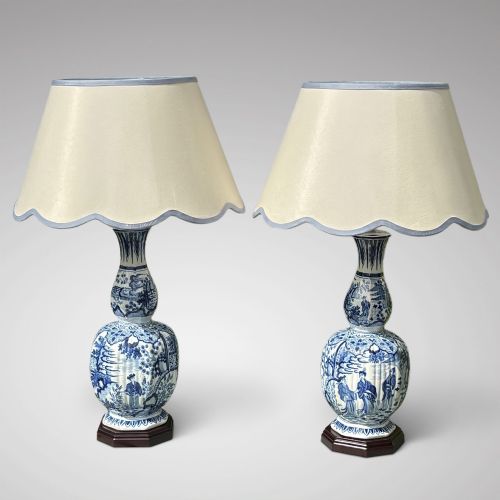
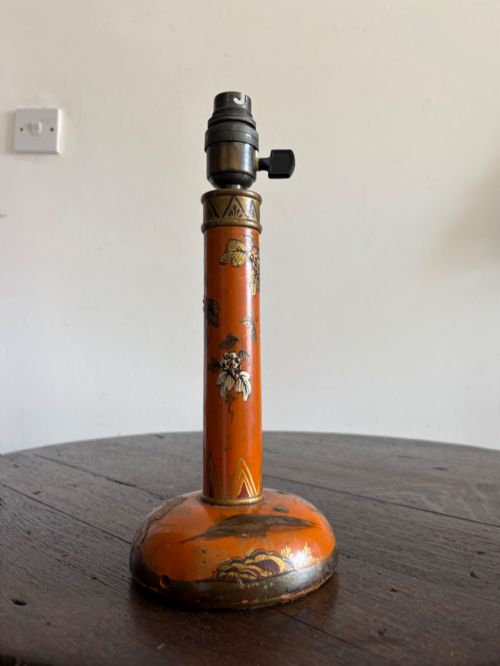
These vintage chinoiserie accent lamp examples combine oriental motifs with traditional lighting forms to bring striking colour and decorative presence into a room.
Vintage Chinoiserie Accent Lamp
A vintage chinoiserie accent lamp brings distinctive decorative motifs into domestic spaces through forms shaped by historic tastes. These items emerge from periods spanning the nineteenth century through the early twentieth century.
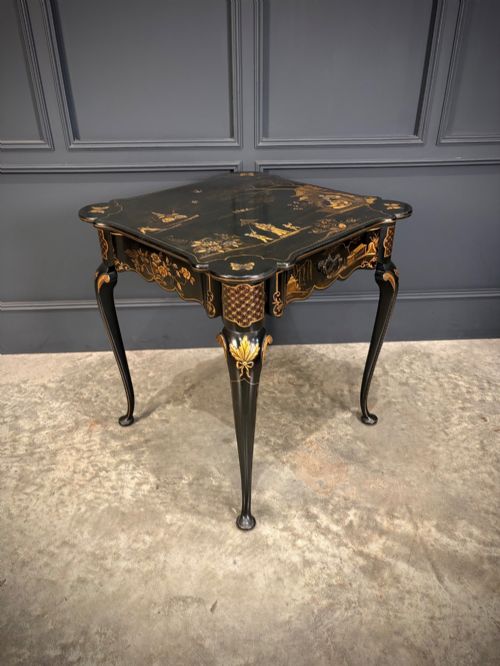
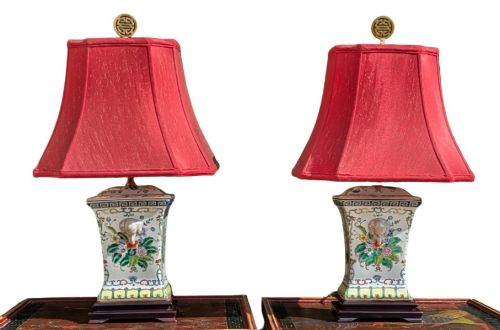
The selections available here include lacquer table lamps, porcelain bodies, and bronze or toleware constructions. Alongside standard table lamps, the inventory encompasses related forms such as side tables and vases adapted for illumination.
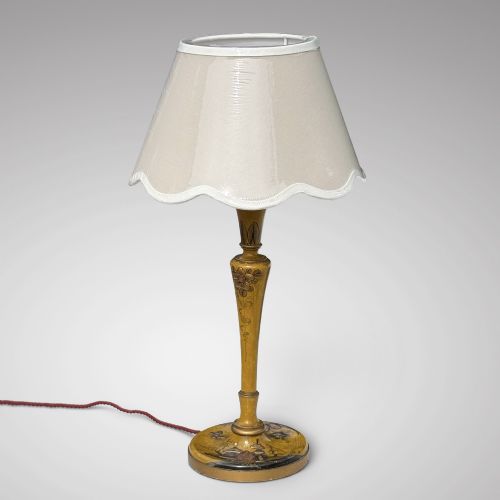
Buyers frequently encounter pieces finished in black and gold lacquer, ochre, or mandarin orange. These objects reflect various stylistic interpretations including Victorian chinoiserie, French rococo revival, and Dutch delftware.
How they were made
The construction of these lamps relies on materials such as wood, brass, gilt, and lacquered wood shaped into solid bases. Artisans applied layers of lacquer in black, ochre, and orange to achieve smooth, durable finishes.
Many examples feature hand painted details applied directly to the surface of the lacquer, porcelain, or metal. Carved elements also appear, notably in Chinese root wood pieces dating to the nineteenth century.
Fittings incorporate gilt bronze, brass, and fabric components to complete the functional lighting structure. Porcelain bodies draw upon traditions such as Paris porcelain and Qianlong style manufacture.
Vintage Chinoiserie Accent Lamp Retail Price Guide 2026
Typical asking prices for vintage chinoiserie accent lamp among the pieces listed under this phrase on Sellingantiques today, from the lower quarter to the upper quarter. They describe what is for sale here now, not the wider market.
Several lamps sport mandarin orange lacquer that refuses to blend into the background.
What varies in quality
The standard of execution in hand painting dictates much of the visual appeal across these lighting pieces. Finer examples display precise brushwork and nuanced colour application on lacquer or porcelain surfaces.
Material selection and structural integrity separate simpler items from more substantial constructions. Heavy bronze mounts, solid carved root wood, and well preserved lacquer finishes demonstrate superior workmanship.
The Vintage Chinoiserie Accent Lamp Glossary
- Chinoiserie
- European decorative style reflecting Chinese artistic influences. It appears frequently in nineteenth and twentieth century lacquered furniture and lighting.
- Lacquer
- Protective and decorative finish applied in multiple layers to wooden bases. It provides the smooth, glossy surfaces seen on black and gold lamp bodies.
- Toleware
- Painted or lacquered metalware used for decorative domestic objects. These items often feature dark backgrounds embellished with gilt patterns.
- Delftware
- Tin glazed earthenware originating in the Netherlands. Pieces in this style utilise distinctive blue and white decoration on ceramic bodies.
Vintage Chinoiserie Accent Lamp: Frequently Asked Questions
How do I date a chinoiserie lamp?
Dating relies on examining the materials, wiring methods, and manufacturing techniques visible on the base and fittings. Nineteenth century pieces often show hand carved wooden elements or early ceramic bodies.
Later items from the 1920s and 1930s typically incorporate distinct lacquer colours like mandarin orange alongside machine finished metal components.
Where should I place an accent lamp?
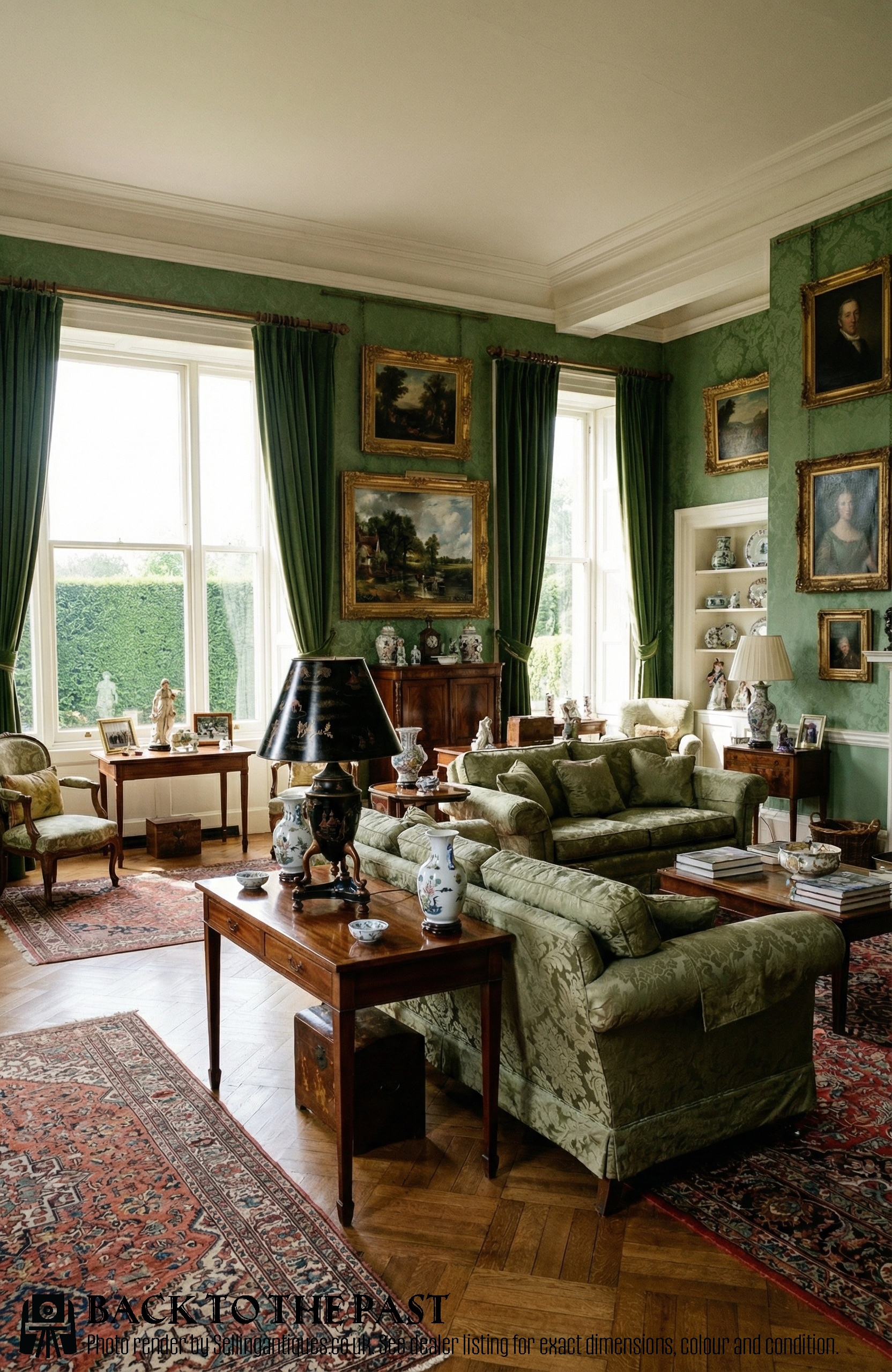
These lamps suit side tables, consoles, and desks where they provide focused illumination while serving as sculptural objects. Their decorative designs complement traditional and eclectic interiors alike.
Placing them away from direct heat sources helps preserve historic lacquer and painted finishes.
What is toleware?
Toleware refers to lacquered or painted sheet metal items produced for domestic use. In lighting, these pieces offer robust metal construction combined with decorative painted surfaces.
Black and gold lacquer treatments are particularly common on pieces from the early twentieth century.
How do I care for lacquered wood?
Lacquered surfaces require gentle dusting with a soft, dry cloth to prevent abrasion. Avoiding harsh cleaning agents and direct sunlight protects the integrity of the finish.
Maintaining stable room humidity prevents the wooden base from expanding or contracting beneath the lacquer layers.