
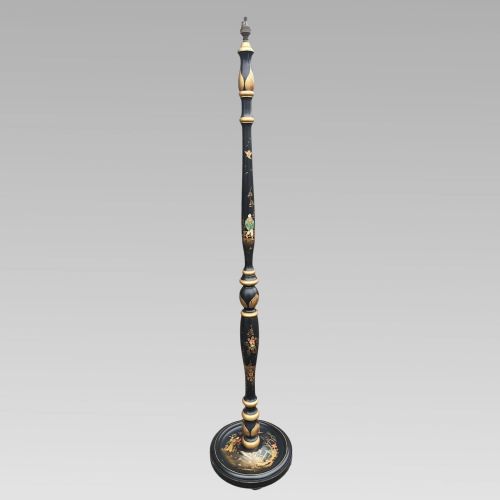


Black Lacquer Lamps
Black lacquer lamps bring painted depth and gilt detail to a room, drawing the eye with dark surfaces.
Black Lacquer Lamps
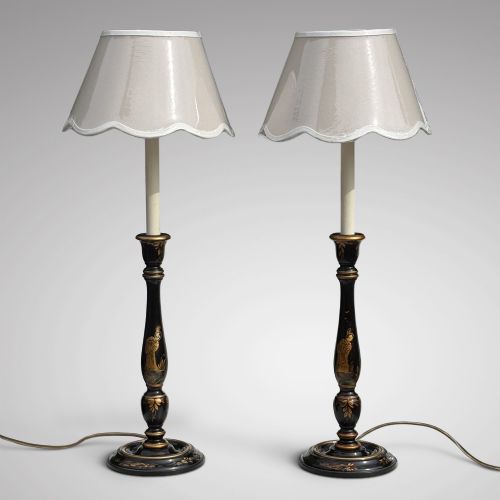
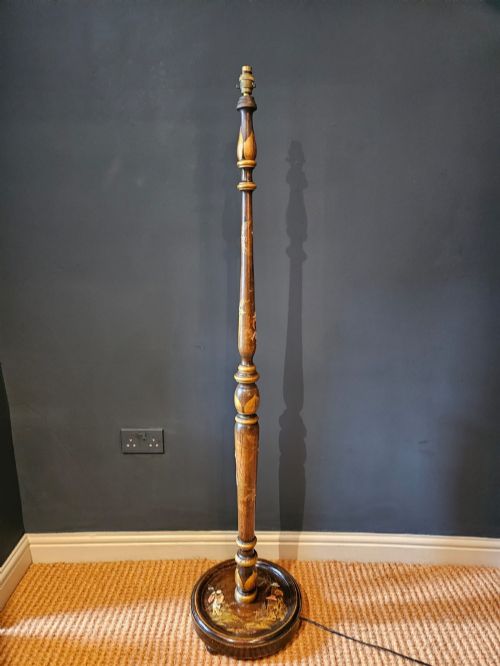
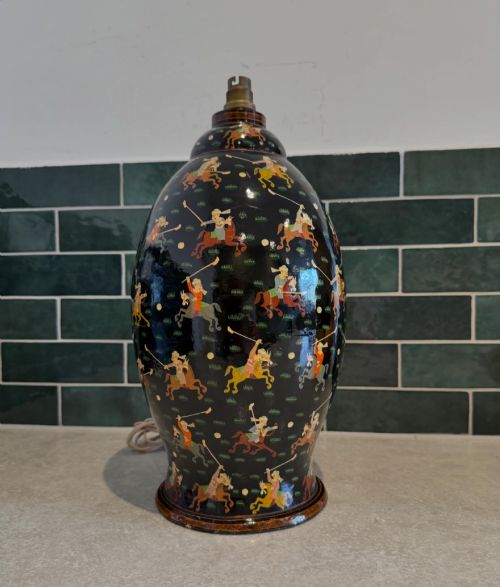
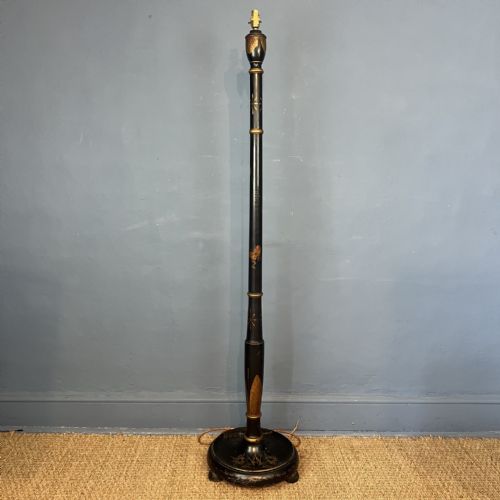
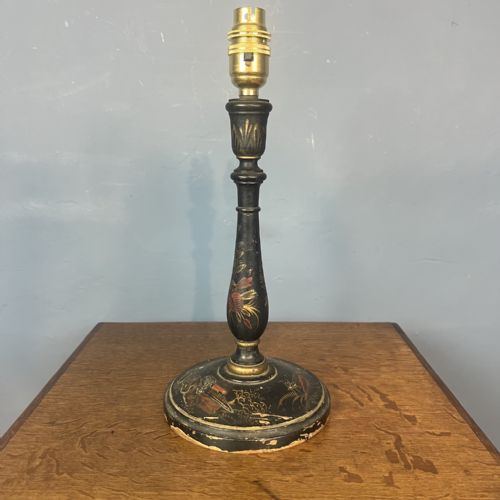
Black lacquer lamps combine dark surfaces with painted decoration, spanning table and floor-standing standard lamp forms. These pieces draw on styles such as Edwardian Chinoiserie, Kashmiri Folk Art, and Victorian designs.
Origins include English workshops and Kashmiri traditions, utilising forms that span floor-standing heights down to compact table models.
Materials and Techniques
Construction relies on wood, lacquered wood, and ebonised wood surfaces treated with lacquer, gold leaf, and paint. Brass mounts and fabric elements appear alongside the primary wooden frames.
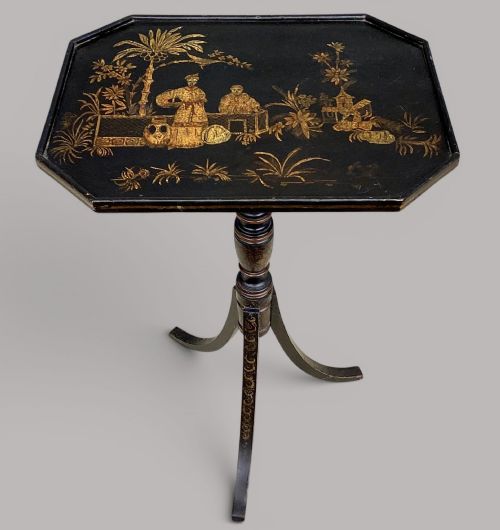
Decoration employs hand-painted motifs executed in black, gilt, and red finishes. Kashmiri pieces utilise papier-mâché techniques alongside traditional lacquer applications.
The listings span the 19th century, Victorian, Edwardian, Regency, and early 20th-century periods, utilising wood, brass, lacquer, and fabric.
Quality and Execution
Quality rests in the crispness of the painted and gilt decoration upon the lacquer surface. Finer examples display detailed hand-painted scenes with preserved depth in the dark finish.
The integration of original decorative elements and the condition of the lacquer layer distinguish standard production from superior decorative work.
The Black Lacquer Lamps Glossary
- Chinoiserie
- European decorative style reflecting Chinese artistic traditions. It appears frequently on black lacquer furniture and lighting from the Victorian and Edwardian periods.
- Standard Lamp
- A tall floor-standing lamp designed to illuminate a room from a vertical shaft. These often feature decorated wooden columns resting on weighted bases.
- Ebonised Wood
- Timber treated to resemble ebony through staining or painting. This process creates the dark ground necessary for subsequent gilt and painted decoration.
- Toleware
- Painted or lacquered sheet metal items. These objects contribute durable metallic bodies to specific table lamp designs.
- Papier-mâché
- Pulped paper mixed with glue and pressed into moulds before drying. Kashmiri pieces utilise this material to form lightweight lamp bodies.
Black Lacquer Lamps: Frequently Asked Questions
How do I date a black lacquer lamp?
Dating relies on stylistic clues, wiring methods, and the structural wood used beneath the lacquer surface. Edwardian and Victorian pieces carry distinct decorative conventions that separate them from 1930s examples.
Examine the mounting hardware, the type of paint applied, and any secondary timbers visible beneath worn areas. Comparing these details to known period furniture helps narrow the manufacturing decade.
Were these always electric lamps?
Many surviving examples began life as oil lamps, standard light stands, or converted tea canisters and occasional tables. Electrification occurred later during the twentieth century.
Rewiring is common to ensure modern electrical safety standards. Check the internal cord path and lamp holder fittings during any interior inspection.
Where should I place a standard lamp?
Floor-standing standard lamps suit corners or seating areas where they provide ambient vertical illumination. Their dark lacquered shafts anchor empty wall space effectively.
Keep them away from direct sunlight to protect the fragile lacquer and gilt painted decoration from fading over time.
How do I care for the lacquer finish?
Dust the surface regularly with a soft, dry microfibre cloth to prevent particle accumulation. Avoid chemical sprays, abrasive cleaners, or excess moisture.
Maintain stable indoor humidity levels to prevent the wooden base and lacquer coating from expanding or contracting.