


Oriental Style Stand
When you choose an oriental style stand, you select a piece that brings distinct craftsmanship and Far Eastern design into a room.
Oriental Style Stand
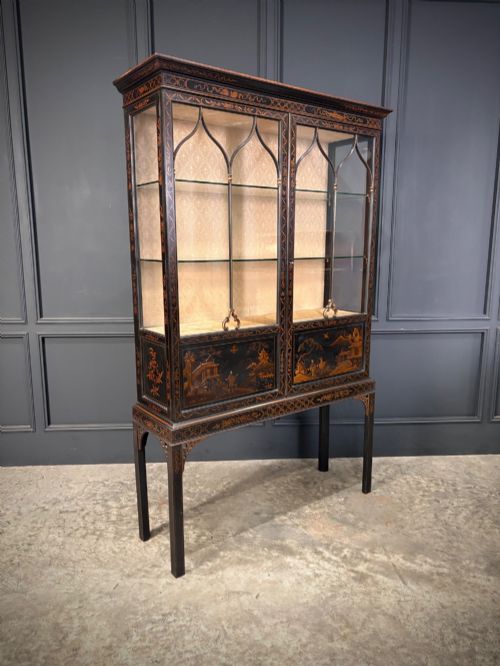
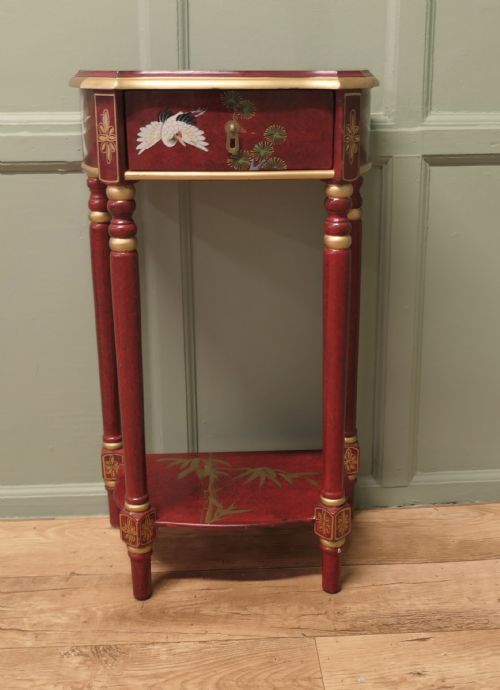
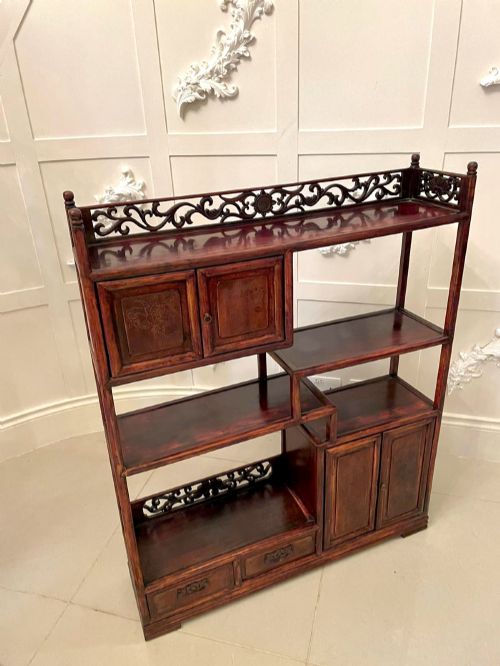
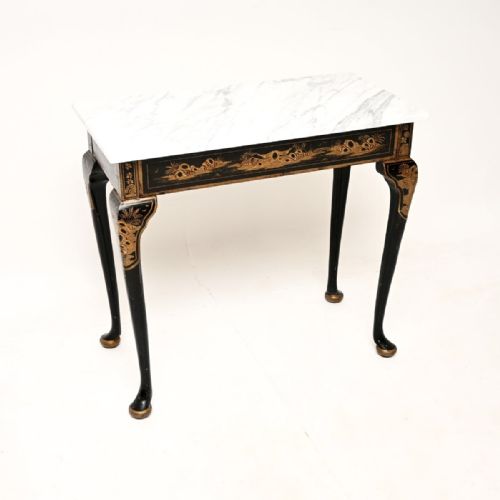
An oriental style stand serves primarily as a decorative or functional platform, drawing on traditional Chinese, Japanese, and Moorish design motifs. Buyers searching this phrase encounter items spanning the nineteenth century through to the 1930s, including Victorian and Edwardian periods.
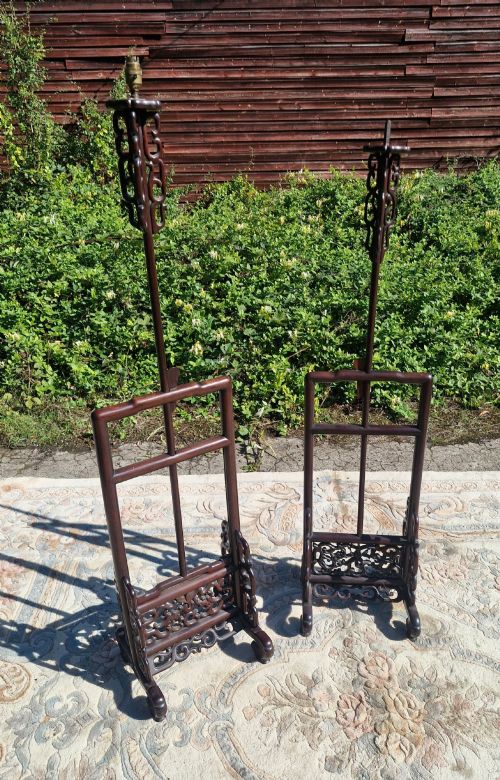
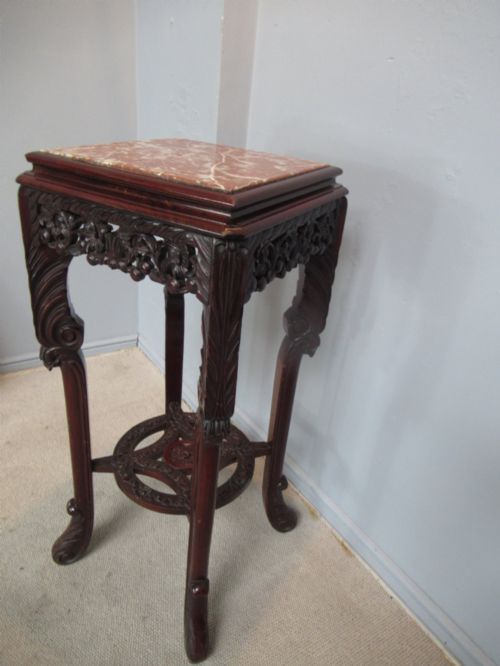
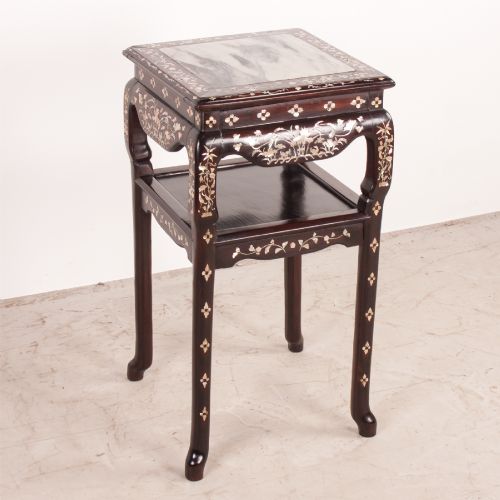
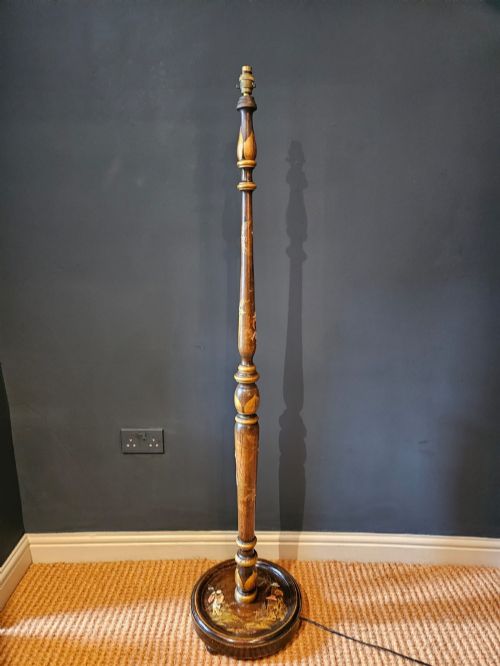
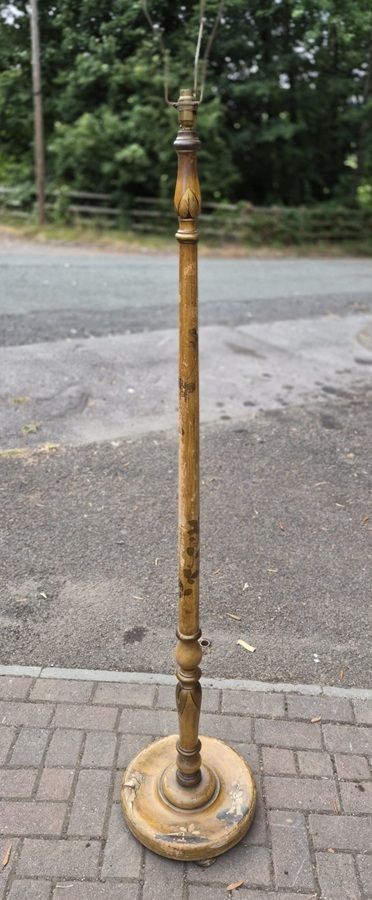
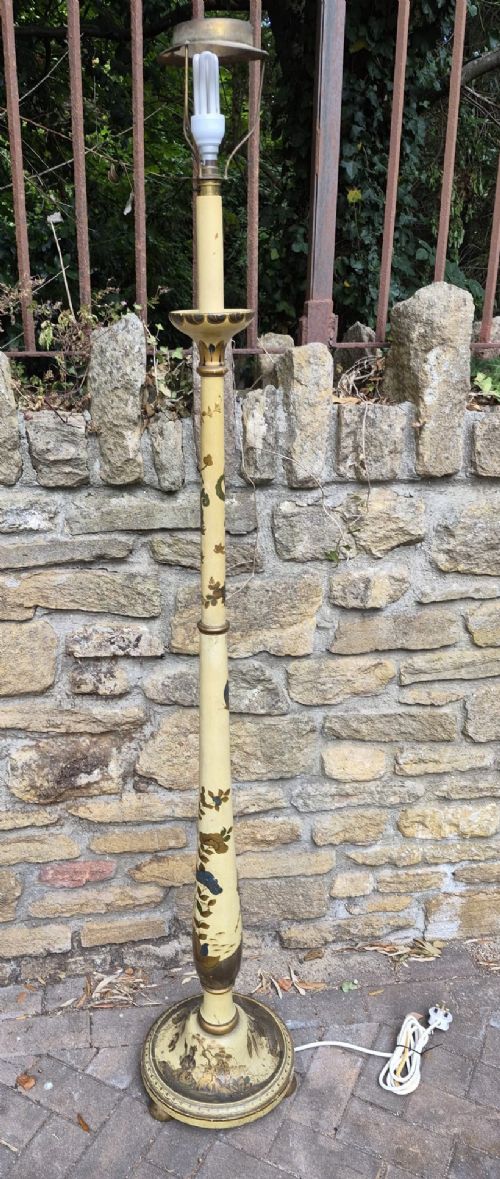
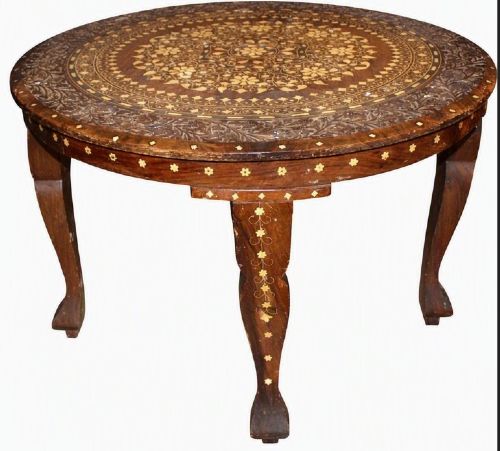
The most common forms on this page include occasional tables, plant stands, lamp standards, and display units. These objects incorporate diverse materials like hardwood, marble, and lacquer to achieve their characteristic appearance.
How they were made
Makers utilised solid timbers such as hardwood, bamboo, and amboyna, frequently pairing wooden frames with inset marble tops or carved panels. Joinery and structural stability rely on traditional cabinet-making methods suited to heavy stones and dense woods.
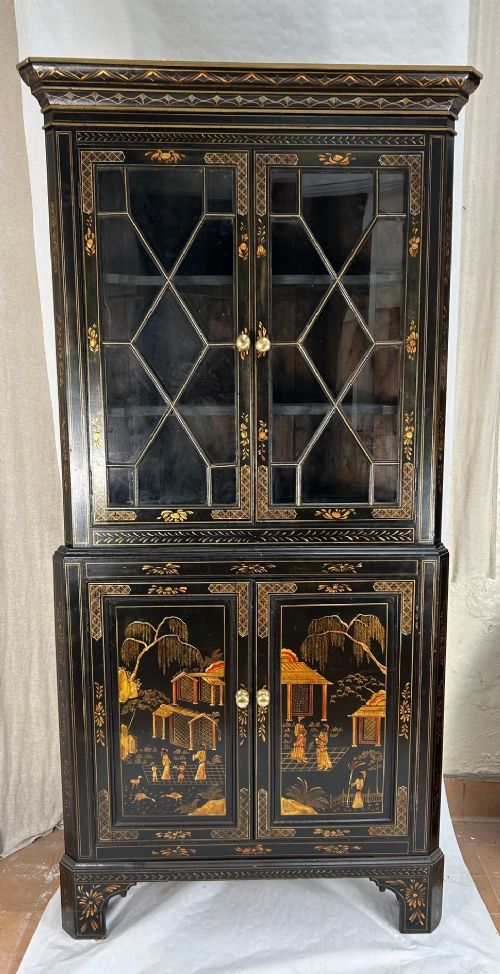
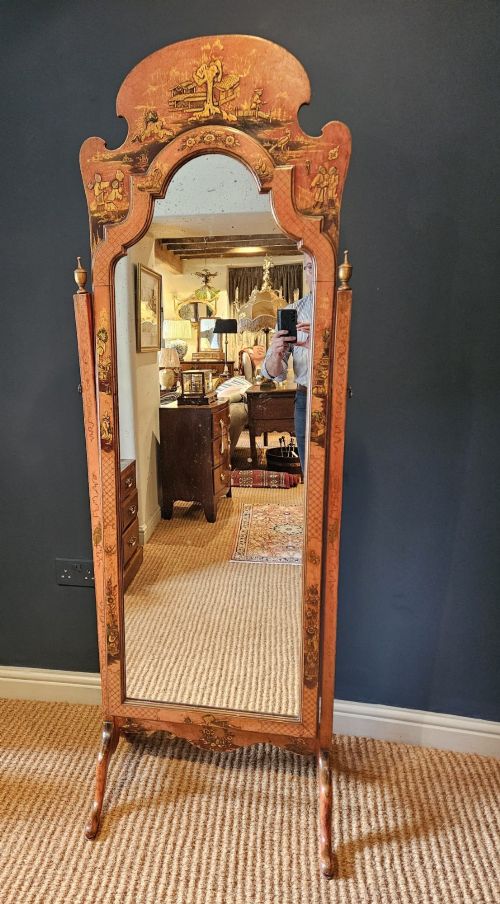
Surface decoration frequently involves black or polychrome lacquer, intricate bone inlay, mother of pearl, and gilt detailing. Chinoiserie and Japonisme styles are applied through hand-painted motifs and layered varnishing techniques.
Materials documented across these pieces include hardwood, brass, lacquer, marble, glass, and bone inlay.
What varies in quality
Quality rests upon the depth and precision of the carving, the choice of timber, and the preservation of the lacquer or inlay. Pieces featuring dense hardwoods like huanghuali or finely inlaid mother of pearl demonstrate superior execution.
The integrity of the surface finish and the original alignment of inset marble slabs distinguish finer examples. Maker attribution, such as work linked to Gabriel Viardot or Liberty & Co, elevates the standing of an individual piece.
Gabriel Viardot·Liberty and Co
The Oriental Style Stand Glossary
- Chinoiserie
- European decorative style reflecting Chinese artistic traditions. It appears frequently on lacquer furniture and standard lamps from the Victorian and Edwardian eras.
- Japonisme
- Western adoption of Japanese artistic elements, prominent in late nineteenth-century design. This influence is visible in carved stands and tables attributed to makers like Gabriel Viardot.
- Hardwood
- Dense, durable timber derived from angiosperm trees. Chinese pieces in this category often utilise materials such as huanghuali.
- Cloisonne
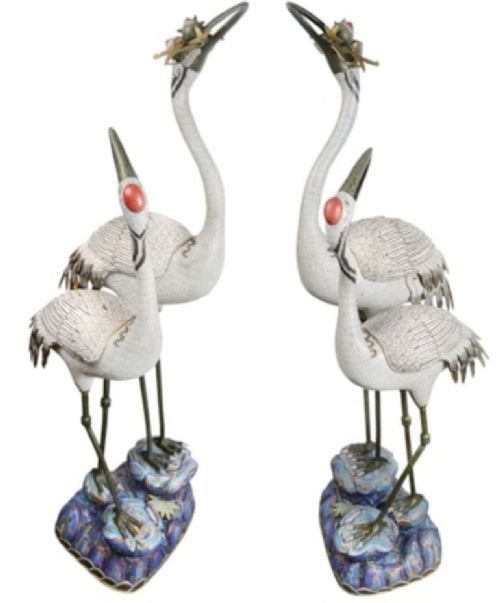
- Enamelling technique where metal wire forms compartments on a base. These designs decorate vessels and furniture elements across various listed items.
Oriental Style Stand: Frequently Asked Questions
How do I date an oriental style stand?
Dating relies upon stylistic markers, construction methods, and materials recorded in the evidence. Pieces range from the nineteenth century through the Edwardian period and the 1930s.
Victorian examples often incorporate bamboo or heavy carving, whereas later twentieth-century items display specific Chinoiserie floor lamp designs or standard lamp configurations.
Where should I place a plant stand?
Plant stands and pedestal tables suit corners, hallways, or living spaces where they can support vases, sculptures, or floral displays. Their vertical proportions draw the eye upward.
Ensure the floor surface is level, particularly for items featuring heavy marble tops or adjustable lamp standards.
What is the difference between Chinoiserie and Japonisme?
Chinoiserie draws on traditional Chinese aesthetic principles, often featuring lacquered surfaces, painted landscapes, and figures. It was particularly popular during the Victorian and Edwardian eras.
Japonisme reflects Japanese artistic influences, gaining prominence in the late nineteenth century through carved woodwork and asymmetrical forms associated with makers like Gabriel Viardot.
How do I care for lacquered wood?
Lacquered surfaces require gentle dusting with a soft, dry cloth to prevent scratching. Avoid abrasive cleaners and keep the pieces away from direct heat sources.
Stable indoor humidity helps preserve the timber substructure and prevents cracking in the delicate lacquer or inlay work.