
Oriental Style Lamp
An oriental style lamp brings decorative lacquer, painted porcelain and chased metal into a room through lighting designed to catch the eye.
Oriental Style Lamp
When you search for an oriental style lamp, you encounter pieces that adapt foreign containers and motifs into domestic illumination. The selection spans table lamps and taller standard lamps originating from periods like the Edwardian era and the early twentieth century.
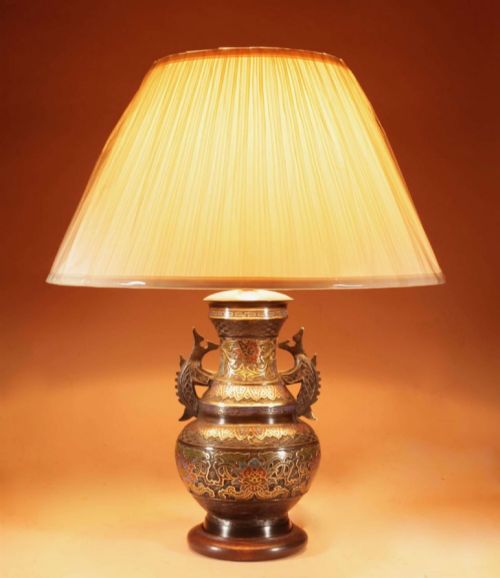
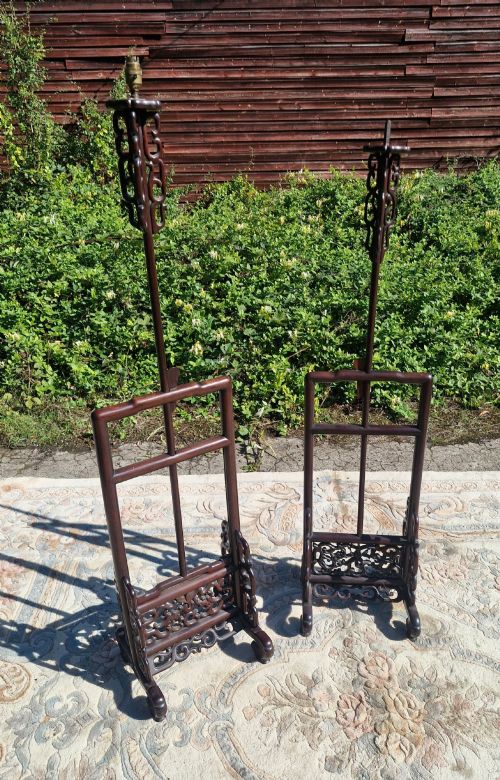
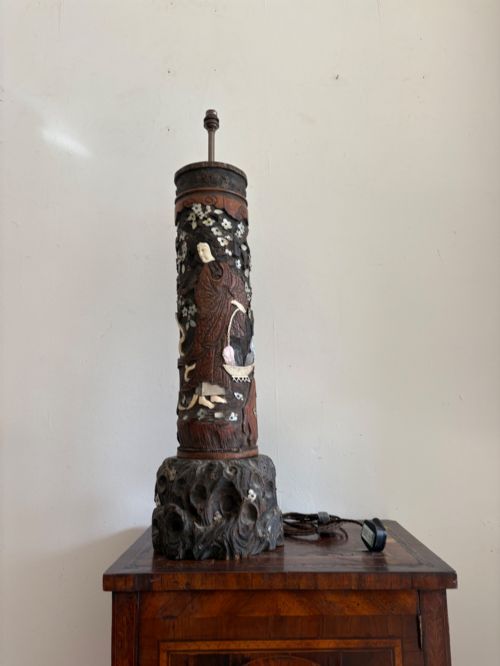
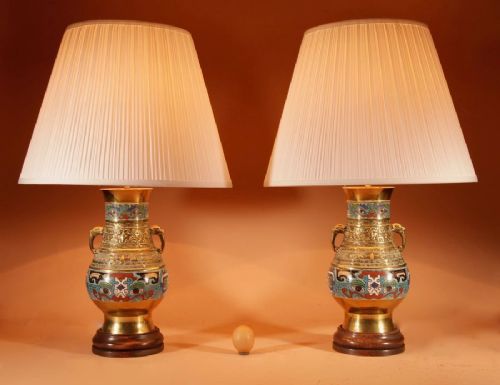
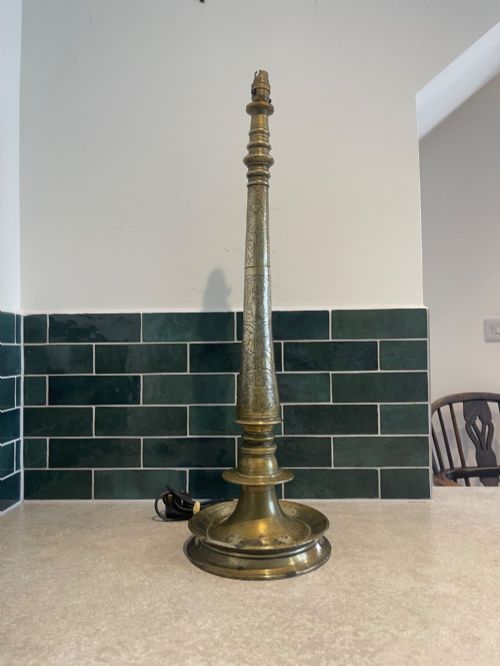
The objects frequently take the form of converted Chinese porcelain vases, Japanese bronze vessels or lacquered timber standards. Makers often adapted ginger jars, Satsuma wares and carved brush pots to hold electrical fittings.
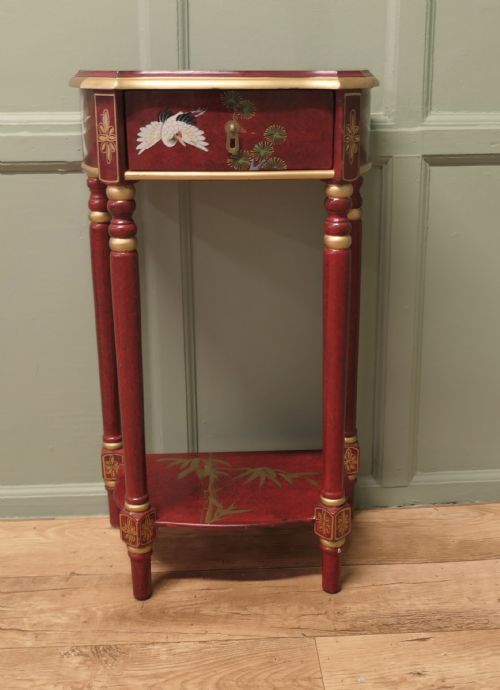
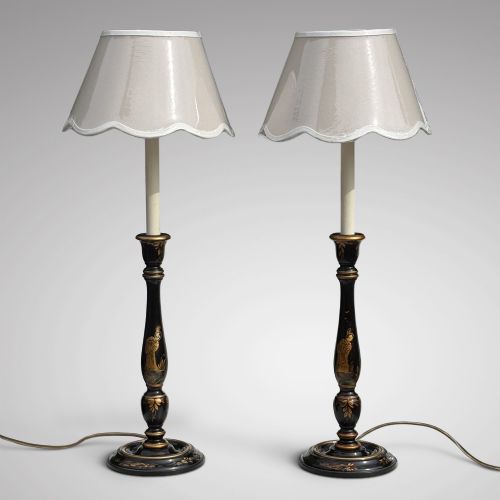
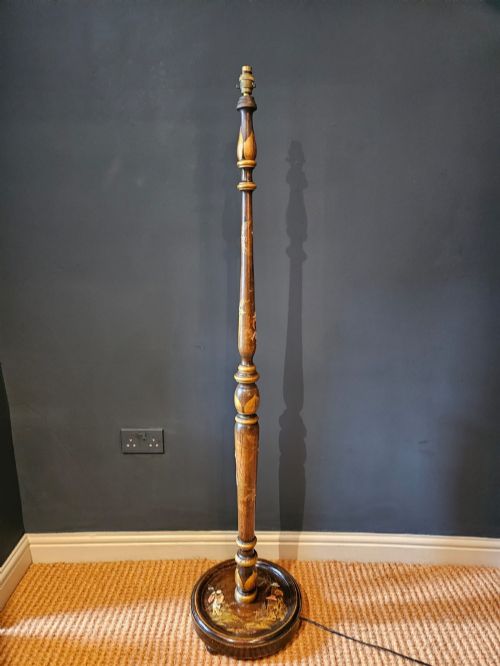
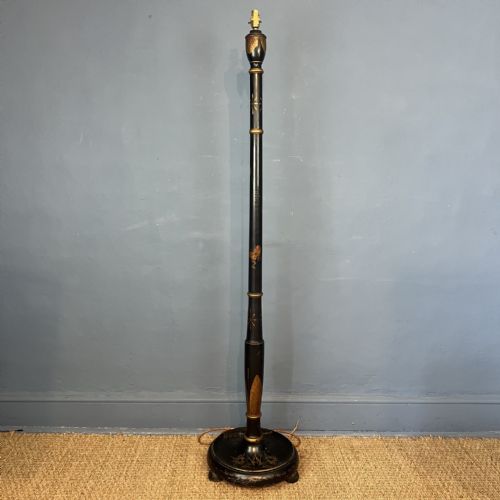
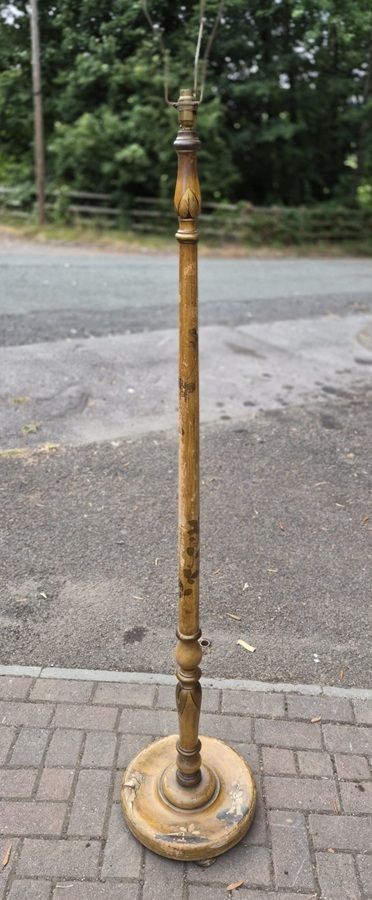
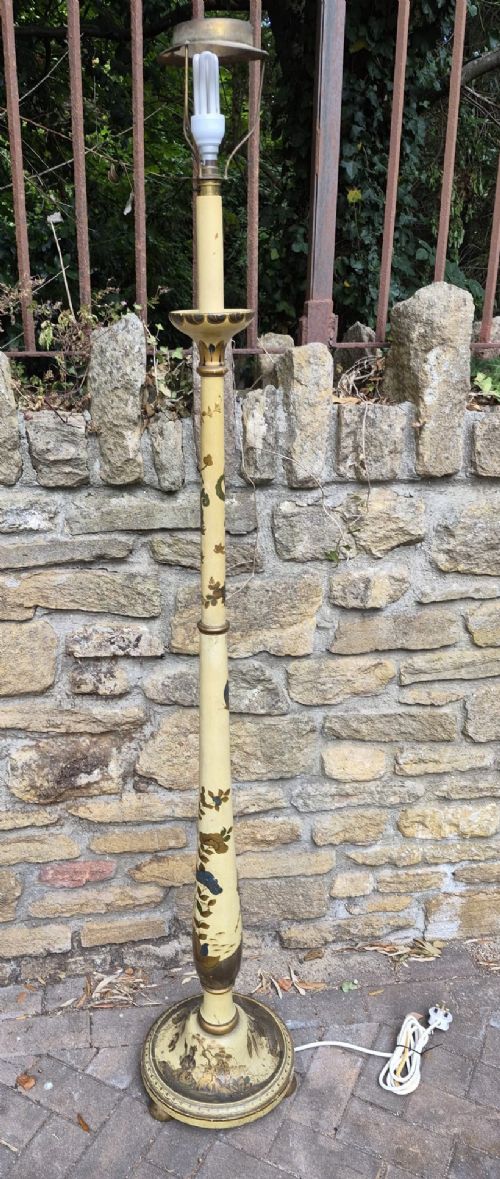
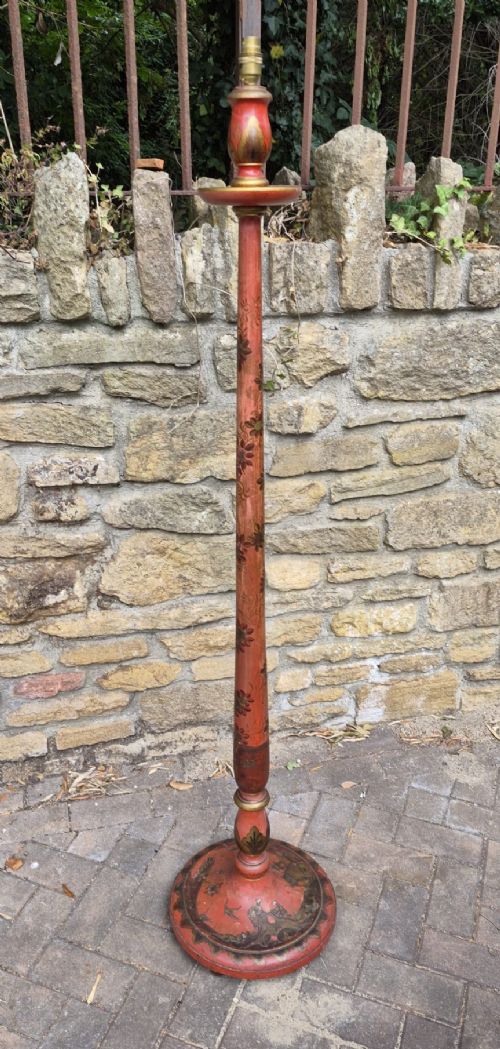
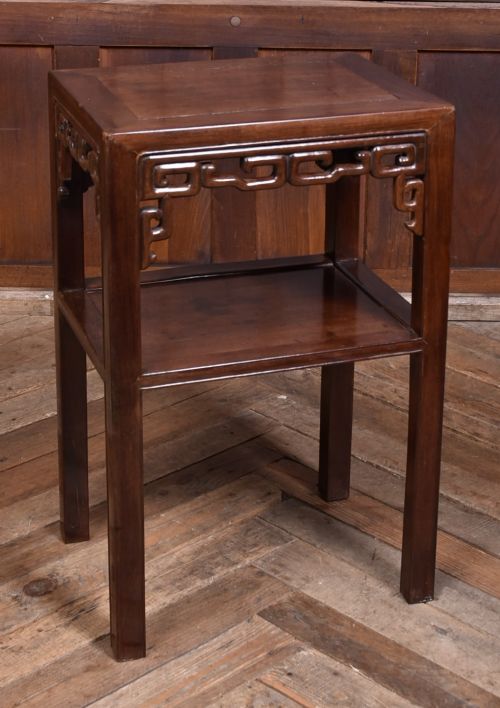
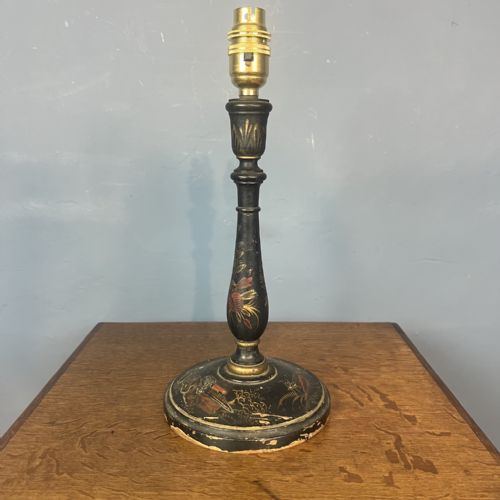
Chinoiserie lacquer is common amongst the standard lamps, presenting painted figures and foliage on black or crimson grounds. Brass and champleve enamel examples also appear, alongside bamboo occasional tables designed to support them.
How they were made
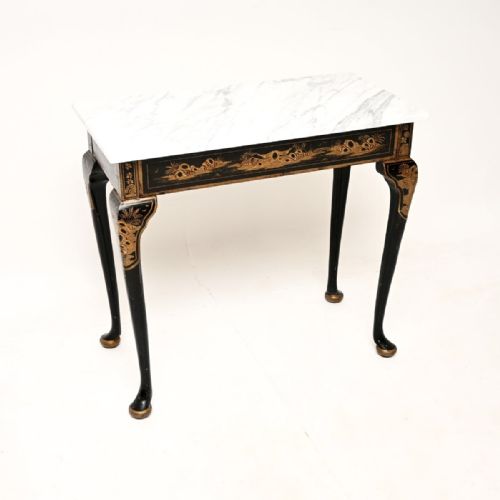
Construction relies heavily on hardwoods, brass, porcelain and lacquer. Timber standards and occasional tables utilise bamboo or lacquered wood, sometimes paired with marble tops or mother of pearl inlay.
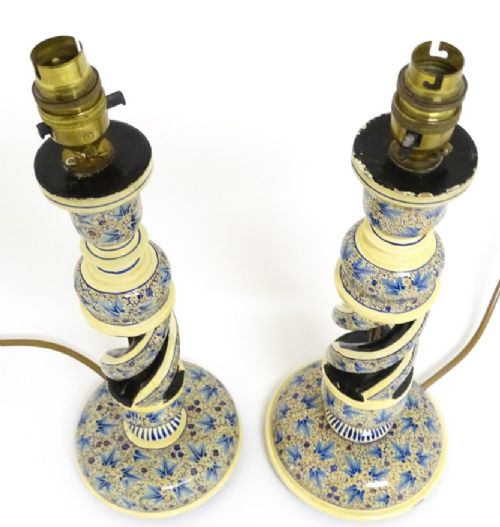
Vessels of ceramic and bronze are drilled and mounted with electrical hardware. Surface decoration involves hand-painted motifs, champleve enamel work and layered lacquer applied to wood or metal bodies.
Some nineteenth-century scholars converted heavy ceramic brush pots and ginger jars into domestic illumination simply because the jars looked too charming to stay empty.
What varies in quality
The standard of painting on the lacquer and porcelain dictates the visual success of the piece. Fine hand-painted details on mandarin orange or black lacquer grounds display crisp outlines and depth.
The integrity of the conversion from vessel to lamp matters greatly. Well-executed wiring channels and solid mounting brackets preserve the balance of heavy ceramic and bronze bodies without damaging the antique container.
Hicks and Meigh·Liberty's
The Oriental Style Lamp Glossary
- Chinoiserie
- European imitation or evocation of Chinese artistic traditions, popular in furniture and lacquer decoration during the Edwardian period and earlier.
- Champleve
- An enamelling technique where troughs are dug into a metal surface, filled with enamel powder, and fired.
- Satsuma
- Japanese earthenware pottery featuring a crackled glaze decorated with polychrome enamels and gilt.
- Famille Verte
- A Chinese porcelain palette dominated by green enamel hues, seen on vases dating from the nineteenth century.
Oriental Style Lamp: Frequently Asked Questions
What is an oriental style lamp?
An oriental style lamp is a lighting fixture created from Asian ceramics, bronzes, or European lacquer pieces decorated in an Asian taste. These range from tall floor standards to small table lamps mounted on timber bases.
They bring historical decorative arts into functional service, combining traditional craftsmanship with period domestic lighting.
How were these lamps used?
These pieces served to illuminate Victorian and Edwardian reception rooms while displaying the owner's taste for exotic decorative arts. Standard lamps stood in corners or beside seating, while smaller vase lamps sat upon occasional tables.
They functioned as both ambient light sources and prominent decorative ornaments within domestic interiors.
How do I live with one?
Integrating an oriental style lamp involves placing it where the lacquered surfaces or painted porcelain can catch natural light. Pairing a vase lamp with a simple fabric shade allows the body of the vessel to remain the visual focus.
Positioning them on matching occasional tables or bamboo stands creates a cohesive period arrangement in a modern room.
How do I tell periods apart?
Differentiating periods relies on observing material choices and decorative styles such as Edwardian chinoiserie lacquer or nineteenth-century bronze champleve. Victorian bamboo tables and Edwardian black lacquer standards each display characteristic construction methods of their respective decades.
Examining the wiring mounts and the ageing of the lacquer or glaze provides further clues to the manufacturing era.