




Oriental Style Bedside Lamps
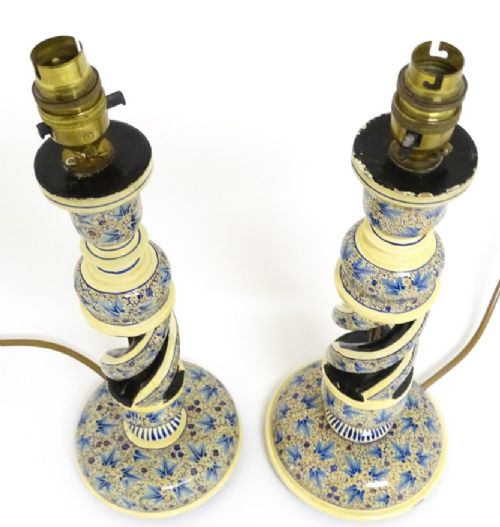
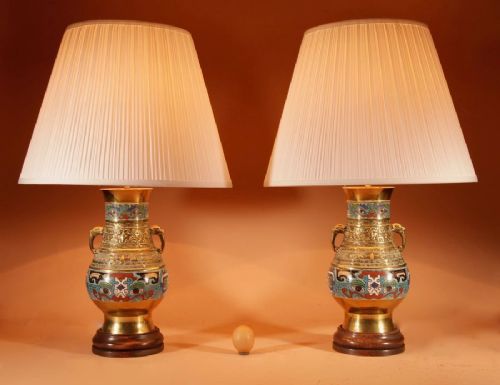
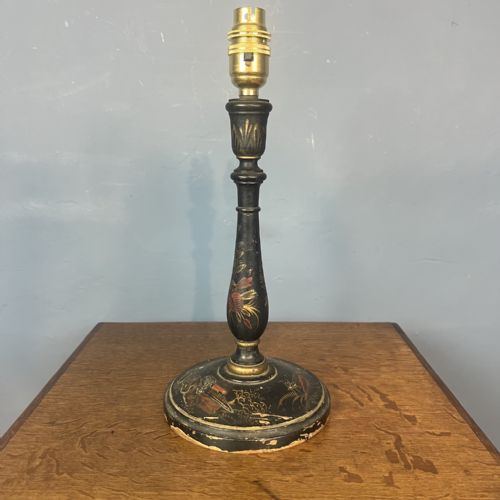
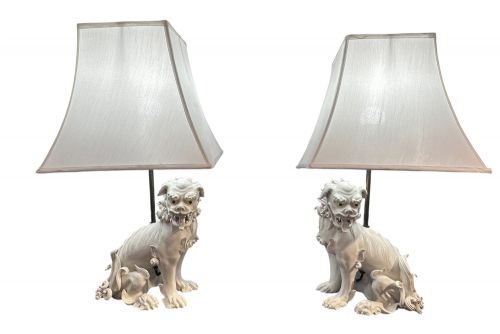
These oriental style bedside lamps bring character to a room through varied porcelain bodies, lacquered wood, and champlevé bronze.

Oriental Style Bedside Lamps
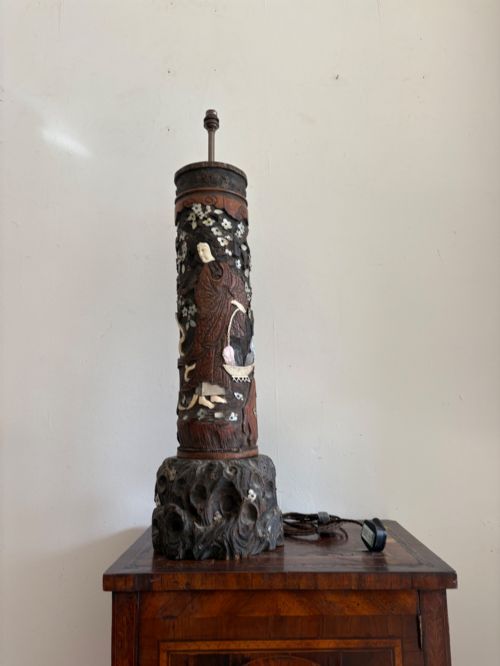
When you search for oriental style bedside lamps, you encounter a selection spanning the nineteenth century and the early twentieth century. The forms range from converted porcelain vases and ginger jars to lacquered wood cabinets and carved brush pots.
The dominant aesthetic draws upon Chinese and Japanese traditions, including Chinoiserie, Meiji period bronzes, and Satsuma wares. Many pieces utilise exported ceramics or European interpretations from the Edwardian era.
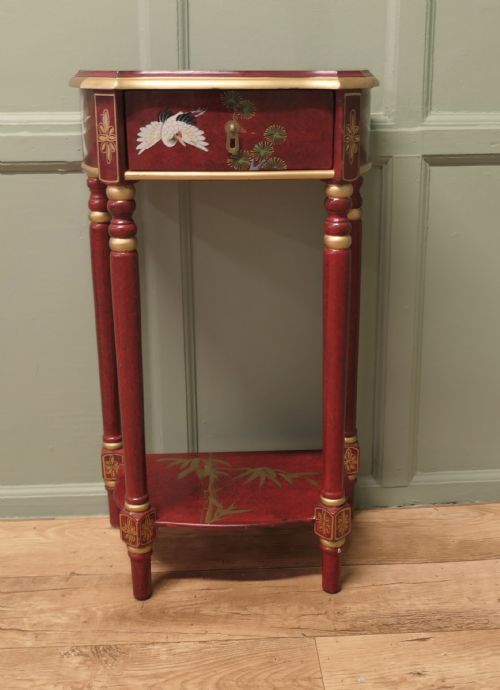
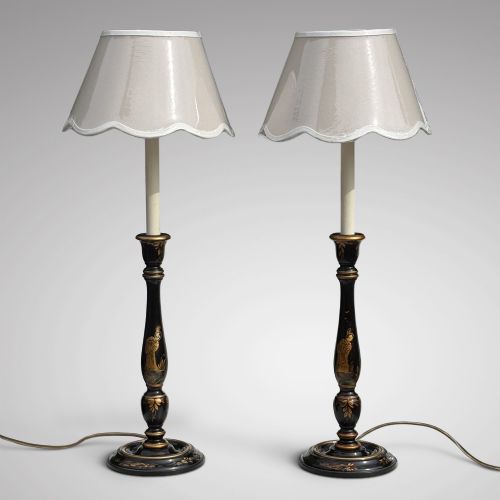
Table lamps dominate the selection, often appearing in matched pairs alongside occasional side cabinets suited for bedside placement.
How they were made
Makers utilised traditional materials such as porcelain, brass, bronze, and lacquered wood, often combining them with silk or fabric shades. Ceramic bodies feature hand-painted glazes including famille verte, famille rose, and blue and white designs.
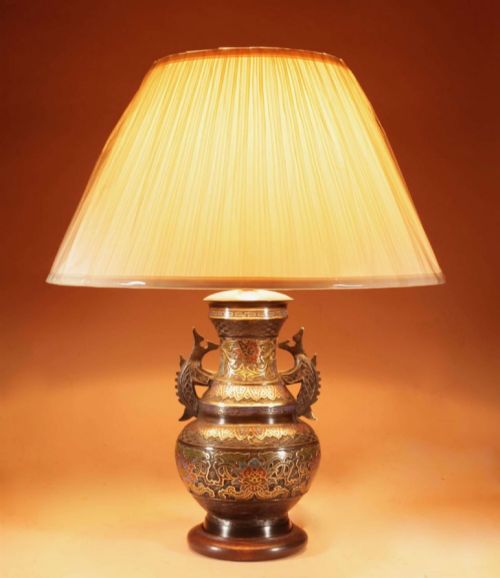
Metalwork incorporates champlevé enamel, patinated white metal, and ormolu mounts to secure porcelain vessels. Wood elements showcase hand-painted chinoiserie decoration and intricate lacquer finishes.
Many lighting conversions adapt earlier nineteenth-century vases or Meiji period bronzes into functional lamps during subsequent decades.
Several fierce Foo dogs stand guard on bedside surfaces, repurposed from temple guardians into domestic lamp bases.
What varies in quality
Quality depends upon the execution of the hand-painted ceramic decoration and the crispness of the bronze or brass casting. Finer pieces demonstrate depth in enamel colours and superior retention of original lacquer work.
The integrity of the original vessel influences overall standing, as conversions of period vases retain more visual strength than later mass-produced items. Matching pairs command greater interest than single lamps due to symmetry on bedside surfaces.
The Oriental Style Bedside Lamps Glossary
- Chinoiserie
- European decorative style inspired by Chinese art and design, popular in furniture and lacquer work. It often depicts whimsical garden scenes and figures.
- Champlevé
- Enamelling technique where troughs are carved into metal and filled with vitreous enamel before firing. This method appears frequently on bronze and brass lamp bases.
- Famille Verte
- Chinese porcelain palette dominated by green enamel hues, developed during the Qing dynasty. These designs frequently adorn nineteenth-century vase lamps.
- Meiji Period
- Japanese historical era spanning from eighteen sixty-eight to nineteen twelve, known for detailed bronzes and Satsuma ceramics. Pieces from this time often show exceptional metalwork skill.
- Satsuma
- Japanese earthenware pottery featuring a crackle glaze decorated with polychrome enamels and gilt. These wares are often mounted as decorative table lamps.
Oriental Style Bedside Lamps: Frequently Asked Questions
Are these lamps converted from old vases?
Many lighting pieces utilise nineteenth-century Chinese vases, ginger jars, or Japanese bronzes adapted for electrical use.
This method preserves historical ceramic and metal objects while providing functional bedside illumination.
How do I identify Meiji period pieces?
Meiji period items originate from late nineteenth or early twentieth-century Japan, often displaying intricate bronze work or crackleware ceramics.
Look for distinctive casting techniques and traditional motifs typical of this historical era.
What is Chinoiserie lacquer?
Chinoiserie lacquer involves applied layers of varnish on wood decorated with painted oriental motifs. Edwardian pieces often use this technique on lamp bodies and small cabinets.
The finish creates a glossy surface showing distinct pictorial scenes.
Do these lamps come in pairs?
The selection includes both individual statement lamps and matched pairs suitable for placing on either side of a bed.
Pairs often feature symmetrical ceramic vases or balanced bronze castings.