




Oriental Stone Sculpture
These oriental stone sculpture pieces bring ancient minerals and hand-carved deities into modern rooms with weight and presence.
Oriental Stone Sculpture
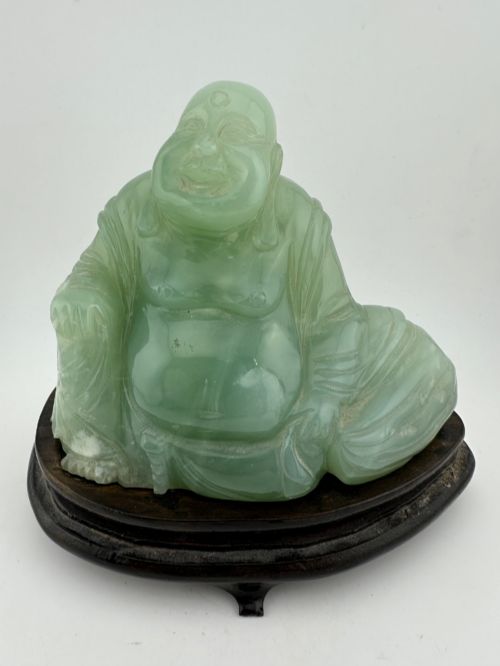
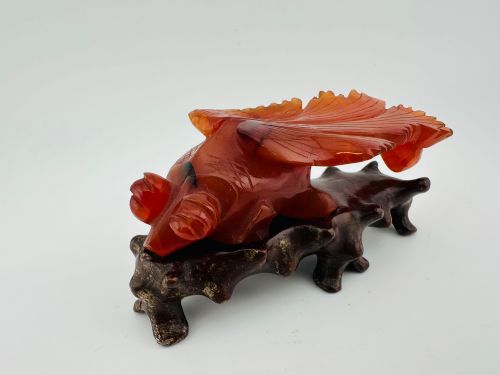
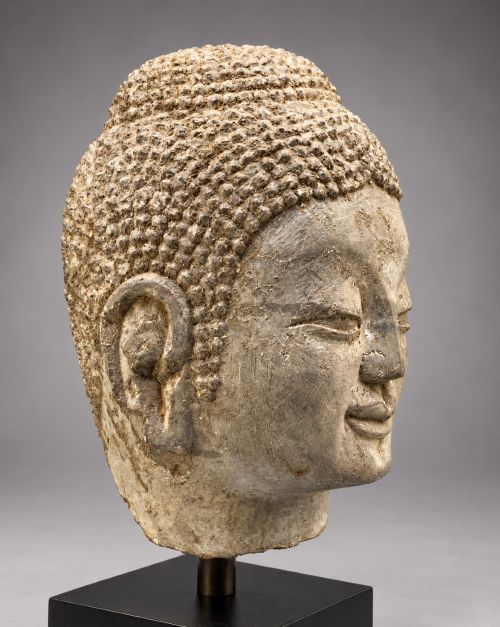
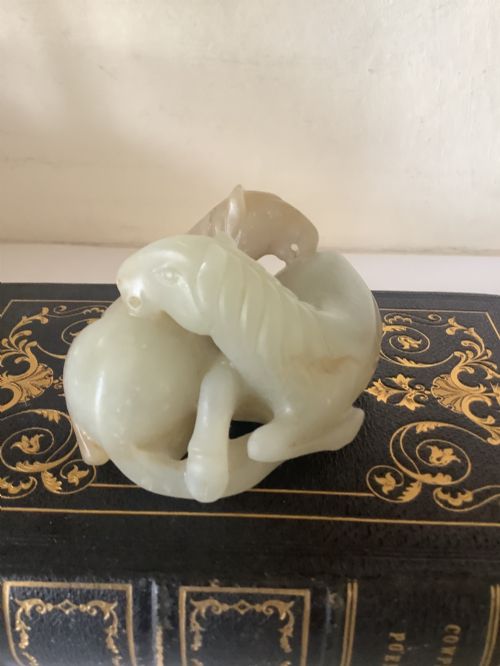
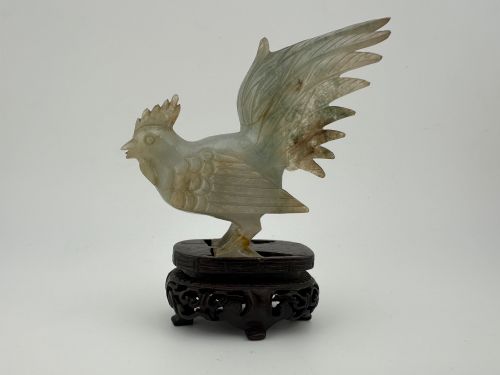
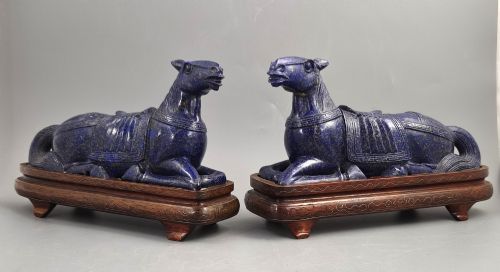
An oriental stone sculpture brings together centuries of carving traditions, ranging from early sandstone and limestone temple fragments to intricate Qing dynasty soapstone and jade figures. When browsing this selection, buyers encounter everything from monumental Buddha heads and guardian lions to delicate scholar’s desk carvings of animals and landscape groups.
How They Were Made
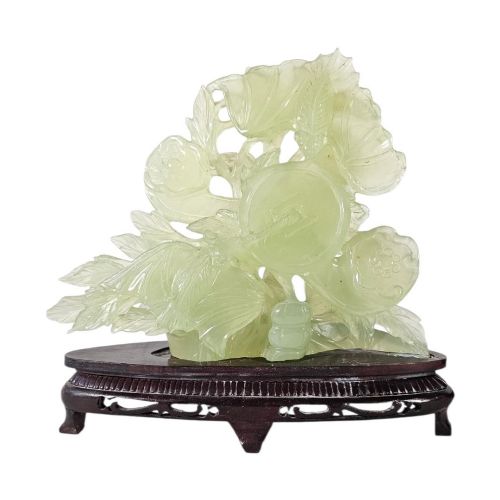
Carvers shaped these works using mineral materials such as soapstone, jadeite, bowenite serpentine, quartz, and marble, often selecting stones with natural colour variations to highlight details in drapery or foliage. Hardstone and softer stones alike required meticulous hand-chiseled and polished techniques.
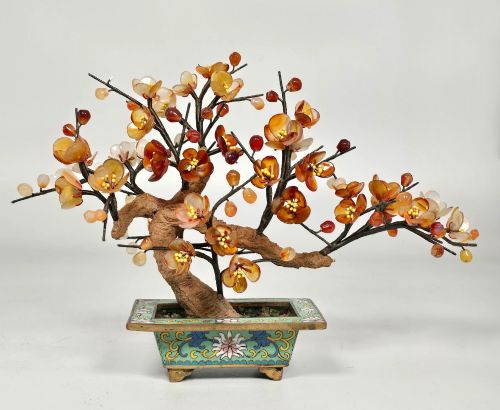
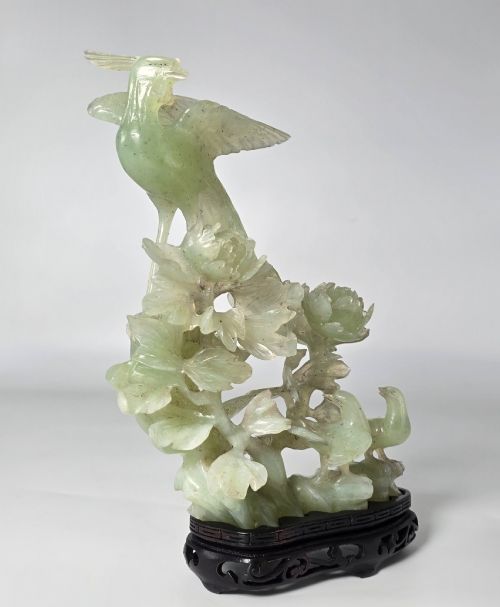
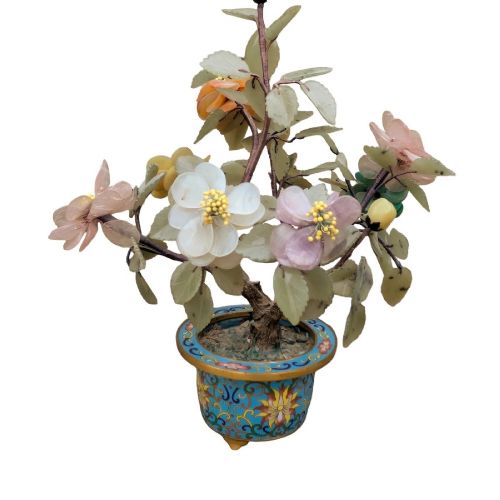
Many sculptures incorporate supplementary elements, pairing carved hardstone blossoms with cloisonne branches in jardiniere arrangements or mounting jade and quartz tableaus upon custom hardwood stands.
Oriental Stone Sculpture Retail Price Guide 2026
Typical asking prices for oriental stone sculpture among the pieces listed under this phrase on Sellingantiques today, from the lower quarter to the upper quarter. They describe what is for sale here now, not the wider market.
Listings feature mineral varieties including soapstone, jade, bowenite serpentine, quartz, and marble across nineteenth-century and earlier eras.
What Varies in Quality
Quality rests upon the depth of the carving, the crispness of the relief work, and the natural grain or translucency of the chosen mineral. Superior pieces display anatomical balance and controlled detail in complex subjects such as figures, animals, or mountainous landscapes.
The relationship between the sculpture and its support structure also dictates standard, as integrated or matched hardwood stands and well-preserved secondary materials like cloisonne elevate the integrity of the overall object.
The Oriental Stone Sculpture Glossary
- Hardstone
- An umbrella term for semi-precious stones harder than ordinary building stone, utilised for detailed miniatures and decorative trees. Jade and quartz fall within this category.
- Jardiniere
- A decorative pot or container holding botanical arrangements, often paired in these listings with carved hardstone bonsai trees. They rest upon tabletops as interior ornaments.
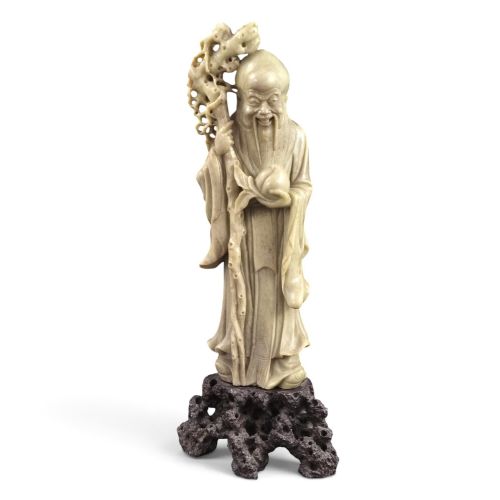
- Shoulao
- The Taoist god of longevity, frequently depicted in carved soapstone with an elongated forehead and a staff. He represents a common subject in nineteenth-century Asian art.
- Cloisonne
- An enamelling technique where metal wire forms compartments on a base, filled with coloured paste and fired. It often frames hardstone botanical sculptures.
Oriental Stone Sculpture: Frequently Asked Questions
How do I clean an antique stone sculpture?
Dust the surface gently with a soft, dry brush to prevent dirt accumulation in intricate crevices. Avoid liquid cleaners or chemical polishes, particularly on softer minerals like soapstone.
Moisture can penetrate porous stones or damage old pigment and gold leaf traces. Keep pieces away from direct sunlight and damp environments to preserve the material stability.
What is the difference between jade and soapstone?
Jade is an extremely hard, dense mineral that resists scratching and possesses a cool, oily lustre. It requires specialised cutting tools and extensive labour to shape.
Soapstone is much softer, yielding easily to hand tools and displaying a matte or waxy finish. Sculptors utilise soapstone for intricate undercut details and scholar's objects.
Are these sculptures meant for indoor display?
These pieces function primarily as interior decorative objects and tabletop sculptures. Their delicate carved elements and fitted hardwood stands suit climate-controlled rooms.
Exposing ancient marble, sandstone, or jade to outdoor weathering risks surface erosion and structural damage. Placement inside protects both the stone and any accompanying wooden components.
How are periods like Qing dynasty identified?
Makers and carvers expressed dynastic styles through specific costume details, facial proportions, and tool marks characteristic of specific eras. Qing dynasty pieces often feature dynamic drapery and rich surface patination.
Comparison with documented temple fragments and scholarly objects helps anchor pieces within broader historical timelines. Material testing and stylistic analysis further refine age attribution.