


Oriental Standing Lamp
An oriental standing lamp brings character and illumination to a room, drawing on traditions from the nineteenth century onward.
Oriental Standing Lamp
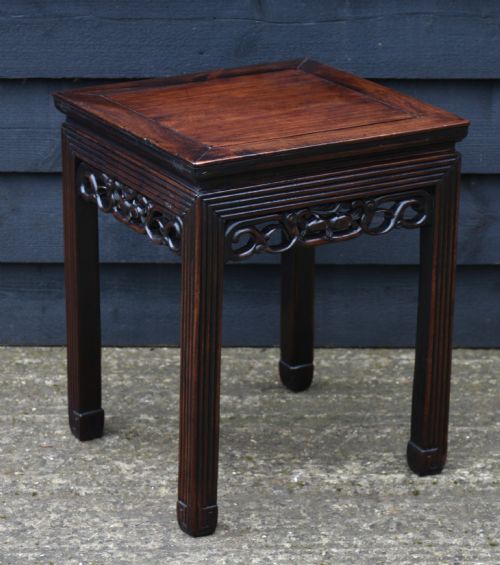
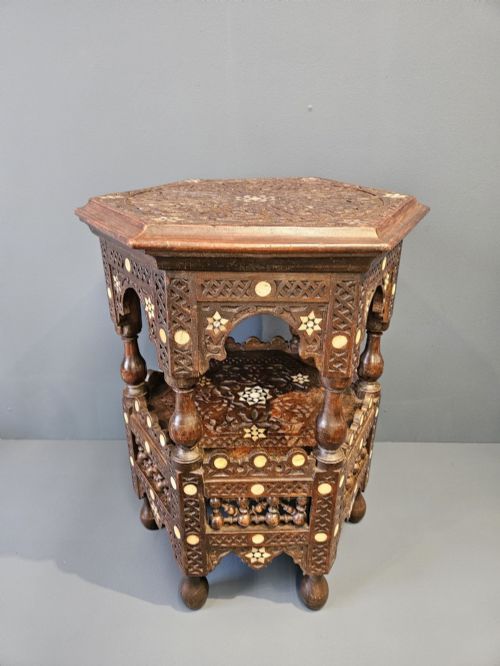
When you search for an oriental standing lamp, you encounter tall lighting fixtures alongside low tables and plant stands adapted for domestic interiors. The pieces appearing here span from the Victorian and Edwardian eras into the early twentieth century, reflecting diverse regional aesthetics.
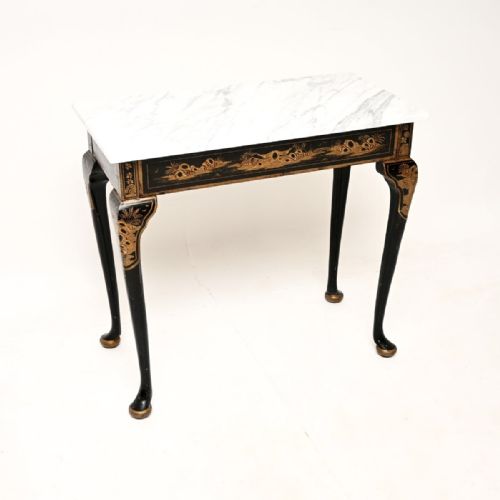
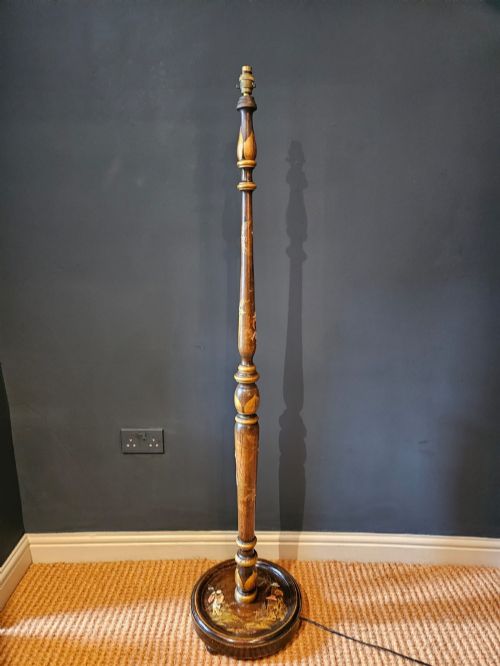
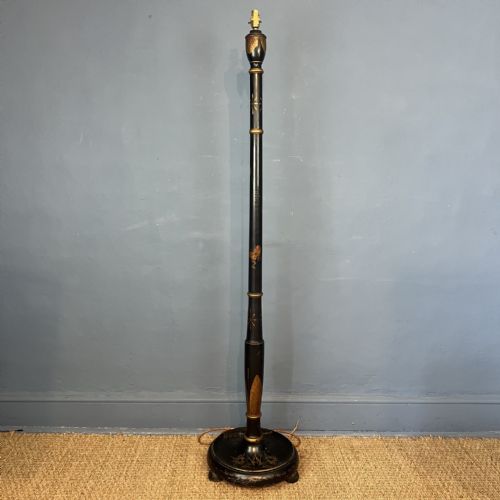
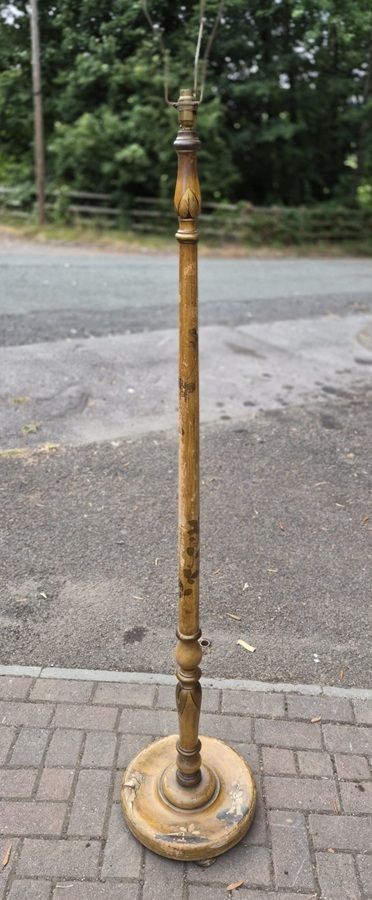
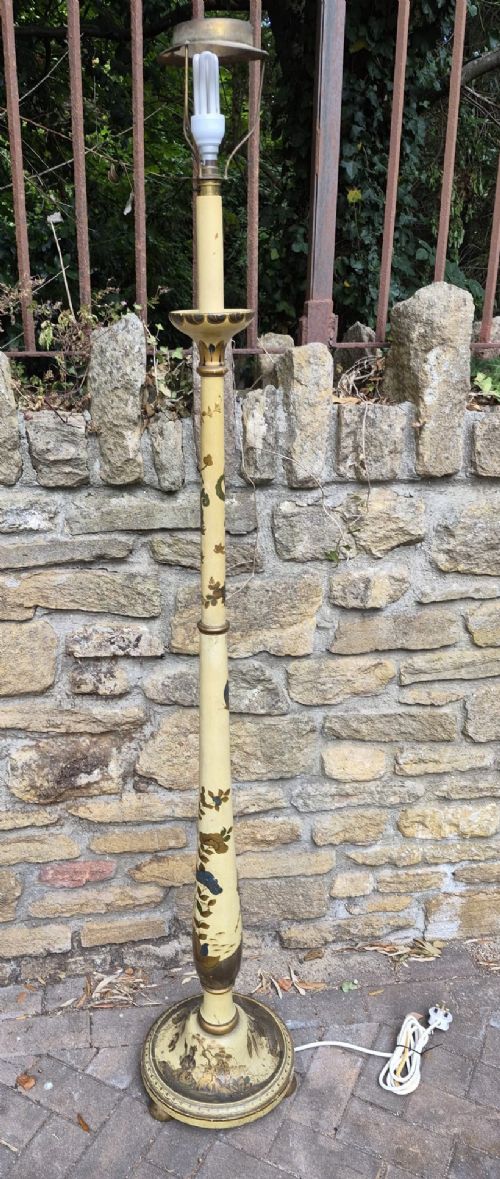
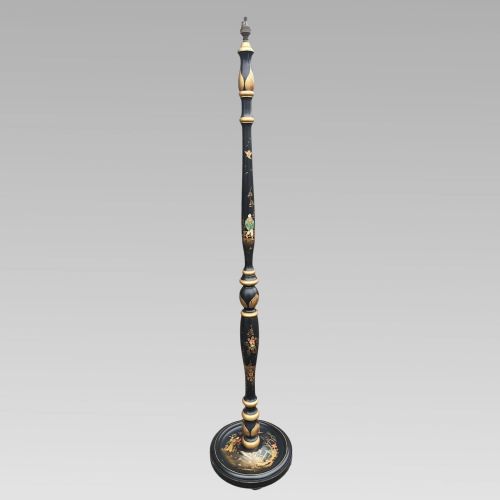
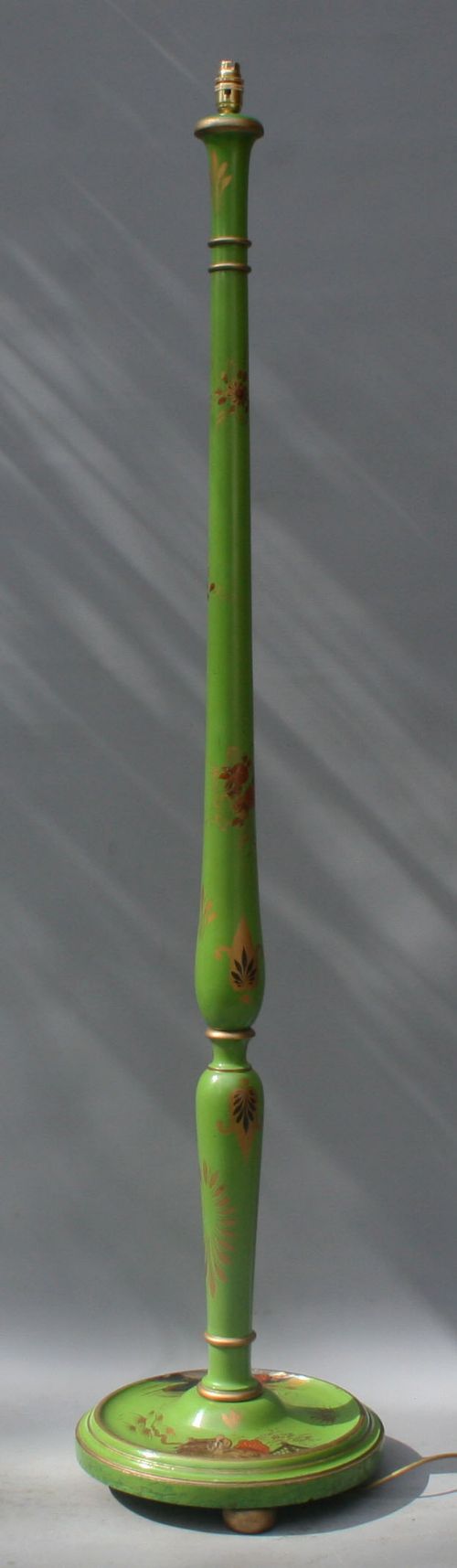
Chinoiserie and Chinese Export designs dominate the selection, often taking the form of standard lamps or lantern stands. Alongside these, you find Anglo-Indian, Moorish, and Japanese influences shaping the vertical timber and metal structures.
How they were made
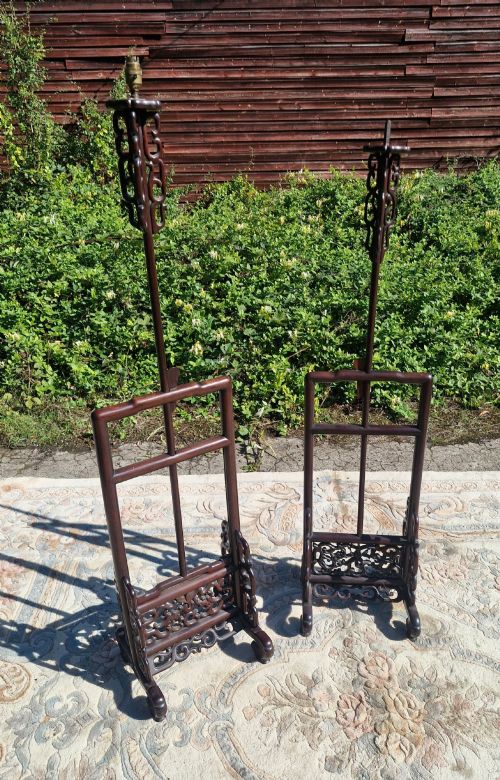
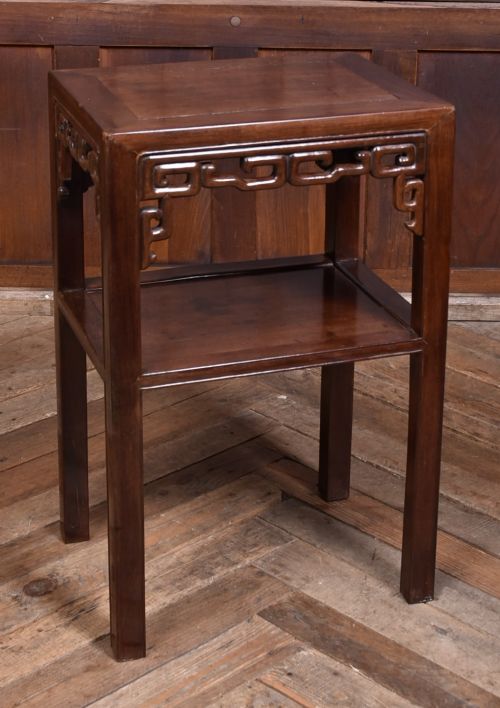
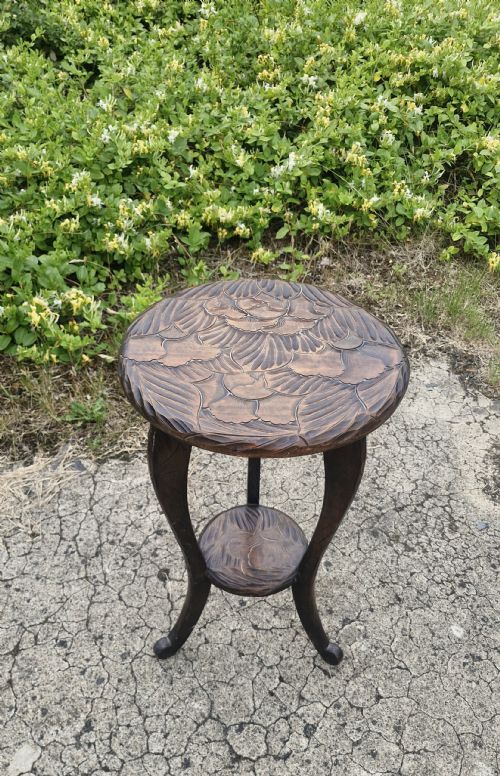
Craftsmen utilised dense timbers such as rosewood, teak, padauk, and huali hardwood, often hand-carving intricate dragon motifs and floral details into the frames. Lacquer work in black or red applied over wood provides a smooth, decorative surface typical of Chinoiserie pieces.
A nineteenth-century Tibetan ceremonial copper horn found a second life converted into a standard lamp.
What varies in quality
The distinction between standard examples and the finest items lies in the depth and clarity of the hand-carving on the hardwood frames. Superior pieces display crisp definition in dragon motifs and foliage, whereas simpler versions rely on painted decoration alone.
Materials dictate the upper tier of the range, with dense rosewood and heavy marble tops showing greater solidity than softer woods or simpler lacquered finishes. The integrity of the original joints and the stability of tall standards also mark out better construction.
Liberty's
The Oriental Standing Lamp Glossary
- Chinoiserie
- European imitation or evocation of Chinese artistic traditions, popular in furniture and decorative arts during the Victorian and Edwardian periods. It frequently employs black or coloured lacquer and painted motifs.
- Huali
- A fragrant and durable Chinese hardwood prized for its dense grain and used in traditional furniture making. Pieces utilising this material often date from the Qing Dynasty.
- Standard lamp
- A tall floor-standing lighting fixture designed to hold a shade and bulb. These pieces can be constructed from carved hardwood, brass, or lacquered timber.
- Jardiniere stand
- A tall decorative stand designed to support a plant pot or bowl. They appear in hardwood and marble configurations alongside lamp tables.
- Qing Dynasty
- The final imperial dynasty of China, spanning from the seventeenth to the early twentieth century. Items from this period are noted for intricate carving and traditional joinery.
Oriental Standing Lamp: Frequently Asked Questions
What is an oriental standing lamp?
An oriental standing lamp is a tall lighting fixture or standard lamp informed by Asian decorative traditions, often featuring hand-carved timber or lacquered finishes.
These pieces typically date from the nineteenth or early twentieth century and serve as functional illumination with strong decorative presence.
How do I identify a Chinoiserie standard lamp?
Chinoiserie standard lamps are identified by their lacquered surfaces, painted oriental motifs, and stylistic nods to Chinese design executed in European workshops.
They frequently appear in black or red lacquer, sometimes paired with carved wooden details inspired by traditional Asian forms.
Where were these lamps placed in a home?
These lamps were positioned in principal reception rooms and libraries to provide ambient corner lighting or to highlight specific furniture groupings.
Their vertical presence made them suitable for placing beside occasional tables or seating areas during the Victorian and Edwardian eras.
What materials were used for these lamps?
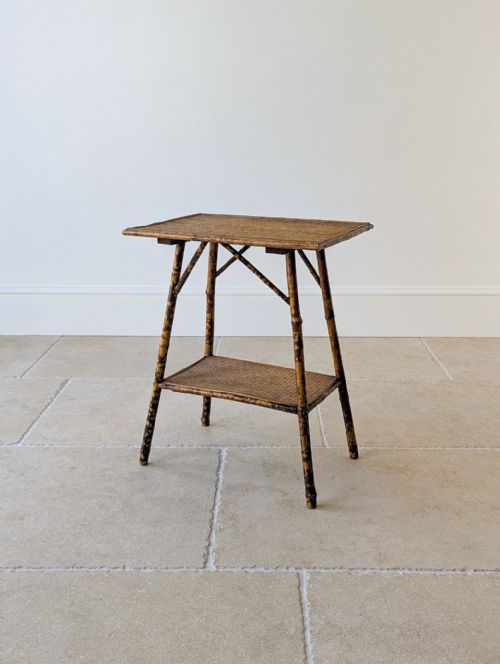
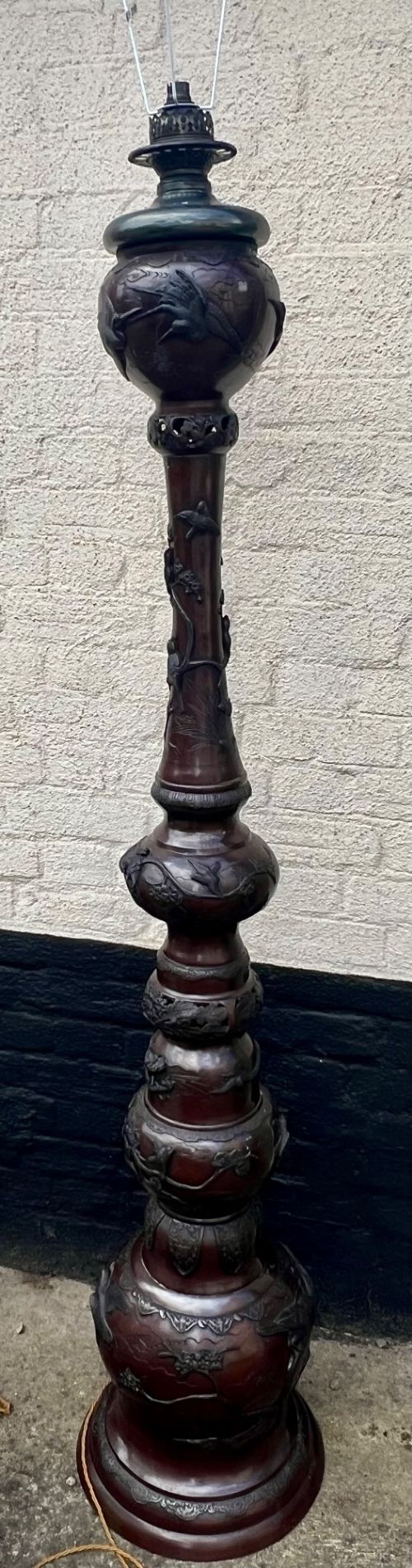
Construction materials include hardwoods like rosewood, padauk, and teak, alongside brass, bronze, and bamboo.
Many examples incorporate lacquered finishes, painted details, and marble top surfaces to add weight and textural contrast.