
Oriental Red Vases
Oriental red vases encompass centuries of Japanese, Chinese and Persian ceramic, cloisonné and lacquer work valued for deep iron-red pigment and intricate decorative panels.
Oriental Red Vases
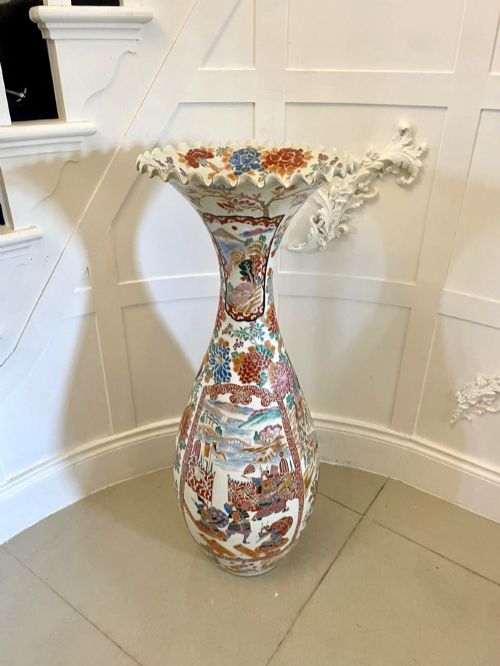
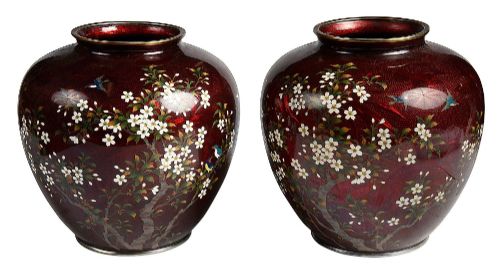
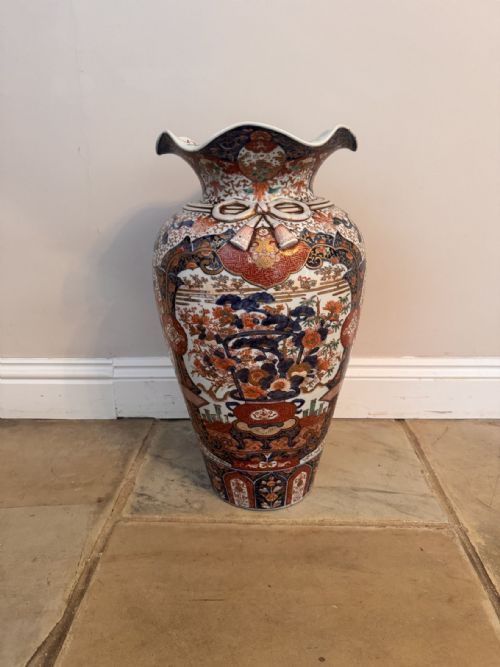
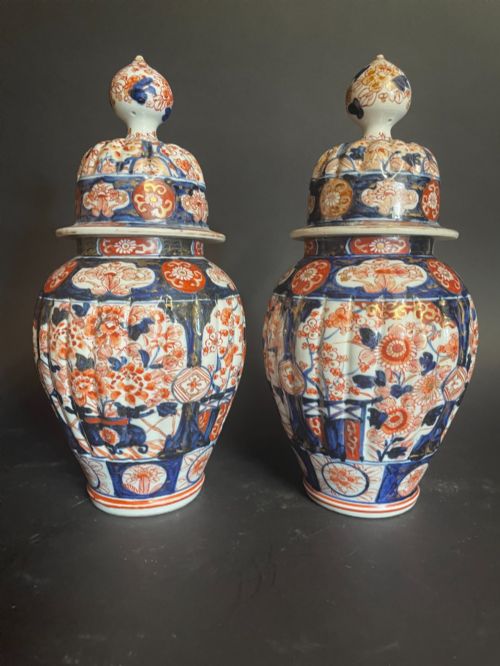
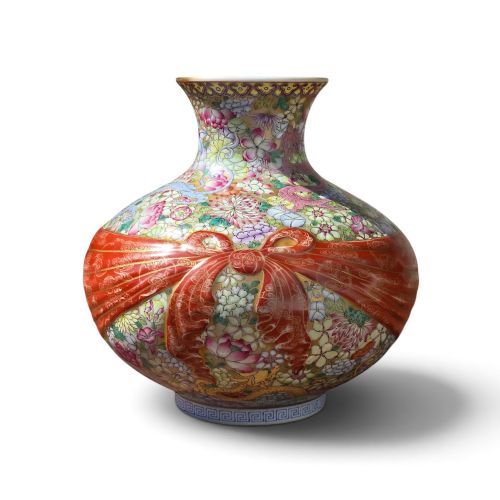
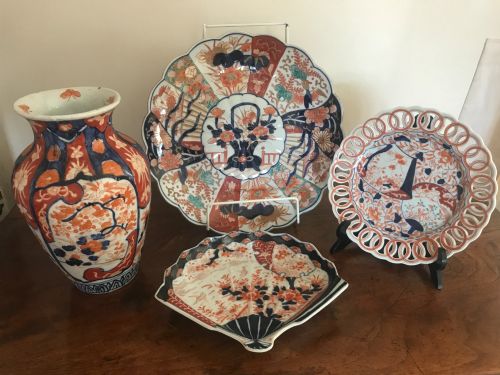
Buyers meet Japanese Imari pieces most frequently on this page, alongside Meiji period cloisonné enamel and Kutani porcelain. These vessels often incorporate rich gilding and copper-red glazes across diverse domestic and ritual forms.
The inventory extends across Qing Dynasty works and Taisho period ceramics, reflecting production centres from Arita to workshops of the late nineteenth century. Each object displays distinct regional glazing traditions and ornamentations.
Materials and construction methods
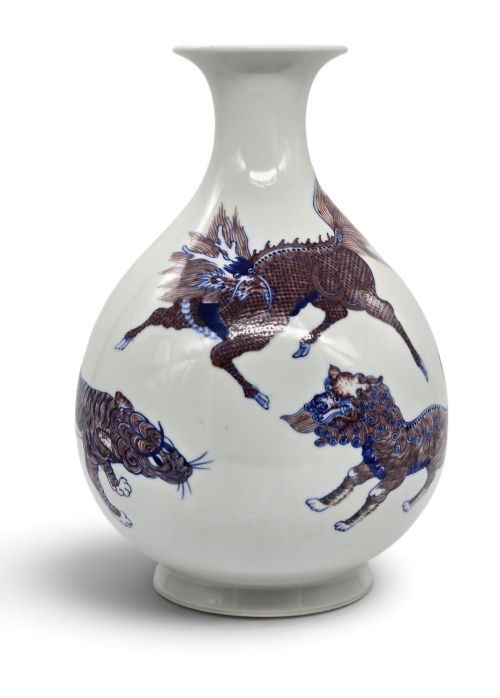
Makers utilised high-fired porcelain, earthenware and red clay bodies as foundations for elaborate underglaze painting and enamel decoration. Artisans applied copper-red glazes, iron-red pigments, and gold leaf highlights to achieve contrasting surface textures.
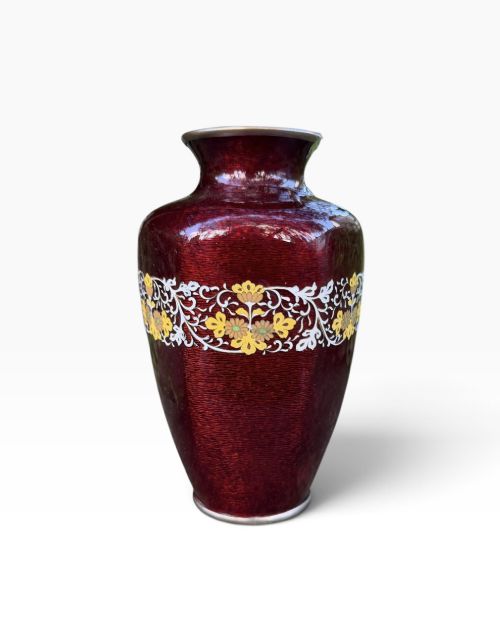
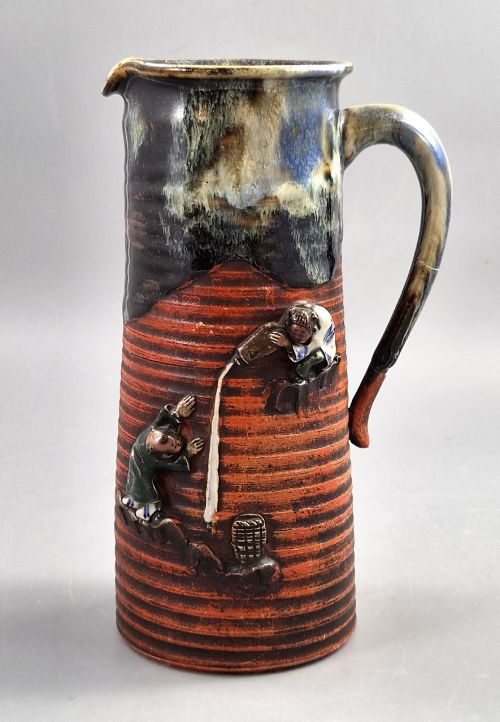
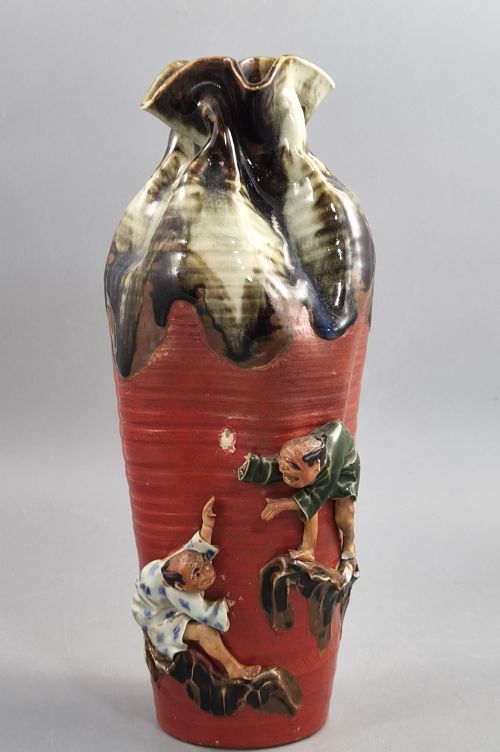
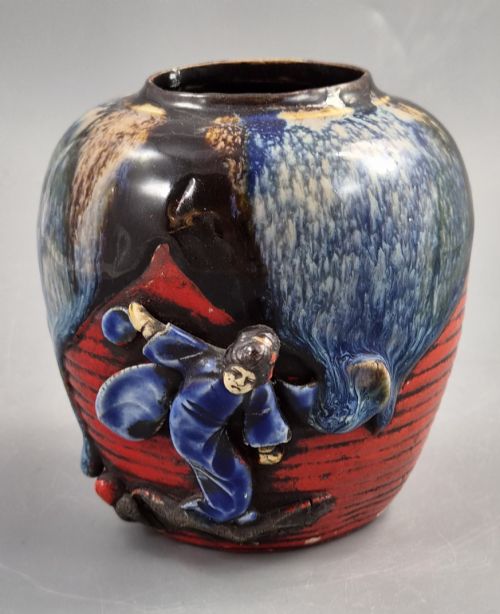
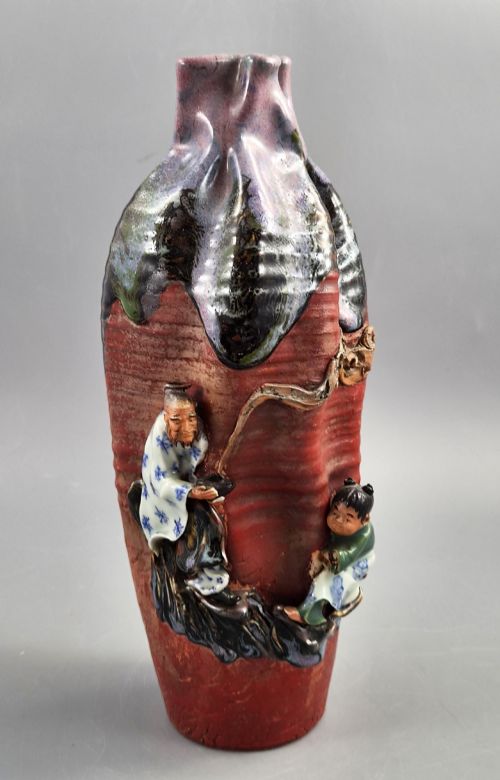
Cloisonné pieces rely on delicate silver wire compartments soldered to metal bases, filled with coloured enamels and fired multiple times. Sumida Gawa pottery integrates applied sculptural figures and flambe glazes directly onto pinched clay bodies.
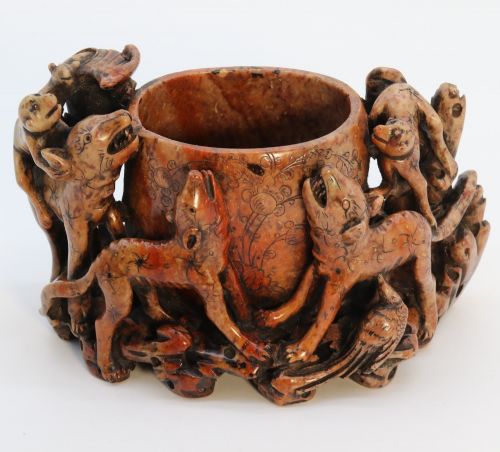
Listings feature ceramics and works in porcelain, earthenware, enamel, and carved cinnabar lacquer.
Distinctions in craftsmanship
Quality separates through the precision of the hand-painting, the complexity of the applied sculptural elements, and the depth of the glaze firing. Superior examples demonstrate meticulous brushwork in iron-red and gold, alongside crisp definition in cloisonne wirework.
The harmony between form and decorative surface dictates the standing of each piece, where balanced proportions and undamaged enamel surfaces elevate the work. Lesser examples exhibit simplified glaze effects and less refined potting.
Inoue Ryosai·Ando Jubei
The Oriental Red Vases Glossary
- Imari
- A style of Japanese export porcelain characterised by underglaze blue, iron-red, and gold ornament. These wares originated in Arita and gained immense popularity across Europe.
- Cloisonne
- An ancient technique for decorating metal vessel surfaces using wire compartments filled with enamel paste. Artisans fire the piece repeatedly to fuse the glass paste to the metal body.
- Flambe glaze
- A streaked or mottled ceramic glaze produced by chemical reduction during high-temperature firing. The technique creates unpredictable pools of lavender, blue, and red.
- Kutani
- Japanese porcelain known for bold polychrome enamel designs and rich red colourways. Production spans the Meiji period and earlier nineteenth-century workshops.
- Sumida Gawa
- Japanese art pottery featuring heavy, uneven glazes and distinct applied figures in high relief. These pieces often bear artist signatures from the Meiji and Taisho eras.
Oriental Red Vases: Frequently Asked Questions
What distinguishes Japanese Imari from Kutani vases?
Imari porcelain typically combines underglaze cobalt blue with vibrant iron-red and gold highlights arranged in intricate geometric and floral panels. Kutani wares tend to employ bolder, pictorial enamel palettes dominated by reds and greens on sturdy porcelain bodies.
Both traditions developed during the Meiji period and earlier, but their distinct surface painting methods allow collectors to separate the regional workshops quite readily.
How are Sumida Gawa vases recognised?
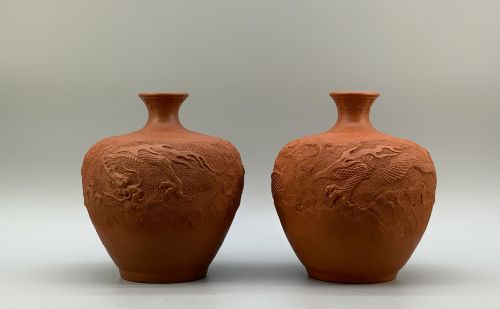
Sumida Gawa pieces stand apart through their heavily textured flambe glazes and distinct sculptural figures climbing across the exterior walls. Makers pinched the rims and applied modelled clay figures in high relief directly onto the earthenware body.
These expressive works often feature artist signatures and originate from the late Meiji through to the Taisho eras.
What periods do these red vases date from?
The listings span the nineteenth and early twentieth centuries, encompassing the late Qing Dynasty in China and the Meiji and Taisho periods in Japan. Production dates stretch from the 1860s through to the 1930s.
This broad timeline captures both traditional export wares and the emergence of Japanese art pottery.
How do cloisonne and enamel vases differ?
Cloisonne vases use fine metal wires soldered to a metal base to form cells that hold coloured enamel pastes before firing. Standard enamel pieces may apply decorative pigments directly to the metal or porcelain surface without wire partitions.
Both techniques achieve rich red colourways, particularly through silver wire ginbari enamels produced during the Meiji period.