




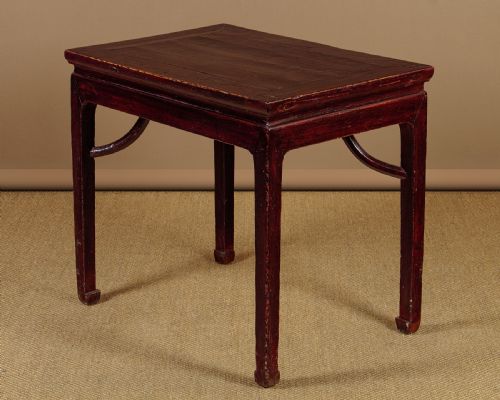


Oriental Red Side Table
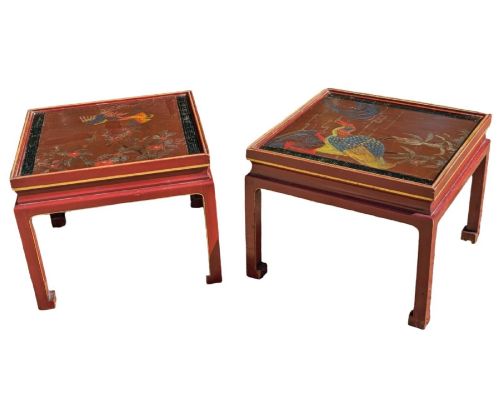
An oriental red side table brings striking vermilion colour and historic Asian craftsmanship directly into a room.
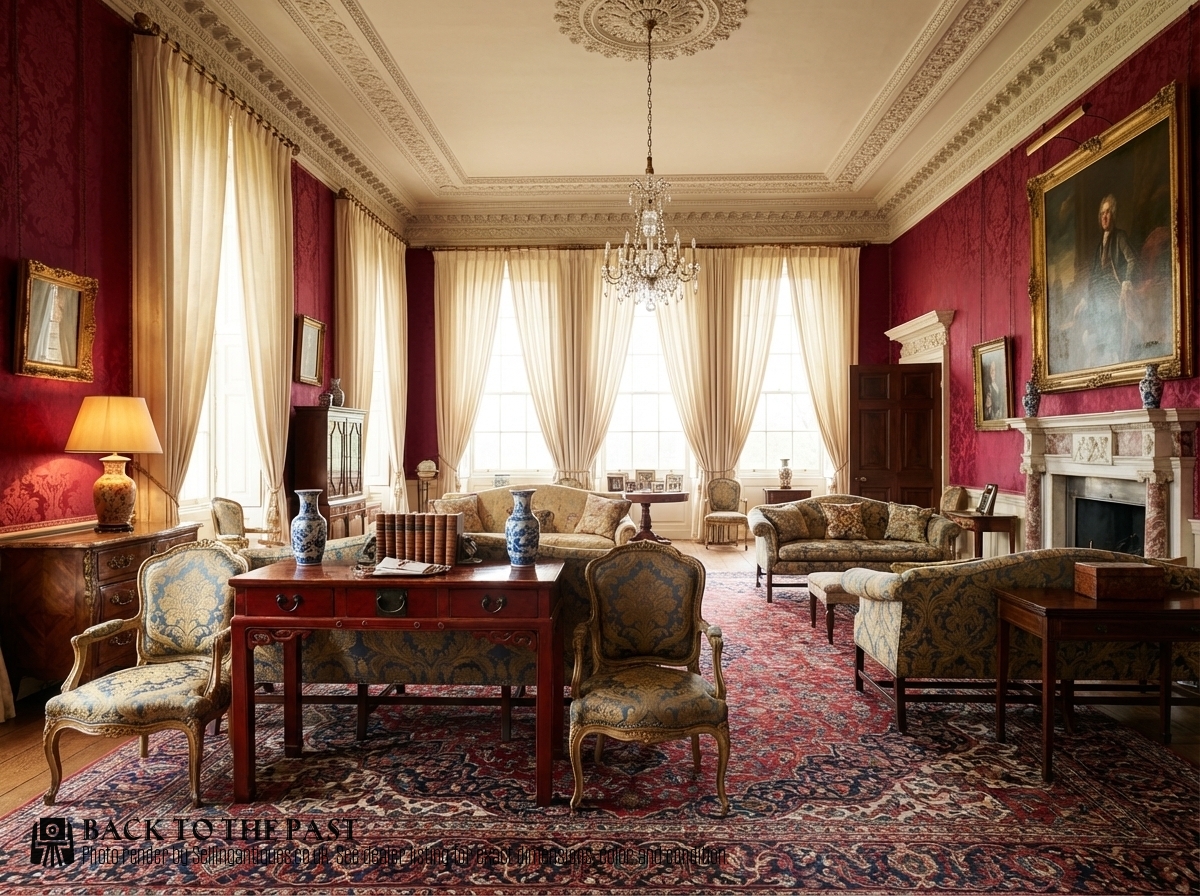
Oriental Red Side Table
When you search for an oriental red side table, you encounter low occasional pieces, altar tables, and half tables spanning from the eighteenth century to the early twentieth century. These furnishings originate primarily from Chinese regional and Qing Dynasty workshops, alongside Japanese Meiji examples and English Chinoiserie interpretations.
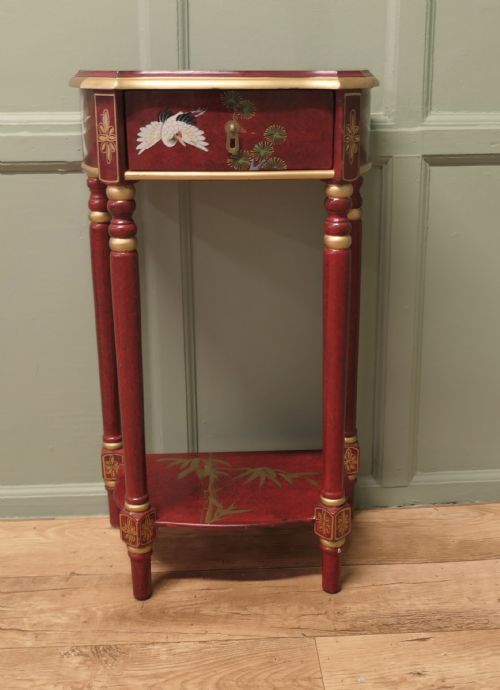
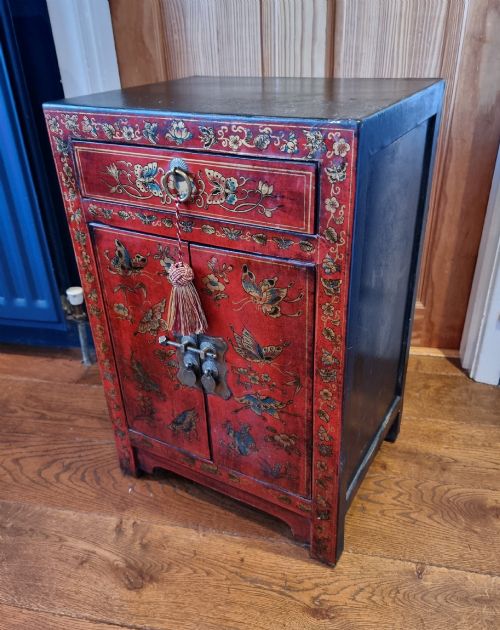
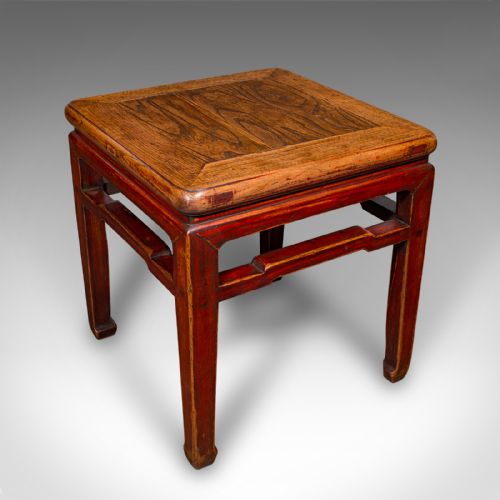
The version you are most likely to meet on this page is a nineteenth-century lacquered wood side table or low table finished in rich red tones. They appear alongside related forms like plant stands, writing desks, and small cabinets sharing the same distinctive palette.
How they were made
Makers constructed these tables using hardwoods such as elm and rosewood, as well as bamboo and general wood substrates prepared for surface decoration. Joinery techniques varied from traditional regional framing to bamboo assembly.
Surfaces received multiple applications of red lacquer, often complemented by hand-painted Chinoiserie decoration or carved cinnabar details. Certain pieces incorporated inset marble tops or brass fittings to complete the design.
Several tables here spent their earlier decades holding heavy porcelain vases before transitioning to modern life as lamp stands.
What varies in quality
The standard of an oriental red side table rests on the depth and execution of the lacquer work and the integrity of the underlying timber frame. Superior examples demonstrate skilled carving, refined painted details, and stable, well-joined construction.
A lower grade typically shows simpler surface finishes with heavier wear to the lacquer and less articulate joinery. The distinction lies in the fidelity of the period style and the finesse applied to the decorative panels.
The Oriental Red Side Table Glossary
- Lacquer
- A durable finish derived from tree sap, applied in numerous coats to wood surfaces and traditionally polished to a smooth sheen. It creates the characteristic glossy red coating seen on these tables.
- Chinoiserie
- European decorative style imitating Chinese artistic traditions, popular in English furniture production. This aesthetic appears on decorated side cabinets and tables.
- Altar table
- A traditional Chinese form featuring an elongated rectangular top, often with upturned ends, adapted into domestic side tables. These pieces provide significant decorative presence.
- Cinnabar
- A bright scarlet mineral pigment used to create carved lacquer surfaces on Asian decorative arts. It yields deep relief patterns in red lacquer pieces.
- Demilune
- A half-moon shape used for console and side tables designed to stand flat against a wall. Pairs of these tables appear frequently in red lacquer.
- Jardiniere stand
- A tall, slender support designed to hold plants or decorative vessels, sharing materials with low side tables. They utilise rosewood, marble, and lacquer.
Oriental Red Side Table: Frequently Asked Questions
How do I identify a Qing Dynasty piece?
Qing Dynasty and related nineteenth-century pieces display traditional joinery, authentic regional timbers like elm or rosewood, and hand-applied lacquer surfaces. Details often reference earlier Kangxi period designs.
Examine the underside and interior construction for signs of age, tool marks, and natural wear within the wood and lacquer layers.
What is the difference between Chinoiserie and Chinese export?
Chinoiserie describes European-made furniture decorated in a European interpretation of Chinese styles, whereas Chinese export pieces were manufactured in Asia for Western markets.
Listings include both English Chinoiserie decorated cabinets and genuine nineteenth-century Chinese lacquer tables produced for international trade.
How do I care for a lacquered wood surface?
Dust the surface regularly with a soft, dry cloth and avoid placing the table in direct sunlight or near heat sources. Moisture and extreme temperature fluctuations can damage aged lacquer.
Do not use harsh chemical polishes or abrasive cleaners, as these will compromise the historic finish of the red lacquer.