




Oriental Pottery Vases Pair
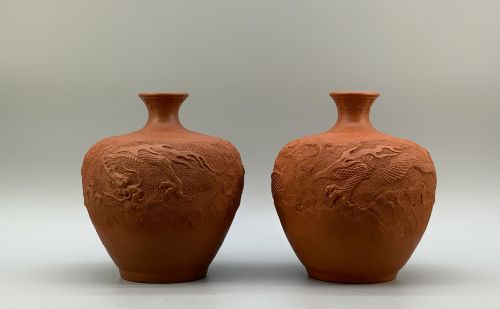
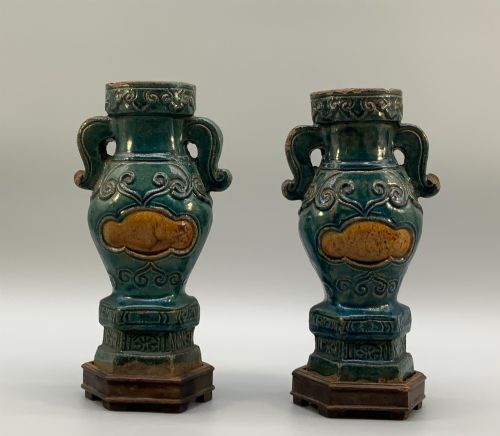
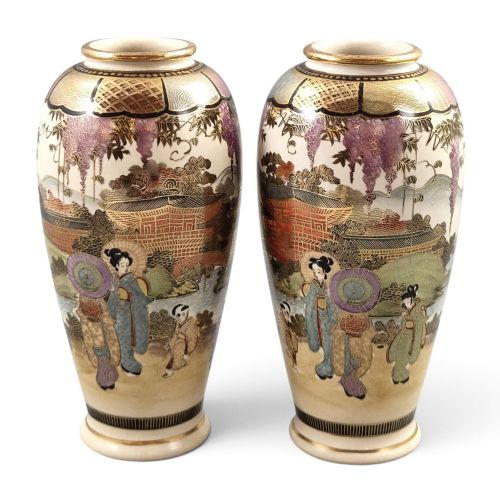
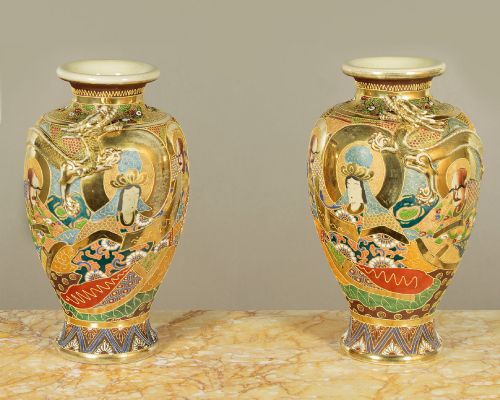
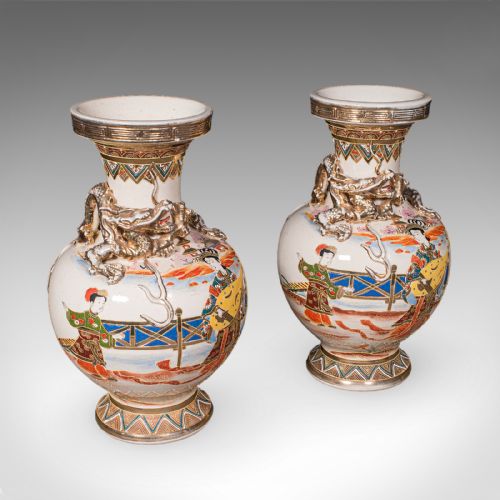
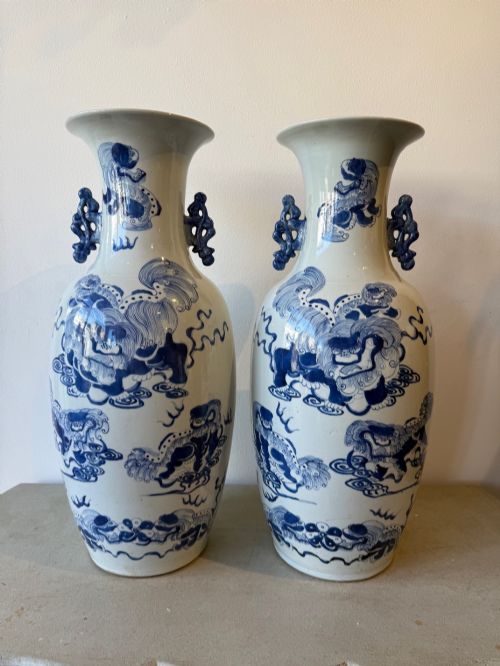
Oriental pottery vases pair selections bring balanced symmetry to a room, offering matched ceramic vessels from Japanese and Chinese traditions.
Oriental Pottery Vases Pair
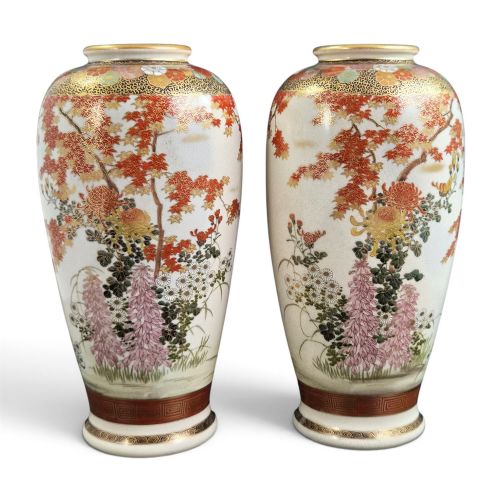
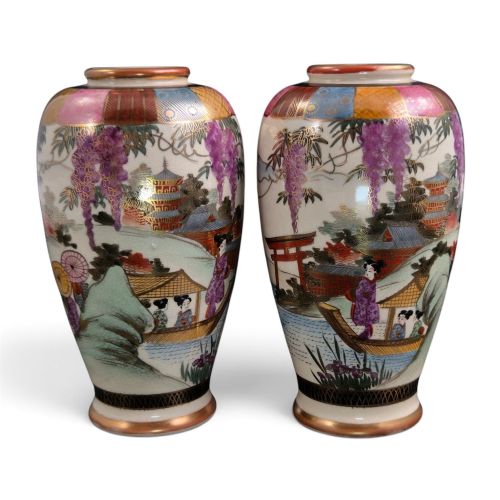
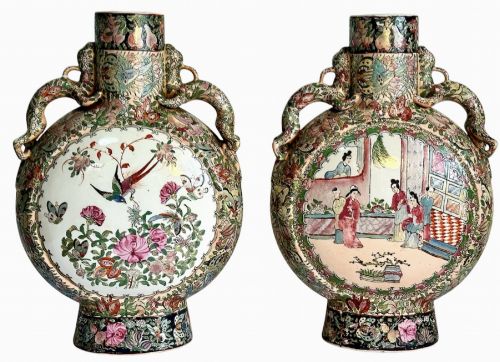
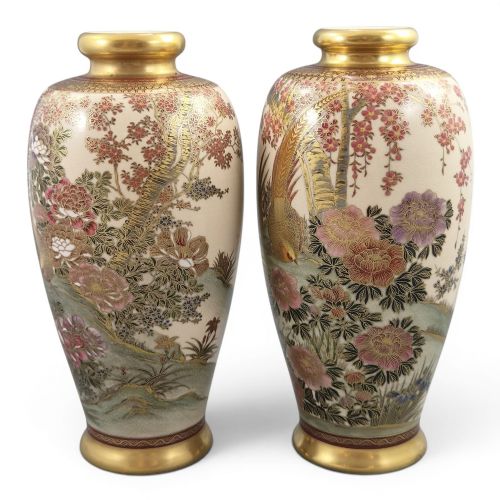
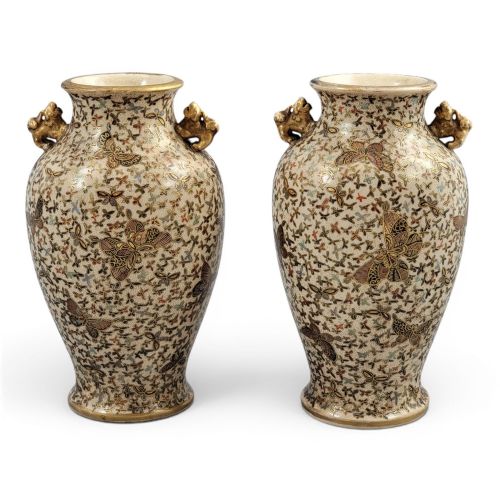
An oriental pottery vases pair consists of two matched ceramic vessels designed to sit in symmetrical harmony on a mantelpiece, sideboard or table. Buyers seeking an oriental pottery vases pair will most frequently encounter Japanese Satsuma earthenware alongside Chinese porcelain and Imari wares dating from the nineteenth and early twentieth centuries.
The selection ranges from small decorative baluster shapes and moon flasks to imposing floor-standing examples and table lamps adapted for modern utility. These matched pairs demonstrate the historical export output aimed at Western interiors during the late Victorian, Edwardian and Meiji periods.
Materials and construction methods
Potters shaped these vessels from regional clays, earthenware and porcelain bodies before applying intricate hand-painted enamel designs and underglaze blue pigments. Many pieces incorporate raised moriage decoration and lavish applications of gold leaf and gilt work to accent figures and floral panels.
Kiln techniques varied from high-fired Chinese celadon and tea dust glazes to the characteristic crackle-glazed earthenware of Japanese Satsuma workshops. Artisans frequently signed their pieces on the base, documenting the studio or maker responsible for the ceramic body and surface painting.
Object forms on this page span standard decorative vases, monumental floor vessels, moon flasks, and table lamps.
Distinctions in quality and execution
Quality rests upon the precision of the hand-painted detail and the density of the gilding across both vessels in the pair. Pieces originating from named Kyoto workshops or major exhibitions display finer facial expressions on figural scenes and more complex botanical compositions.
The degree of symmetry between the two individual vases and the preservation of the delicate enamel surfaces dictate the standing of a pair. Stronger examples maintain crisp outlines and intact gold leaf without heavy rubbing from historical handling or cleaning.
Maruni Kobe·Shozan·Manpei·Kinkōzan·Kinzan·Hakusan·Hododa·Tashiro
The Oriental Pottery Vases Pair Glossary
- Satsuma
- A type of Japanese earthenware featuring a pale, ivory-coloured crackle glaze that serves as a canvas for detailed polychrome and gilt enamel painting. It originated in Satsuma Province and later saw major production in Kyoto.
- Imari
- A style of Japanese export porcelain characterised by a distinct palette of underglaze blue, iron red and supplementary gold leaf. These wares were widely exported to Europe from the port of Imari.
- Moriage
- A decorative ceramic technique using piped clay slip to build up raised dots, borders and floral reliefs before glazing and firing. This method adds a tactile, three-dimensional texture to the surface.
- Baluster
- A vase form featuring a rounded body that tapers toward a narrow neck and a flared rim, resembling the profile of an architectural baluster. This shape provides a stable and balanced silhouette for painted panels.
- Rakan
- The Japanese term for arhats or enlightened disciples of Buddha, frequently depicted in groupings on figurative pottery and ceramic panels. They appear with distinct robes, expressions and attendants.
- Moon Flask
- A flattened circular flask form featuring a narrow neck and small loop handles, often supported on a low rectangular base. This traditional shape provides two broad circular surfaces for pictorial decoration.
Oriental Pottery Vases Pair: Frequently Asked Questions
How should I display a pair of vases?
Matched pairs look best when placed symmetrically on either side of a fireplace, centred on a large sideboard or positioned on sturdy console tables to balance a room.
Ensure they are placed away from high-traffic walkways where accidental knocks might damage the delicate enamel and gilt surfaces.
Are these vases watertight?
Many antique earthenware and Satsuma pieces are porous or have historical hairline cracks, meaning they are intended strictly for decorative display rather than holding water.
If you wish to use them for fresh flowers, insert a small glass or plastic vessel inside rather than filling the ceramic body directly.
How do I distinguish Satsuma from porcelain?
Satsuma wares are made from an earthenware body covered in a fine, characteristic crackle glaze that feels slightly warm and opaque compared to hard-paste porcelain.
Porcelain pieces, such as Chinese blue and white or Imari, possess a denser, vitrified body that rings slightly when tapped and does not display surface crazing.
Can converted table lamps be restored?
Table lamps created from antique vases often retain their original ceramic bodies intact, with electrical fittings mounted via non-destructive brass mounts or drilled bases.
A qualified electrician can easily update the wiring and shades to meet modern safety standards without altering the antique pottery.