


Oriental Polychrome Enamel Dish
An oriental polychrome enamel dish brings vibrant hand-painted colour and intricate historical detail to any room.
Oriental Polychrome Enamel Dish
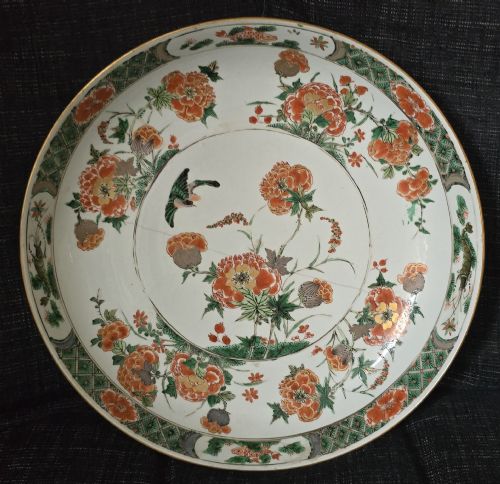
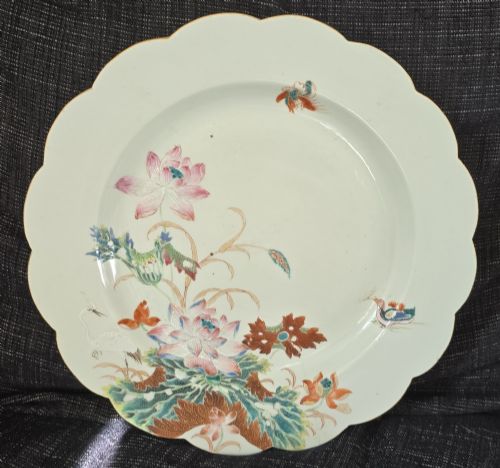
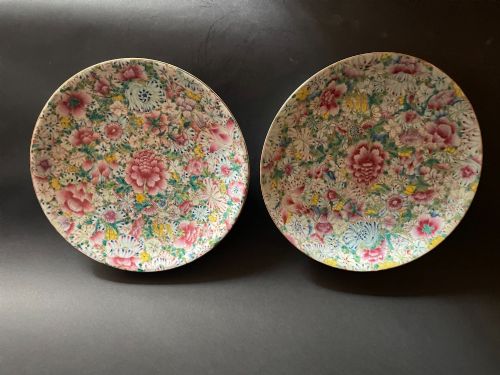
An oriental polychrome enamel dish encompasses decorative plates, chargers, bowls, and baskets originating from Chinese and Japanese traditions. The selection spans the eighteenth century through to the early twentieth century, capturing the aesthetic shifts of the Qing Dynasty and the Meiji Period.
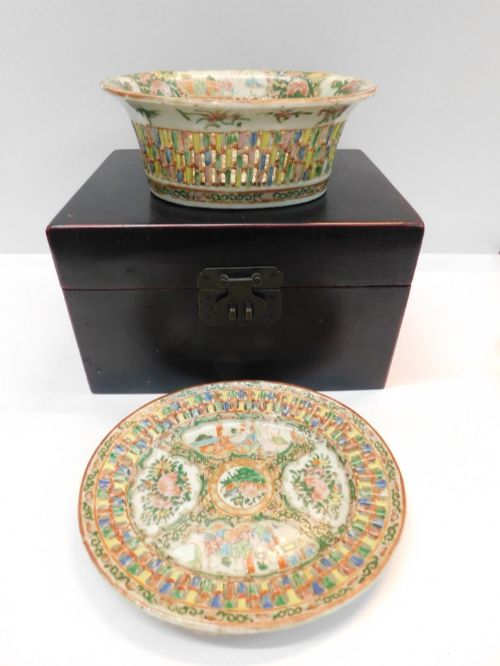
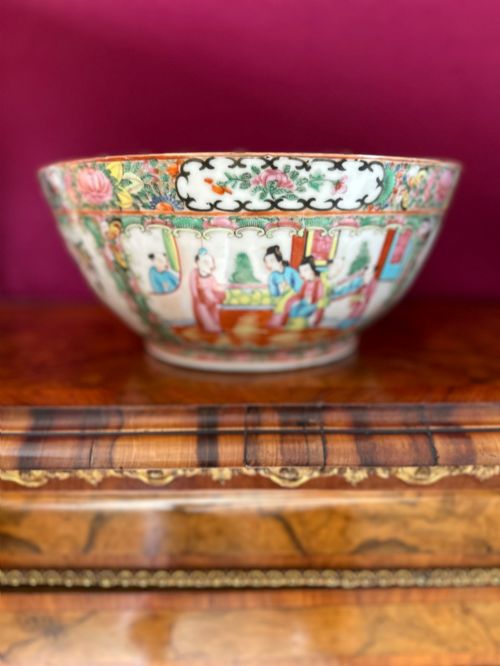
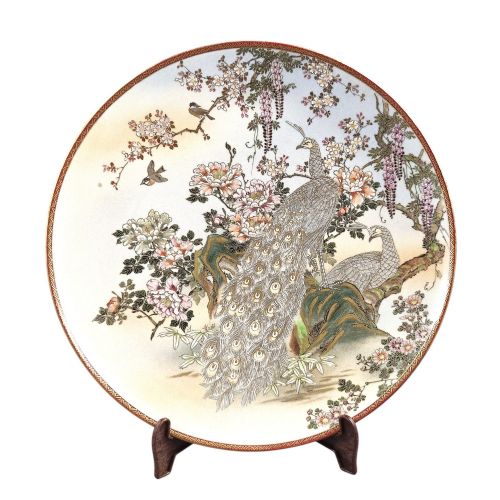
Buyers will frequently encounter Chinese Famille Rose and Canton wares alongside Japanese Satsuma and Kutani porcelain. Forms range from large display chargers and lobbed rectangular bowls to delicate saucers and reticulated chestnut baskets.
Examples often display detailed hand-painted scenes featuring birds, flowers, dragons, and figures. These items served both decorative and functional roles in historical interiors, prized for their rich palettes and varied forms.
How they were made
The physical construction relies heavily on porcelain, earthenware, and copper bases. Metal vessels utilise cloisonne enamel techniques, where thin wire compartments hold coloured glass pastes before firing.
Ceramic pieces combine porcelain or earthenware bodies with detailed overglaze enamels and gilding. Artisans applied gold leaf and gilt highlights to accentuate intricate pictorial motifs across the surface.
The inventory includes items from both the Qing Dynasty and the Meiji Period, spanning porcelain, earthenware, and copper cloisonne.
What varies in quality
Quality rests in the precision of the hand-painted brushwork and the complexity of the enamel palette. Pieces displaying finely rendered figures, birds, or botanical details command greater attention than simpler repeated patterns.
The crispness of the gilding and the depth of the cloisonne wirework differentiate standard production items from masterworks. Preservation of the original enamel colours without excessive wear indicates superior initial execution and careful stewardship.
The Oriental Polychrome Enamel Dish Glossary
- Famille Rose
- A major palette of Chinese ceramic overglaze enamels introduced in the eighteenth century, distinguished by its opaque pink or rose colour derived from colloidal gold.
- Cloisonne
- A metalworking technique where enamel is applied to compartments constructed by soldering flat metal wire onto a bronze, brass, or copper base.
- Satsuma ware
- A type of Japanese earthenware originating from Satsuma Province, typically characterised by a ivory-coloured cracked glaze decorated with polychrome enamels and gilt.
- Kutani ware
- Japanese porcelain and pottery known for its bold polychrome designs, frequently utilising greens, blues, yellows, purples, and reds in elaborate pictorial compositions.
Oriental Polychrome Enamel Dish: Frequently Asked Questions
How do I date a Chinese famille rose plate?
Dating relies on stylistic clues, baseline characteristics, and historical reign marks when present. Eighteenth-century pieces often exhibit finer potting and distinct pastel enamel tones compared to later nineteenth-century examples.
Examining the foot ring and the wear on the overglaze enamels provides further context regarding the manufacturing period and subsequent handling.
What is the difference between cloisonne and porcelain?
Cloisonne utilises a metal base, usually copper or brass, decorated with enamel pastes held within soldered wire partitions. Porcelain relies on a ceramic body fired at high temperatures before being glazed and painted.
Both methods achieve rich polychrome effects but offer entirely different tactile and structural experiences.
How should I display a heavy charger?
Large chargers and decorative plates require sturdy wall mountings designed specifically for heavy ceramic or metal vessels. Alternatively, deep display stands distribute the weight evenly when placed on flat surfaces.
Positioning them away from direct sunlight preserves the vibrancy of the hand-painted enamels and gilt detailing.