




White Porcelain Charger Plate
A white porcelain charger plate brings centuries of kiln mastery to a table, combining scale and utility in a single grand ceramic surface.
White Porcelain Charger Plate
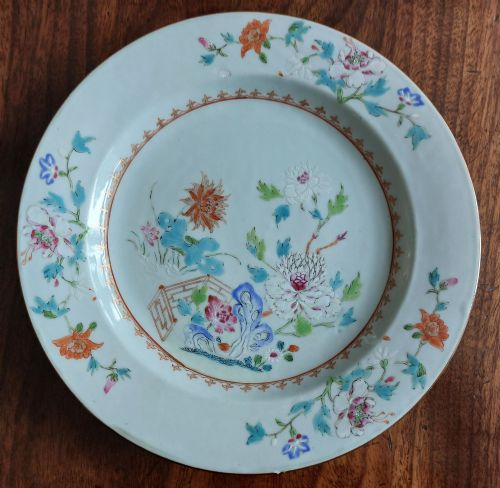
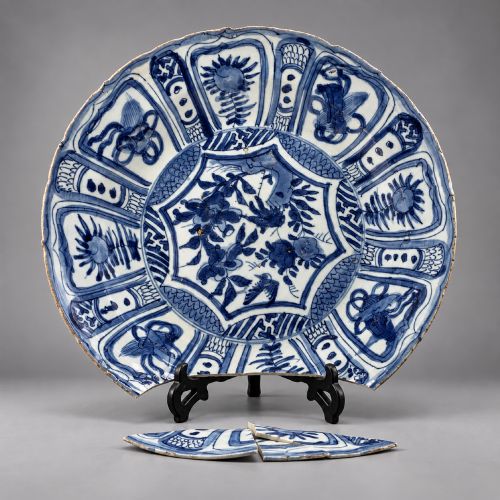
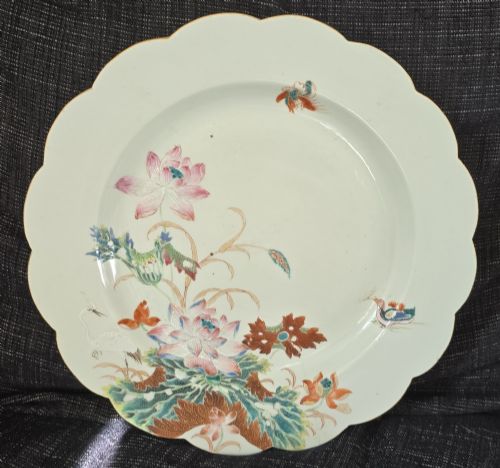
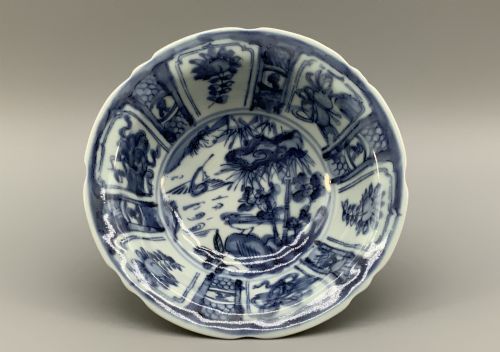
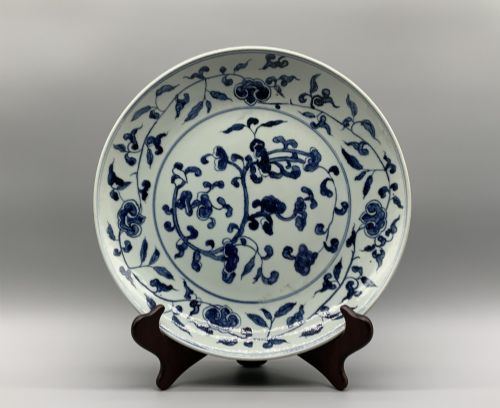
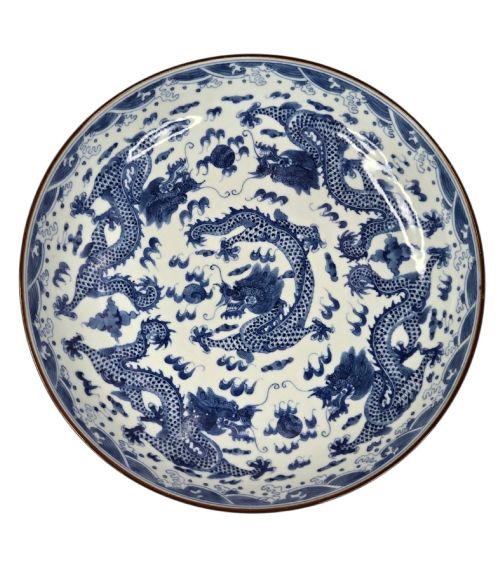
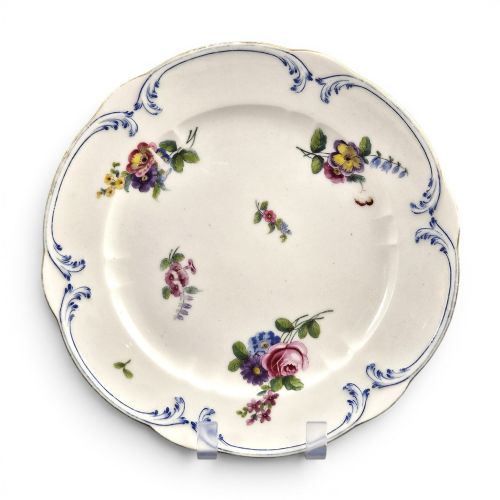
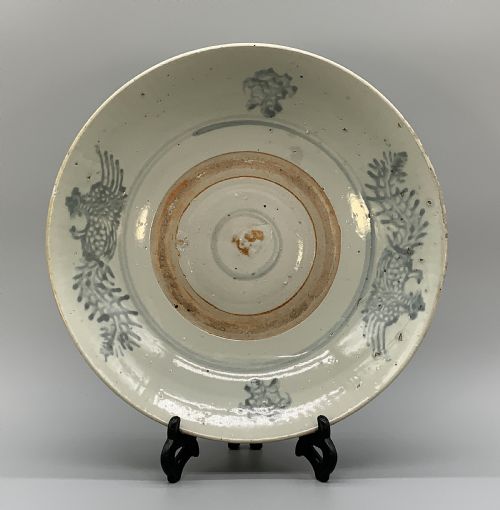
A white porcelain charger plate is a large decorative or service dish designed to anchor a table setting or display surface. When searching for a white porcelain charger plate, buyers encounter pieces originating from diverse traditions, spanning Chinese export and Ming dynasties to Japanese Arita and European manufactories.
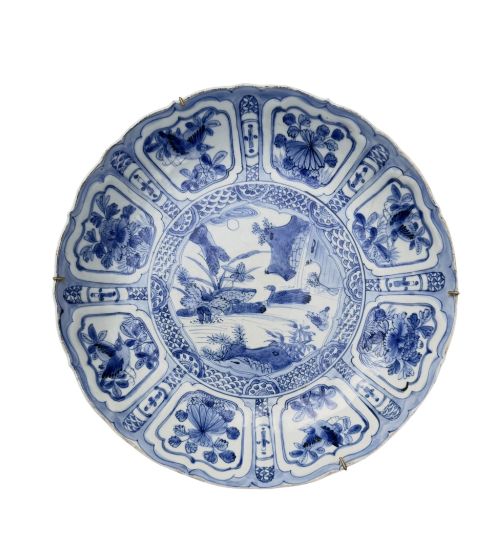
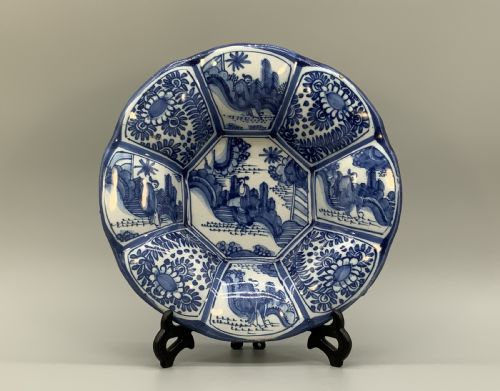
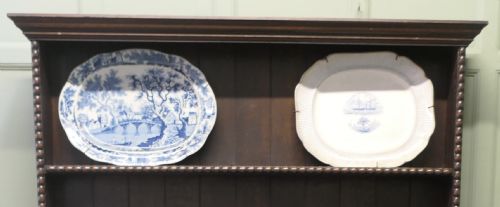
The selection ranges from seventeenth-century Delft earthenware and Kraak style chargers to nineteenth-century Japanese Imari patterns and Meissen porcelain. These large formats serve primarily as visual centerpieces rather than everyday dinnerware.
How they were made
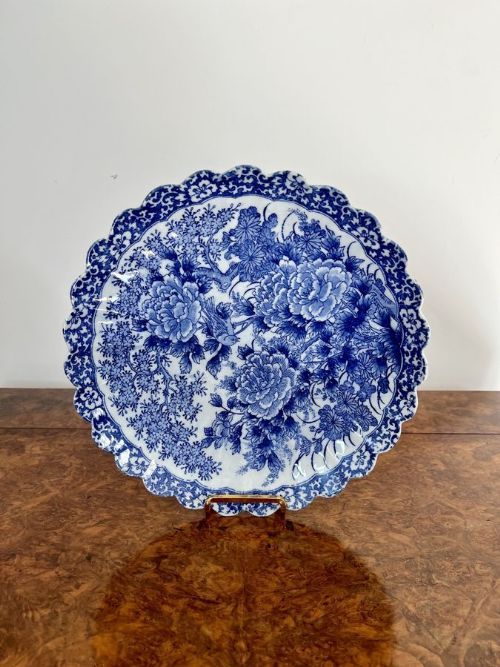
Potters shaped these large items using ceramic materials such as porcelain, earthenware, and soft-paste paste, often applying cobalt underglaze pigments before firing. Artisans utilised hand-painted techniques alongside glaze applications to create intricate blue and white motifs.
Selected examples incorporate enamel detailing and gold leaf accents over the fired body to elevate the surface design.
The available selection spans production periods from the seventeenth century through the early twentieth century.
What varies in quality
The sophistication of the painted brushwork and the clarity of the cobalt glaze determine the visual success of the surface. Control during the high-temperature firing process affects the purity of the white ground and the crispness of the underglaze decoration.
Thickly potted bodies intended to support the expansive diameter of a charger require structural stability without excessive weight, separating accomplished manufactories from standard production.
Royal Bonn·Meissen·Sèvres
The White Porcelain Charger Plate Glossary
- Charger
- A large decorative plate or platter used traditionally beneath service courses or displayed upright. These objects measure significantly wider than standard dinner plates.
- Imari
- A style of Japanese porcelain featuring a distinct palette of cobalt blue and iron red, frequently highlighted with gold. Originating in Arita, these wares gained massive popularity in European export markets.
- Kraak
- A type of Chinese export porcelain characterised by panelled arrangements of auspicious objects and floral motifs. The style dates predominantly to the late sixteenth and seventeenth centuries.
- Underglaze
- A method of decorating pottery before applying a transparent glaze and firing at high temperatures. Cobalt applied in this manner fuses permanently with the ceramic body during the kiln process.
White Porcelain Charger Plate: Frequently Asked Questions
How were charger plates used?
Charger plates served primarily as decorative under-plates placed beneath smaller service dishes during formal banquets. They provided a grand framework for the dining table rather than holding food directly.
Over time, larger platters transitioned into purely display objects, hung on walls or exhibited on sideboards to showcase intricate cobalt paintings and glazes.
How do I display a charger plate?
Displaying a large charger plate requires sturdy wall mountings or deep cabinet grooves designed to support substantial ceramic weight. Because many pieces measure over thirty centimetres across, stable placement is essential.
Pairing the plate with neutral backgrounds allows the cobalt blue and enamel details to stand out clearly within a room.
How can I tell Japanese Arita from Chinese export?
Japanese Arita porcelain often displays distinct greyish undertones in the body and characteristic scrolling foliate borders surrounding pictorial motifs. The iron-red and cobalt palette typical of Imari wares points specifically toward Japanese production.
Chinese export pieces from the Ming and Qing periods generally employ different potting techniques and varying shades of cobalt blue under the glaze.
What is cobalt underglaze?
Cobalt underglaze is a mineral pigment painted directly onto the raw ceramic body before the transparent glaze layer goes on. The piece is then fired at extremely high temperatures, causing the cobalt to melt into the glaze.
This technique protects the blue decoration from wear and tear, ensuring the pigment remains vibrant across centuries.