



Oriental Paper Painting
These oriental paper painting examples bring together delicate pith paper works, gouache compositions and watercolours spanning the eighteenth to the twentieth centuries.
Oriental Paper Painting
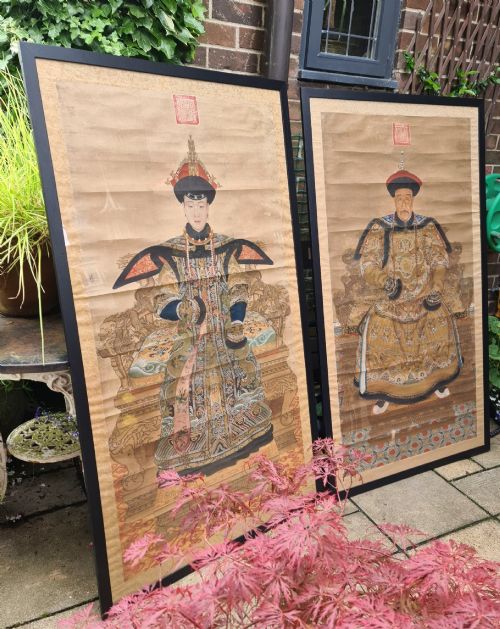
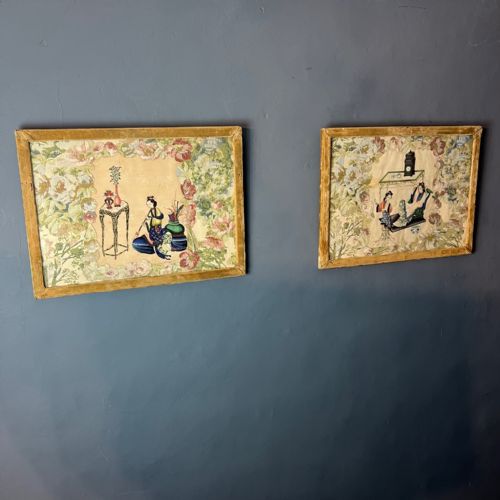
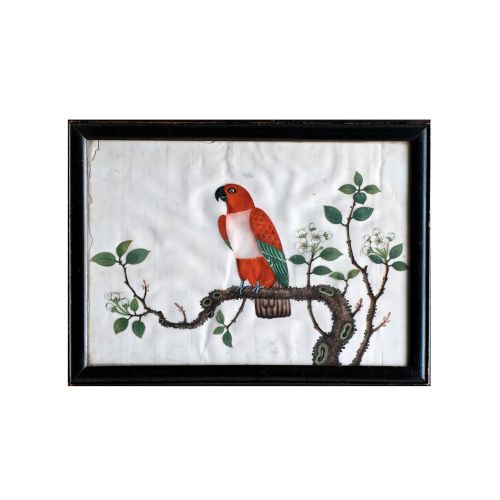
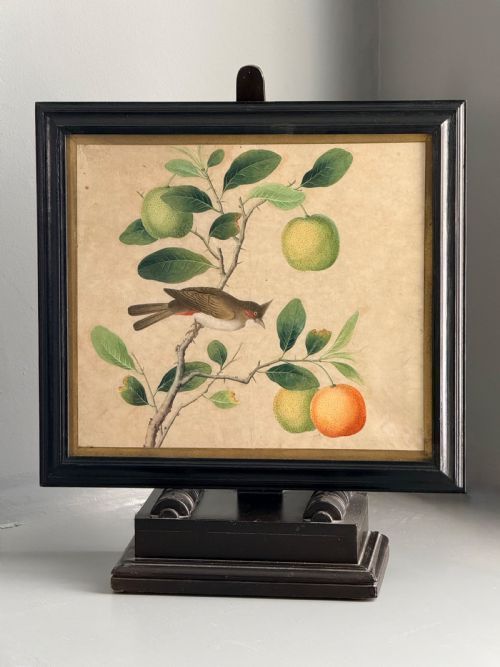
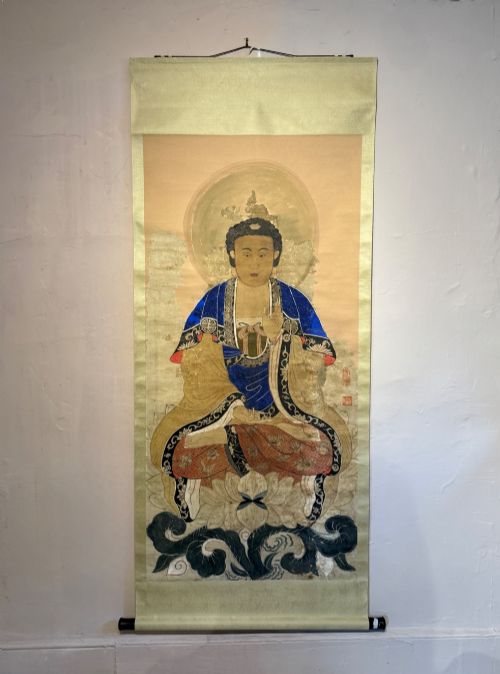
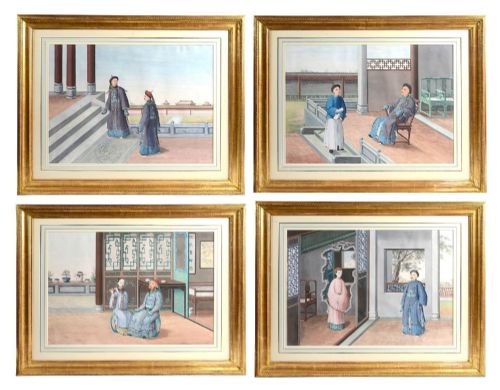
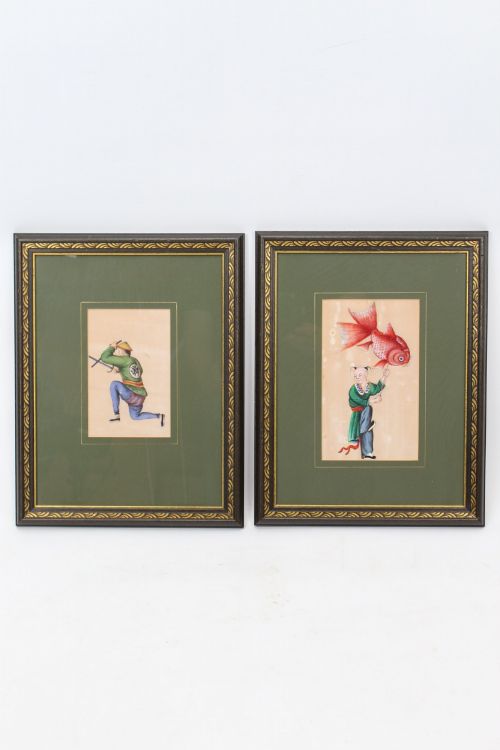
An oriental paper painting encompasses traditional works executed on fragile supports such as pith paper, rice paper and standard paper sheets. Buyers encountering this selection will frequently meet nineteenth century Chinese pith paintings depicting figural groups, butterflies and insects, alongside watercolours and gouache pieces.
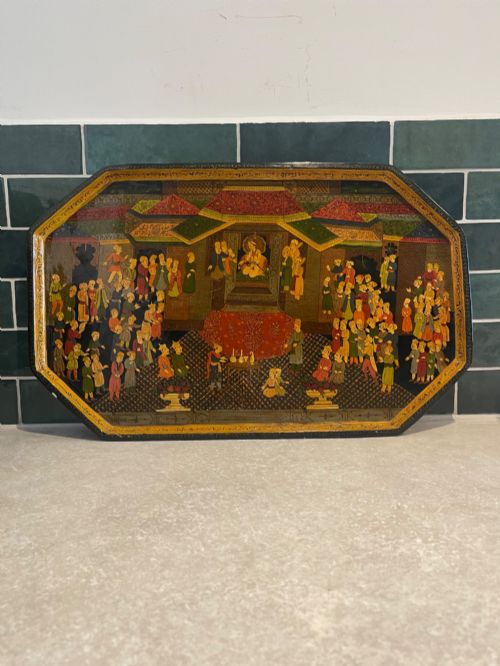
The objects extend across diverse regional traditions including Chinese Export, Qing Dynasty, Kashmiri, Mughal and Indian School styles. Forms range from framed artwork and scrolls to album leaves and decorative papier-mache trays.
How they were made
Artists utilised watercolours, gouache and ink applied directly to organic surfaces like pith paper and silk. These delicate mediums required steady brushwork to achieve fine detail on fragile supports without tearing the material.
Framed paintings and scrolls often incorporated wooden and glass elements to protect the paper works. Lacquer and papier-mache techniques were likewise employed for related items such as decorative trays and table surfaces.
Oriental Paper Painting Retail Price Guide 2026
Typical asking prices for oriental paper painting among the pieces listed under this phrase on Sellingantiques today, from the lower quarter to the upper quarter. They describe what is for sale here now, not the wider market.
Several butterflies painted on pith paper have outlived empires while retaining their antennae.
What varies in quality
The precision of the brushwork and the vibrancy of the gouache or watercolour pigments distinguish finer examples from simpler works. Well-preserved pieces retain their original colour intensity and show minimal degradation across the paper support.
The complexity of the composition also dictates distinction, as seen in multi-figure scenes and detailed studies of flora and fauna. Presentation methods, including period framing and signed artist seals, contribute further to the standing of individual pieces.
YA MING·Takashi Nakayama
The Oriental Paper Painting Glossary
- Pith paper
- A delicate material cut from the pith of the Tetrapanax papyrifer plant, commonly used for nineteenth century watercolours. It possesses a velvety texture that absorbs gouache pigments particularly well.
- Gouache
- An opaque water-based paint composed of pigment, water, and a binding agent such as gum arabic. It dries to a smooth, matte finish that allows for vivid colour application on paper.
- Qing dynasty
- The final imperial dynasty of China, lasting from sixteen forty-four to nineteen twelve. Many figural paintings and scroll works originate from the later decades of this period.
- Mughal school
- An Indo-Persian style of miniature painting associated with the Mughal Empire. These works often feature fine brushwork depicting courtly scenes, lovers in landscapes, and riders.
- Scroll painting
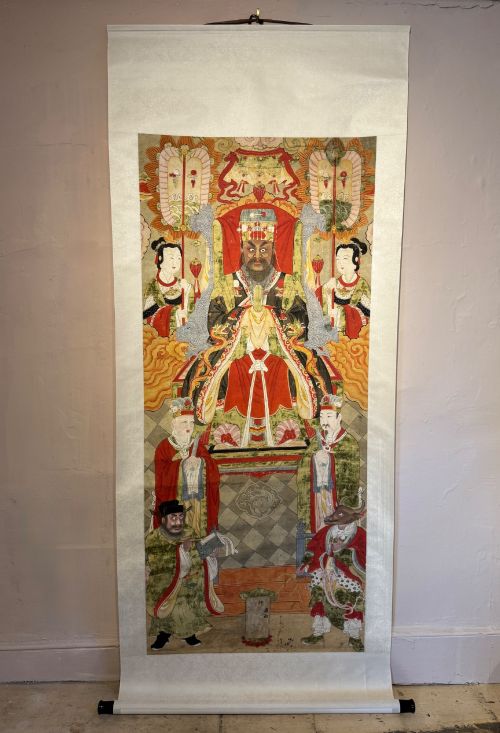
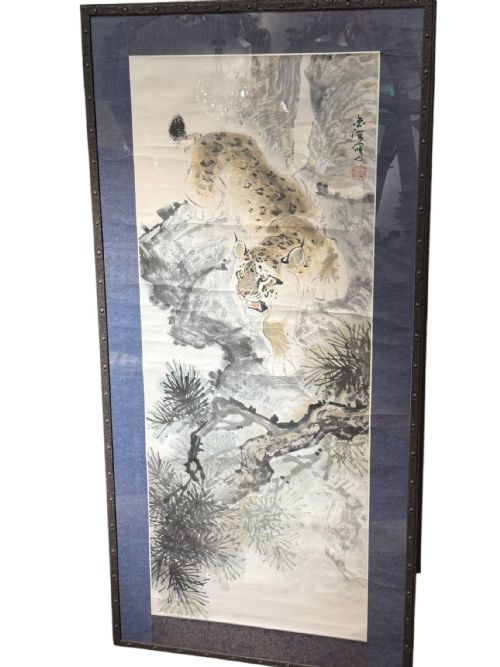
- A traditional East Asian format where artwork is mounted on flexible material designed to be rolled up when not displayed. They frequently depict figures, deities, or landscapes.
Oriental Paper Painting: Frequently Asked Questions
What is pith paper?
Pith paper is a delicate, spongy material derived from the pith of a specific plant native to southern China. It absorbs watercolours and gouache readily, creating a velvety surface appearance.
Artists during the nineteenth century favoured this medium for vibrant export paintings depicting insects, butterflies, and figures.
How should I frame these paintings?
Fragile paper works require professional framing behind glass to protect them from dust, moisture, and handling. Acid-free mounts prevent chemical degradation of the paper over time.
Keeping them away from direct sunlight preserves the original gouache and watercolour pigments.
Are these works hand painted?
The pieces listed comprise original hand-painted watercolours, gouache works, and ink compositions. Artists applied pigments directly by hand onto paper, silk, or pith supports.
Signed examples and artist seals occasionally accompany mid-twentieth century and earlier works.
What subjects do they feature?
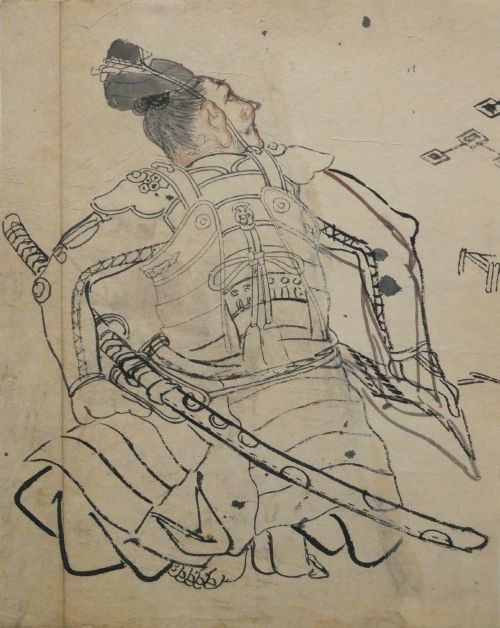
Subjects span figural compositions, portraits, literary scenes, and detailed studies of local flora and fauna. Examples range from Chinese imperial court figures to Indian miniature depictions of riders and landscapes.
Different regional schools bring distinct cultural narratives to each painted surface.