


Oriental Metal Planter
An oriental metal planter brings weight and ancient craft into a room, holding greenery or standing alone as a sculptural bronze or brass vessel.
Oriental Metal Planter
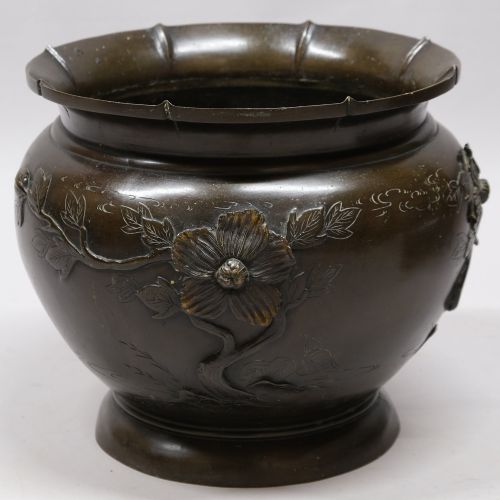
An oriental metal planter covers a range of heavy vessels including jardinieres, bowls, and urns originating from Japan and China across the nineteenth and early twentieth centuries. These pieces span distinct historical eras such as the Japanese Meiji and Edo periods, alongside late Qing Dynasty works.
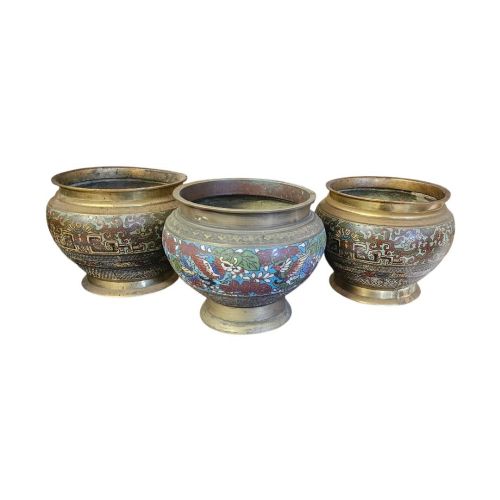
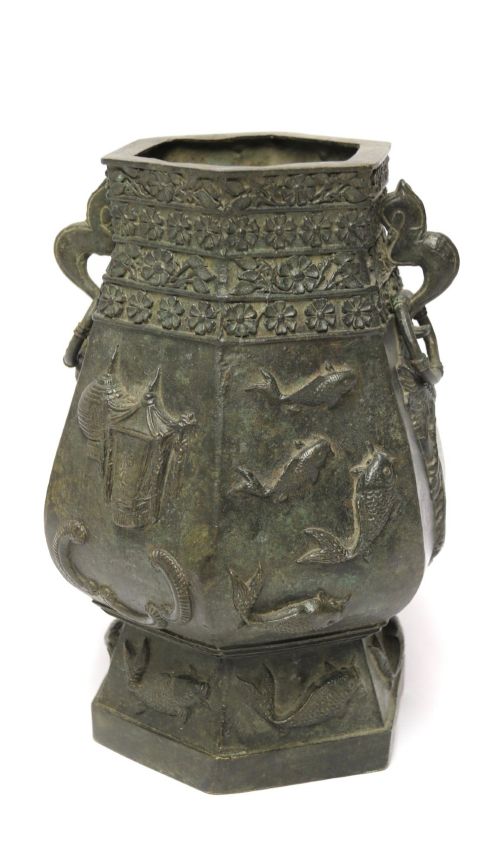
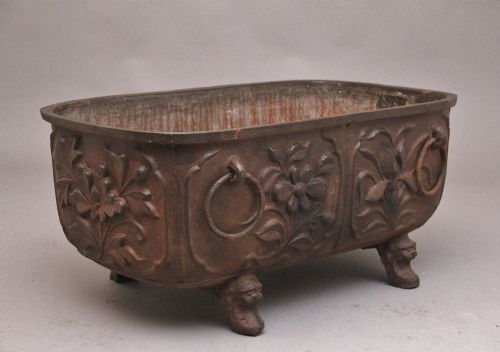
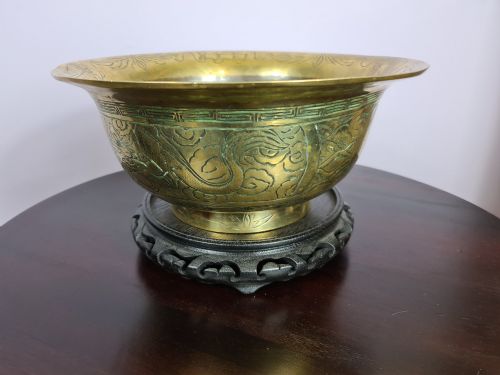
Buyers will most frequently encounter Japanese bronze jardinieres and bowls bearing patinated surfaces, alongside Chinese brass troughs and champleve enamel vessels. Forms vary from shallow suiban and Buddhist tearai basins to deep hexagonal vessels and garden urns.
The objects serve primarily as decorative planters for interior foliage, though many function equally as display urns, desk pots, or large floor-standing vessels.
Materials and Technique
Cast bronze and brass form the structural core of these vessels, shaped through traditional casting methods that produce thick, substantial walls capable of holding significant weight. Artisans frequently integrated copper and iron into specific forms like temple baths and troughs.
Surface ornamentation relies heavily on champleve and cloisonne enamel work, creating vibrant colour panels set directly into the metal body. Patinated finishes, verdigris treatments, and incised script provide tactile depth to the exterior walls.
Some heavy metal planters hide secret scripts and temple bath origins beneath their decorative floral patinas.
Markers of Distinction
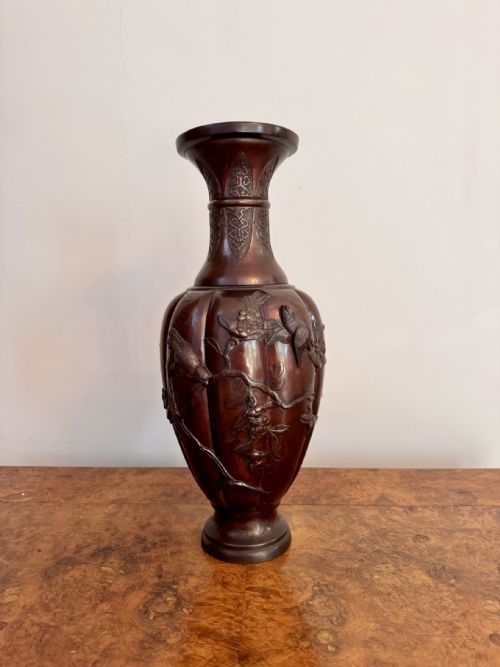
Quality rests in the crispness of the casting and the density of the metal, where heavier vessels display superior wall thickness and stability. Superior examples exhibit deliberate control over patination rather than flat, uniform colour.
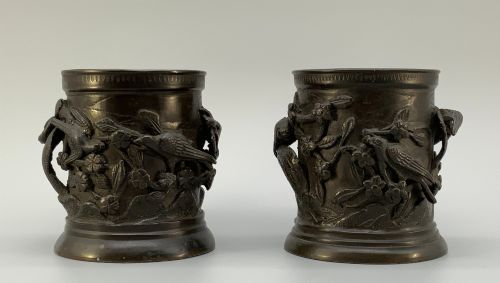
The intricacy and precision of inlaid enamel work separate standard items from finer decorative pieces, particularly where champleve cells align perfectly with the surrounding bronze casting. Integrated design elements such as cast script, botanical motifs, and bird details reveal the hand of a skilled workshop.
The Oriental Metal Planter Glossary
- Jardiniere
- A large decorative pot or stand designed to hold a plant or floral arrangement. These vessels often feature heavy bronze or brass walls intended for interior display.
- Meiji
- A period in Japanese history spanning from 1868 to 1912, known for highly detailed metalwork and bronze casting exported globally. Pieces from this era frequently depict birds, blossoms, and natural scenes.
- Champleve
- An enamelling technique where troughs or cells are carved into the metal surface and filled with vitreous enamel before firing. This method creates bold coloured patterns flush with the bronze body.
- Suiban
- A shallow Japanese basin traditionally used for water display or Ikebana flower arrangement. These low bowls often rest on short feet and feature broad rims.
- Cloisonne
- A decorative metalwork process utilising thin wire soldered to a metal base to create compartments for enamel paste. The resulting surface presents intricate geometric or floral designs.
Oriental Metal Planter: Frequently Asked Questions
How do I use an oriental metal planter?
These vessels suit direct planting when lined properly, or serve as decorative cachepots for potted plants already in nursery containers.
They also function effectively as standalone display pieces on tables, pedestals, or hearths without any foliage inside.
How do I care for bronze and brass planters?
Dust the exterior regularly with a soft dry cloth and avoid harsh chemical cleaners that strip the historic patination. Protect the interior metal from prolonged moisture contact by using appropriate plastic liners for live plants.
Wax can be applied sparingly to brass surfaces if you wish to maintain a soft sheen without altering the aged finish.
How do I distinguish Edo from Meiji pieces?
Edo period metalwork typically displays restrained forms and subdued patination rooted in traditional domestic rituals and Buddhist practices. Meiji items often showcase more ornate casting, high-relief bird and blossom motifs, and experimental patinas designed for international export markets.
Examination of the base and interior casting marks often helps confirm the manufacturing era.
What is a Buddhist tearai?
A tearai is a traditional Japanese water vessel initially utilised for ritual cleansing within temple environments. In domestic settings, these heavy bronze basins transition well into striking decorative planters.
Their wide rims and deep wells accommodate substantial arrangements.