
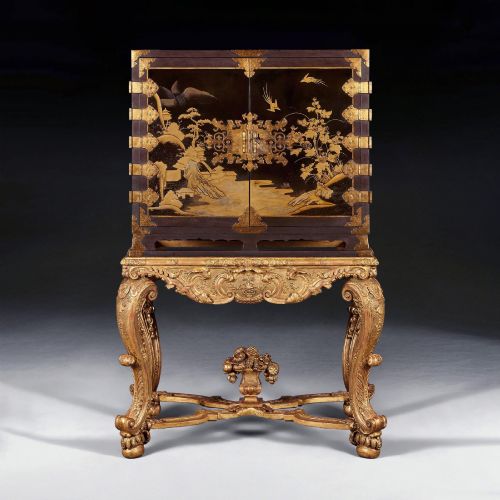
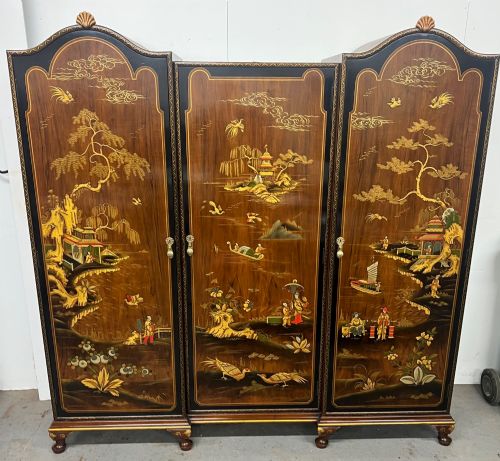
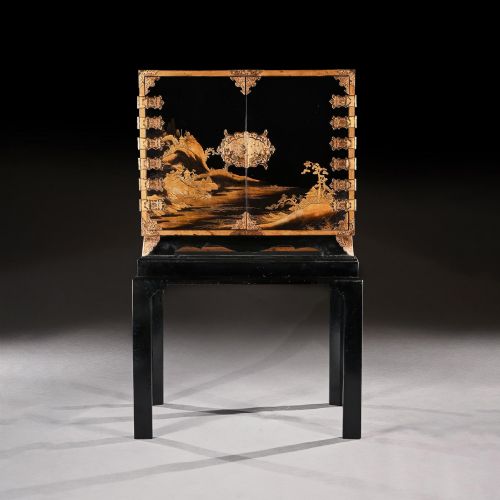
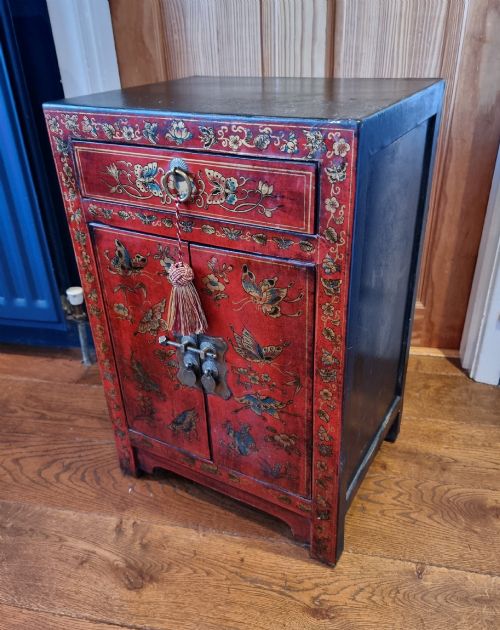
Oriental Lacquer Cupboards
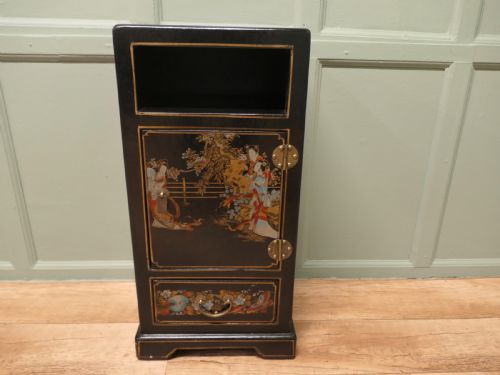
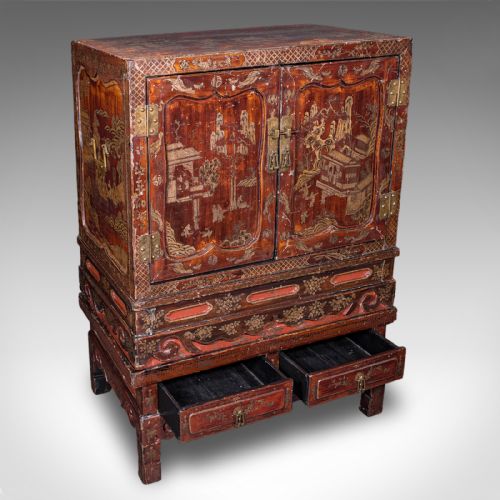
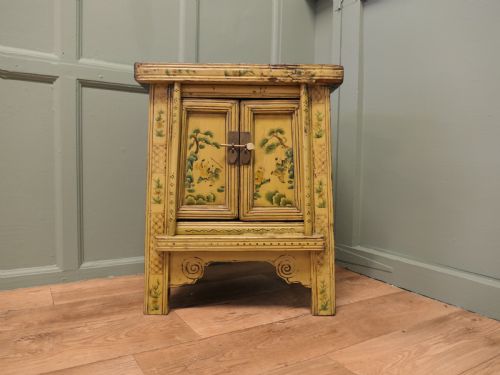
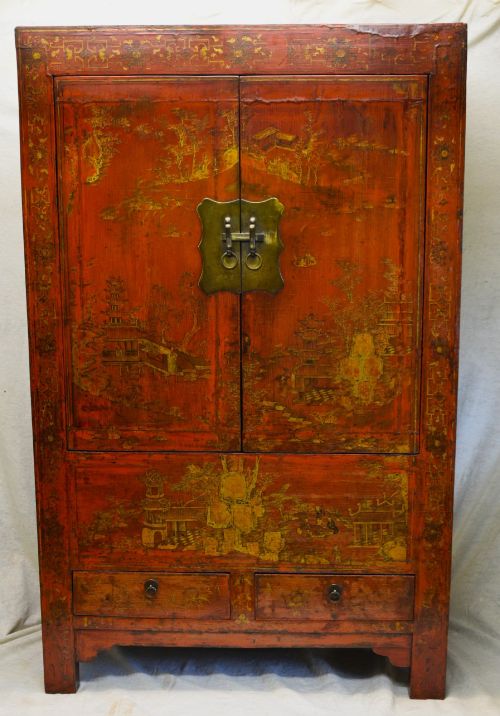
Oriental lacquer cupboards bring painted scenes, red and black finishes, and enclosed storage into a room from periods spanning the seventeenth century to the Art Deco era.
Oriental Lacquer Cupboards
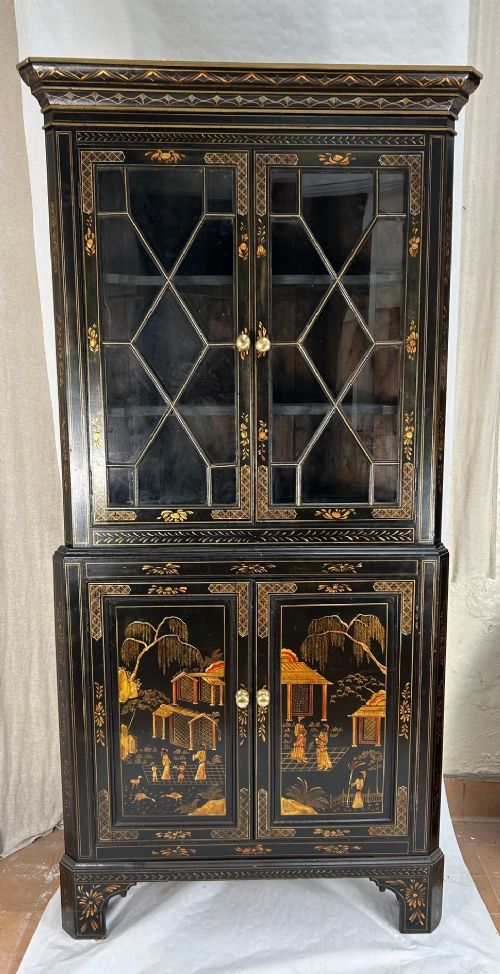
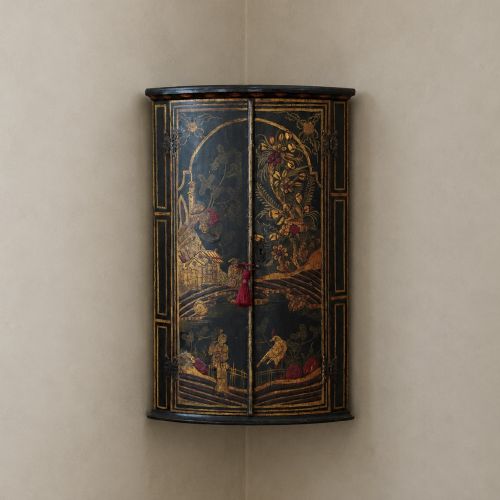
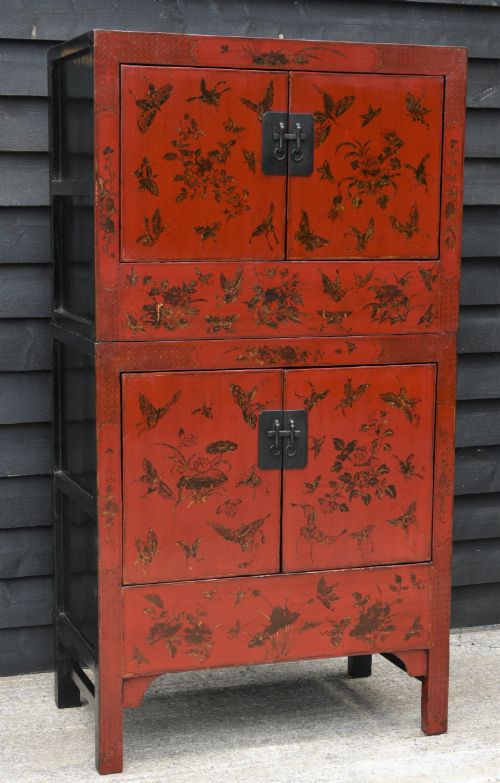
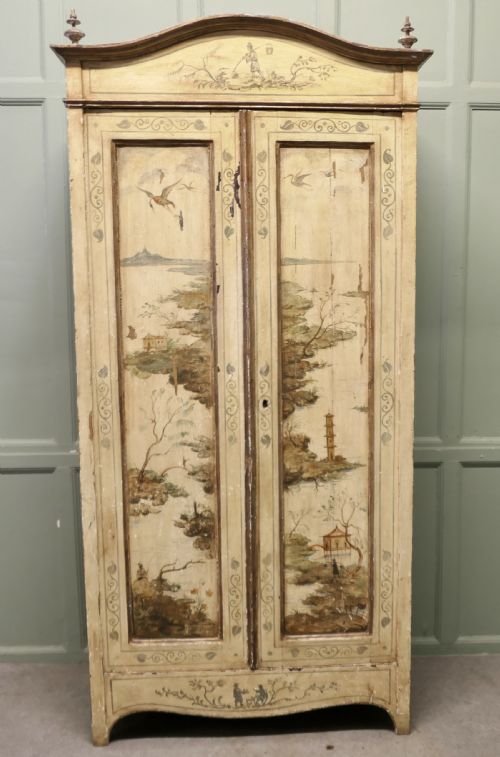
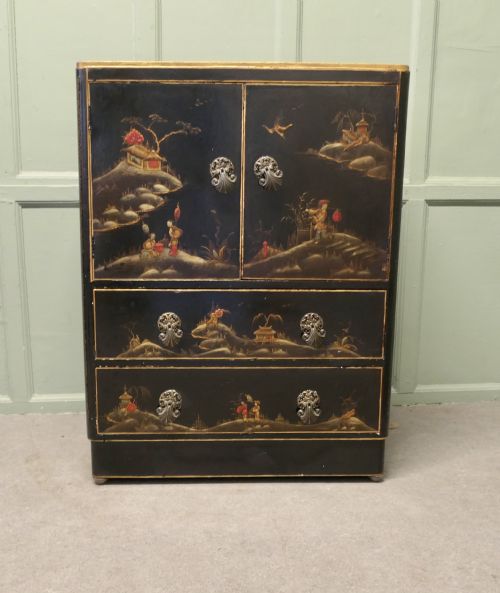
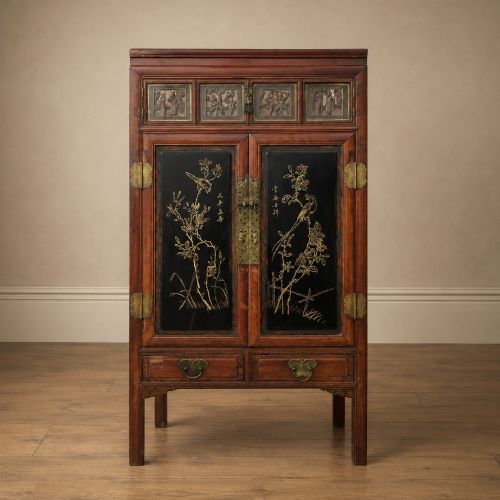
These pieces encompass cabinets, corner cupboards, side units, and wedding or marriage cabinets originating from diverse traditions. Oriental lacquer cupboards most frequently appear as nineteenth-century Chinese red or black lacquered storage pieces and eighteenth-century or Edwardian Japanned corner cupboards.
Makers and workshops across China, Japan, and European centres produced these cabinets using hardwoods, elm, and lacquered wood. The selection includes apothecary chests, compactum wardrobes, and display cabinets alongside standard cupboards.
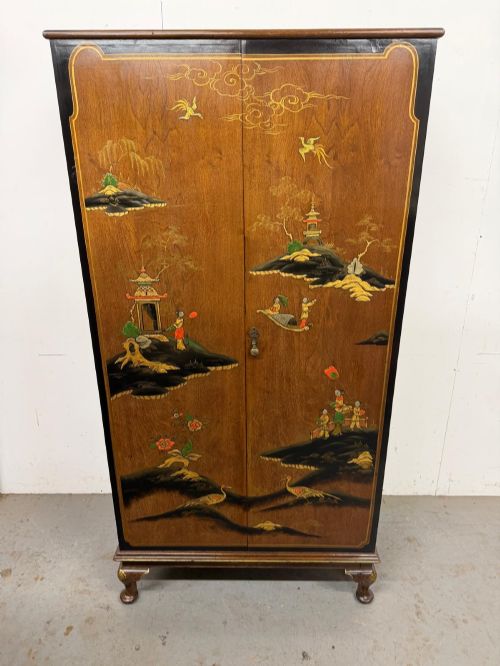
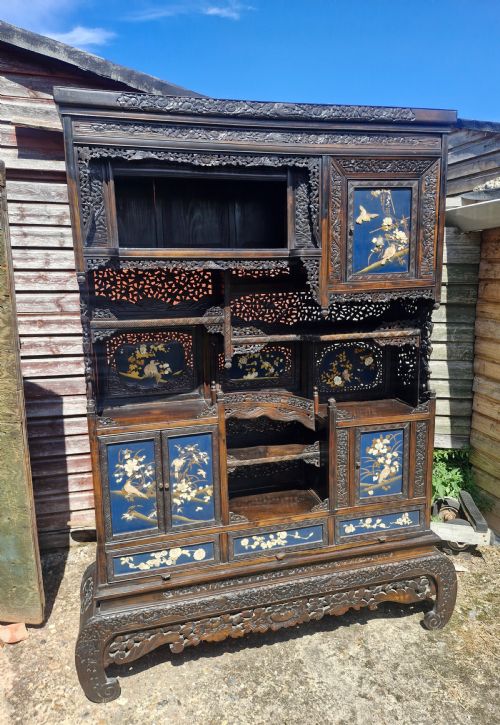
Stylistic influences range from the Qing Dynasty and Japanese Meiji period to Georgian Chinoiserie and Art Deco interpretations. Buyers encounter standard standing units as well as cabinets raised on distinct stands.
Assessing Craftsmanship and Finish
The integrity of the lacquer surface dictates much of the visual standard, distinguishing heavily worn pieces from those retaining crisp painted outdoor scenes and rich colour saturation. Original stands on cabinets add structural distinction compared to later or replacement bases.
Execution of decorative detail separates standard production from finer examples, visible in the precision of gilt work, carved elements, and the retention of original brass hardware. The depth and handling of Chinese and Japanese motifs reflect the skill invested by the workshop.
Listings feature pieces spanning the 17th, 18th, and 19th centuries alongside Edwardian, Art Deco, and 1930s examples.
Maples and Co·Harrods
The Oriental Lacquer Cupboards Glossary
- Chinoiserie
- European decorative style reflecting Chinese artistic influences, commonly applied through Japanning on eighteenth and nineteenth-century furniture.
- Japanning
- European imitation of East Asian lacquerwork, utilising layered varnishes and metallic dust to achieve glossy black or coloured finishes.
- Shodana
- Japanese tabletop or freestanding display cabinet featuring staggered shelving and small cupboards, typical of the Meiji period.
- Tansu
- Traditional Japanese mobile storage chest constructed from wood with iron hardware fittings.
- Compactum
- Fitted wardrobe design incorporating internal shelving, hanging space, and drawers within a single enclosed cupboard.
Oriental Lacquer Cupboards: Frequently Asked Questions
What is a marriage cabinet?
Large storage pieces traditionally given to brides in China, marriage cabinets feature two doors and internal shelving for household goods. They often display red lacquer and gilt decoration to symbolise prosperity.
These pieces served a practical function in domestic spaces while acting as a focal point in the home. Today they provide deep enclosed storage for contemporary living rooms and bedrooms.
How do I distinguish Chinese from Japanese pieces?
Chinese cabinets frequently showcase red or black lacquer with pictorial scenes of figures, landscapes, and floral motifs on elm or hardwood structures. Japanese examples often include specialised forms like the Tansu chest or Meiji period shodana display cabinets.
Examining the construction methods and decorative vocabulary helps clarify the origin of each piece. Regional hardware choices also assist in identifying the specific crafting tradition.
Where should I place a corner cupboard?
Corner cupboards fit neatly into unused room angles, making them practical for smaller spaces or rooms requiring additional display area. Eighteenth-century and Edwardian Japanned versions work particularly well in traditional dining rooms or hallways.
Ensure the door swing has adequate clearance from surrounding furniture. These units offer enclosed storage below or above while utilising vertical wall space effectively.
What is an apothecary chest?
Apothecary chests feature numerous small drawers originally designed for storing medicinal herbs, roots, and powders in traditional Chinese pharmacies. They stand out through multi-drawer facades set within a robust hardwood frame.
These cabinets bring distinctive visual texture to modern interiors through repetitive grid patterns. They function well for organising small items in studies or living spaces.