

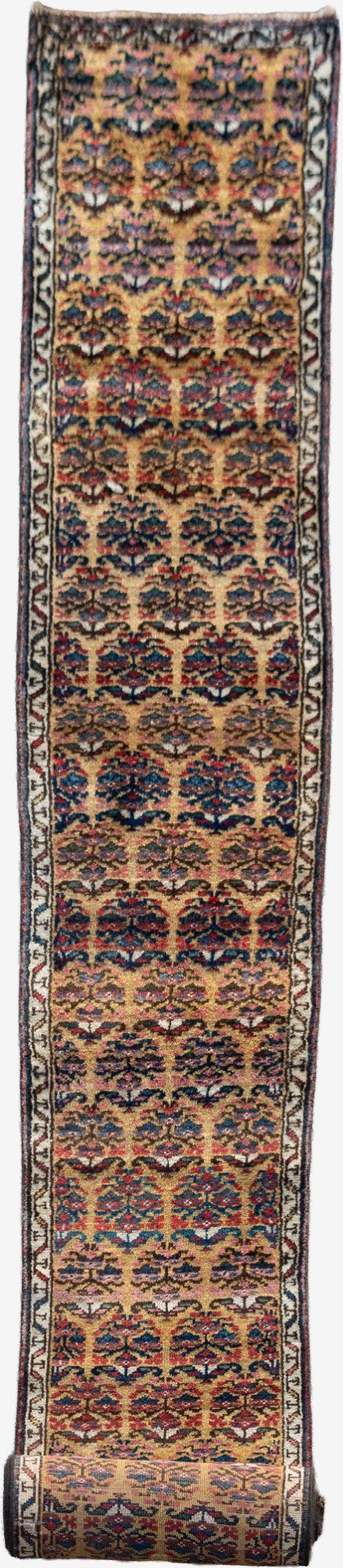
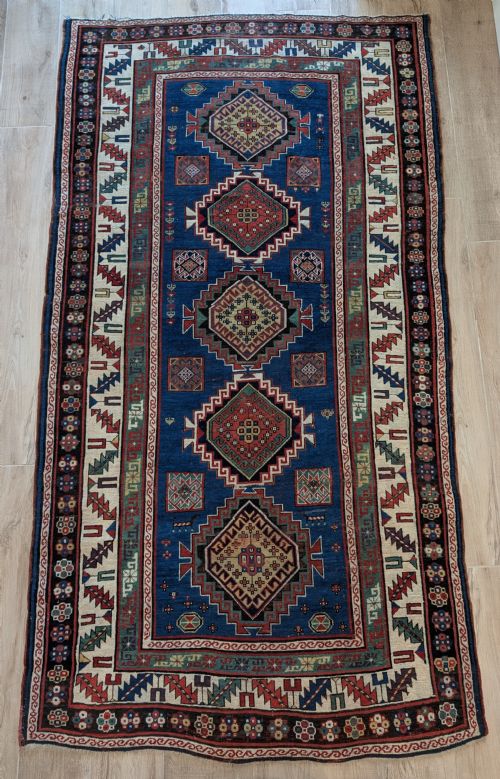
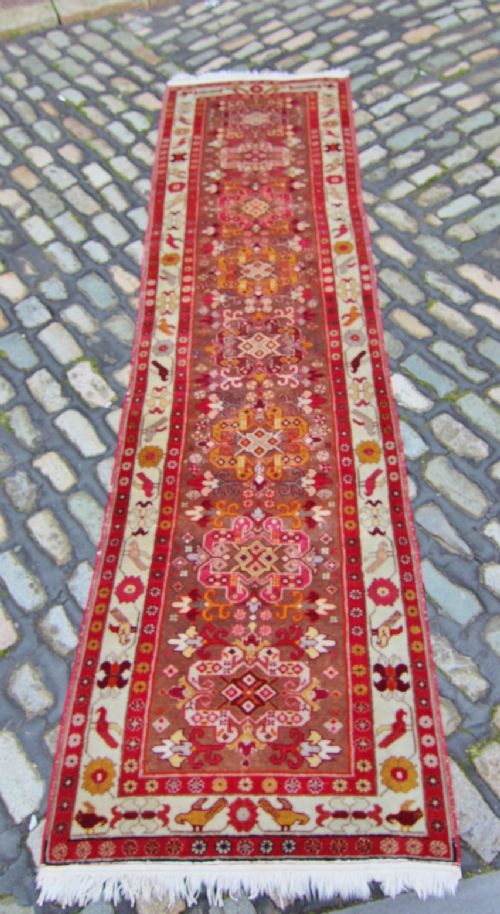
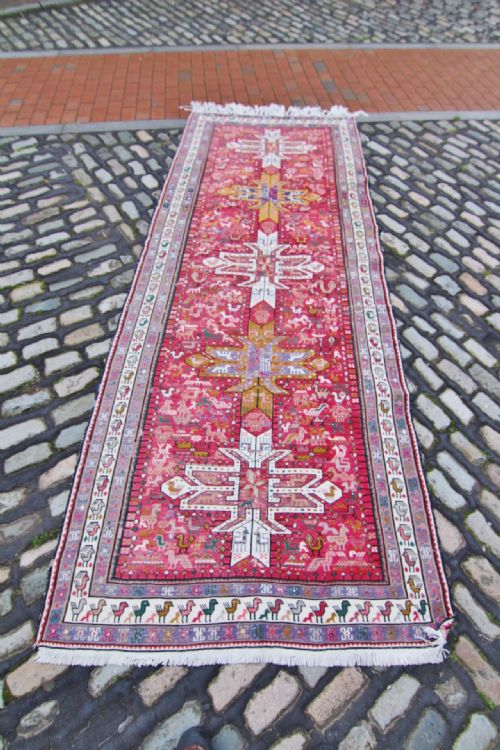
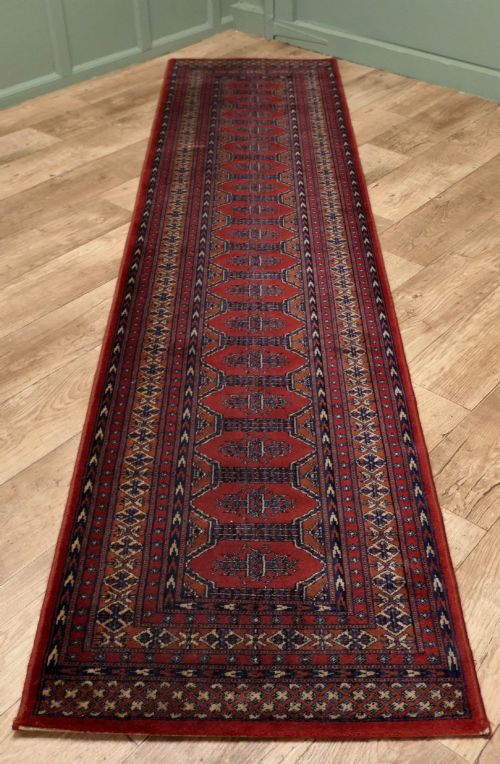
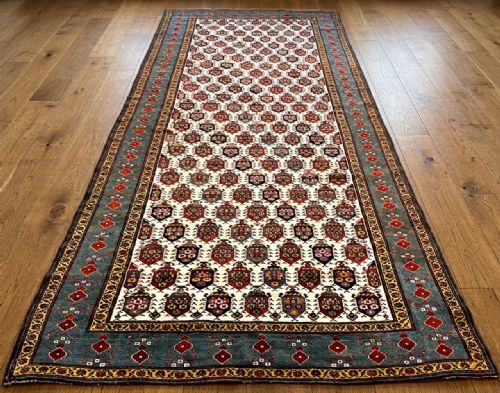
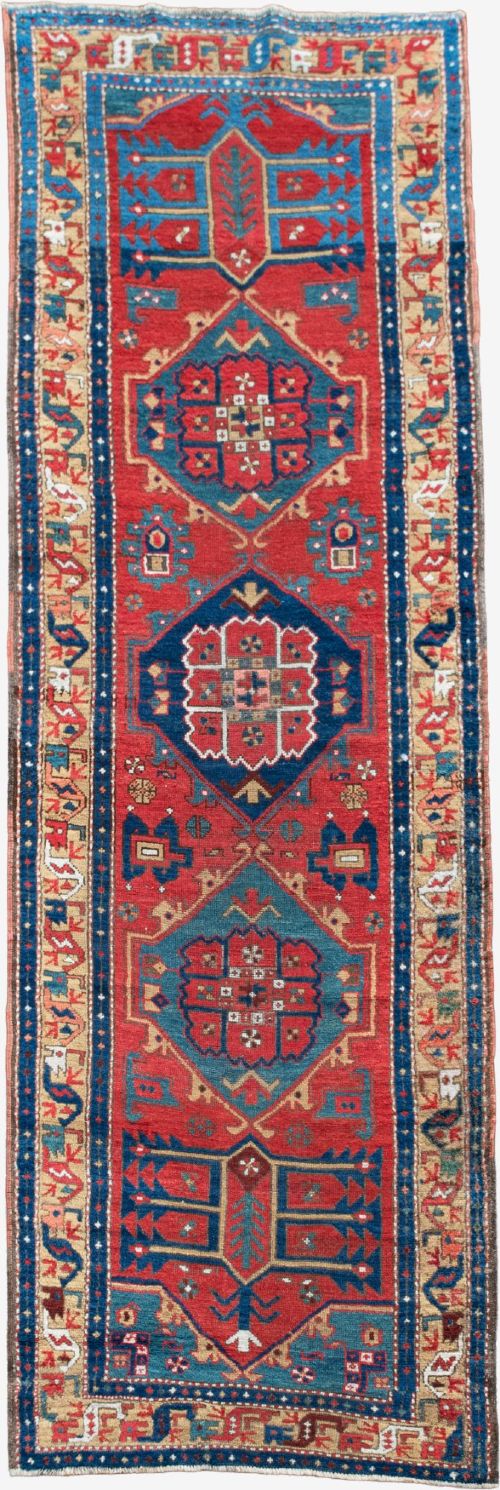

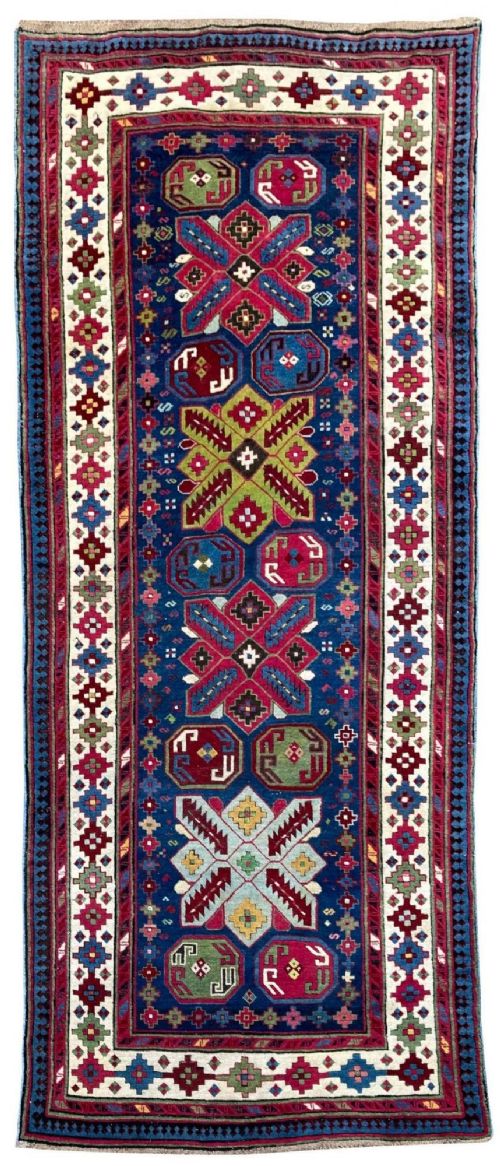
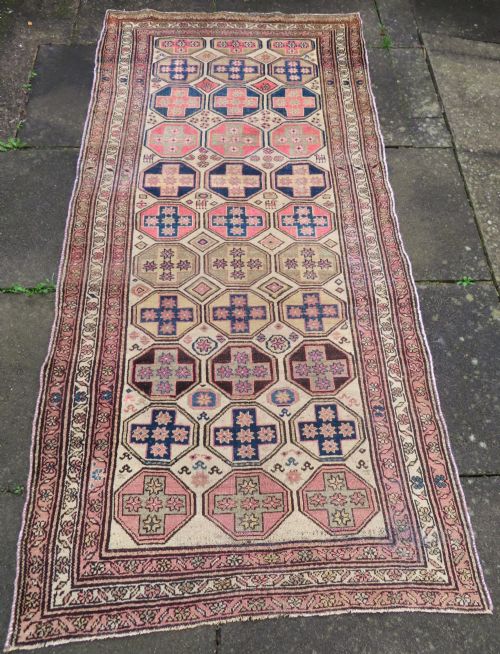
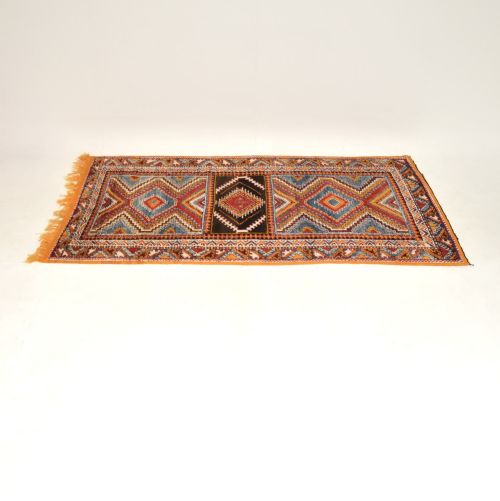
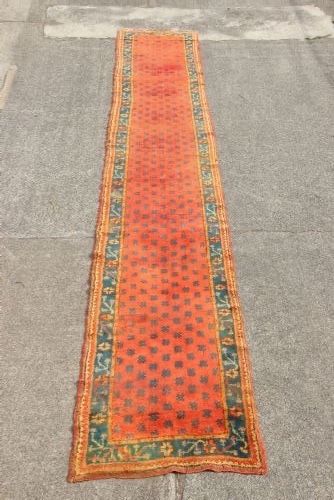
Oriental Hallway Runner
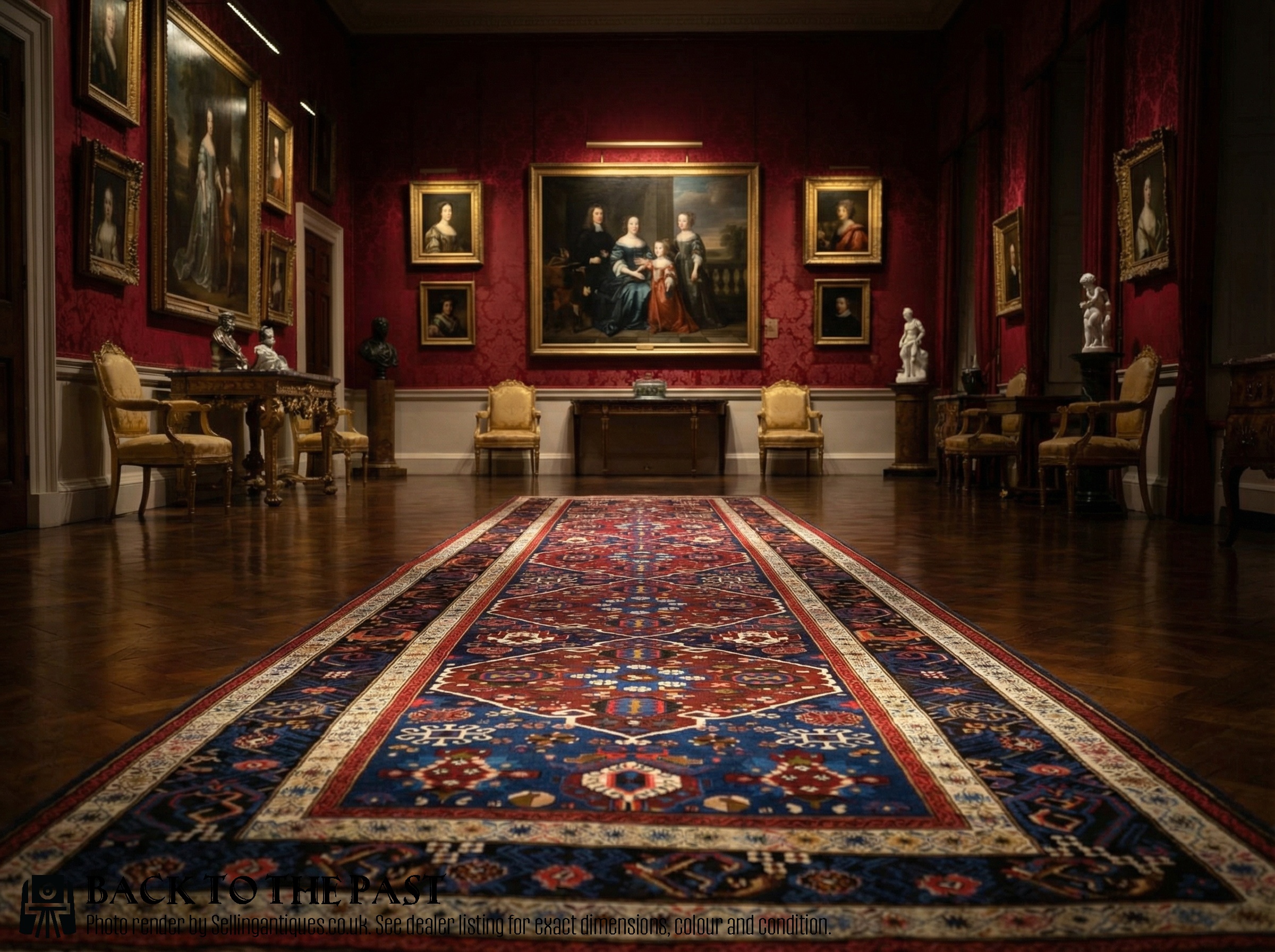
An oriental hallway runner brings linear pattern and deep pile to a long narrow space, softening timber floors with tribal and traditional designs.
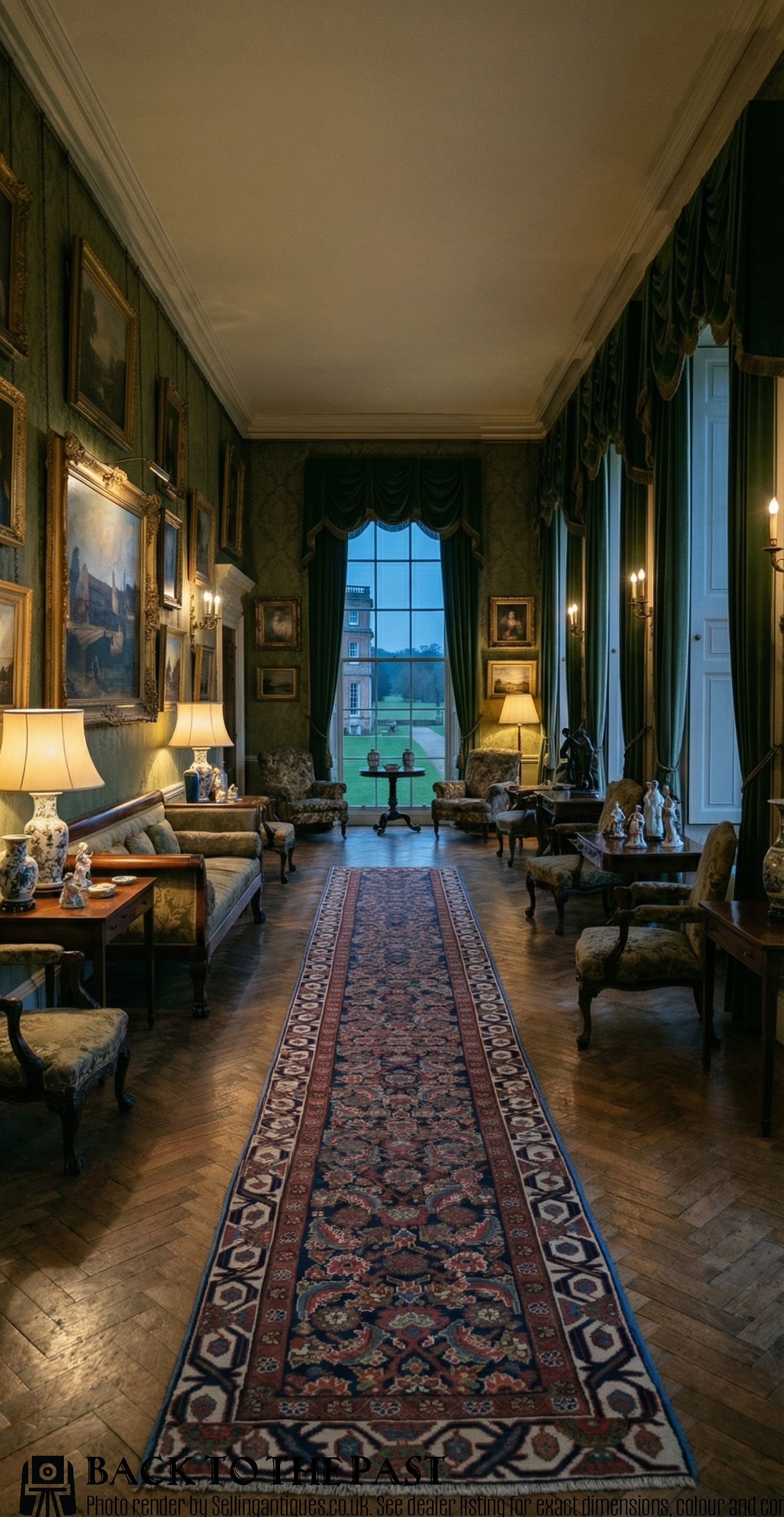
Oriental Hallway Runner
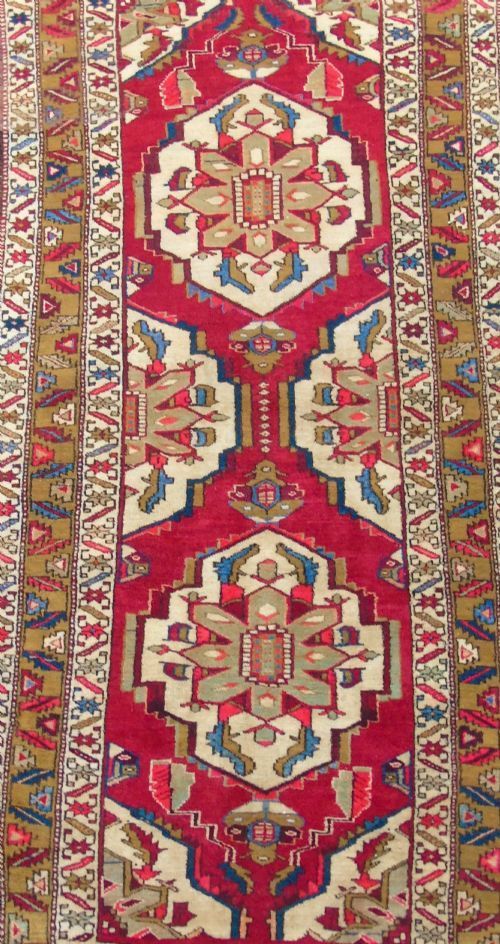
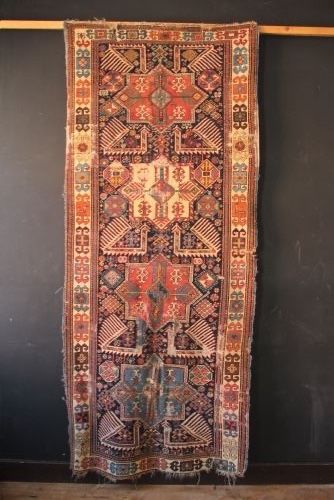
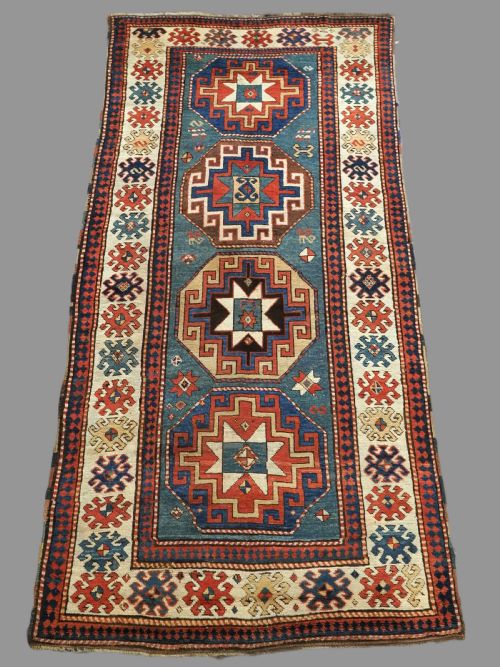
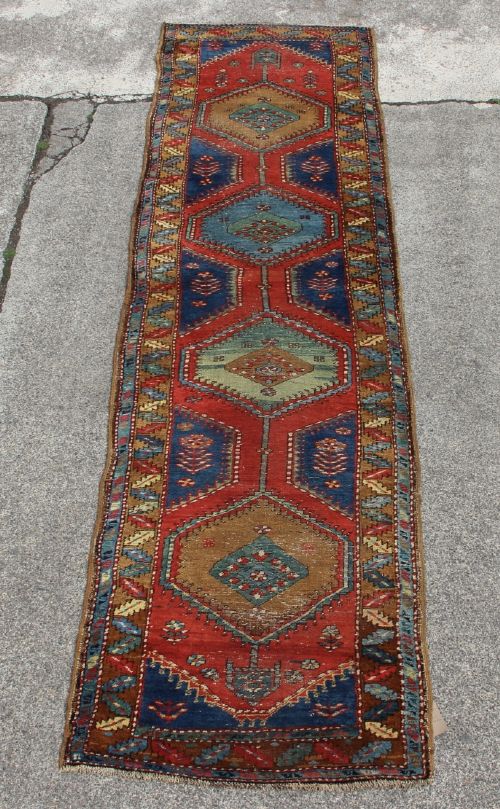
An oriental hallway runner is a long, narrow textile designed specifically for corridors, landings and high-traffic passageways. The pieces found here span from the late nineteenth century through to the mid-twentieth century, originating primarily from Persian, Turkish, Caucasian and Tibetan weaving traditions. Buyers seek these items to anchor long architectural spaces with authentic historical character.
The format encompasses various regional designations, including Kurdish, Heriz, Ushak, Oushak, Hamadan, Gendje, Shahsavan, Talish, Sarouk, Karaja, Bakshaish, Karabagh and Shirvan. Most examples take the form of elongated rectangles ranging from modest lengths to extensive spans of over six metres. These runners serve the practical purpose of protecting floorboards while delivering complex geometric or floral compositions at ground level.

Materials and construction
The foundation and pile rely on traditional natural materials, predominantly wool and cotton. Weavers utilised handspun wool for the surface pile because of its resilience and capacity to retain rich dye colours over decades of foot traffic. Cotton frequently forms the warp and weft threads, providing a stable, sturdy grid that maintains the straight lines required for a narrow corridor rug.
Construction methods involve handknotting or handweaving techniques passed down through generations in workshops and tribal communities. Artisans worked on upright looms, tying individual knots by hand to secure the dense pile against a sturdy foundation. This laborious process produced textile structures flexible enough to lie flat along a hall yet dense enough to withstand heavy daily use.
Oriental Hallway Runner Retail Price Guide 2026
Typical asking prices for oriental hallway runner among the pieces listed under this phrase on Sellingantiques today, from the lower quarter to the upper quarter. They describe what is for sale here now, not the wider market.
One remarkably long hall runner stretches to thirty-two feet, requiring a marathon stride just to admire the pattern from end to end.
Assessing quality and character
Quality in these textiles rests upon the precision of the knotting, the handling of the wool, and the depth of the palette. Finer examples display tight, uniform knots on the reverse, which allows intricate lattice and medallion designs to render with sharp clarity on the surface. The integrity of the foundational wool dictates how cleanly the borders and field patterns align along the length of the corridor.
Another measure of distinction lies in the subtlety of the dye work and the preservation of the edges and ends. Pieces that retain their original selvedges and balanced proportions demonstrate superior survival through generations of domestic life. Wear and distress alter the visual weight of a runner, shifting the character from crisp geometric formality to a softer, faded patina.
The Oriental Hallway Runner Glossary
- Runner
- A long, narrow carpet format intended for corridors, staircases and hallways. This shape guides the eye along architectural passageways.
- Pile
- The cut or loop surface of the rug formed by the vertical yarn ends. Wool pile provides cushioning and insulation underfoot.
- Warp
- The longitudinal threads stretched vertically on the loom before weaving begins. These form the structural skeleton of the textile.
- Weft
- The horizontal threads passed across the warp to lock the knots in place. Together with the warp, they create the firm grid of the base.
- Selvedge
- The finished bound edge running along the long sides of the rug. Secure selvedges prevent the textile from fraying or curling.
Oriental Hallway Runner: Frequently Asked Questions
How do I choose the right length for my hall?
Measure the clear floor space of your corridor, leaving an even border of exposed wood or stone around the edges. Long runners in this selection extend significantly, so matching the span to your exact hallway dimensions ensures proper balance.
Account for doors opening into the space and ensure the thickness of the rug does not obstruct clearance. Selecting a runner slightly shorter than the maximum possible length often frames the corridor more effectively.
Are these runners suitable for heavy foot traffic?
These historical textiles were constructed by hand using durable wool pile designed to endure generations of domestic use. Their sturdy cotton foundations and dense knotting provide the resilience needed for busy hallways and landings.
Routine maintenance involves gentle vacuuming without a rotating brush roll to protect the wool fibres. Placing an appropriate underlay beneath the runner prevents slipping and cushions the textile against hard flooring.
How do I identify different regional styles?
Regional styles reveal themselves through distinct colour palettes, border arrangements and motif structures. Caucasian pieces frequently exhibit sharp geometric lattices, whereas Persian Heriz or Kurdish carpets often incorporate bold central medallions and tribal field patterns.
Examining the weave density and the specific secondary colours used in the minor borders helps pinpoint the origin. Turkish Ushak runners tend to display softer floral abstractions and muted tones compared to the precise geometry of northern workshops.
What does a distressed finish mean for a rug?
A distressed finish indicates natural wear, fading and low pile resulting from age and extended use in a home. This patination softens the original contrast of the dyes, creating a muted appearance favoured for interiors requiring a relaxed aesthetic.
Distressed examples retain their structural integrity despite the surface thinning. The altered texture lends an organic, time-softened quality that integrates smoothly into both period properties and modern rooms.