









Oriental Floral Porcelain Plate
An oriental floral porcelain plate brings centuries of painted blossoms and intricate enamel work straight into your home.
Oriental Floral Porcelain Plate
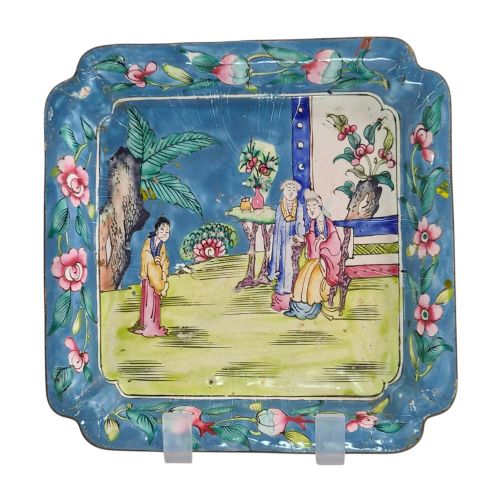
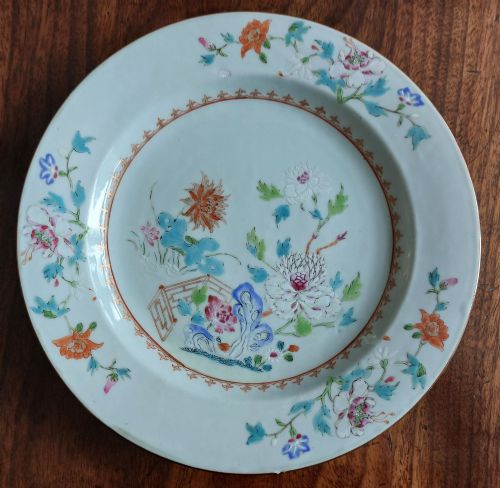
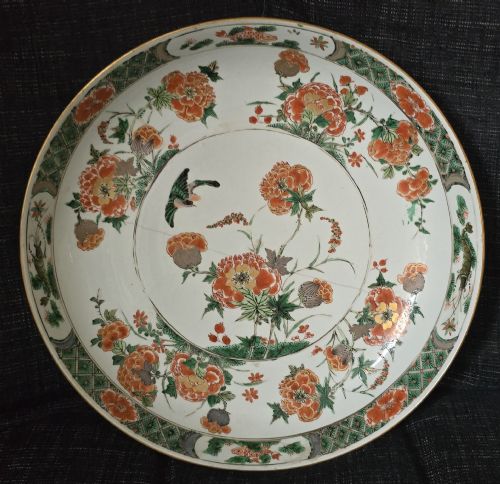
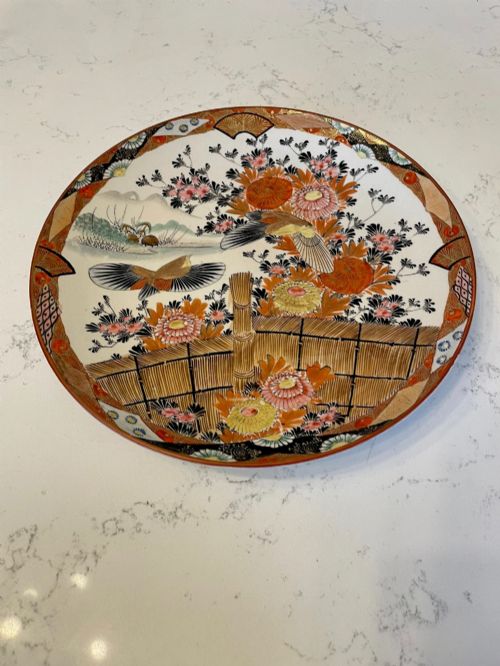
An oriental floral porcelain plate encompasses decorative dishes, chargers, and bowls originating from Chinese and Japanese kilns across several centuries. These vessels display botanical motifs such as peonies and wisteria, alongside traditional floral arrangements rendered in vibrant pigments.
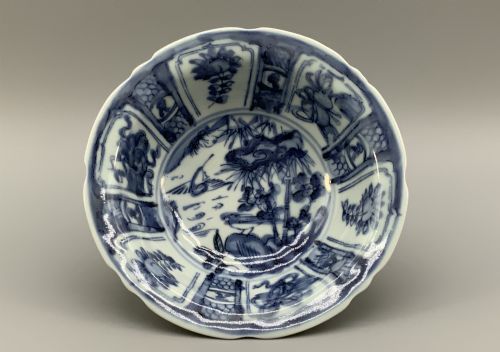
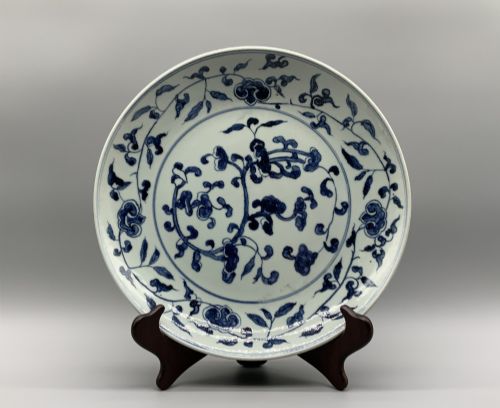
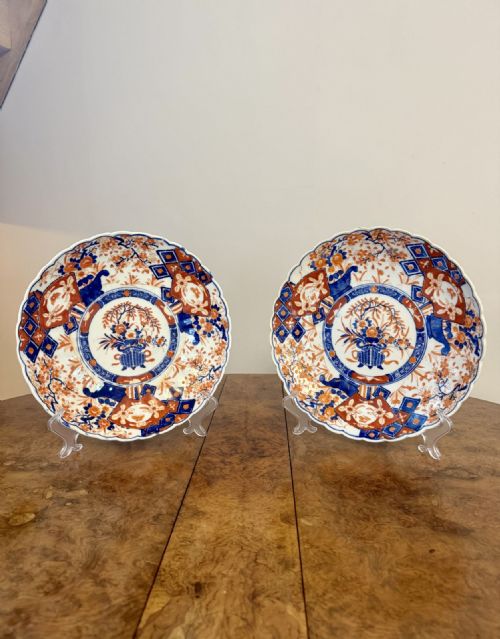
The selection here ranges from robust 17th-century Kangxi blue and white pieces to ornate Meiji period Japanese Imari wares. Buyers frequently encounter scalloped edge plates and large chargers designed for display rather than daily dining.
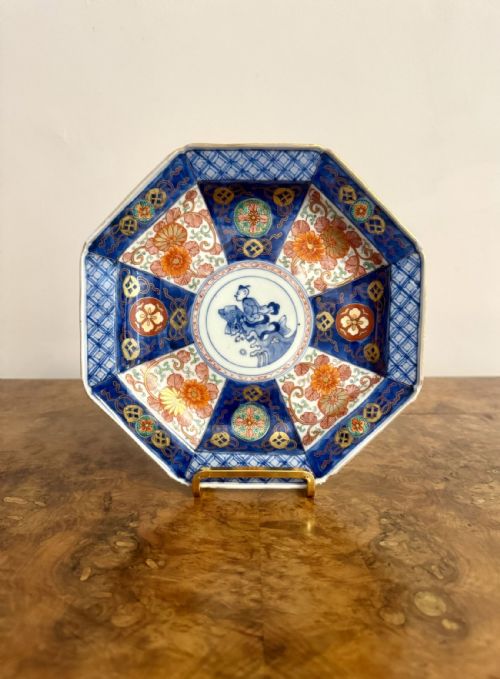
Early examples span the Qianlong and Kangxi periods, while later pieces date through the late 19th and early 20th centuries. The forms vary from shallow bowls and hexagonal plates to massive display chargers.
How they were made
Potters shaped fine ceramic and porcelain bodies before applying cobalt underglaze, enamel paints, and gold leaf highlights. The application of cobalt glaze created deep blue tones beneath the clear finish, which painters then augmented with overglaze polychrome enamels.
Kiln workers fired the porcelain at high temperatures to fuse the glaze to the clay body. Artisans executed subsequent enamel and gilt detailing during secondary low-temperature firings, fixing the metallic gold and bright pigments to the hardened surface.
Oriental Floral Porcelain Plate Retail Price Guide 2026
Typical asking prices for oriental floral porcelain plate among the pieces listed under this phrase on Sellingantiques today, from the lower quarter to the upper quarter. They describe what is for sale here now, not the wider market.
Listings feature porcelain from the 17th, 18th, and 19th centuries, including Kangxi, Qianlong, and Meiji period examples.
What varies in quality
The precision of the hand-painted floral and bird designs determines the upper tier of these ceramics. Skilled brushwork delivers crisp botanical outlines and deliberate shading, whereas lesser examples show hurried execution and simplified motifs.
The richness of the gilding and the depth of the cobalt underglaze separate standard production from superior pieces. Strong pigment saturation and clean porcelain bodies without major firing distortions elevate a plate or charger.
Shozo
The Oriental Floral Porcelain Plate Glossary
- Imari
- A style of Japanese porcelain featuring a distinctive palette of cobalt blue, iron red, and gilt highlights. These pieces originated in Arita and gained immense popularity for export.
- Famille Rose
- A major palette of Chinese ceramic enamels introduced in the 18th century, dominated by opaque pink and rose colours. The technique allowed for nuanced shading of floral petals and naturalistic foliage.
- Charger
- A large decorative plate utilised primarily for display on walls or sideboards rather than service at the table. These substantial pieces measure significantly wider than standard dinner plates.
- Glaze
- A glassy coating fused to ceramic bodies through firing to render the vessel impermeable and glossy. Cobalt versions use metallic oxides beneath the finish to create deep blue designs.
- Moriage
- A decorative ceramic technique involving piped clay applied in raised dots or lines to create texture. This method stands proud of the porcelain surface, often framing painted birds and flowers.
Oriental Floral Porcelain Plate: Frequently Asked Questions
How were oriental floral porcelain plates used?
Many of these large dishes and chargers served as decorative display pieces on walls, cabinets, or tables rather than practical tableware for food service. Their intricate enamel and gilt work made them prized items for interior decoration in European and Asian homes alike.
Smaller plates occasionally saw use during formal dining or tea service, though surviving antique examples generally show minimal wear due to careful preservation by collectors.
How do I clean and care for an antique plate?
Dust these porcelain pieces gently with a soft, dry cloth to remove surface particles. Avoid submerging antique ceramics in water, particularly pieces with overglaze enamels or gold leaf that can flake off with moisture and harsh detergents.
Keep display chargers secure on stable plate stands or wall mounts designed for heavy ceramics. Direct sunlight over many years can fade certain enamel pigments, so position display locations away from harsh windows.
How can I tell Chinese export wares from Japanese Imari?
Chinese export porcelain from periods like Kangxi or Qianlong often utilises famille rose or famille verte palettes with fine cobalt blue underglaze. The clay bodies and potting styles reflect specific imperial or export kiln traditions from mainland centres.
Japanese Imari relies on a heavy combination of cobalt blue, burnt orange, and gold leaf, frequently featuring scalloped edges and dense floral panels. The Arita kilns produced these distinct wares for both domestic markets and international trade.
What does Meiji period mean for these plates?
The Meiji period spans the late 19th and early 20th centuries in Japan, a time of rapid modernisation and prolific ceramic export. Plates and chargers from this era often display exceptionally detailed hand-painted flora, fauna, and gold gilt.
Artisans during this timeframe refined techniques like moriage and complex panel designs, catering to a strong international demand for traditional Japanese craftsmanship.