




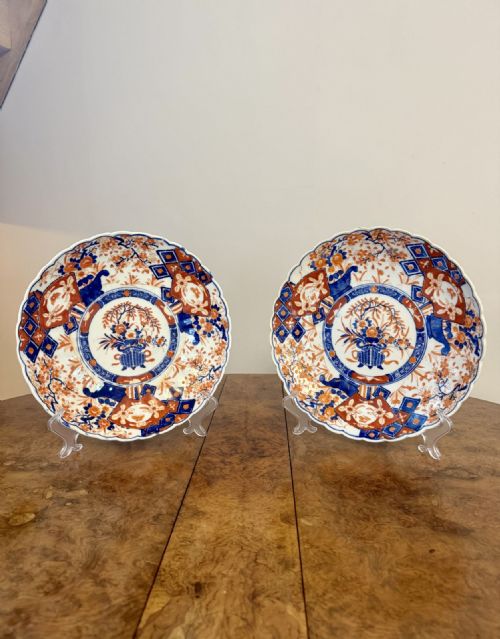


Oriental Export Wall Plates
Oriental export wall plates bring centuries of kiln artistry into domestic interiors, offering bold palettes and intricate painted motifs that anchor a room.
Oriental Export Wall Plates
Oriental export wall plates encompass decorative porcelain dishes, chargers, and platters created in East Asia for international markets across the eighteenth, nineteenth, and early twentieth centuries. When searching for oriental export wall plates, collectors encounter varied forms ranging from compact eighteenth-century examples to large nineteenth-century chargers.
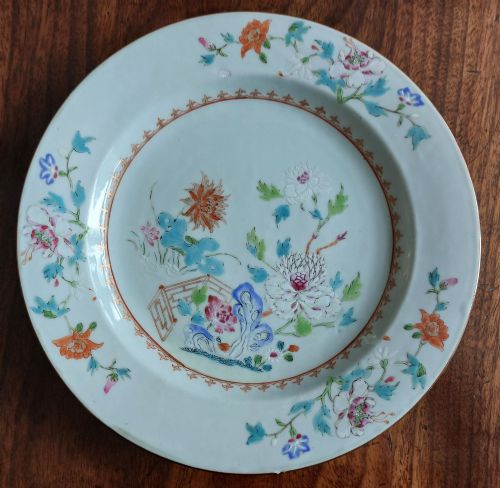
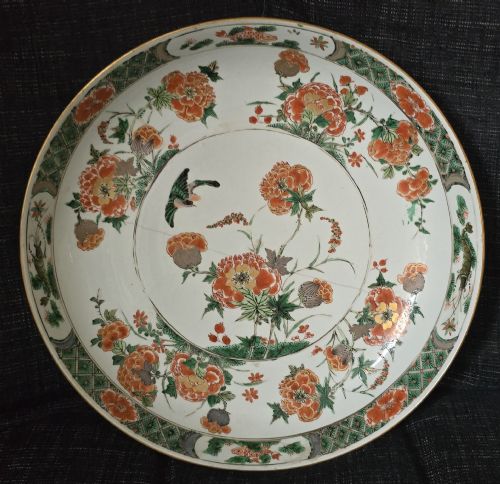
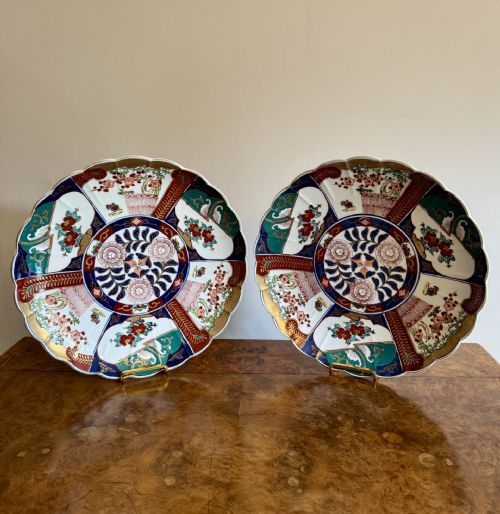
The material record on this page splits primarily between Chinese and Japanese workshops, including distinct traditions such as Imari ware, Arita dishes, and Canton Rose Medallion pieces. Buyers find both individual items and matched pairs or sets decorated with birds, floral compositions, and traditional export scenes.
Materials and production methods
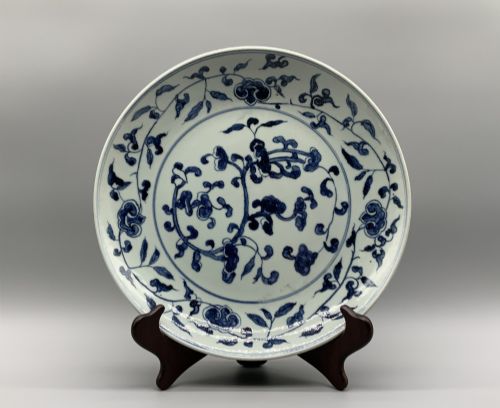
The pieces rely on hard-paste porcelain and ceramic bodies shaped into plates, chargers, and dishes, finished with smooth glazes that protect the painted surfaces. Cobalt underglaze provides deep blue tones beneath the clear glaze coat, establishing the foundational patterns on blue and white vessels.
Overglaze enamels, gold leaf, and gilt add vibrant colour highlights and metallic detailing after the initial firing. Hand painting remains the primary decorative technique across the Japanese and Chinese inventories, utilising pigmented enamels to apply intricate motifs.
Oriental Export Wall Plates Retail Price Guide 2026
Typical asking prices for oriental export wall plates among the pieces listed under this phrase on Sellingantiques today, from the lower quarter to the upper quarter. They describe what is for sale here now, not the wider market.
The listings span four centuries of production, recording porcelain and ceramic bodies finished with cobalt underglaze, enamel, and gold leaf.
Distinguishing quality in export ceramics
Quality rests upon the precision of the hand painting and the clarity of the underlying porcelain body, separating standard domestic wares from finely executed export pieces. Crisp brushwork in the cobalt underglaze and tightly controlled enamel application indicate superior workshop standards.
The depth and preservation of the gilding and gold leaf also divide ordinary examples from exceptional ones, alongside the overall balance of the composition across the face of the charger or plate.
The Oriental Export Wall Plates Glossary
- Charger
- A large decorative plate or platter traditionally used for display rather than dining. These pieces measure significantly wider than standard dinner plates.
- Imari palette
- A traditional decorative scheme utilising cobalt blue, iron red, and gold on a white porcelain ground. Originating in Japan, this style became widely popular for export wares.
- Famille rose
- A palette of opaque enamels dominated by pink or rose colours, introduced to Chinese ceramics during the Qing dynasty. It allowed for subtle tonal gradations in floral and figural subjects.
- Underglaze blue
- A decoration applied to the ceramic body before glazing and firing, using cobalt oxide. The resulting blue design is sealed permanently beneath a glossy transparent finish.
- Arita
- A Japanese town and production centre renowned for manufacturing porcelain. Wares from this region form a core component of historic export inventories.
Oriental Export Wall Plates: Frequently Asked Questions
How do I hang antique wall plates safely?
Displaying heavy chargers requires specialised spring-loaded brass hangers that secure the rim without placing undue stress on the ceramic body. Ensure the wall fixing is anchored directly into a stud or uses a rated plaster toggle.
Avoid wire adhesives or tension clips that grip solely by friction, as temperature shifts can cause porcelain to expand and loosen its grip over time.
What is the difference between Imari and Canton plates?
Imari pieces originate predominantly from Japanese kilns and rely on a distinct tripartite palette of underglaze blue, iron red, and gilt highlights. Their motifs often feature stylized florals, brocade patterns, and exotic birds.
Canton and Famille Rose wares from Chinese kilns utilise a softer spectrum of opaque enamels dominated by pinks and greens, frequently depicting interior court scenes or dense medallion borders.
Can I use these plates for serving food?
Historic export ceramics are intended primarily for display and decorative wall mounting rather than daily culinary use. Older glazes and overglaze enamel pigments can contain trace metals that leach when exposed to acidic foods.
Hand-washing is strictly necessary for any piece that encounters moisture, as vigorous scrubbing or modern dishwashers will degrade fragile nineteenth-century gilding and enamel work.
How do I distinguish eighteenth-century from Meiji period plates?
Eighteenth-century pieces, particularly those from the Kangxi or Qianlong eras, typically feature finer-grained porcelain bodies with subtle potting irregularities and understated underglaze cobalt painting. Meiji period and late nineteenth-century items often display denser, brighter enamel work and heavier gilding.
Examining the foot ring and unglazed base provides additional clues regarding firing techniques and kiln furniture marks specific to each century.