


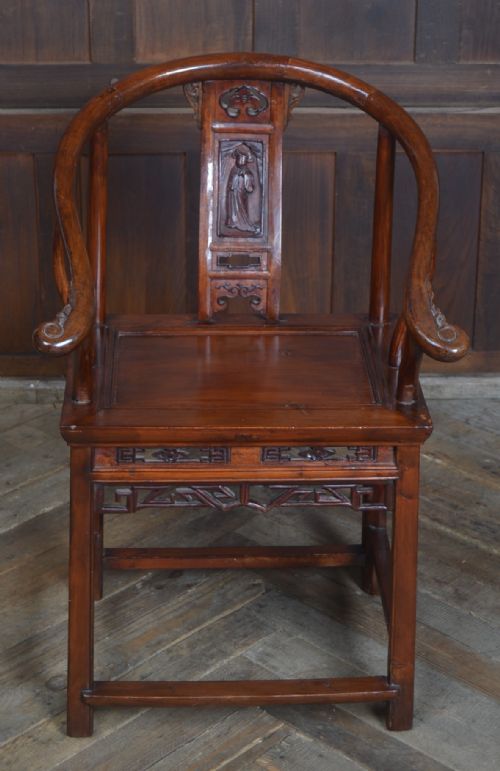

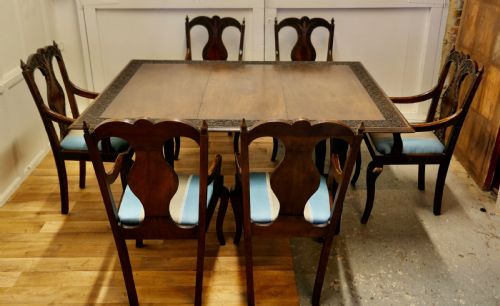


Oriental Dining Chairs
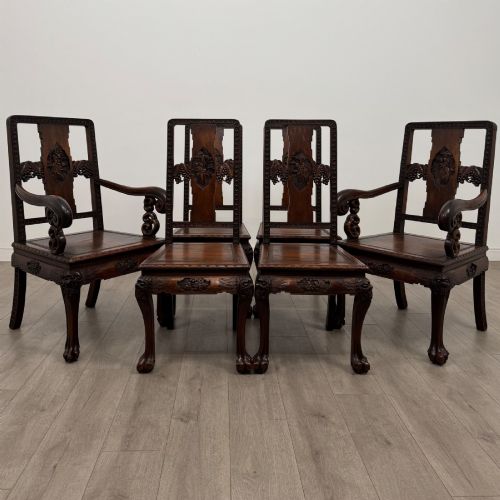
Oriental dining chairs bring centuries of distinct regional craftsmanship and rich surface finishes directly to the modern dining table.
Oriental Dining Chairs
Examples span from the early eighteenth century through the Victorian era and into the early twentieth century. These seating options integrate traditional Asian joinery and decorative motifs into domestic dining spaces.
How they were made
Construction relies heavily on timbers such as elm, huanghuali, and general hardwoods selected for structural durability and grain pattern. Cabinetmakers utilised traditional interlocking joinery systems that often required no metal fasteners to maintain stability.
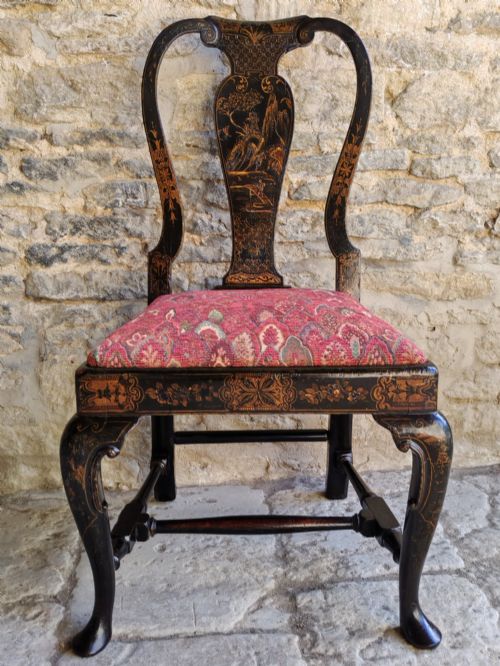
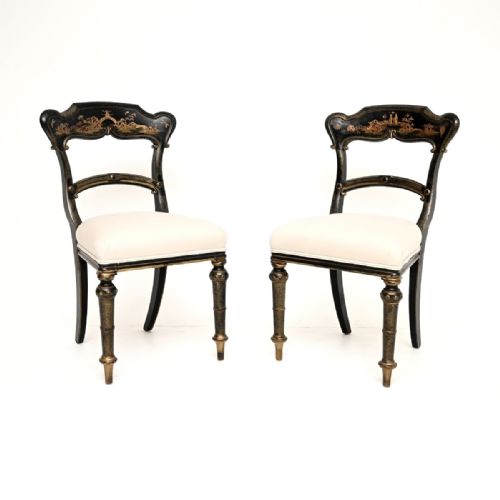
Surfaces frequently receive layers of lacquer, black lacquer, or paint to achieve smooth finishes and detailed chinoiserie decoration. Gilt highlights and woven cane inserts provide textural contrast to the solid wooden frames.
Some elm chairs retain traces of ancient lacquer hiding beneath generations of polite dining room polish.
What varies in quality
The integrity of the original timber and the precision of the traditional joinery dictate the baseline quality of each chair. Superior examples retain their structural firmness without excessive modern stabilization.
The condition and depth of the original lacquer, gilding, or painted finish separate exceptional pieces from heavily restored items. Retaining authentic surface patination elevates the historical standing of the chair within a collection.
The Oriental Dining Chairs Glossary
- Chinoiserie
- European decorative style inspired by Chinese artistic traditions, popular in furniture design during the eighteenth and nineteenth centuries. It often incorporates painted or lacquered motifs depicting imagined oriental landscapes and figures.
- Japanned
- European imitation of Japanese and Chinese lacquering techniques utilised on wooden furniture. This process involves building multiple layers of varnish and heat-curing the surface before adding decorative details.
- Yoke-back
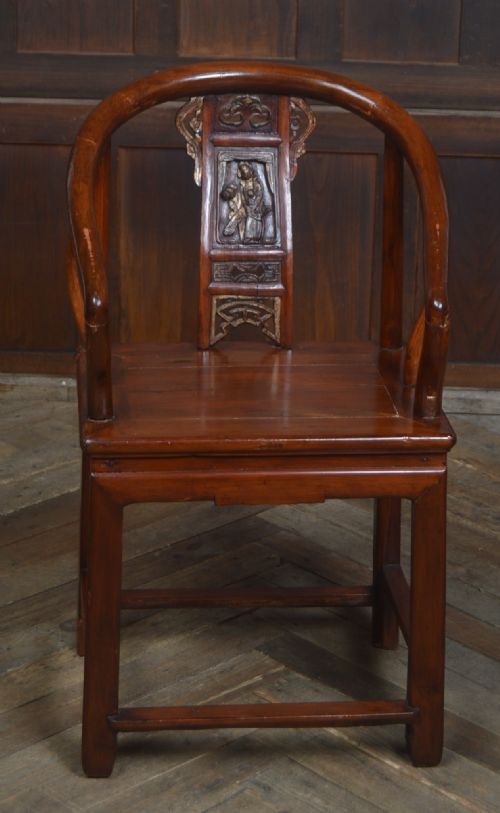
- Traditional chair design featuring a crestrail shaped like an ox yoke. This curved top rail provides ergonomic support for the sitter's upper back.
- Elm
- Durable timber frequently utilised in Chinese vernacular furniture construction. It offers strong resilience and a prominent grain pattern suitable for carved and shaped chair components.
Oriental Dining Chairs: Frequently Asked Questions
How do I clean lacquered chairs?
Dust surfaces gently with a soft, dry cloth to prevent scratching the delicate finish. Avoid chemical polishes and water, which can damage aged lacquer over time.
Keep pieces away from direct sunlight and fluctuating radiator heat to prevent the wood beneath from expanding and cracking the surface layers.
Are elm chairs durable for daily use?
Elm provides a sturdy and resilient timber framework capable of withstanding regular domestic seating demands. Traditional joinery methods distribute weight effectively across the chair frame.
Pairs and sets function well in active dining rooms when placed on level flooring to prevent undue stress on individual legs.
How do I date an oriental chair?
Examination of the timber shrinkage, joinery wear, and surface patination reveals indicators of age. Comparing construction methods against documented Qing Dynasty or European revival periods clarifies the timeline.
Changes in lacquer composition and hardware styles also help distinguish eighteenth-century origins from later nineteenth-century interpretations.