


Oriental Decorative Sculpture
These oriental decorative sculpture pieces span nineteenth and twentieth-century workshops, bringing varied Asian artistic traditions into domestic rooms.
Oriental Decorative Sculpture
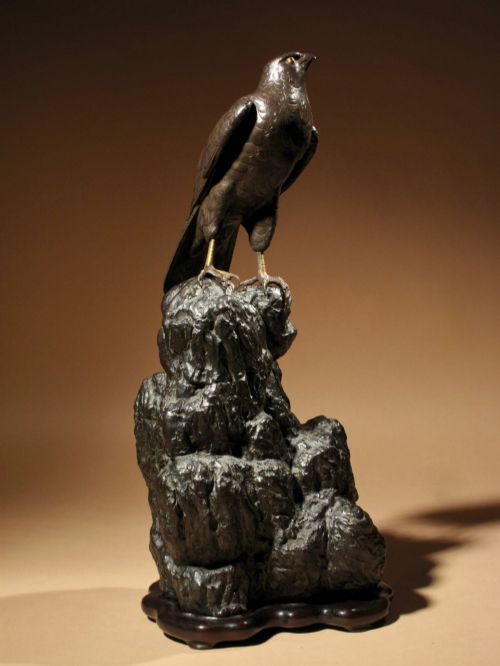
Oriental decorative sculpture encompasses figures, animals, and architectural carvings drawn from Chinese, Japanese, Indian, and Indonesian traditions. These objects range from nineteenth-century bronze beasts and hardwood figures to twentieth-century porcelain ducks and cloisonné birds.
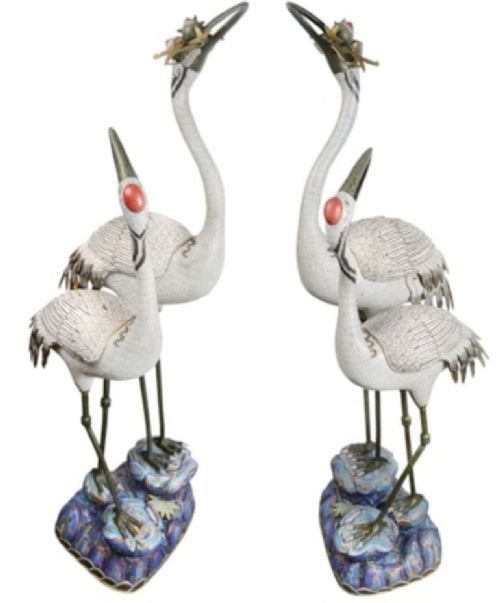
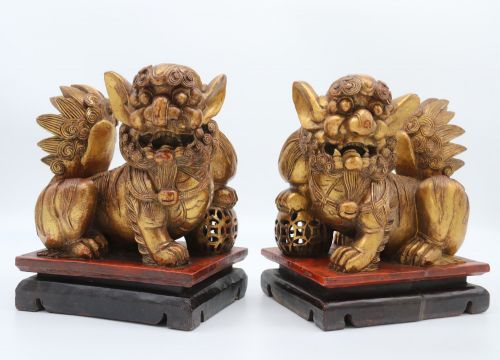
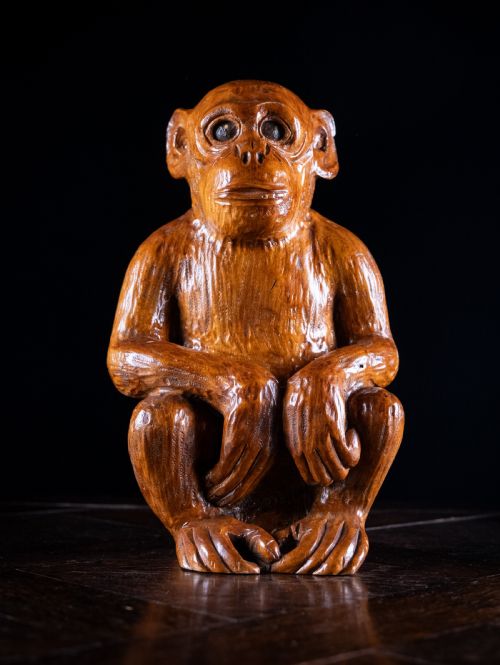
Buyers commonly encounter pairs of bronze horses, carved hardwood Foo dogs, and cloisonné cranes originating from the nineteenth century and the early decades of the twentieth century. Forms also include deities such as Buddha and Guanyin, alongside okimono and animal studies.
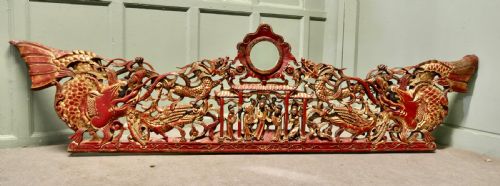
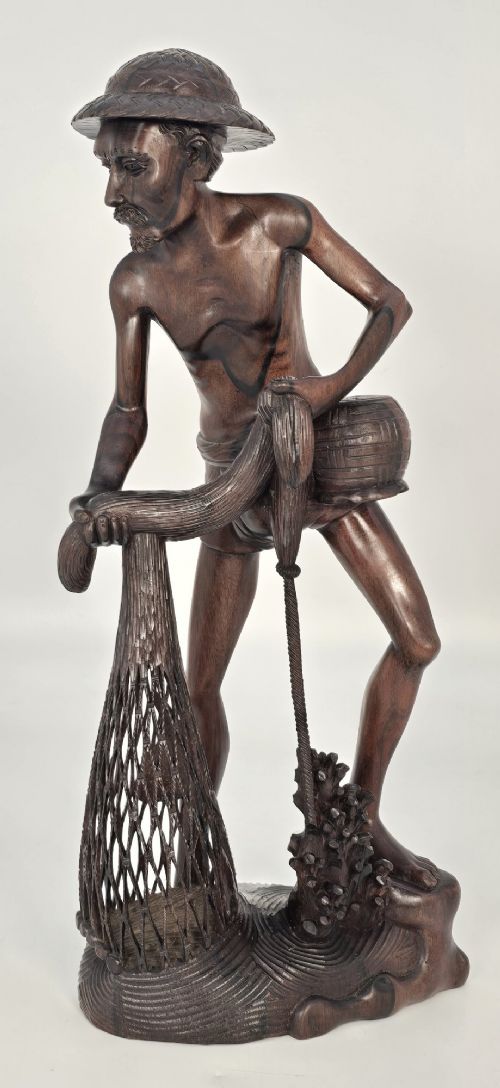
The materials reflect diverse regional techniques, combining carved woods, cast bronzes, enamels, and hardstones. Pieces vary from temple pediments to small domestic decorative figures.
Materials and construction
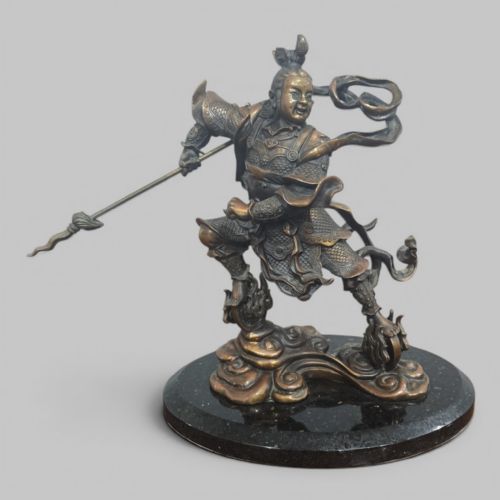
Metalworking traditions appear in cast bronze, gilt metal, and iron figures, alongside delicate cloisonné enamel work applied to wire compartments on copper or brass bases. Ceramic forms incorporate porcelain, Sancai glazes, and Satsuma or Kutani pottery styles.
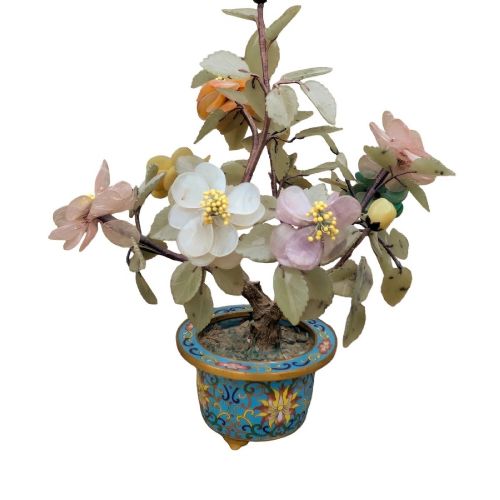
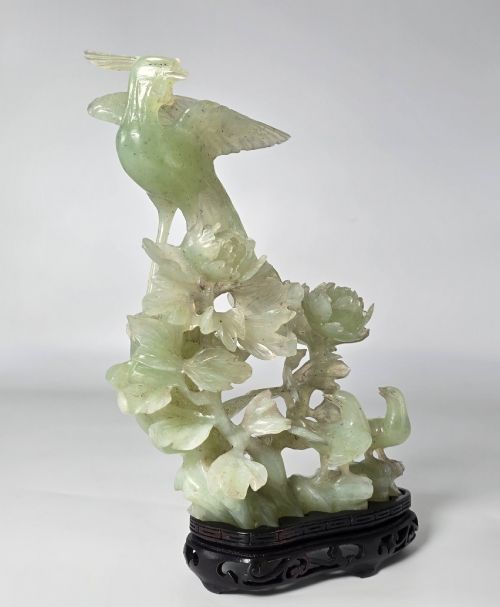
Hardstones such as jade and various green stones are carved into detailed groups, flowers, and animals, demonstrating precision in handling brittle minerals.
One gnarled wood carving cleverly portrays a man carrying a small boy on his shoulders.
Assessing quality
Quality rests upon the crispness of the carving and the precision of the casting. Superior pieces display deep, controlled undercut work in wood and stone, or smooth, evenly poured enamel in cloisonné vessels and figures.
Artistic expression distinguishes finer examples, where posture, anatomical accuracy, and facial detailing convey character rather than stiff repetition. The integration of materials, such as the harmonious pairing of hardstones in jardinières, indicates higher workshop standards.
Haruyama Shunzan
The Oriental Decorative Sculpture Glossary
- Cloisonné enamel
- Metalwork technique where thin wire partitions are soldered to a base and filled with enamel paste before firing. This method creates intricate patterns of coloured cells across birds, vessels, and decorative objects.
- Okimono
- Japanese decorative carving or figurine designed for display in a traditional interior setting. These objects typically depict animals, figures, or historical personages.
- Foo dog
- Guardian lion sculpture originating in Chinese tradition, placed to ward off evil spirits. They are frequently rendered in pairs using bronze, cast iron, or carved hardwood.
- Jardiniere
- Ornamental pot or stand designed to hold plants or floral arrangements, often incorporating hardstone flowers, jade, and cloisonné elements. They frequently represent miniature bonsai or garden scenes.
- Famille rose
- Palette of opaque overglaze enamels dominated by pink or rose colours, prominent in Chinese porcelain production. The style allows for subtle shading on figures and birds.
Oriental Decorative Sculpture: Frequently Asked Questions
How do I display a temple pediment?
Large carved architectural elements suit placement above doorways or mounted directly onto prominent interior walls as focal art pieces.
Ensure the supporting wall structure can bear the weight of dense nineteenth-century timber carvings.
How are bronze sculptures maintained?
Dust metal surfaces gently with a soft dry cloth and avoid applying modern chemical polishes that strip original patination.
Keep bronze figures away from damp environments to preserve the stable metal skin accumulated over decades.
Are cloisonne pieces fragile?
Enamel cells fused to metal bases withstand normal handling but remain vulnerable to sharp impacts that can chip the vitreous paste.
Display these items away from table edges where accidental knocks might cause surface damage.