




Natural Form Wood Carving
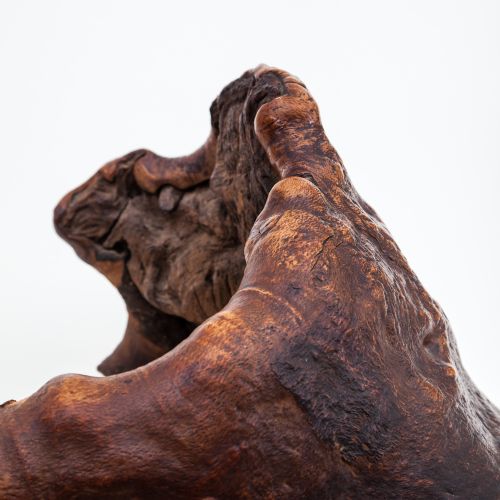
Natural form wood carving captures the organic contours of branches, roots, and burrs, turning raw timber into sculptures, furniture, and practical objects.
Natural Form Wood Carving
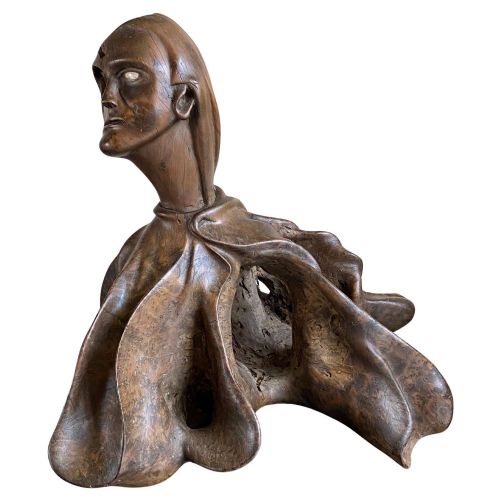
Natural form wood carving encompasses works shaped directly by the grain, twists, and knots of timber, root wood, and burr walnut. These pieces range from nineteenth century folk art twig tables and gnarled root carvings to early twentieth century modernism and sculptural figures.
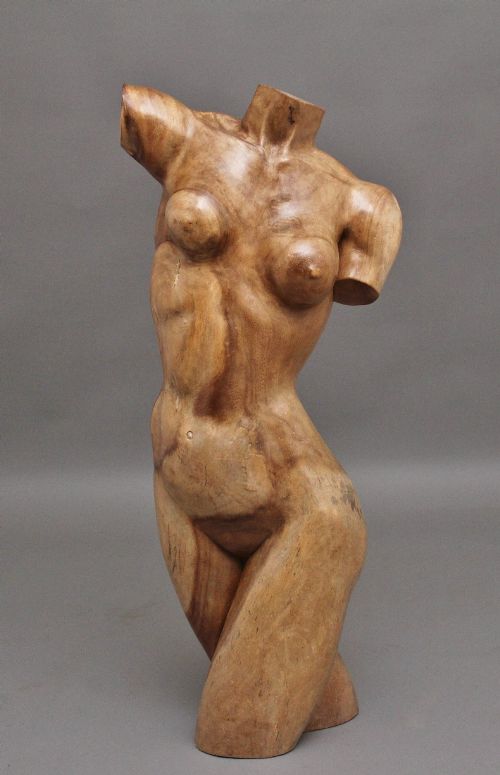
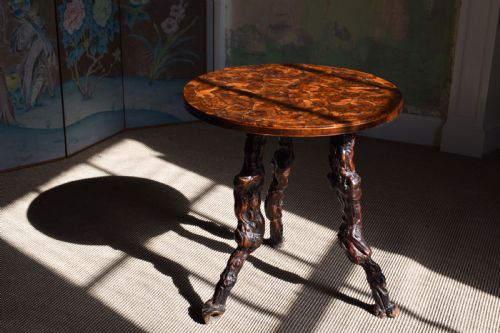
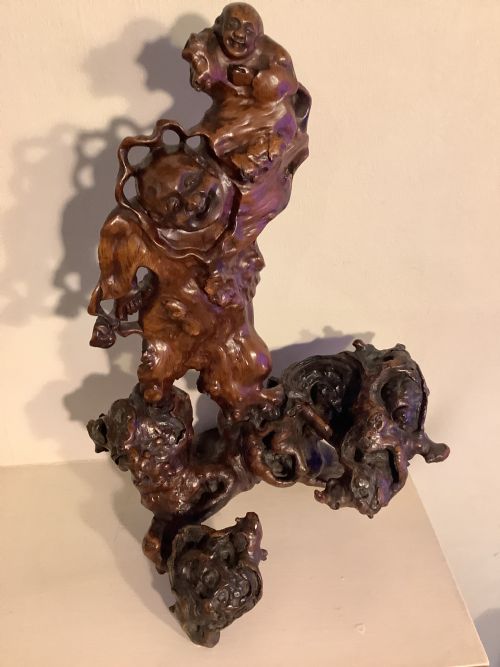
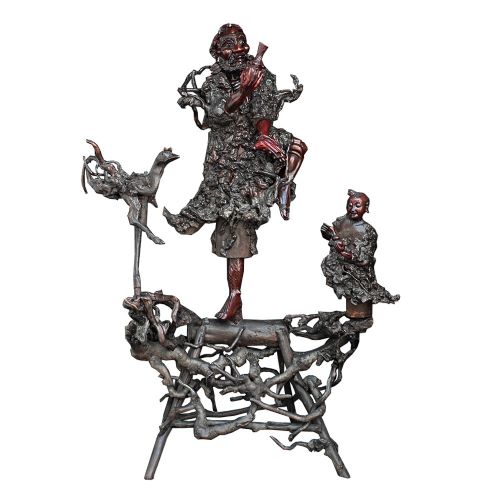
Buyers will encounter varied forms on this page, including life size human sculptures, side tables, snuff boxes, millinery forms, and children's furniture. Origins span British folk traditions, French provincial pieces, and Chinese burr root carvings from the eighteen seventies.
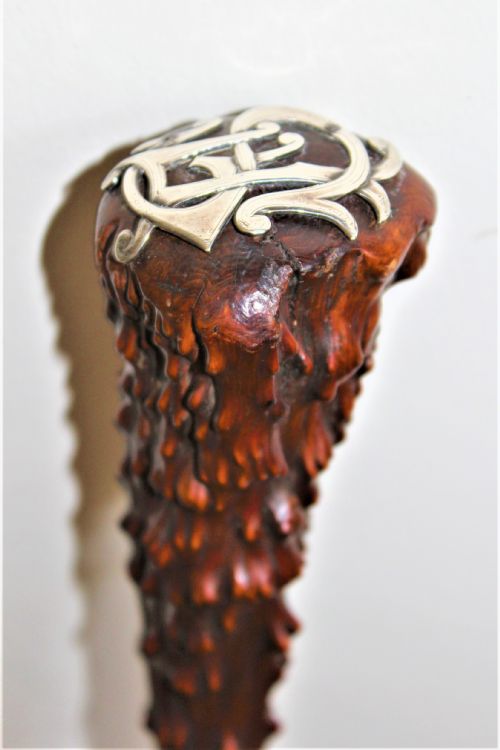
Many items blur the line between utility and pure sculpture, such as sturdy walking sticks and child's stools that retain the erratic shapes of their source material. The overarching aesthetic celebrates the inherent irregularities of timber rather than suppressing them.
Materials and construction methods
Carvers selected heavily figured timbers such as burr walnut, fruit wood, oak, yew, and gnarled root wood to build upon existing organic shapes. These dense materials required patient hand carving and polishing to reveal the grain while preserving the original twists and bark textures.
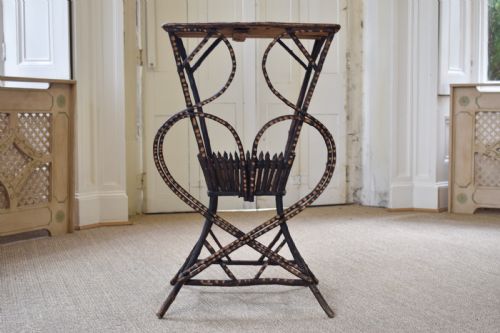
Makers often integrated natural branches and twigs directly into functional furniture frames, as seen in folk art twig tables. Other pieces involve meticulous carving into burr roots to isolate human figures, scholars, or abstract forms.
Materials span burr walnut, fruit wood, oak, yew, and raw twigs, demonstrating diverse approaches to organic timber.
Assessing craftsmanship and form
Quality rests on the dialogue between the carver's hand and the natural growth of the timber, distinguishing intentional sculptural manipulation from simple found branches. Superior pieces display a confident transformation of gnarled wood into recognizable figures or balanced furniture without losing the chaotic energy of the root.
The choice of material heavily dictates distinction, with dense burr walnut and richly figured yew commanding greater visual depth than plain timber. Finishes also vary, ranging from high polish that highlights grain patterns to raw, matte surfaces that emphasise tactile bark and twig structures.
The Natural Form Wood Carving Glossary
- Burr walnut
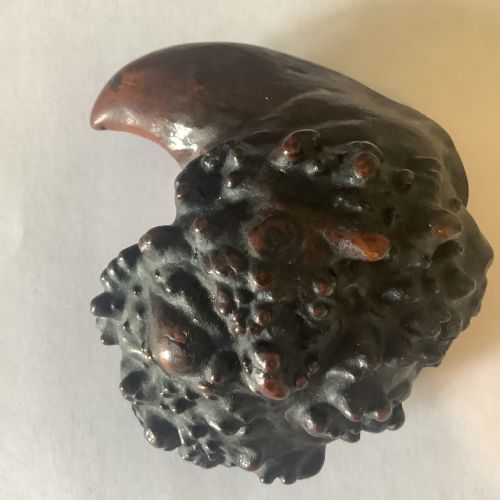
- A growth on a walnut tree where the grain has grown in a deformed manner, producing intricate patterns prized for decorative objects and snuff boxes.
- Millinery form
- A wooden block shaped like a human head or cap, used by hat makers to construct and shape millinery.
- Root wood
- The subterranean growth of a tree, highly irregular and twisted, frequently repurposed for rustic furniture and sculptures.
- Treen
- Small handmade wooden household objects, encompassing items like snuff boxes and small containers.
Natural Form Wood Carving: Frequently Asked Questions
What is a natural form wood carving?
It is an object shaped from timber, roots, or branches that incorporates the natural twists, knots, and irregularities of the living wood. Makers enhance these organic contours to create sculptures, furniture, and small vessels.
These pieces celebrate the inherent grain and growth patterns of trees rather than forcing the material into strict geometric shapes. The resulting works range from abstract root masses to carefully carved human figures.
How were twig tables used?
Twig tables served as rustic occasional furniture in nineteenth and early twentieth century homes, often placed in conservatories or country parlours. They brought an element of the outdoors into domestic interior spaces.
While sturdy enough for everyday use, their decorative value lay in the intricate lattice work of natural branches. They formed part of a broader taste for rustic and naturalist furnishings.
What is burr walnut?
Burr walnut is taken from a specific tree growth that produces a swirling, highly figured grain filled with small knots and eyes. It was frequently selected for small luxury items like snuff boxes and decorative root sculptures.
Because of its unpredictable patterns, carvers had to work carefully to highlight the depth of the timber. This wood brings a rich texture and dark warmth to carved objects.
How do I care for antique root wood?
Keep root wood furniture and sculptures away from direct sunlight and sudden temperature shifts to prevent the timber from splitting. Dust gently with a dry or slightly damp cloth.
Avoid heavy commercial waxes unless necessary, as many antique pieces retain dry or polished surfaces that benefit from minimal intervention. Allowing the wood to breathe preserves its natural patina.
What are millinery forms?
Millinery forms are solid wooden blocks carved to the shape of human heads, historically used by hat makers to design and shape headwear. French fruit wood examples often show smooth surfaces worn by decades of workshop use.
Today, these forms are collected as sculptural objects for their striking silhouettes and tactile wooden surfaces. They represent a direct intersection of practical craft and organic sculpture.