

Burr Wood Carving
Burr wood carving brings together striking natural grain patterns and sculptural detail across tables, cabinets and small decorative objects.
Burr Wood Carving
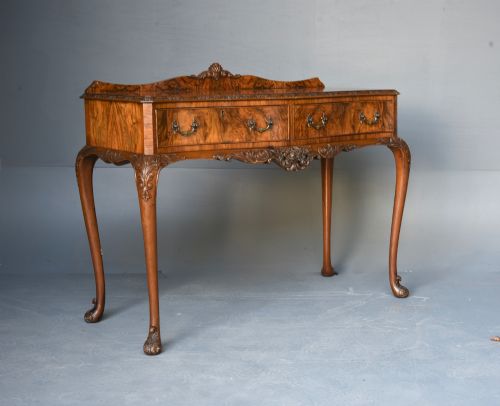
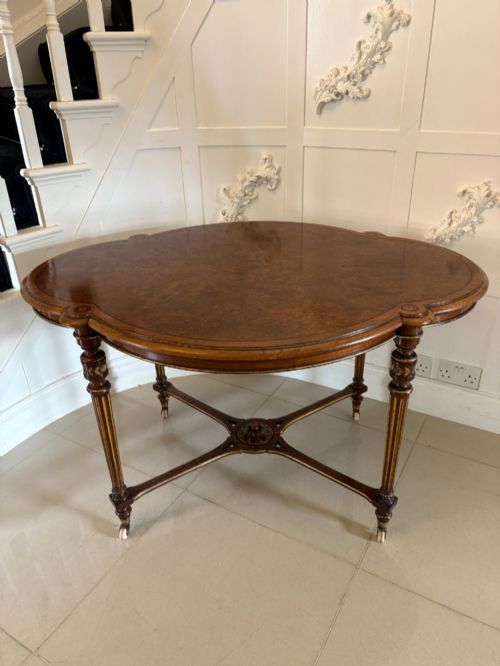
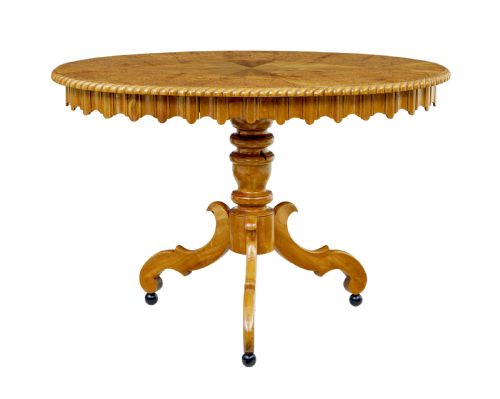
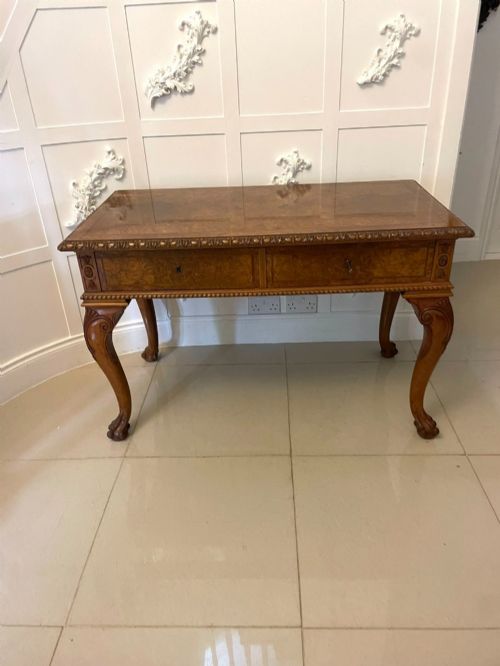
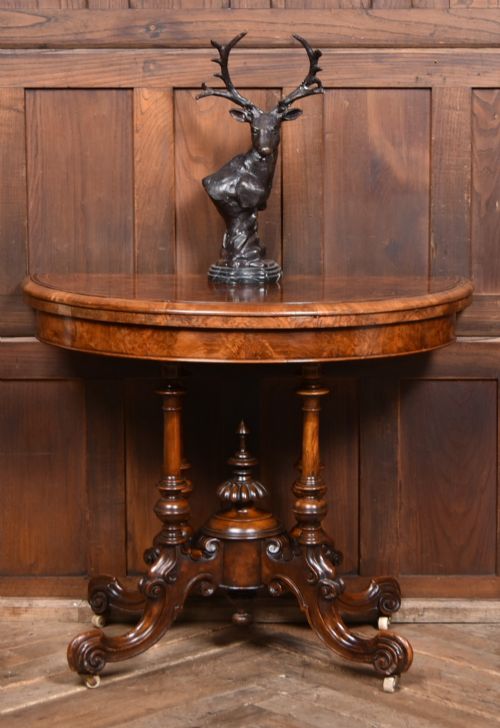
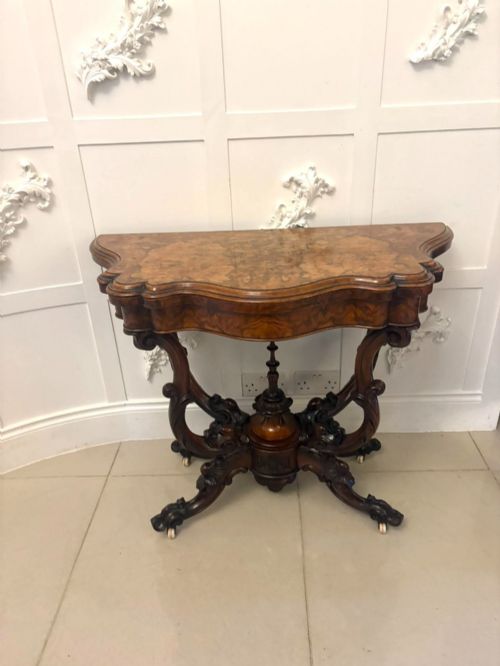
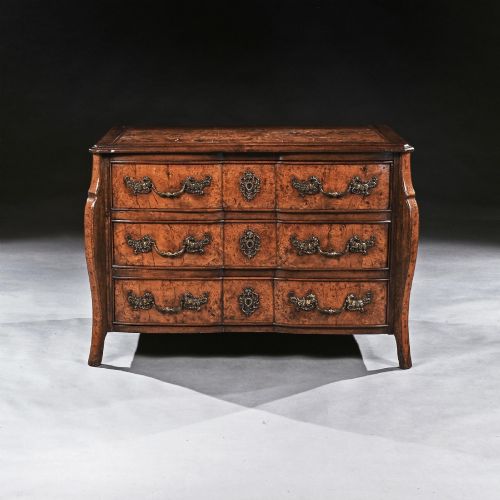
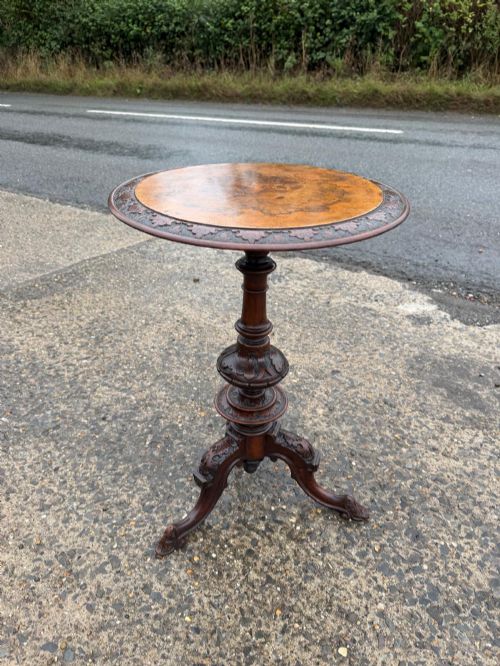
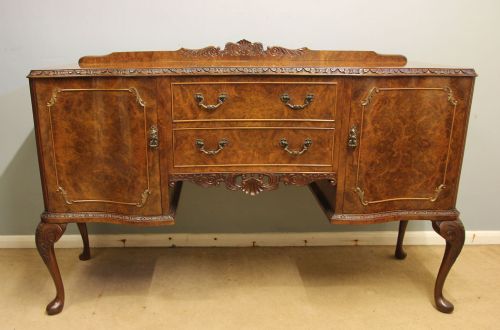
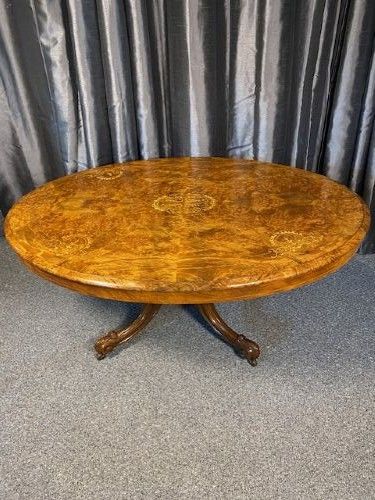
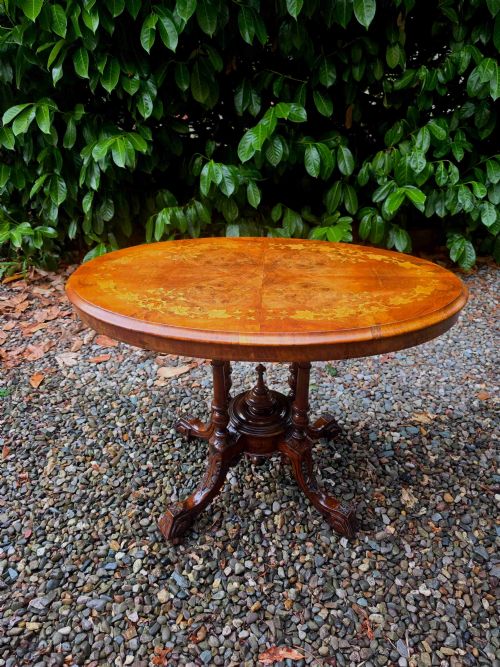
When you examine burr wood carving, you encounter pieces dominated by the swirling, knotted grain patterns of burr walnut and burr elm. These timbers appear across a wide variety of forms, from Victorian games tables and occasional tables to Edwardian side tables and 18th century commodes.
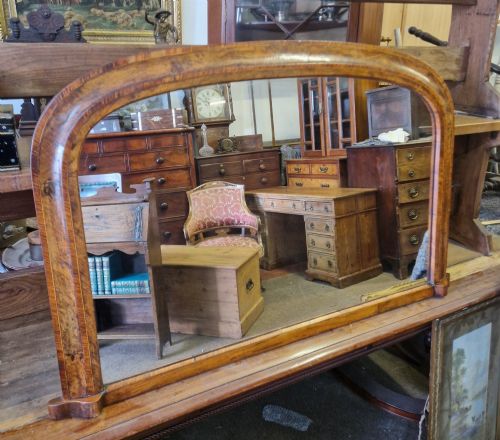
You are most likely to meet Victorian and 1920s examples on this page, particularly occasional tables, coffee tables, and fold-over card tables. Many incorporate secondary materials like brass, leather, and mirror glass to complement the richly figured wood surfaces.
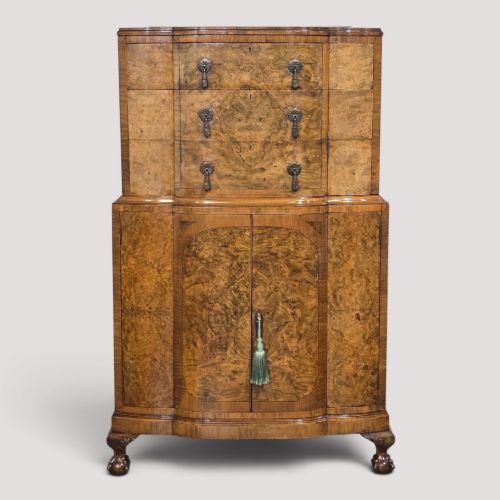
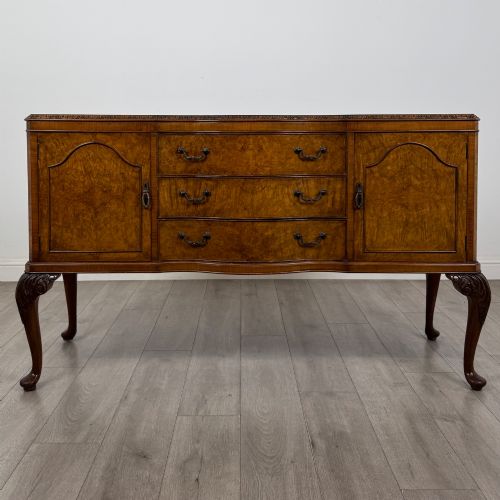
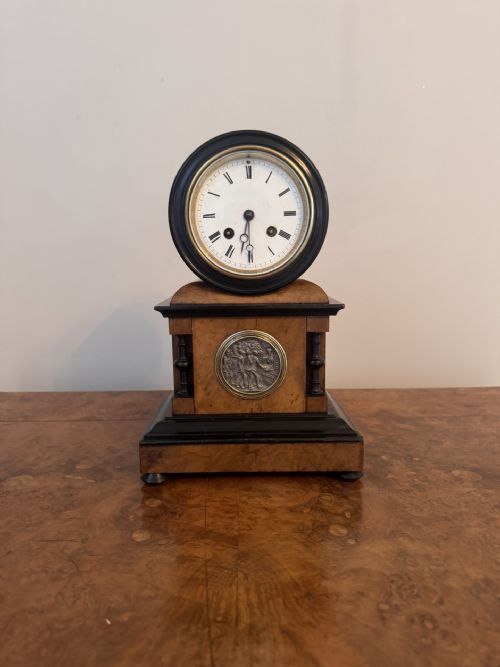
The selection ranges from larger furniture such as chiffoniers and low bookcases down to smaller decorative items like snuff boxes. Each piece utilises the natural distortions of the tree growth to create distinctive patterns across flat panels and moulded edges.
Assessing quality
Quality rests primarily on the density and visual impact of the burr figuring across the primary surfaces. Pieces featuring tightly packed, symmetrical grain patterns placed with deliberate book-matching stand apart from those with plain or fragmented timber selection.
The precision of the cabinetwork and joinery defines the upper tier of the range. Seamless veneer work around curved serpentine fronts, well-integrated carved details, and the survival of original interior fittings indicate superior workshop production.
Materials recorded across the inventory include burr walnut, burr elm, hardwood, brass, leather, and mirror glass.
Maple & Co
The Burr Wood Carving Glossary
- Burr wood
- A growth on a tree where the grain has grown in a deformed, swirling manner, producing highly prized figured veneer when sliced.
- Serpentine
- A furniture front or edge that curves outward in the centre and inward at the sides, often seen on 19th century sideboards and tables.
- Canterbury
- A low stand with partitioned sections, originally designed for holding sheet music or newspapers, frequently constructed in walnut.
- Lowboy
- A small dressing table or side table with one or more rows of drawers, standing on relatively tall legs.
- Book-matching
- A technique of placing adjacent veneer slices next to each other to create a symmetrical mirror-image pattern.
Burr Wood Carving: Frequently Asked Questions
What is burr walnut?
Burr walnut comes from a growth or excrescence on a walnut tree, yielding timber with intricate, swirling patterns of knots and eyes.
Cabinetmakers slice this wood into thin veneers to display the dramatic grain across the surfaces of tables, cabinets, and small decorative boxes.
How do I care for burr furniture?
Keep burr wood pieces away from direct sunlight and sources of extreme heat to prevent the delicate veneers from drying out or cracking.
Dust regularly with a soft, dry cloth and apply occasional appropriate wax polish to maintain the finish and protect the timber.
How do I identify Victorian pieces?
Victorian items often feature deep, rich walnut tones, heavy turned or carved supports, and traditional joinery methods suited to the 19th century.
Examining the secondary timbers inside drawers and checking for period-appropriate hardware helps confirm the date of manufacture.
Where were these tables used?
These tables served various domestic functions in 19th and early 20th century homes, acting as centre tables, games surfaces, or occasional stands.
Card tables and chess tables provided entertainment in reception rooms, while smaller lamp tables found places beside seating.