


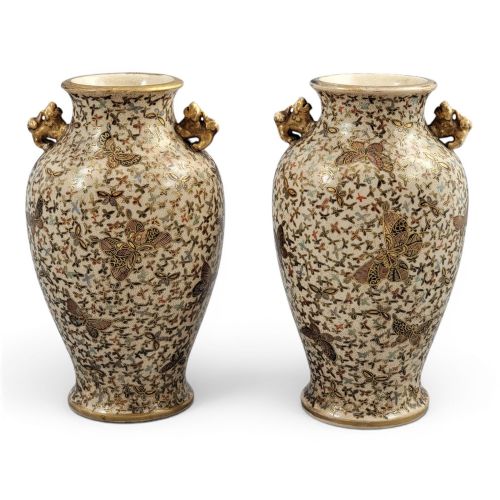
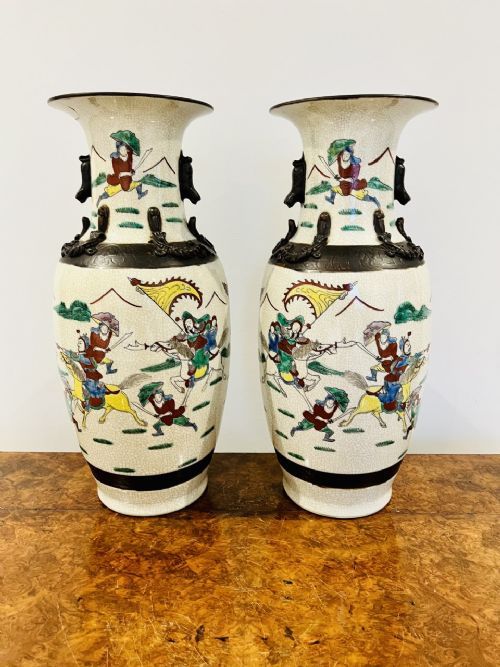


Oriental Crackle Glaze Vase
An oriental crackle glaze vase brings intricate surface network patterns and hand-painted detail into a room from periods spanning the late nineteenth century to the early twentieth century.
Oriental Crackle Glaze Vase
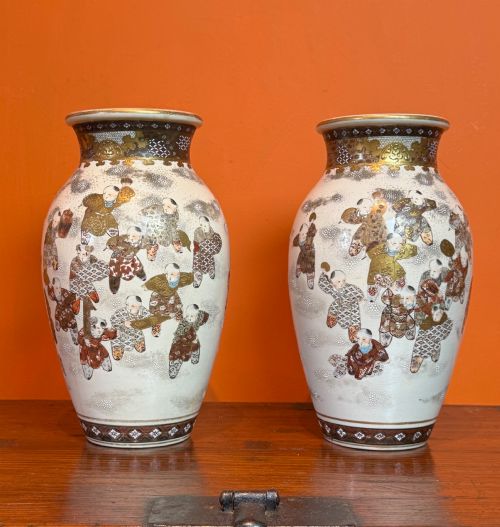
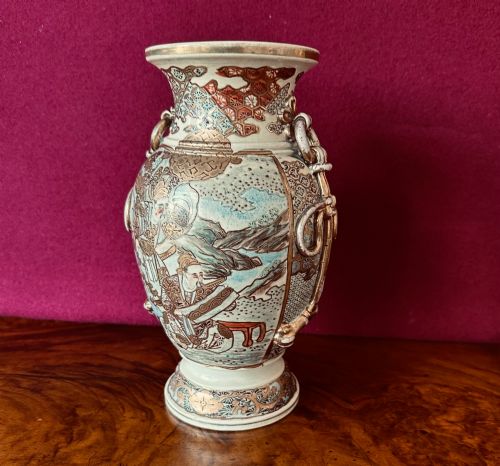
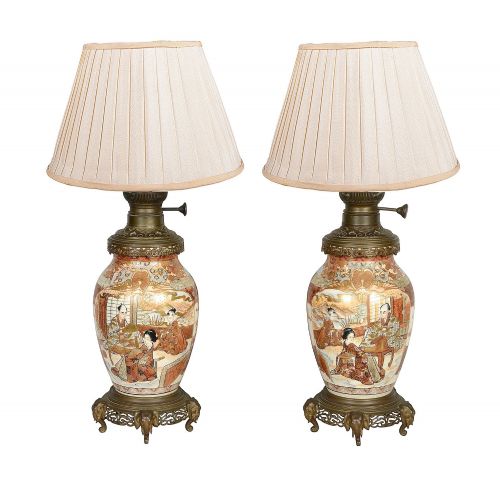
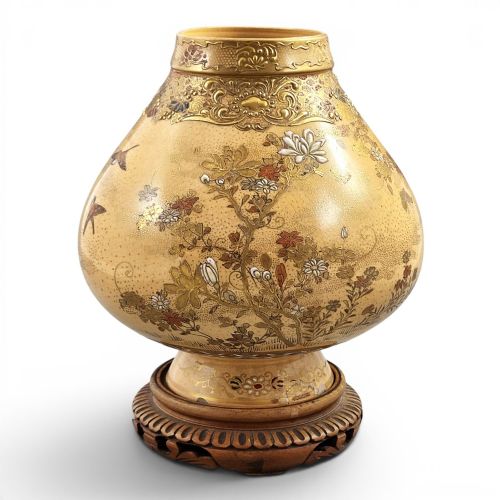
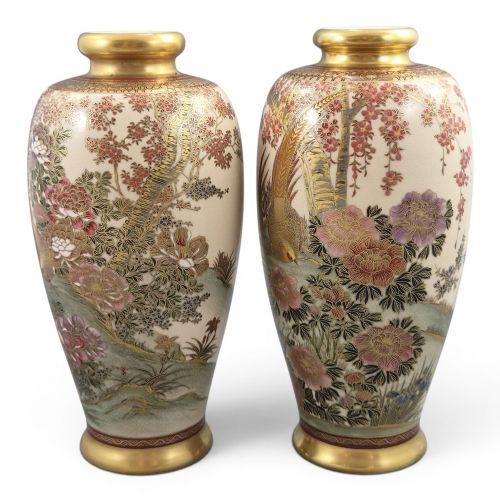
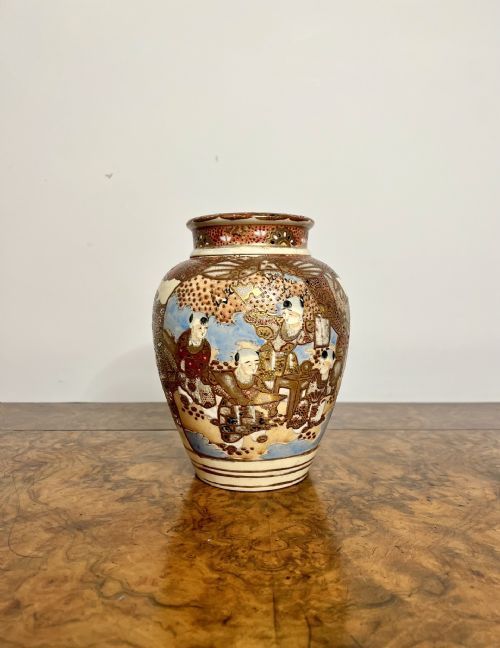
An oriental crackle glaze vase is a ceramic vessel featuring a distinctive web of fine surface fissures in the glaze, appearing across various forms including baluster shapes, ginger jars, and table lamps. These pieces originate predominantly from Japanese Satsuma workshops of the Meiji and Taisho periods, alongside Chinese celadon and blue and white crackleware examples dating from the nineteenth century.
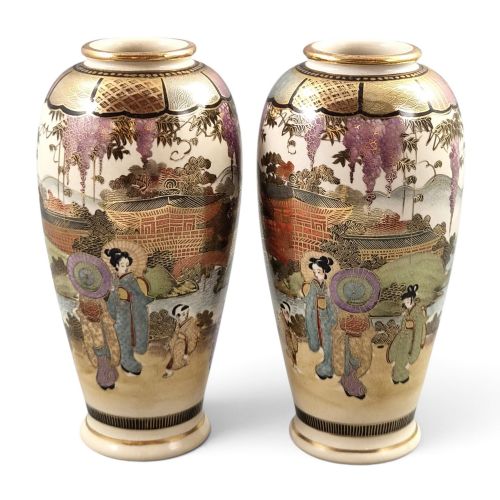
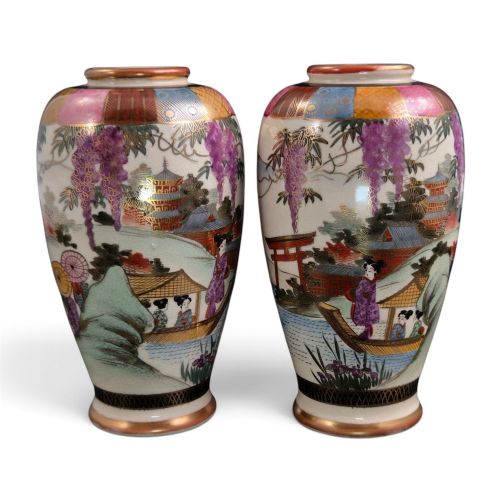
Buyers meeting this search phrase will most frequently encounter Japanese Satsuma earthenware and ceramic items adorned with enamel and gold leaf decorations depicting court figures, landscapes, and floral motifs. Pairs of vases and converted lamp bases from the Victorian and Edwardian eras dominate the selection, reflecting international trade and export tastes of the period.
The objects range from miniature cabinet pieces measuring only a few inches to monumental garniture sets intended for prominent display. Forms include hexagonal vessels, tripod urns, and covered jars, capturing diverse stylistic movements from Kyoto workshops and Chinese dynastic traditions.
How they were made
Makers shaped ceramic and earthenware bodies on the wheel or in moulds before applying specialised glazes designed to craze intentionally during cooling, creating the characteristic crackle network. Artisans then hand-painted detailed figurative and botanical scenes utilising mineral enamels and raised moriage relief work.
Gilding with gold leaf highlights borders, garments, and architectural elements, requiring precise brushwork by skilled painters. Workshops in Kyoto and Kobe fired these pigments onto the glazed surfaces in subsidiary low-temperature kilns to bond the colours securely.
Oriental Crackle Glaze Vase Retail Price Guide 2026
Typical asking prices for oriental crackle glaze vase among the pieces listed under this phrase on Sellingantiques today, from the lower quarter to the upper quarter. They describe what is for sale here now, not the wider market.
Several miniature vases preserve microscopic artisan signatures hidden among bustling court processions and fluttering butterfly swarms.
What varies in quality
The standard of painting determines much of the distinction between pieces, separating hurried export ware from the meticulous output of named studios like Kinkōzan. Precision in facial expressions, the delicacy of the enamel work, and the complexity of the thousand butterflies or floral motifs indicate the skill of the decorator.
The crispness of the crackle glaze pattern and the richness of the gold leaf application further separate ordinary vessels from exceptional works. Signed pieces with clear workshop marks or artist signatures demonstrate a higher level of execution and deliberate craftsmanship.
Shozan Satsuma·Manpei Kobe·Kinkōzan Workshop·Kinzan Satsuma·Chosei Kyoto·Seiko-en Chokei·Choshuzan·Hattori·Hayakawa
The Oriental Crackle Glaze Vase Glossary
- Satsuma
- Earthenware pottery originating from Satsuma province in Japan, typically featuring an ivory-coloured, crackled glaze painted with enamels and gilding. These wares became a major export during the Meiji period.
- Moriage
- A decorative technique using slip applied in raised dots or lines to create a tactile, three-dimensional effect on ceramic surfaces. This method accentuates robes, foliage, and borders.
- Crackleware
- Pottery or porcelain featuring intentional network cracks in the glaze layer, caused by differential cooling rates between the body and the vitreous coating. Chinese potters developed this effect before Japanese makers adopted similar techniques.
- Meiji Period
- The era of Japanese history lasting from 1868 to 1912, characterised by the opening of trade with the West and a flourishing of decorative arts for export. Works from this time display extraordinary detail and technical skill.
- Celadon
- A type of green-glazed ceramic originating in China, known for its jade-like appearance and subtle crackle patterns. These vessels range from early dynastic pieces to later revival forms.
Oriental Crackle Glaze Vase: Frequently Asked Questions
How do I clean an antique vase?
Dust gently with a soft, dry brush to protect delicate enamel and gold leaf decorations. Avoid water or liquid cleaners, which can seep into unglazed bases or old crackle networks.
Keep these vessels out of direct sunlight to prevent fading in the hand-painted pigments over time.
Were these pieces made for export?
Many Japanese and Chinese crackle glaze items from the nineteenth and twentieth centuries were produced specifically for Western export markets. International exhibitions and trade demand shaped the decorative motifs and forms sent abroad.
Export wares often combined traditional East Asian imagery with shapes suitable for European and American interiors.
How can I tell Satsuma from other ceramics?
Look for a fine crackle network across a warm, cream-coloured earthenware body beneath painted enamel and gilt scenes. The paste is typically softer and more porous than hard-paste porcelain.
Signatures or workshop marks in iron red or gold frequently appear on the base of finer examples.
What is moriage decoration?
Moriage is a slip-trailing technique that builds up raised patterns on the ceramic surface before glazing and firing. Artisans use this method to add texture to robes, flowers, and architectural details.
This raised work catches the light and adds a distinct tactile quality to the vessel.