




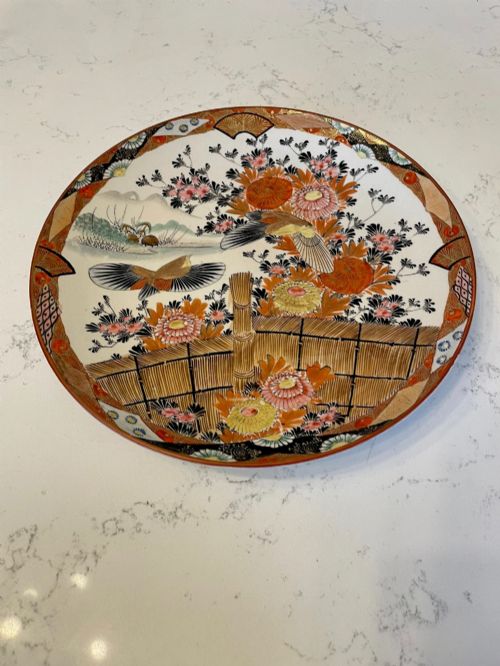
Oriental Ceramic Ware
These pieces of oriental ceramic ware combine fine hand painting with centuries of tradition, offering both decorative presence and historical depth for any room.
Oriental Ceramic Ware
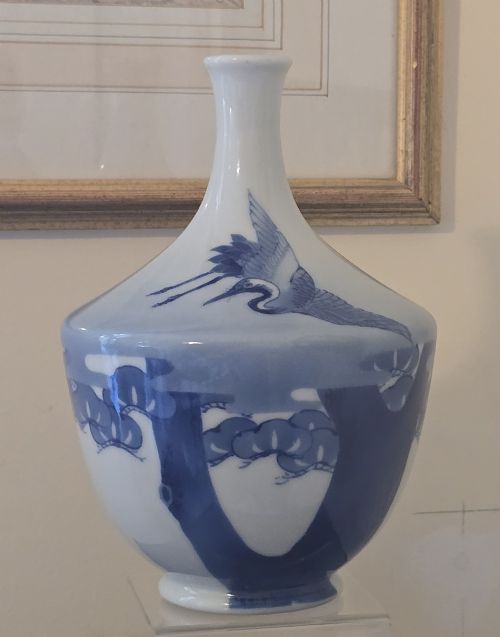
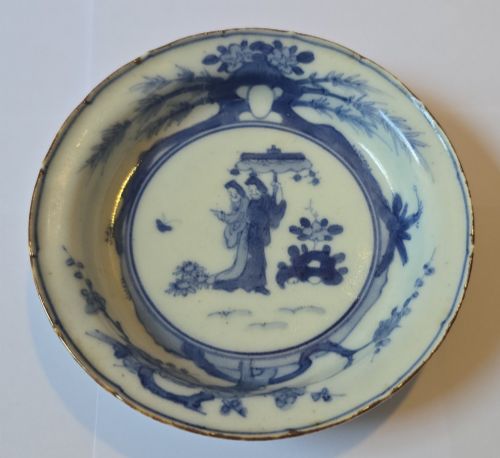
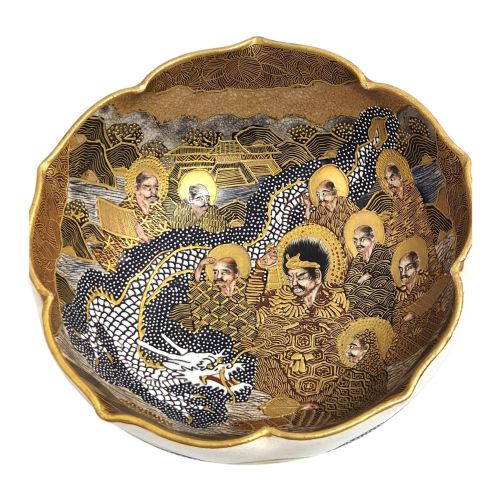
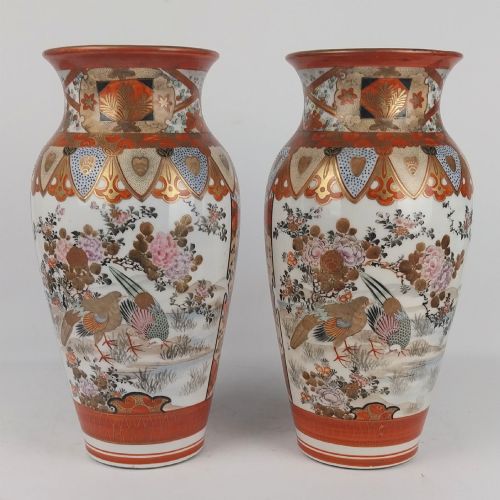
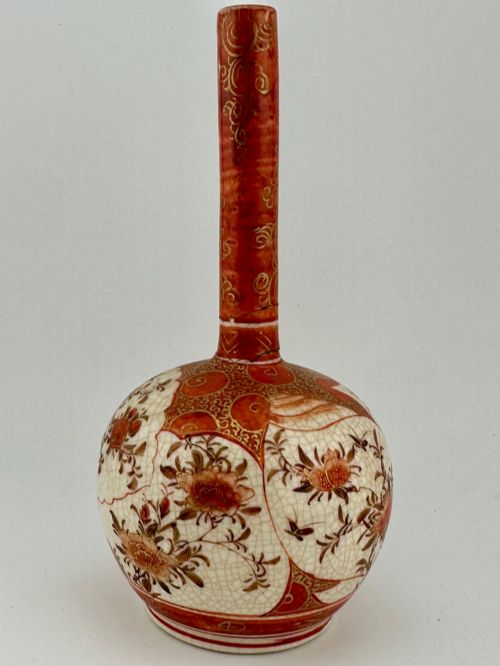
Oriental ceramic ware covers a diverse range of objects originating from Asian kilns, spanning functional vessels to purely decorative displays. You will frequently encounter Japanese Imari chargers and plates alongside Kutani vases and Satsuma bowls.
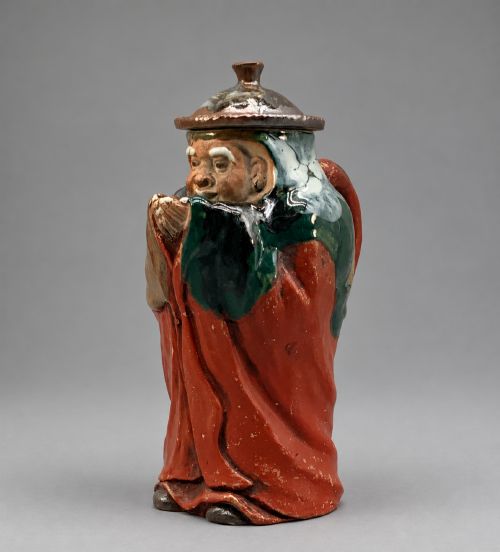
The selections here extend from the nineteenth century into the early twentieth century, incorporating Victorian and Edwardian periods alongside earlier dynasties. Forms vary from small dishes and teapots to large jars, incense burners, and figural pottery.
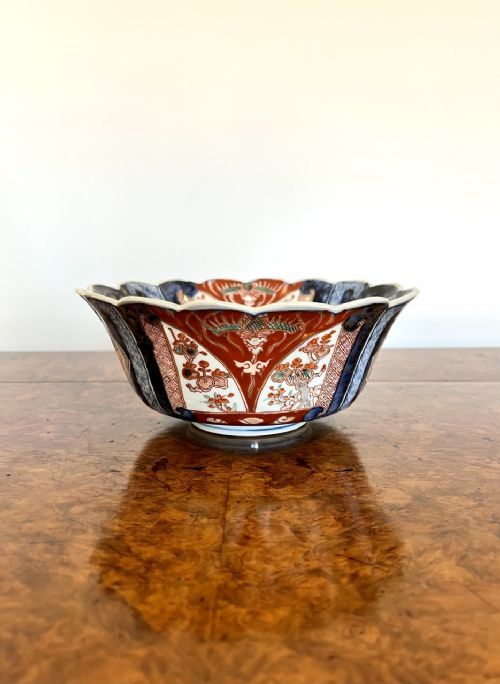
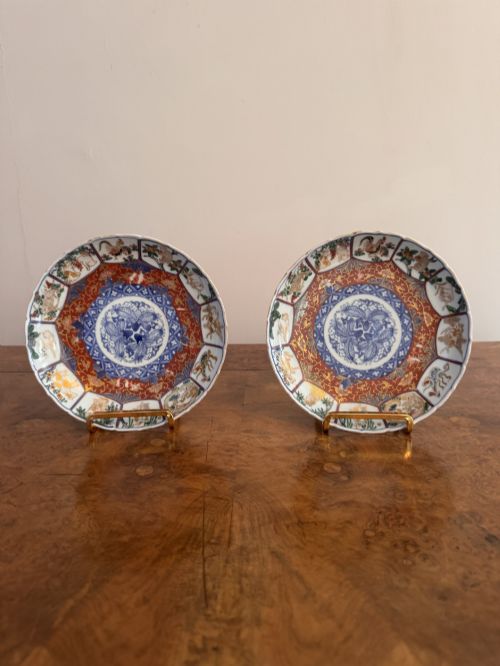
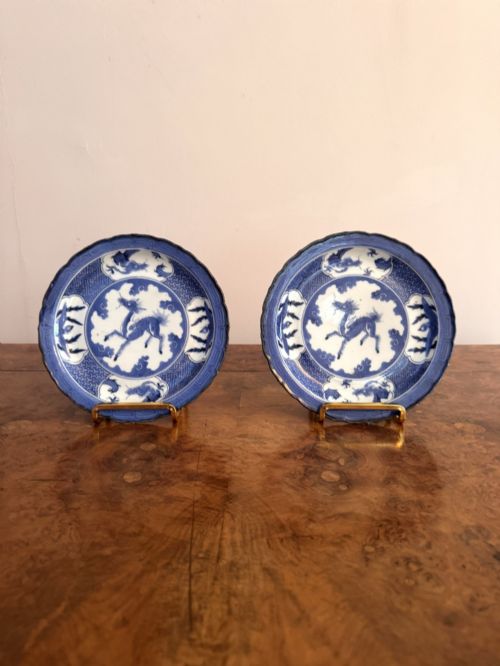
Vessels often arrive with specific regional characteristics, such as the distinct blue and white or iron red and gilt palettes of Imari ware. Collectors also find sculptural pieces like figural pottery and Okimono figures alongside traditional tableware.
Distinctions in quality
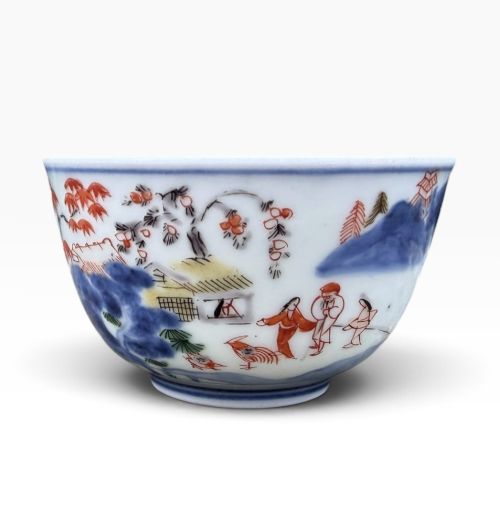
Quality rests upon the precision of the hand painting and the complexity of the decorative scheme executed on the porcelain or ceramic body. Pieces featuring detailed figural scenes, careful gilding, and expressive relief work stand apart from simpler production.
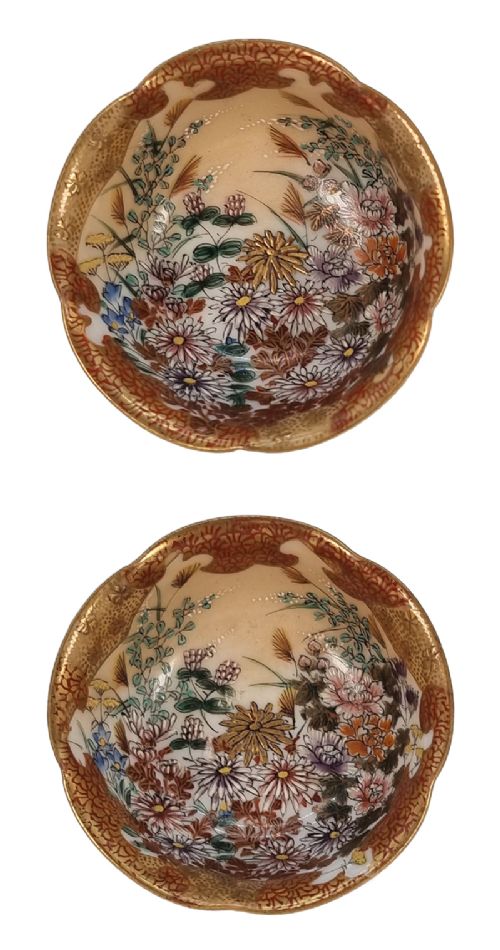
Condition and the retention of original glaze finishes heavily influence the standing of each item within its type. Masterful potting in forms such as scalloped dishes, tripod censers, or figural pottery demonstrates the higher tiers of workshop output.
Oriental Ceramic Ware Retail Price Guide 2026
Typical asking prices for oriental ceramic ware among the pieces listed under this phrase on Sellingantiques today, from the lower quarter to the upper quarter. They describe what is for sale here now, not the wider market.
Several Satsuma and Kutani vessels stubbornly refuse to sit straight without a tiny folded card beneath one foot.
Inoue Ryōsai·Shozo·Ban-ni
The Oriental Ceramic Ware Glossary
- Imari
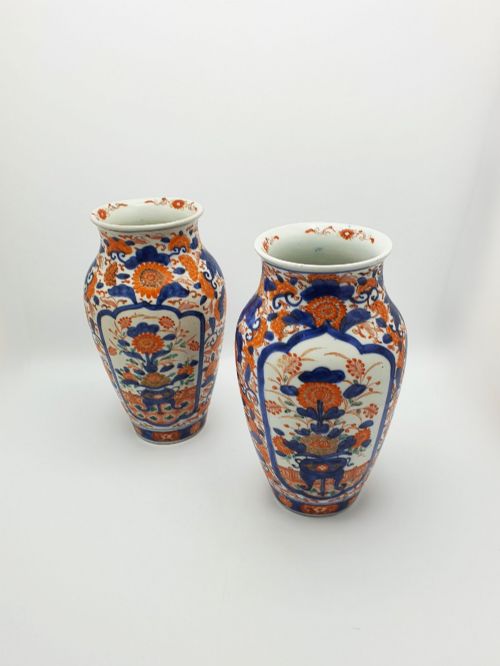
- A style of Japanese porcelain featuring a palette of underglaze blue, iron red, and gilt highlights. These wares were produced in Arita and heavily exported to Western markets.
- Kutani
- Japanese porcelain characterised by bold overglaze enamels, frequently incorporating rich iron red and gold details. Pieces often depict birds, figures, or natural scenery.
- Celadon
- A type of transparent green glaze applied to ceramic wares, creating subtle jade-like tones over the clay body. This finish originated in China and influenced potters across Asia.
- Garniture
- A set of matching vases or vessels traditionally displayed together on a mantelpiece or cabinet. These groupings usually consist of three to five coordinating pieces.
Oriental Ceramic Ware: Frequently Asked Questions
How do I identify Imari ware?
Imari ware is traditionally recognised by its distinctive colour palette, combining underglaze cobalt blue with vibrant iron red and supplementary gold leaf. These pieces often feature intricate floral and geometric panels across plates, bowls, and vases.
Many examples date from the nineteenth century and display crisp porcelain bodies with scalloped or shaped edges. The combination of deep blue and fiery red remains a reliable indicator of this tradition.
How should I clean antique ceramics?
Antique ceramics and porcelain require gentle maintenance to preserve delicate overglaze enamels and gold leaf details. Dusting with a soft, dry brush is generally sufficient for regular upkeep.
Avoid submerging pieces with exposed earthenware bodies or fragile surface repairs in water. If washing is necessary, use lukewarm water and mild soap without harsh chemicals, drying thoroughly afterward.
What defines Sumida Gawa pottery?
Sumida Gawa pottery is known for its heavily textured surfaces, characterised by flowing flambé glazes and applied figural reliefs. These pieces were produced in the Tokyo area around the turn of the twentieth century.
Potters often depicted expressive scenes with multiple figures climbing along the exterior of jars, pitchers, and vases. The combination of lavender or blue glazes with sculptural relief work sets this ware apart from standard smooth porcelain.