



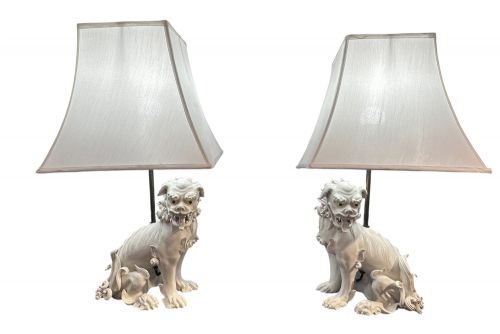


Oriental Ceramic Table Light
An oriental ceramic table light brings hand-painted porcelain and rich historical detail straight into your home.
The Nature of Oriental Ceramic Table Light
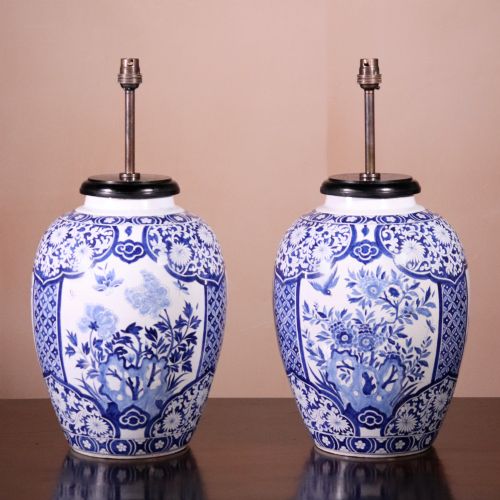
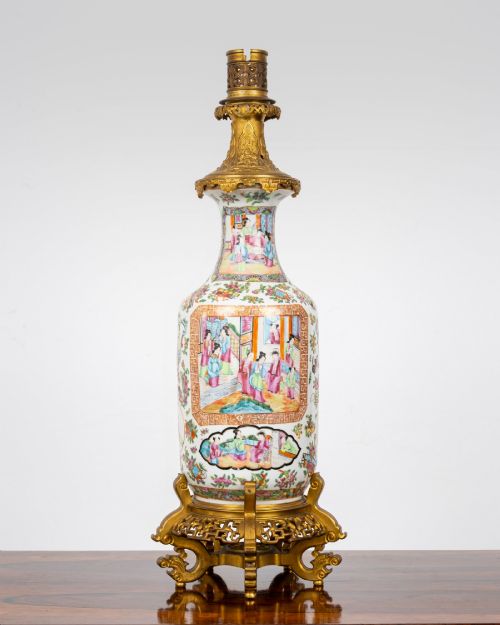
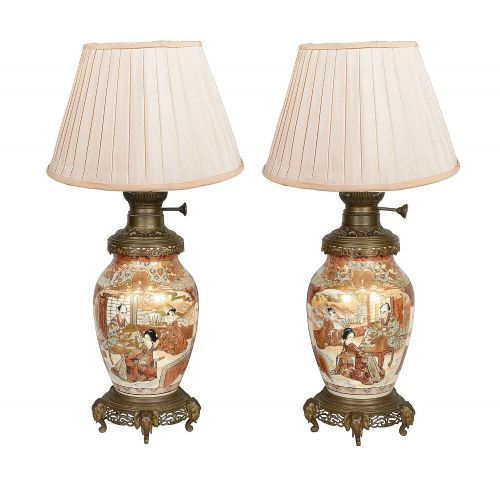
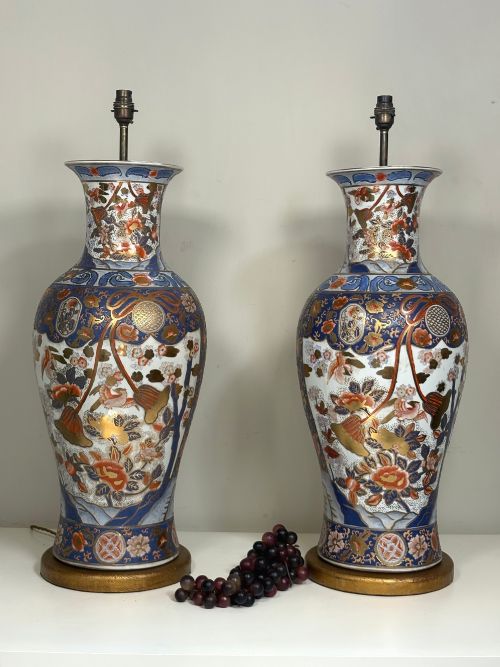
An oriental ceramic table light combines traditional Asian vessel forms with domestic electrical fittings for interior illumination. Buyers searching for an oriental ceramic table light generally encounter converted vases mounted on sturdy bases.
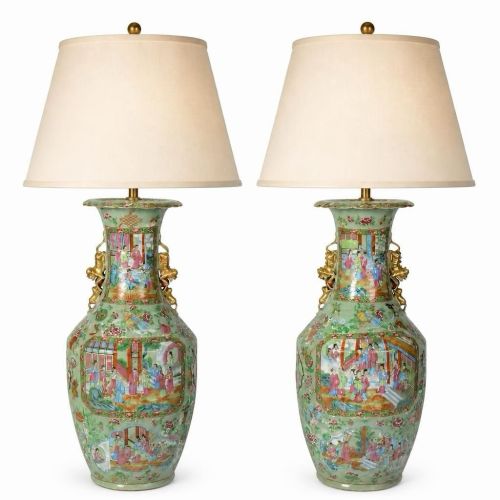
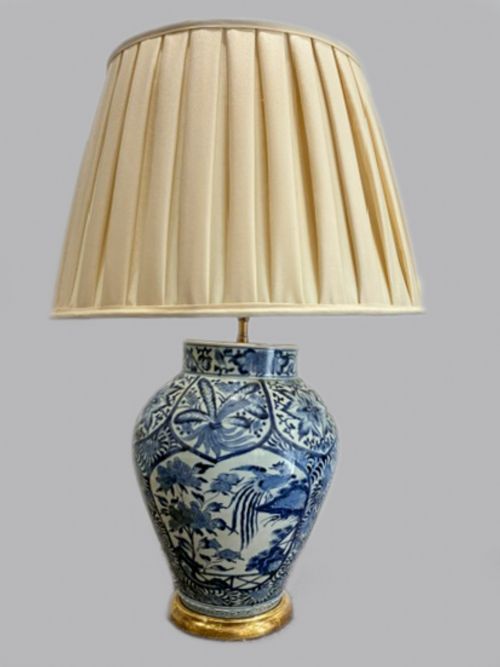
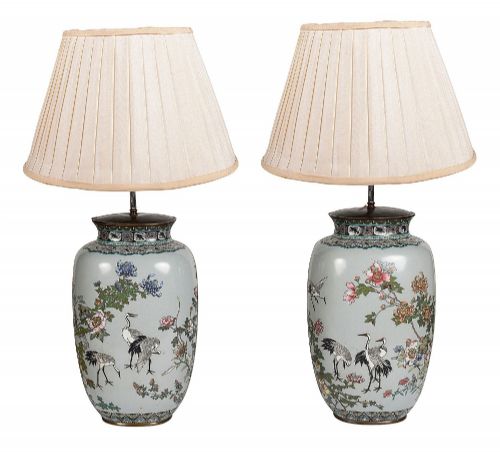
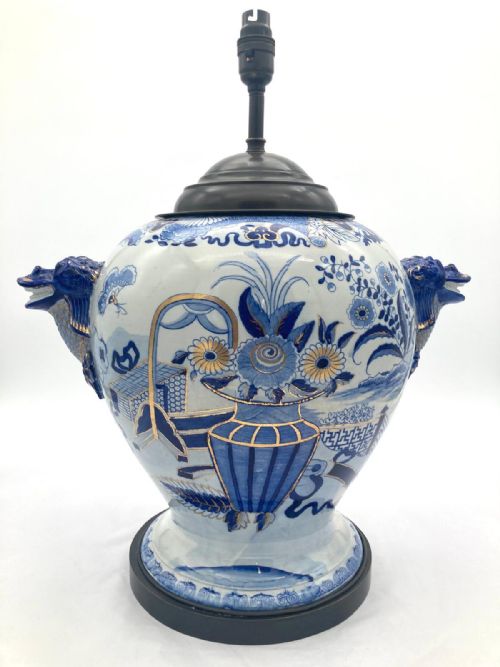
The selections on this page span the 18th century, the 19th century, and the Victorian era. Surviving examples take the form of vase form lamp bases, celadon vessels, crackle ware, and spill vases.
Origins represented in the inventory include Chinese and Japanese workshops. Styles stretch across Chinoiserie, Qing Dynasty, Japanese Edo, and Japanese Imari traditions.
Materials and Construction
Makers shaped these bodies from ceramic and porcelain before applying intricate hand-painted designs. Metal components such as brass provide structural support and housing for electrical elements.
Shades fashioned from fabric and silk complete the upper structure of the table light. Potters fired the underlying vessels using traditional kilns before later artisans adapted them for domestic lighting.
Retail Price Guide 2026
Typical UK retail prices for oriental ceramic table light, calculated from the Sellingantiques database of over a million retail prices indexed since 2003. This retail price guide relies exclusively on Sellingantiques data; no external sources or auction records are used, so the figures do not describe the wider market.
Current site listings feature ceramic and porcelain materials paired with brass and silk, spanning the 18th and 19th centuries.
Assessing Quality
Quality rests in the crispness of the hand-painting and the depth of the glaze on the ceramic body. Early vessels demonstrate superior control in pigment application and firing stability compared to later mass production.
The integration of brass fittings and the quality of the fabric or silk shade influence the overall visual balance. Finer pieces retain the integrity of the original vase without compromising the antique ceramic material.
The Oriental Ceramic Table Light Glossary
- Celadon
- A term for pottery denoting a pale green glaze originating in East Asia. It creates a subtle, jade-like finish on the ceramic body.
- Imari
- A type of Japanese export porcelain decorated in underglaze blue and overglaze red, gold, and green. This style gained immense popularity in European interiors.
- Crackle ware
- Pottery featuring a network of fine cracks in the glaze, intentionally created during the firing process. It adds texture and visual depth to the surface.
- Spill vase
- A small container originally designed to hold wooden spills used for lighting fires or pipes. These cylindrical vessels often form the base of converted lamps.
Frequently Asked Questions
What is an oriental ceramic table light?
An oriental ceramic table light is a decorative lamp created by mounting an antique Asian vase onto a stable base. These pieces combine historic ceramic artistry with functional modern illumination for domestic spaces.
Most examples feature hand-painted glazes originating from Chinese or Japanese kilns. They bring distinct cultural heritage and rich colour palettes into a room.
Where should I place these lamps?
These table lights work well on side tables, sideboards, or console tables where their decorative forms can be appreciated. Their height and painted surfaces make them strong focal points in a traditional or eclectic interior scheme.
Pair them with complementary silk or fabric shades that balance the weight of the ceramic base. Ensure the placement highlights the hand-painted details without risking accidental knocks.
What styles are available?
The available selection includes pieces influenced by Qing Dynasty aesthetics, Japanese Edo traditions, and Japanese Imari patterns. Chinoiserie designs also appear frequently among the listed items.
Each style offers distinct visual characteristics, ranging from blue and white crackle ware to polychrome Imari palettes. Collectors can choose between subtle celadon glazes and vibrant painted scenes.