
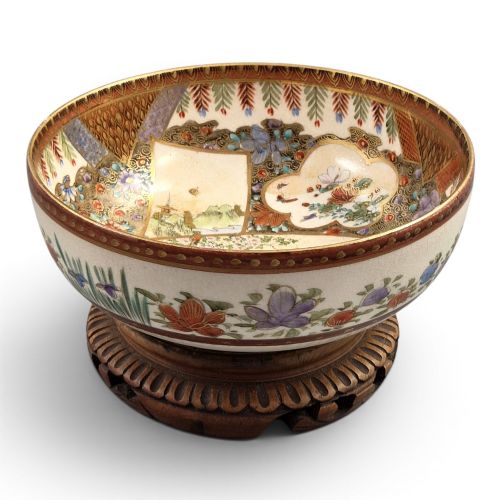


Oriental Ceramic Fruit Bowl
An oriental ceramic fruit bowl brings centuries of Far Eastern and European porcelain traditions straight to the dining table.
Oriental Ceramic Fruit Bowl
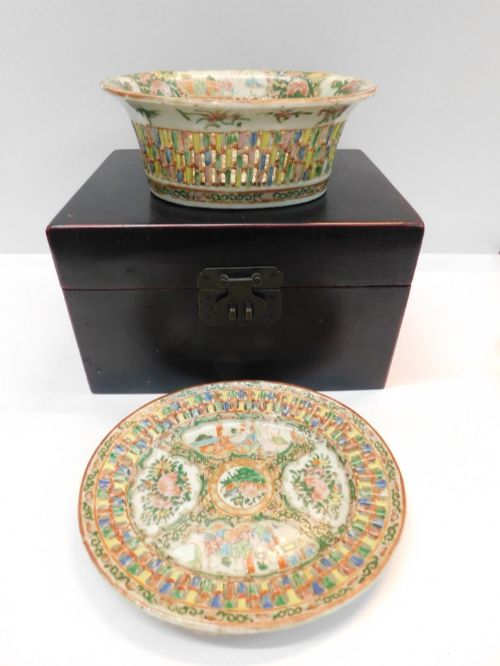
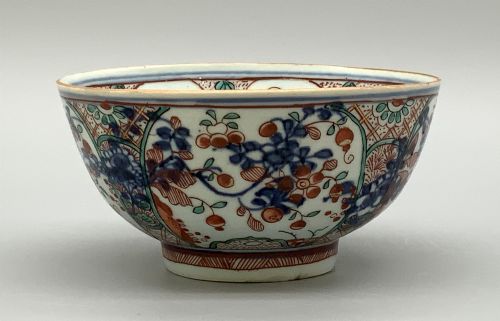
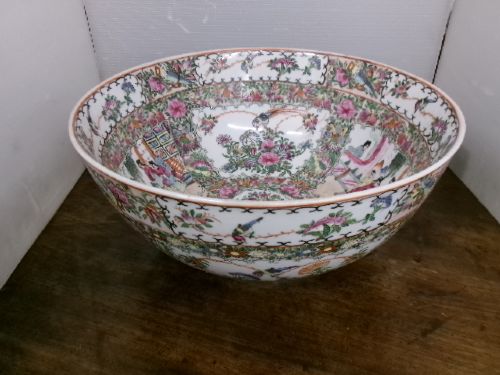
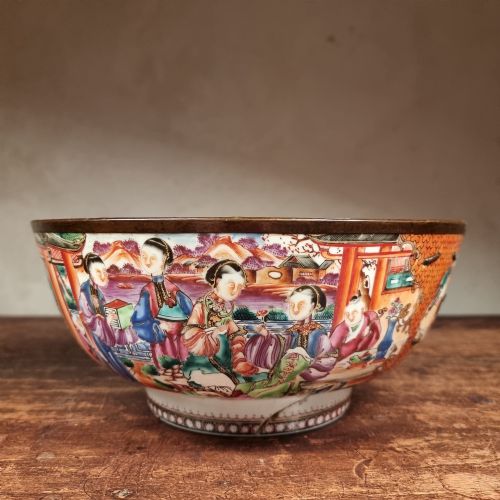
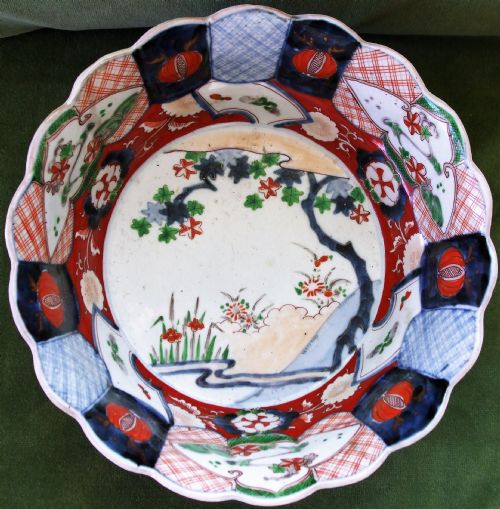
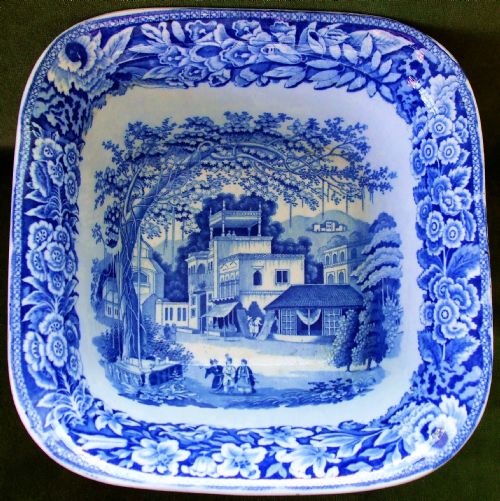
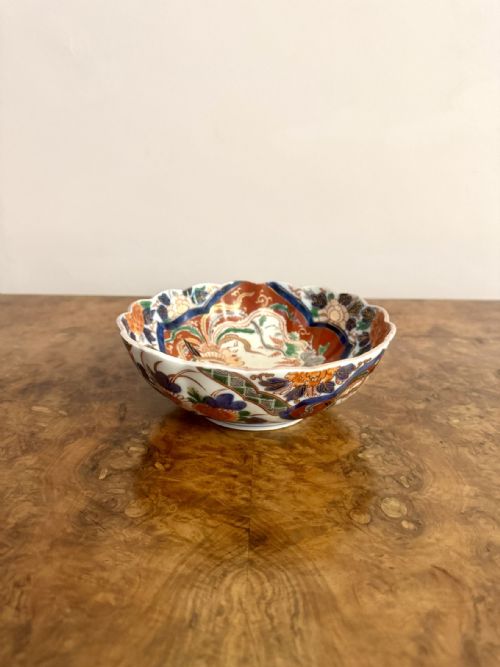
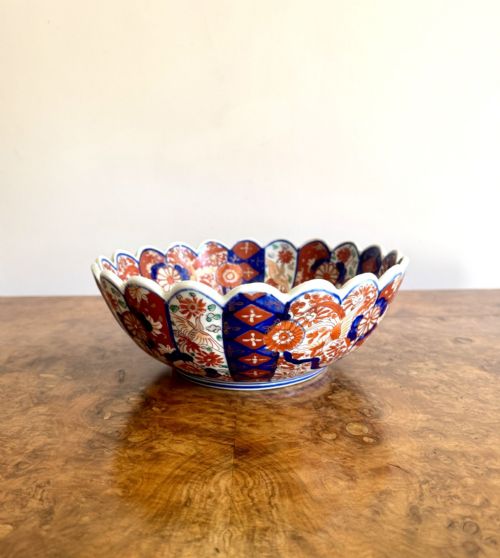
When searching for an oriental ceramic fruit bowl, collectors encounter a diverse array of decorative vessels spanning several centuries. The selection ranges from robust Chinese punch bowls and Canton hand painted basins to delicate Japanese Imari scalloped edge porcelain bowls.
Most examples originate from the 19th Century, alongside earlier 18th Century Chinese Kangxi and Ming dynasty pieces. Forms vary from deep centrepieces and reticulated chestnut baskets with stands to simple earthenware and porcelain bowls.
Makers from the Qing Dynasty and the Japanese Meiji Period dominate the selection. Buyers will frequently find vibrant blue and white motifs alongside polychrome Famille Rose and Satsuma wares.
Materials and methods
Potters utilised fine porcelain and earthenware as the primary base materials for these vessels. Cobalt underglaze provided deep blue pigments, while multi-coloured enamel added rich surface tones.
Artisans applied gold leaf, gilding, and clear glaze to accentuate specific decorative details. Hand painting techniques defined the intricate floral and street scenes found across the range.
Some antique bowls have travelled further than their owners, having spent centuries shuttling between Eastern kilns and European dining rooms.
Assessing quality and execution
The precision of the hand painted brushwork dictates the visual impact of each piece. Crisp cobalt underglaze lines and carefully applied enamel distinguish finer examples from standard production.
The complexity of the form also plays a role, with scalloped edges, reticulated baskets, and accompanying stands requiring advanced ceramic skill. Signatures by notable makers add a layer of historical pedigree.
J. & R. Riley·Kozan
The Oriental Ceramic Fruit Bowl Glossary
- Imari
- A style of Japanese porcelain featuring a distinct palette of cobalt blue, iron red, and gilt highlights. It gained immense popularity in Europe during the export trade.
- Famille Rose
- A major palette of Chinese ceramic glazes introduced in the Qing Dynasty, dominated by opaque pink enamel. The style allowed for subtle tonal gradations in floral and figural depictions.
- Punch Bowl
- A large, deep vessel originally designed for mixing and serving alcoholic punches at social gatherings. Their generous proportions made them ideal canvases for expansive painted scenes.
- Reticulated
- Describes ceramic or basketry work featuring an openwork lattice pattern formed by cutting or piercing the clay before firing. This technique created lightweight, decorative walls on stands and baskets.
- Satsuma
- A type of earthenware from Japan characterised by a ivory craquelure glaze decorated with polychrome enamels and gold. These pieces were frequently produced for export during the Meiji period.
Oriental Ceramic Fruit Bowl: Frequently Asked Questions
How do I date an oriental ceramic fruit bowl?
Dating relies on examining the potting technique, glaze characteristics, and reign marks or stylistic markers associated with dynasties such as the Qing or the Meiji Period. Comparing the blue and white pigments or enamel colours to established baselines helps narrow down the era.
Secondary clues include the foot ring finish and any associated stands. Eighteenth-century pieces often display different clay compaction compared to nineteenth-century export wares.
Were these bowls originally used for fruit?
Many large vessels, particularly punch bowls and deep basins, served utilitarian functions for dining or social gatherings before transitioning to decorative display items. Over time, collectors repurposed these robust ceramic forms to hold fruit or serve as standalone centrepieces.
The inclusion of stands and baskets indicates that certain pieces were intended for specific table presentations, such as serving chestnuts or sweetmeats.
Can I use an antique bowl for daily dining?
Antique porcelain and earthenware require careful handling due to their age and delicate enamel or gilt decorations. Hand washing with mild soap is essential to preserve the historical surface.
Placing heavy or acidic fruit in older bowls for extended periods can risk scratching or staining the glaze. Many collectors prefer to exhibit them safely on tables or sideboards.