



Antique Asian Earthenware
Antique asian earthenware pieces arrive through centuries of studio pottery and kiln traditions, offering collectors tangible links to ancient rituals and decorative arts.
Antique Asian Earthenware
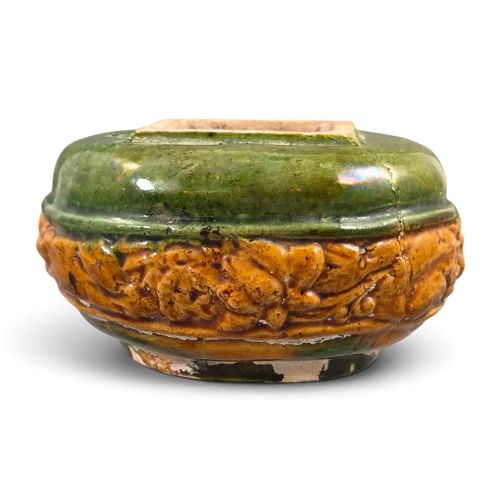
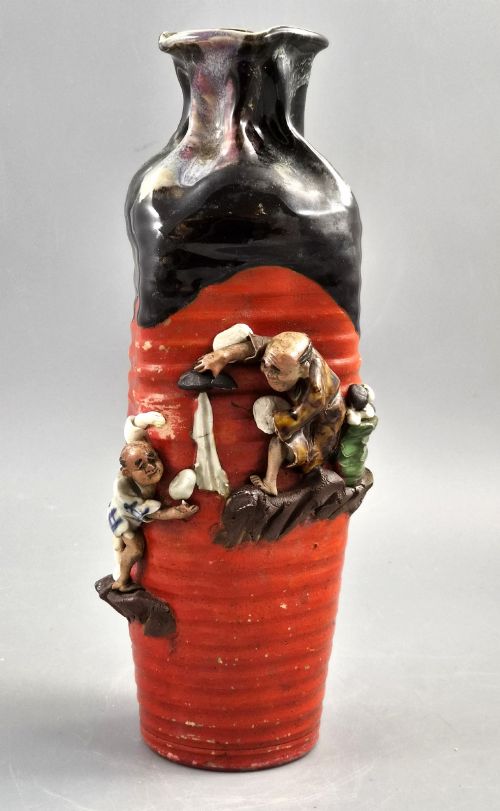
When searching for antique asian earthenware, buyers encounter distinct forms ranging from utilitarian scholar's water vessels and incense burners to grand decorative vases and ritual guardian figures. These objects span periods from pre-sixteenth century Chinese dynasties to the extensive output of the Japanese Meiji, Taisho, and Showa eras.
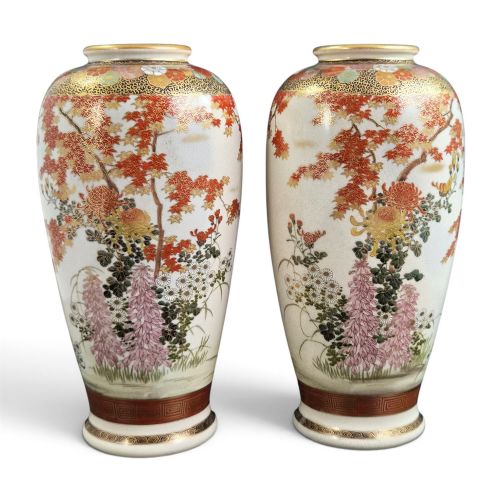
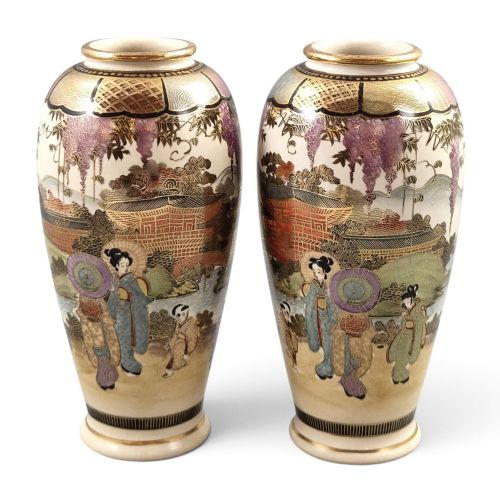
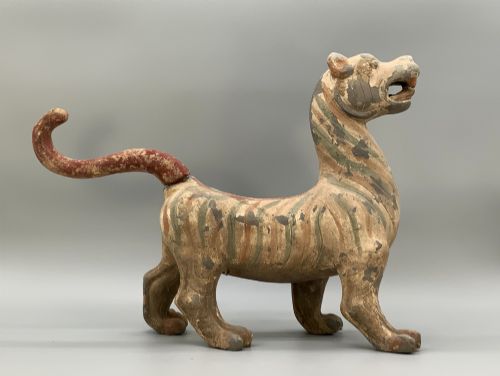
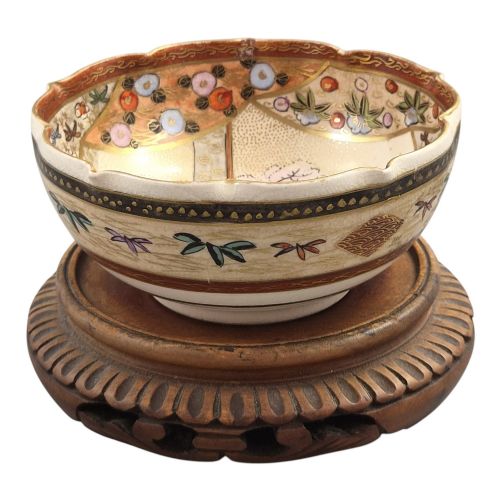
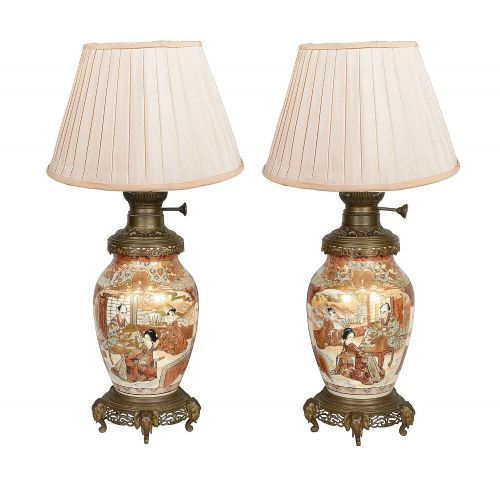
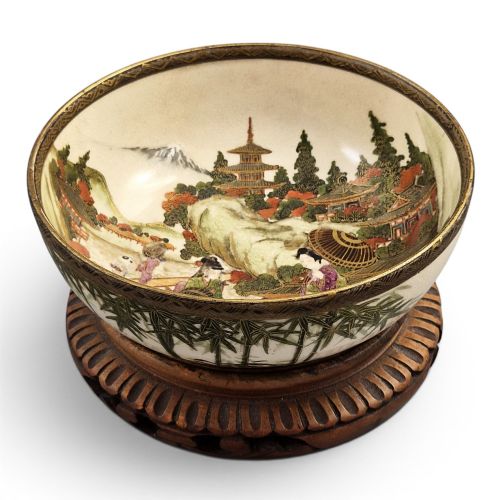
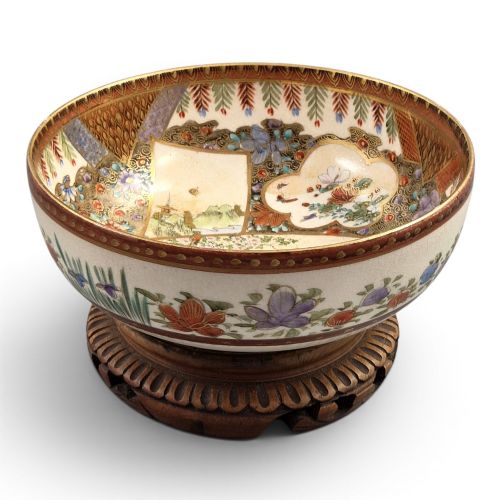
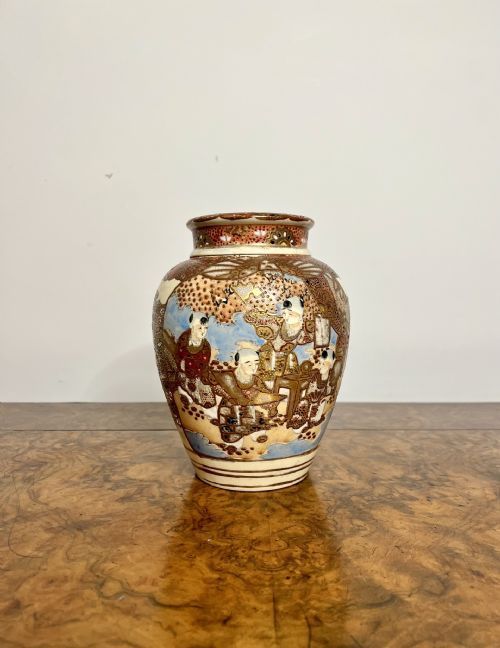
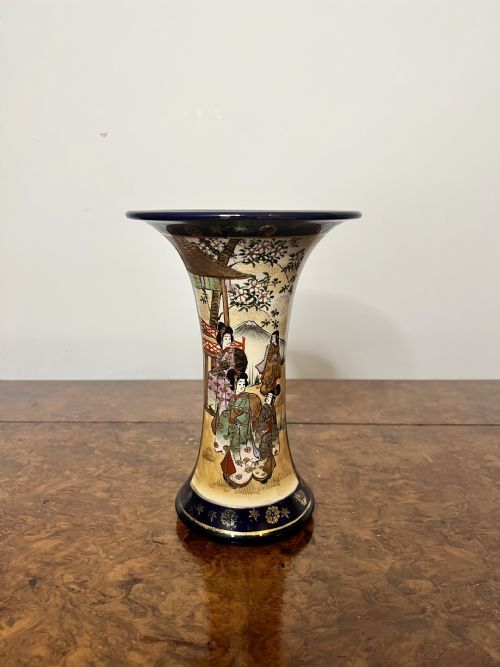
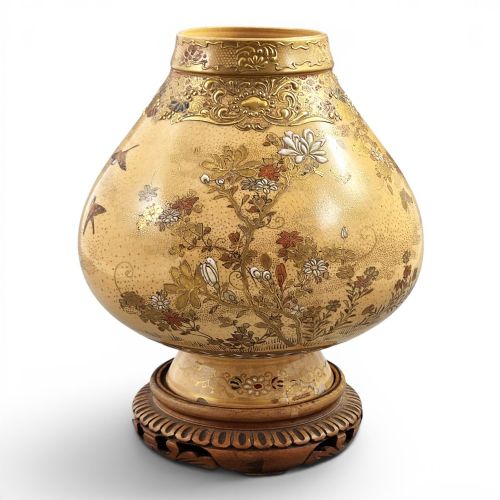
The pieces on this page are heavily represented by Satsuma ware from Kyoto and other notable centres, alongside ancient pottery figures and stoneware. Vases, bowls, jars, and figures form the primary categories available to collectors.
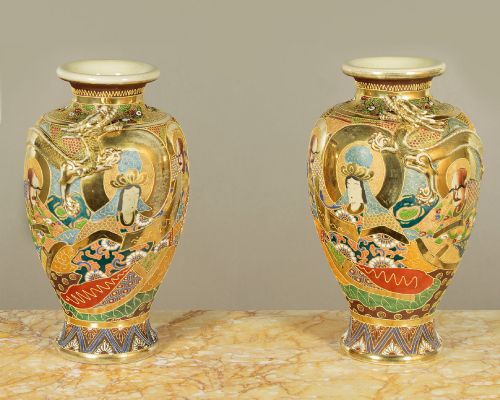
Vessels take many shapes including hexagonal jars, miniature vases, and large jardiniere bowls. The aesthetics shift from unglazed archaic figures to heavily decorated surfaces covered in enamel and gold leaf.
Materials and construction
Potters shaped regional clays into foundational bodies before applying glazes and ceramic pigments. Earthenware and stoneware forms received treatments of enamel and surface layers of gold leaf or gilt.
Decoration relied on skilled hand painting, often depicting figures, flora, and mythical beasts. Firing techniques across Chinese dynasties and Japanese kiln workshops determined the final hardness and porosity of the ceramic body.
Listings feature 19th century and early 20th century pieces, spanning the Meiji, Taisho, and Showa periods alongside ancient Chinese dynasties.
Assessing quality in the collection
Quality rests upon the precision of the modelling, the clarity of the painted details, and the mastery of the glaze. Pieces decorated with dense figurative scenes or intricate thousand butterfly motifs demand high levels of draughtsmanship from the artisan.
Signatures by notable workshops or masters elevate an object above standard commercial output. The integration of gold gilt and enamel without blurring or pooling indicates superior kiln control and brushwork.
Koshida·Maruni Kobe·Shozan·Inoue Ryōsai·Gyokkō·Kozan·Kinkōzan·Hotoda·Shizan·Makuzu Kozan II·Ryuzan·Chosei·Seiko-en Chokei·Yamashu·Kizan·Hakusan·Hododa·Kotobuki-do·Tokyo Taizan
The Antique Asian Earthenware Glossary
- Earthenware
- Porous pottery fired at lower temperatures than stoneware or porcelain. It forms the base material for many traditional vessels and figures.
- Satsuma
- Japanese pottery originating from Satsuma Province, typically featuring a ivory-crackled glaze decorated with polychrome enamels and gold. It became a major export category during the Meiji period.
- Koro
- A traditional Japanese incense burner fitted with a lid. These vessels often feature pierced covers and tripod feet.
- Jardiniere
- A large decorative ceramic pot or bowl designed to hold plants or flowers. They appear frequently in larger scale Japanese pottery.
- Shishi
- A mythical guardian lion or dog in Buddhist sculpture. These figures are often modelled in ceramic or stoneware.
Antique Asian Earthenware: Frequently Asked Questions
What is Satsuma ware?
Satsuma ware is a type of Japanese pottery traditionally characterised by a fine ivory earthenware body covered in a network of crackle glaze. Artisans then decorate these surfaces with elaborate enamel paintings and gold leaf.
Originally produced in Kagoshima prefecture, production later flourished in Kyoto and other urban centres during the Meiji period for both domestic use and export markets.
How are periods distinguished?
Periods are identified through a combination of clay composition, glaze characteristics, painting styles, and kiln marks. Ancient Chinese pieces often exhibit the unglazed or painted terracotta traits of Han or Tang dynasties.
Meiji period Japanese pieces generally display refined enamelling, intricate gilding, and specific workshop signatures that help narrow down the date of manufacture.
What were incense burners used for?
Incense burners, known as koro, were utilised in homes, temples, and scholar's studios to burn aromatic incense woods or resins. The pierced lids allowed fragrant smoke to drift outward while containing the embers.
These vessels served both practical aromatic functions and symbolic roles in meditation and traditional interior decoration.