




Oriental Carved Wooden Seat
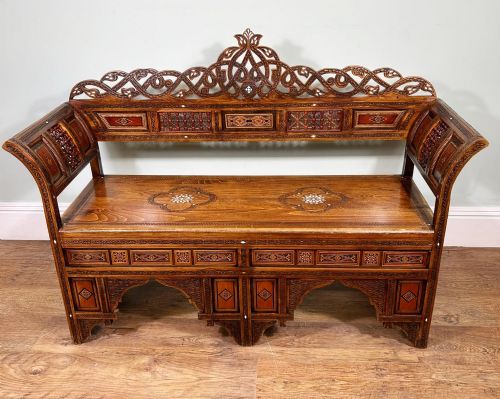
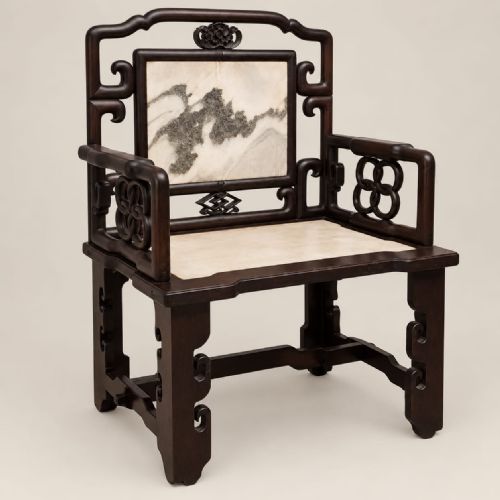
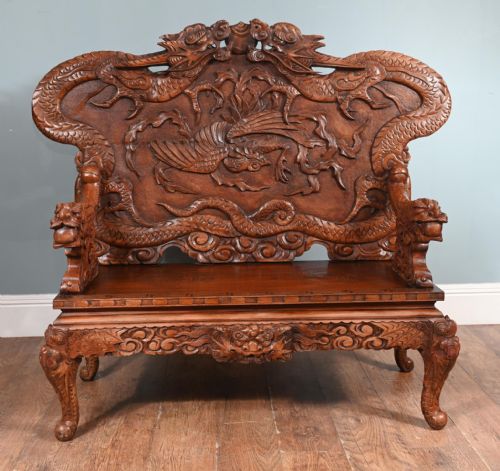
When you search for an oriental carved wooden seat, you are looking at substantial hardwood benches, armchairs and window seats spanning the nineteenth and early twentieth centuries.
Oriental Carved Wooden Seat
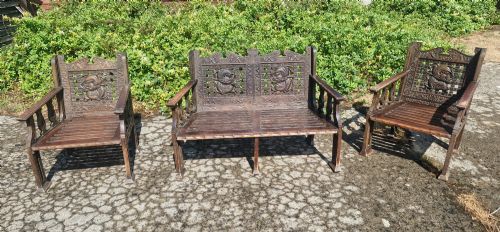
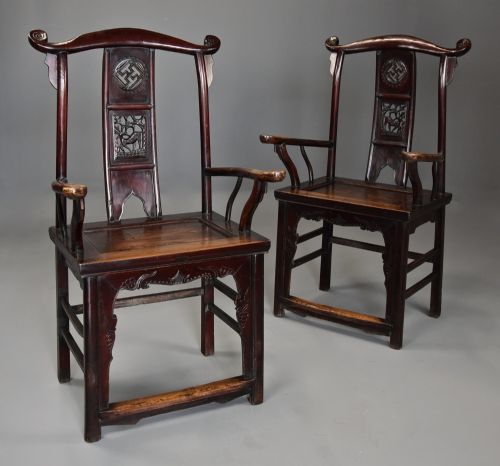
An oriental carved wooden seat brings together diverse regional traditions including Chinese elm yokeback armchairs, Indian wedding chairs, and Burmese suites. Buyers searching for an oriental carved wooden seat most frequently encounter nineteenth-century Chinese hardwood benches and elm armchairs.
The selection ranges from low window seats and dressing stools to large hall benches, settle suites and throne chairs. Makers utilised native timbers and traditional joinery to construct forms designed for specific domestic and ritual interiors.
How they were made
The construction relies heavily on dense hardwoods such as elm, teak, rosewood and mahogany, often shaped through high relief carving. Workshops applied red lacquer, gold leaf, gesso and polychrome paint to finish the wooden surfaces.
Joinery techniques allowed benches and armchairs to support weight without extensive metal fasteners. Artisans combined traditional mortise and tenon methods with intricate chisel work to render dragons, scholars and floral motifs.
The inventory includes seating from China, India, and Burma, spanning Anglo-Indian and Qing Dynasty traditions.
What varies in quality
The standard of a carved wooden seat depends upon the crispness of the chisel work and the depth of the relief carving. Pieces with original red lacquer surfaces and a pleasing natural patina command greater attention from collectors.
Structural integrity and the selection of dense timber rather than softer secondary woods distinguish finer examples. The balance of proportion between the carved backrest, arms and seat surface determines the visual success of each chair or bench.
The Oriental Carved Wooden Seat Glossary
- Yokeback armchair
- A traditional Chinese chair style featuring a top creil that resembles the yoke of an ox. These chairs often incorporate elm construction and upright rear posts.
- Cinnabar lacquer
- A vermilion lacquer applied in multiple layers to wood and subsequently carved. This technique appears on nineteenth-century Chinese dragon benches and decorative seats.
- Hardwood
- Dense timber derived from broad-leaved trees, including rosewood, teak and huali. These durable woods form the primary structure of Qing dynasty seating.
- Patina
- The surface sheen and coloration developed by wood and lacquer over decades of handling and age. A good patina indicates genuine period wear.
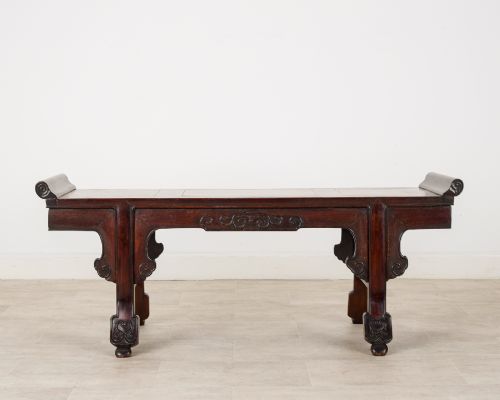
- Altar bench
- A long wooden form originally intended for ritual spaces within Chinese architecture, frequently adapted for domestic window seating.
Oriental Carved Wooden Seat: Frequently Asked Questions
How do I identify a Qing dynasty seat?
Look for specific stylistic indicators such as traditional Chinese joinery, heavy hardwood construction, and carved motifs including dragons or scholars. The dating typically aligns with the nineteenth century.
Examine the surface for original lacquer or a deep natural patina which accumulates on pieces originating from this historical period.
Where should I place an oriental hall bench?
A large wooden bench suits an entrance hallway or a spacious living room where the carved backrest and arms can remain visible. Ensure the floor space accommodates the substantial depth of these nineteenth-century forms.
Pair the bench with neutral walls to allow the timber grain, lacquer work, or relief carving to form the focal point of the interior.
Are elm armchairs comfortable for daily use?
Chinese elm armchairs provide firm upright support through their rigid wooden seats and high backrests. Many owners add loose cushions to adapt historical seating for modern lounging.
The sturdy construction of hardwood frames ensures stability during regular sitting.
What is the difference between an elm chair and a rosewood chair?
Elm offers a lighter grain and was frequently finished with red lacquer in regional Chinese workshops. Rosewood provides a darker, denser timber often associated with formal Qing dynasty furniture and throne chairs.
Both materials deliver exceptional strength, but rosewood pieces generally display finer, more intricate relief carving.