



Oriental Carved Wood Screen
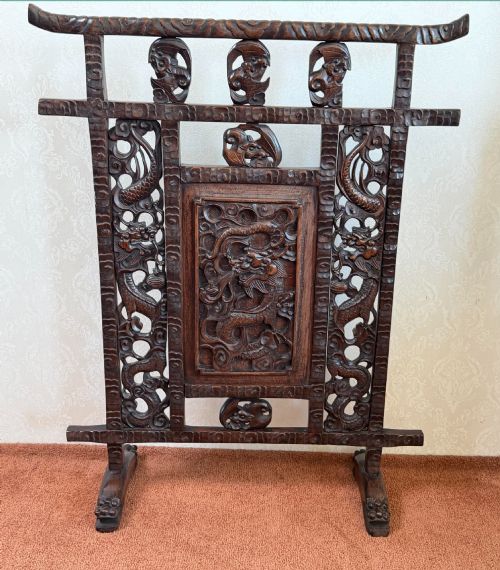
An oriental carved wood screen brings deep relief, rich lacquer and intricate panels into a room.
Oriental Carved Wood Screen
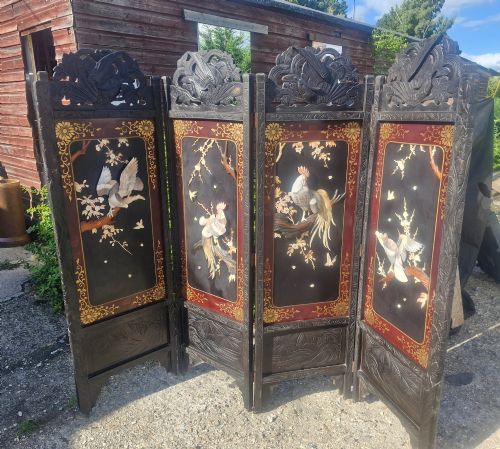
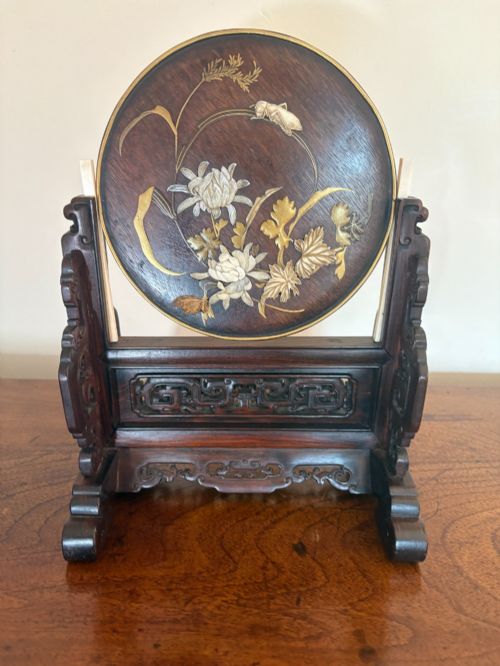
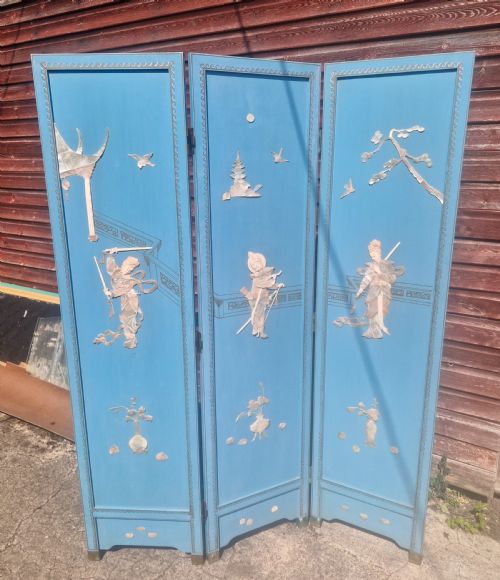
An oriental carved wood screen spans folding room dividers, freestanding table screens and wall panels created across Asian and Anglo-Indian traditions. These pieces function as architectural dividers or decorative focal points inside a domestic interior.
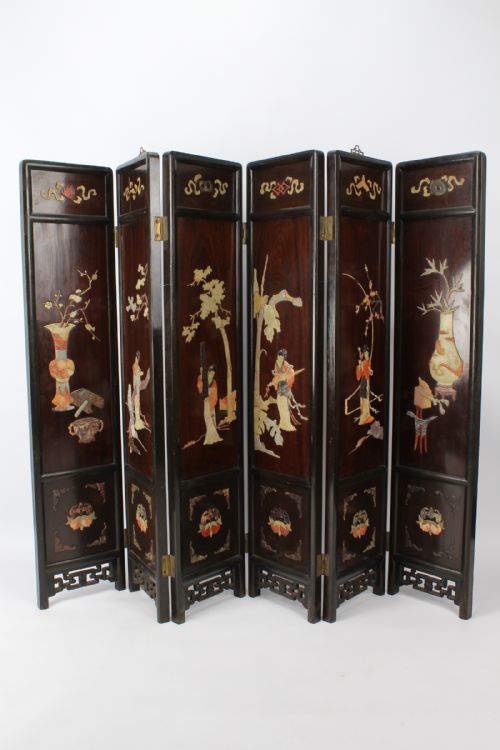
The selections on this page lean heavily toward folding panels and smaller table versions from the nineteenth and early twentieth centuries. Hardwood frames frequently house carved wooden details, painted elements and inset panels.
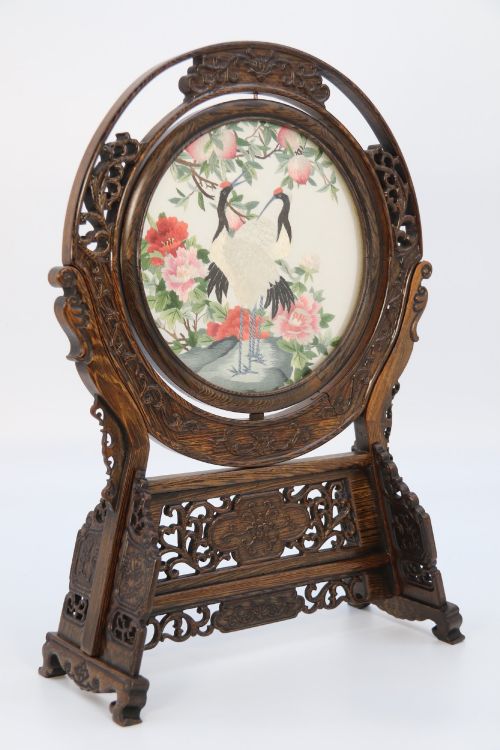
Styles range from Qing Dynasty and Chinese Traditional to Japanese Meiji and Anglo-Indian work. Buyers encounter large multi-fold room dividers alongside smaller silk embroidery screens set on rotating stands.
Materials and construction methods
Wood serves as the primary structural medium, utilising dense hardwood for stability and crisp detail retention during carving. Artisans combine these timber frames with delicate silk embroidery, bone inlay and glass elements.
Surface decoration involves traditional techniques including lacquer application, gold leaf highlights and deep relief carving. Subsidiary materials such as brass fittings and bone figures punctuate the dark wood surfaces with contrasting textures.
One unexpected Victorian listing repurposed an antique photographic prop screen into a domestic room divider.
Measures of craftsmanship and distinction
Excellence in an oriental carved wood screen rests upon the depth and precision of the hand carving rather than mere surface decoration. Crisp articulation of figures, animals and botanical motifs indicates superior workshop execution.
The integration of secondary materials such as hand-embroidered silk panels or finely fitted bone inlay dictates the finer examples in this category. Complete multi-fold structures with original hinges and uncompromised structural integrity command closer attention from collectors.
The Oriental Carved Wood Screen Glossary
- Table screen
- A small decorative panel mounted on a stand for display on furniture rather than the floor. These items often feature detailed carving or silk embroidery.
- Shibayama
- A Japanese craft technique involving inlay of materials like bone, ivory or shell into a wooden base. Pieces utilising this method show remarkable multicoloured dimension.
- Coromandel
- A type of Chinese incised lacquer work where designs are cut into a dark ground and filled with pigments. Examples appear in framed panels and screen sections.
- Fretwork
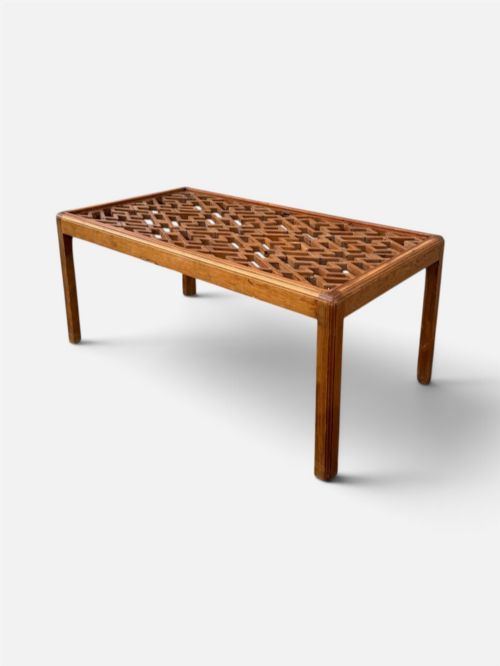
- Openwork timber ornamentation formed by cutting patterns through the wood. This technique creates geometric or floral screens that filter light through a room.
- Qing Dynasty
- The final imperial dynasty of China, spanning over two centuries of notable decorative arts production. Many hardwood and carved panels date back to this expansive era.
Oriental Carved Wood Screen: Frequently Asked Questions
How do I use a folding screen at home?
Folding screens work effectively to zone open plan spaces, conceal storage areas or act as a striking backdrop behind furniture. They provide architectural interest without requiring permanent structural changes to a room.
Smaller table screens sit comfortably on sideboards, desks or mantels, introducing localized texture and detail. Freestanding room dividers can be repositioned easily as interior layouts shift.
What is the difference between Chinese and Japanese screens?
Chinese pieces frequently feature deep architectural wood carving, hardwood structures and classical motifs like dragons or fretwork panels. They often emphasise heavy timber construction and substantial multi-fold room dividers.
Japanese examples tend to incorporate delicate bone inlay, Shibayama details, lacquer work and silk painting. These screens often balance intricate surface decoration with refined joinery.
How do I care for antique carved wood?
Keep wooden screens away from direct sunlight and steady heat sources to prevent the timber from drying out or splitting. Gentle dusting with a soft, dry cloth preserves the carved details and lacquer surfaces.
Avoid liquid cleaners, waxes containing silicone or abrasive cloths, particularly on areas featuring delicate silk embroidery or bone inlay. Maintaining stable indoor humidity protects both the wood and any inset panels.
How do I date an antique screen?
Dating relies on examining the timber species, construction joinery, hinge types and stylistic markers associated with specific periods like the Victorian era or Qing Dynasty. Wear patterns and traditional finishing techniques provide additional clues to an item's age.
Comparative study of regional motifs, such as Meiji period Japanese work or Anglo-Indian carving styles, helps narrow down the decade of manufacture.