





Oriental Carved Wood Panel
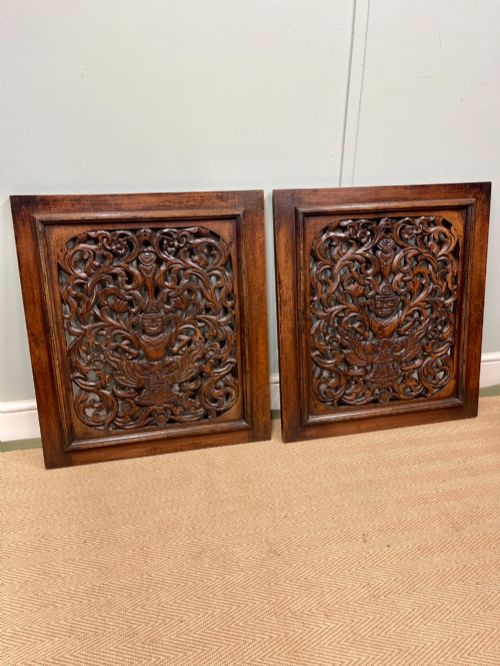
An oriental carved wood panel brings deep relief, pierced foliage and symbolic figures into a room.
Oriental Carved Wood Panel
An oriental carved wood panel is an architectural remnant, screen section or decorative plaque sourced from Asian and Anglo-Indian traditions. When you search for an oriental carved wood panel, you encounter everything from temple fragments to folding room dividers and wall art.
The pieces on this page lean heavily towards Chinese temple carvings, Japanese folding screens and Burmese panels. Hardwood is the dominant medium, often paired with lacquer, bone inlay or silk embroidery.
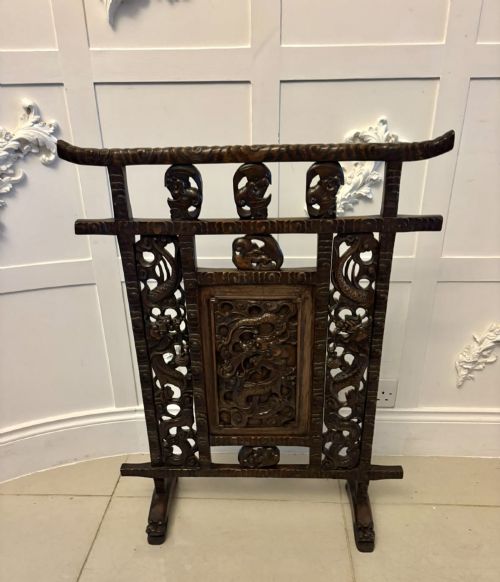
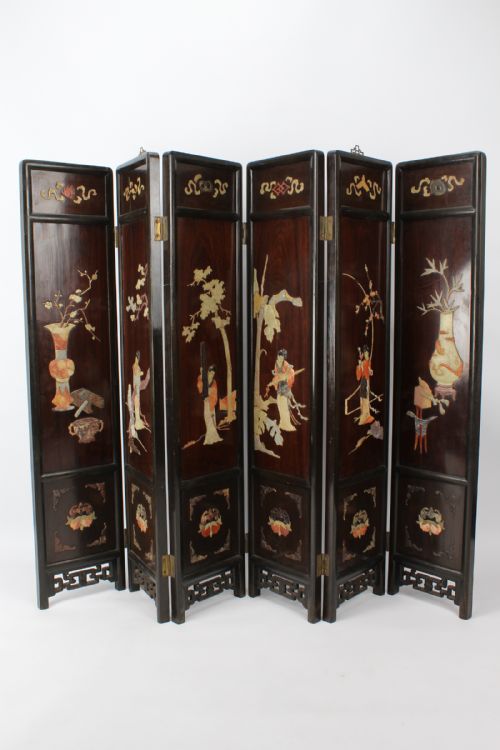
Forms range from single wall plaques to multi-fold room dividers and fire screens. Many items date from the nineteenth century, reflecting both domestic use and export production.
Materials and construction
Makers utilised dense Asian hardwoods, teak and fruitwoods that accepted intricate chisel work without splitting. These woods were carved in deep relief, pierced work or shallow incised lines to create complex pictorial scenes.
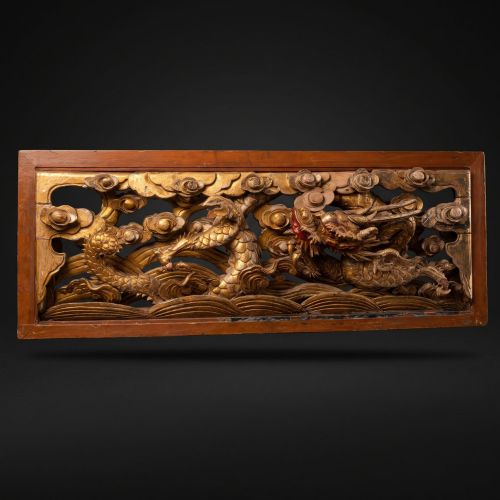
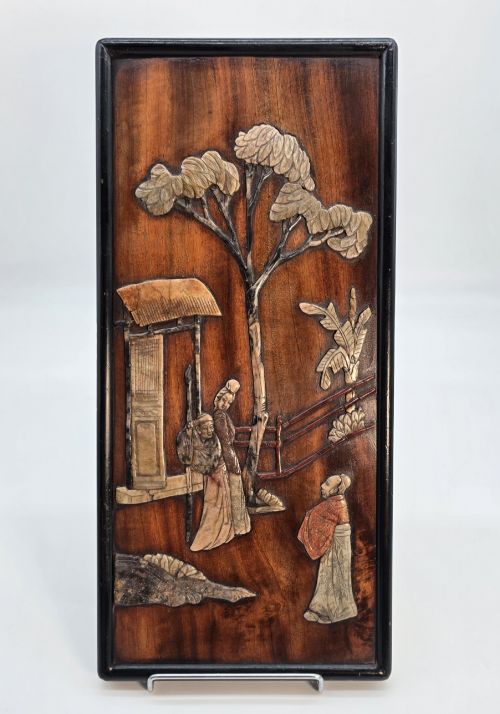
Surfaces frequently received applications of gold leaf, lacquer or polychrome paint to highlight dragon motifs, figures and floral scrolls. Secondary materials such as bone, ivory or silk panels appear inset within the wooden frames.
Joinery relied on traditional mortise and tenon methods, allowing large folding screens and architectural elements to articulate smoothly without metal hinges.
Oriental Carved Wood Panel Retail Price Guide 2026
Typical asking prices for oriental carved wood panel among the pieces listed under this phrase on Sellingantiques today, from the lower quarter to the upper quarter. They describe what is for sale here now, not the wider market.
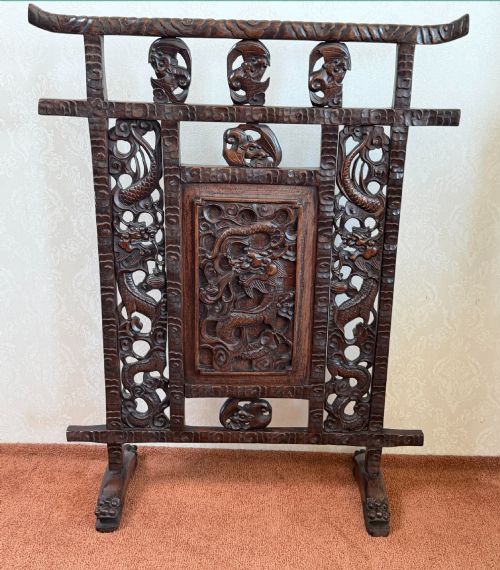
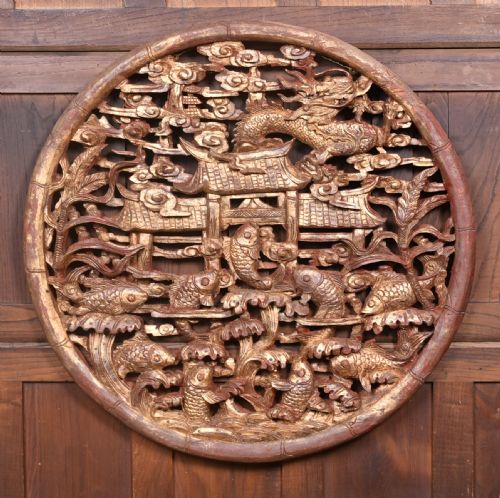
Dragons twist through nineteenth-century temple panels, glaring past centuries of polish with carved bone teeth intact.
Judging execution and depth
Quality rests entirely in the crispness and depth of the carving. Superior examples show undercut relief where figures and foliage detach visibly from the background plane, while lesser work remains flat and mechanical.
The handling of secondary elements dictates overall merit. Finely detailed bone inlay, intact gold leaf and high-grade silk embroidery separate master-carved temple fragments from standard decorative items.
Proportion and symmetry in architectural panels indicate skilled workshop production. Irregular shrinkage or clumsy repairs alter the visual balance of the piece.
The Oriental Carved Wood Panel Glossary
- Hardwood
- Dense timber such as rosewood, zitan or teak used for durable carving. These woods resist warping and allow microscopic detail.
- Relief carving
- Sculpture technique where figures project from a background plane. High relief creates strong shadow lines across the panel.
- Pierced work
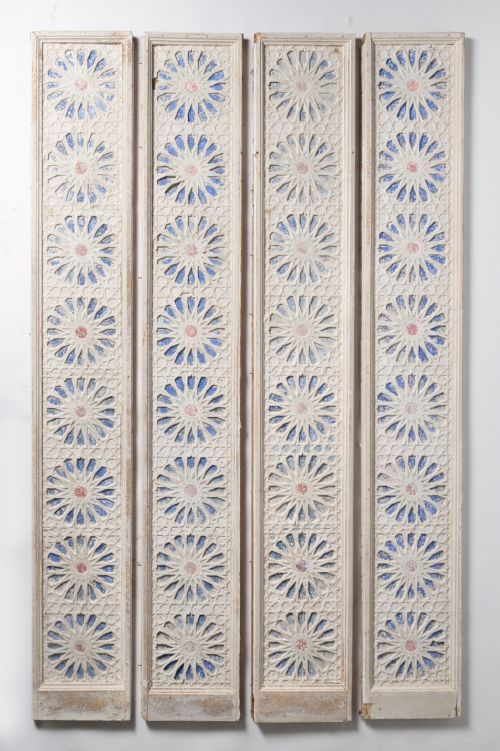
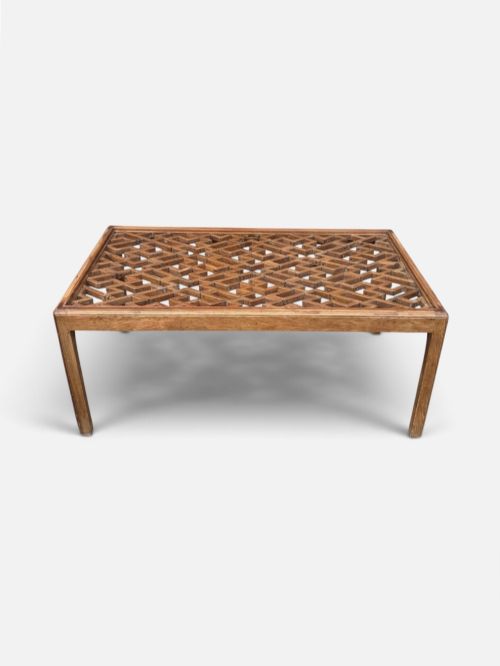
- Openwork carving where the chisel cuts entirely through the timber. This technique lets light pass through intricate lattice patterns.
- Lacquer
- Natural resin applied in multiple coats to wooden surfaces. It dries to a hard, glossy finish that resists moisture.
- Coromandel
- Incised lacquer work filled with colour on a dark ground. Artisans carve through layers of lacquer to expose contrasting hues beneath.
Oriental Carved Wood Panel: Frequently Asked Questions
How do I hang a heavy carved wood panel safely?
Heavy panels require sturdy steel brackets screwed directly into wall studs rather than standard picture wire. The weight of dense hardwood demands proper load distribution.
Ensure the mounting hardware engages the wooden frame rather than decorative appliqués that might snap under tension.
Were these panels made for export or domestic use?
The inventory includes both domestic temple fragments and items produced specifically for the nineteenth-century Western trade. Export pieces often took the form of folding screens or framed plaques.
Temple panels originated as structural or decorative elements within Asian buildings before being salvaged for collectors.
How do I clean an antique carved wooden panel?
Dust the deep recesses regularly with a soft natural bristle brush to prevent grit accumulation. Avoid liquid cleaners or polishes that soften aged lacquer or stain dry timber.
Maintain stable humidity levels in the room to prevent the hardwood from splitting along natural grain lines.
What is the difference between a temple panel and a room divider?
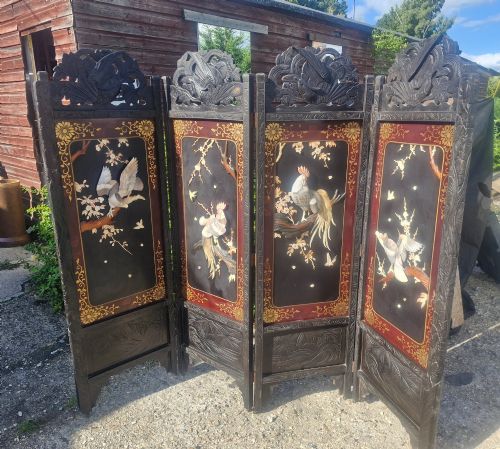
Temple panels are rigid architectural fragments removed from buildings, featuring dense mythological scenes or deity carvings. Room dividers consist of multiple hinged leaves designed to stand independently.
Dividers often combine carved wood frames with silk panels, lacquer or bone inlay.