




Chinese Architectural Carving
Chinese architectural carving brings structural timberwork into domestic display, offering carved wooden panels, plaques, and corbels that reward close study.
Chinese Architectural Carving
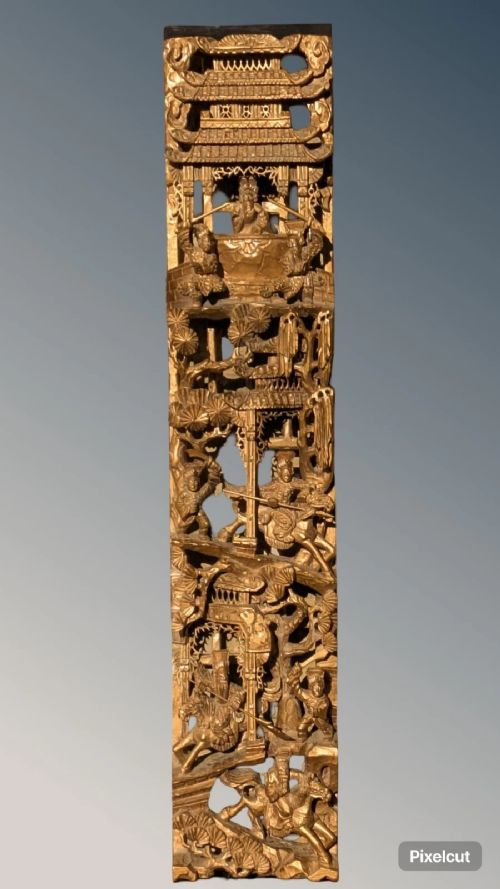
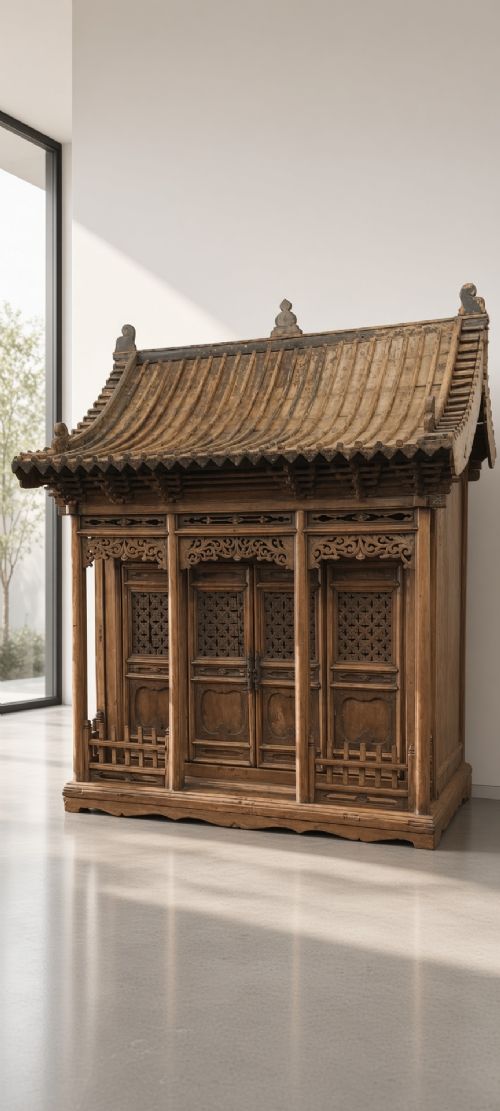
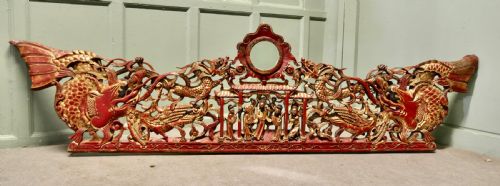
A search for chinese architectural carving directs attention to salvaged fragments and decorative elements removed from larger structures, including temple pediments, shrines, and cart doors. These items originate predominantly across the eighteenth and nineteenth centuries, spanning periods such as the Qing dynasty.
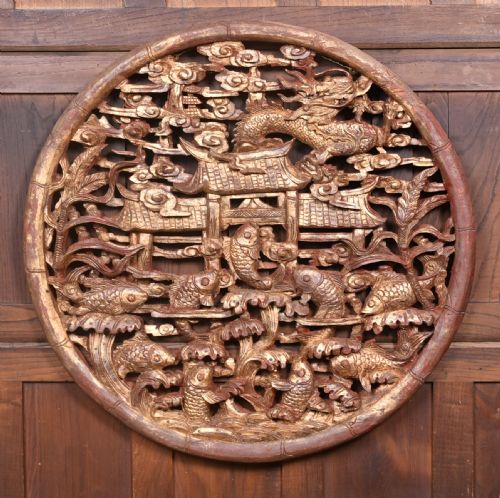
Buyers encounter distinct forms ranging from single wall plaques and corbels to matched pairs of gilt wood temple panels and miniature figure groups. The material expression varies from elm and softwood to heavily painted or gilded surfaces designed originally for specific architectural contexts.
How they were made
Maker-carvers shaped dense timber using traditional hand tools, working directly into indigenous woods like elm and varied softwoods to achieve high-relief ornamentation. These structural components frequently received layers of paint, lacquer, or gold leaf to highlight intricate figural scenes and floral motifs.
The integration of giltwood and polychrome paint required careful preparation of the timber ground to ensure adhesion over decades of environmental exposure in temples and domestic buildings.
Chinese Architectural Carving Retail Price Guide 2026
Typical asking prices for chinese architectural carving among the pieces listed under this phrase on Sellingantiques today, from the lower quarter to the upper quarter. They describe what is for sale here now, not the wider market.
One exceptional listing repurposes a four-storey pagoda as a bird cage.
What varies in quality
Excellence in these carvings rests on the depth of the chisel work and the crispness of the remaining detail across complex figural groups. Superior examples retain substantial portions of their original gold leaf or paint schemes without losing the underlying sharpness of the timber.
The structural integrity of the wood itself defines value, distinguishing deeply undercut architectural elements from simpler flat plaques that lack dynamic three-dimensional projection.
The Chinese Architectural Carving Glossary
- Corbel
- A structural piece of stone or timber projecting from a wall to support a weight inside. These architectural supports often terminate in elaborate carvings.
- Pediment
- The triangular upper part of the front of a building in classical style, or a similar decorative feature over a door or panel. Temple examples display dense figural carving.
- Giltwood
- Wood that has been gilt with gold leaf or powder. This surface treatment enhances visibility in dim temple interiors.
- Qing Dynasty
- The last imperial dynasty of China, ruling from the seventeenth to the early twentieth century. Many surviving architectural elements date from this expansive artistic period.
Chinese Architectural Carving: Frequently Asked Questions
Where were these carvings placed?
These carvings originated as structural or decorative components within traditional buildings, temples, and domestic gateways.
They functioned as pediments, corbels, door panels, and shrine enclosures before being salvaged for display.
How do I hang a heavy panel?
Substantial timber panels and architectural fragments require robust wall fixings secured directly into masonry or studs.
Professional framing or custom metal brackets help distribute the weight of dense elm and softwood carvings safely.
How should I clean gilded wood?
Gilt surfaces and painted timber demand gentle maintenance using a soft, dry brush to remove accumulated dust.
Moisture and harsh cleaning agents must be avoided to protect delicate gold leaf and historical pigment layers.
Are these pieces from temples?
Many surviving architectural elements originate from temples, shrines, and substantial civic structures built during the Qing dynasty and earlier periods.
Their scale and iconography often reflect religious narratives and auspicious symbolism suited to sacred spaces.