


Oriental Bronze Animal Statue
An oriental bronze animal statue brings weight and character to a room, capturing beasts and birds with remarkable presence.
Oriental Bronze Animal Statue
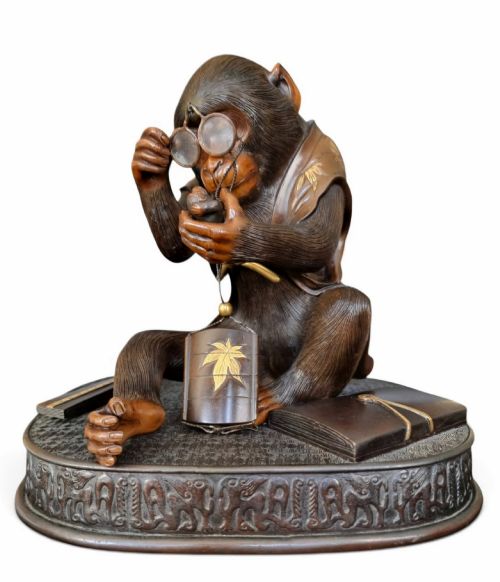
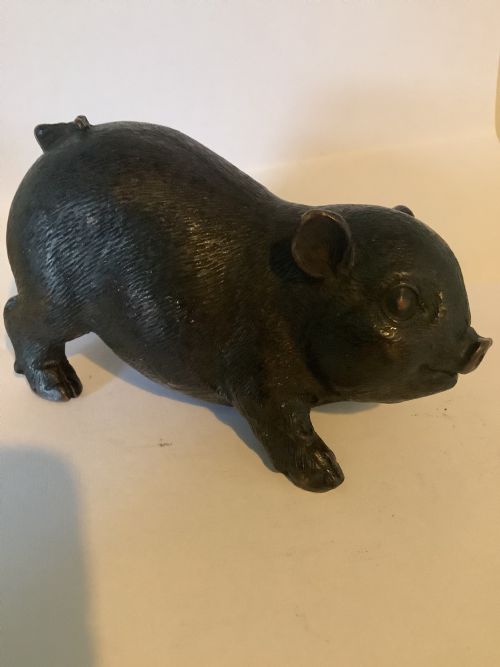
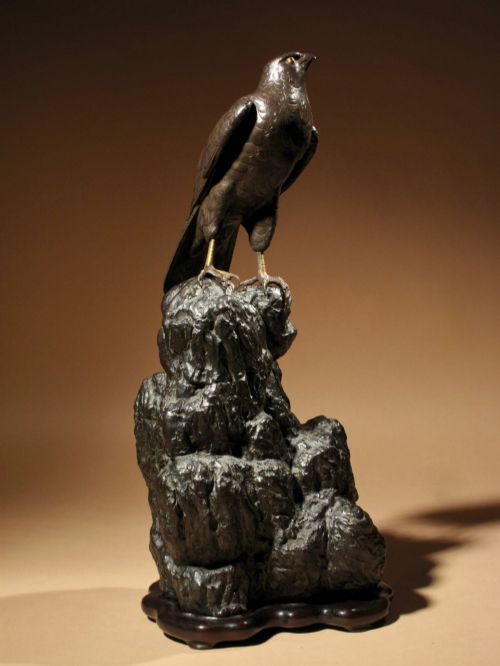
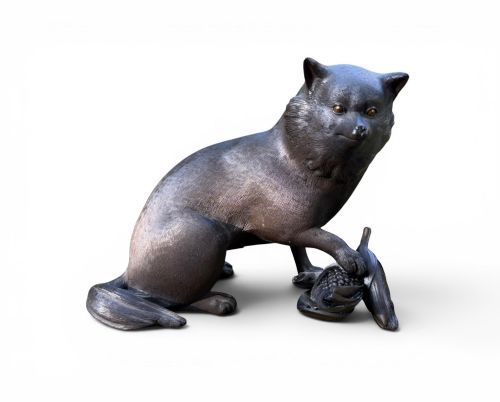
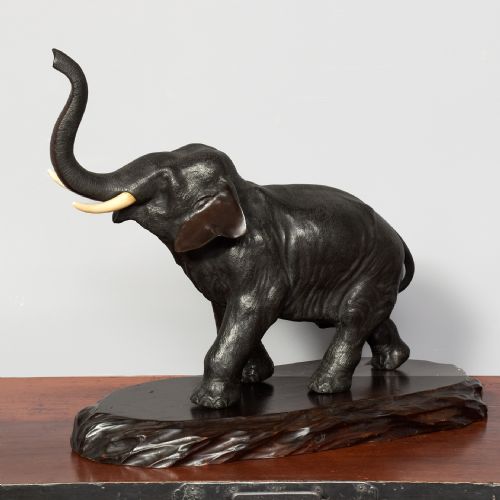
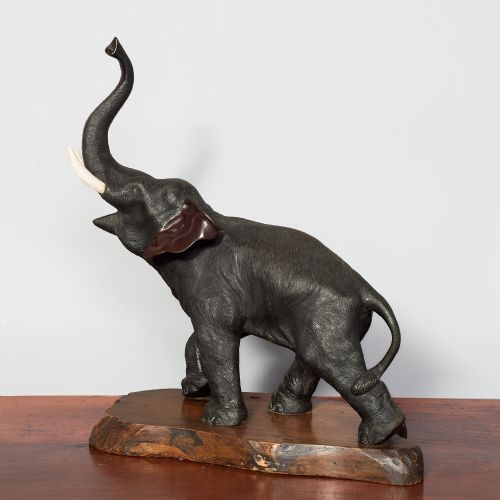
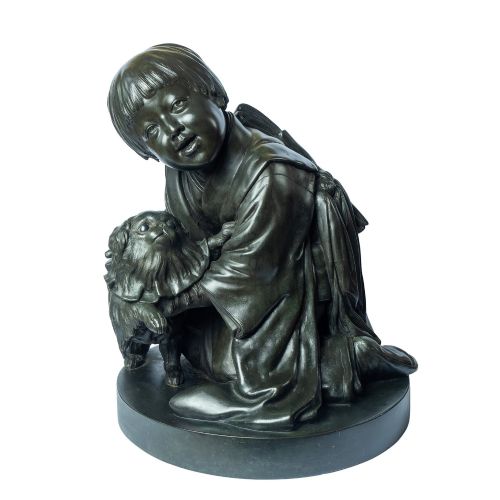
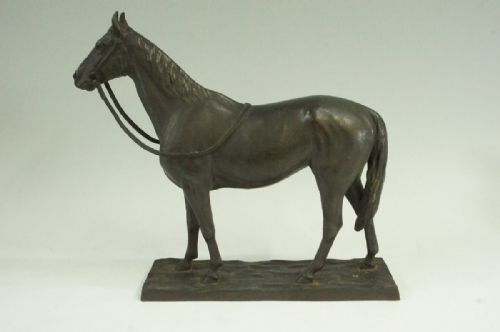
When searching for an oriental bronze animal statue, collectors encounter figures spanning the nineteenth and early twentieth centuries. These works originate from Japan, China, India, and Burma, showcasing subjects ranging from domestic dogs and pigs to elephants, tigers, and mythical temple lions.
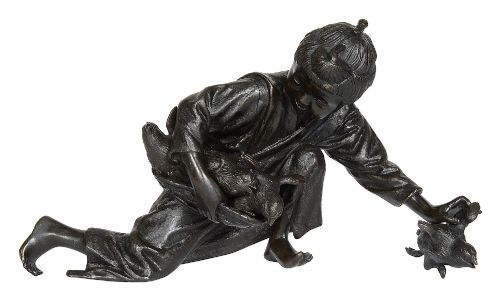
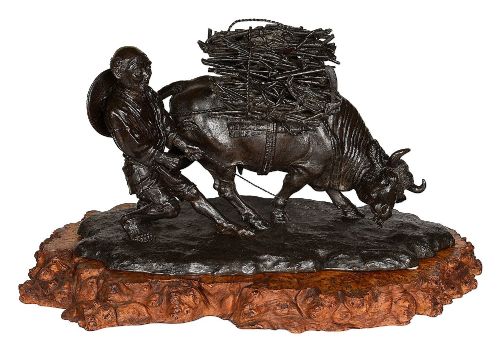
The Japanese examples frequently take the form of okimono or detailed sculptural studies created during the Meiji period. Alongside these, buyers find Indian elephant sculptures with riders and Chinese bronze horses or pigs, demonstrating a broad geographical spread within Asian metalwork.
How they were made
Foundries utilised traditional casting methods to achieve fine details, from the texture of feathers and fur to the naturalistic rocks and bases upon which the animals sit.
A rat clutching a chestnut sits comfortably alongside formidable tigers and temple lions.
What varies in quality
Quality depends on the finesse of the casting and the expressiveness of the animal's form. Superior examples capture musculature, movement, and character with precision, whether depicting a crouching lion, a wolf, or monkeys.
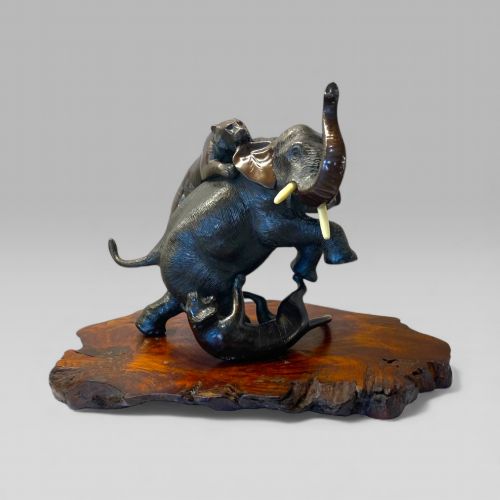
The complexity of the composition also influences distinction, such as multi-figure groups involving elephants and tigers or signed works from known Japanese foundries and makers. Inset details like diamond eyes or ivory tusks further differentiate the finer sculptures.
Masaaki·Kunio Itô·Tsunemitsu·Kaniya Kuniharu·Sakai Kōzan
The Oriental Bronze Animal Statue Glossary
- Okimono
- A Japanese ornamental statue or object for display, often placed in a tokonoma alcove or on a shelf. These carvings and metal sculptures portray animals, figures, and subjects from nature.
- Temple Lion
- A traditional guardian figure, often styled as a mythical lion or dog, placed at entrances to protect sacred spaces. Pairs of these statues are common in Chinese and Asian art.
- Mixed-Metals
- The technique of combining different metallic alloys, such as copper, bronze, and gold inlay, to create contrasting colours and decorative surface effects.
Oriental Bronze Animal Statue: Frequently Asked Questions
How are elephants depicted?
Elephant sculptures appear in various dynamic contexts, sometimes shown standing on naturalistic bases or engaged in conflict with tigers. Some examples incorporate ivory tusks or diamond eyes.
Originating from Japan, India, and Burma, these pieces highlight different regional sculptural traditions of the nineteenth and early twentieth centuries.
What are temple lions?
Temple lions are protective guardian figures traditionally placed outside buildings or shrines. They are often cast in pairs and feature stylised mannes and muscular forms.
These large bronze sculptures serve both decorative and symbolic roles within Asian art.
Which periods are represented?
The selection spans the nineteenth century and the early twentieth century, with a strong representation from the Japanese Meiji period. Other pieces date from the Qing Dynasty and nineteenth-century India.
Dates range from the late 1800s through the 1920s and 1930s.