

Oriental Brass Table
An oriental brass table brings warmth and intricate craftsmanship to a room, drawing the eye with detailed metalwork and rich cultural motifs.
Oriental Brass Table
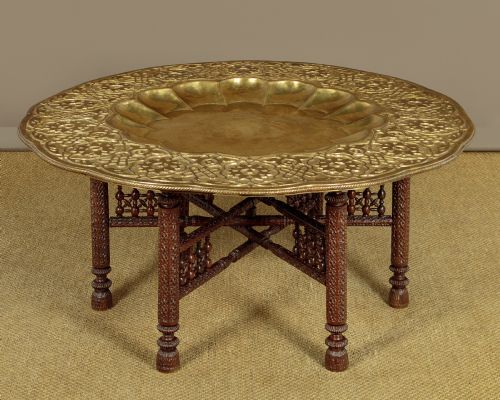
When searching for an oriental brass table, you encounter pieces primarily from the nineteenth and early twentieth centuries, including the Edwardian period. These items typically manifest as occasional tables, coffee tables, and side tables featuring surface decoration or brass components.
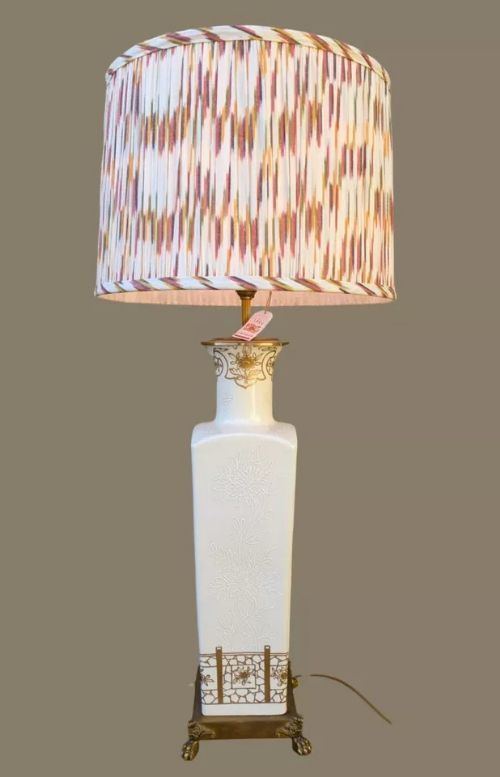
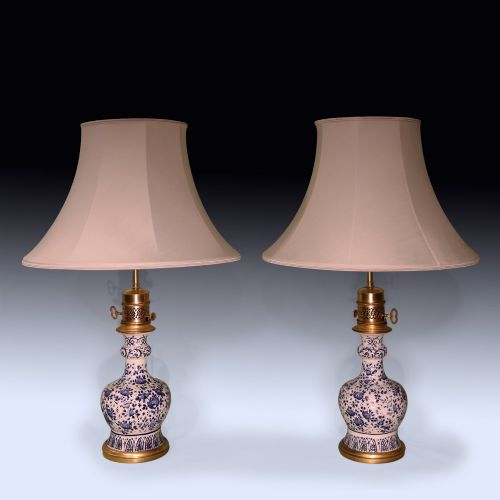
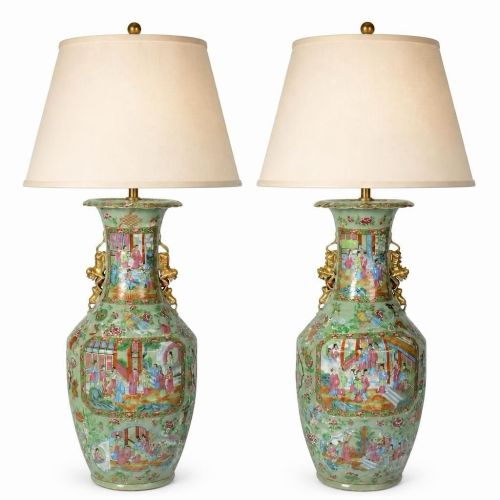
The selection ranges from Indian engraved brass tables and brass-inlaid occasional pieces to tables with copper tops and brass bases supporting ceramic lamp bodies. Regional variations span Indian work, including Hoshiarpur examples, alongside broader Chinoiserie interpretations.
The most common forms on this page are low or occasional tables designed for display and daily use in a reception room. Their utility lies in offering a sturdy surface framed by distinct cultural ornamentation.
How they were made
Makers constructed these tables using a base of solid wood or carved timber, onto which they applied sheets of brass or copper. Artisans secured these metal plates with small tacks or incorporated them into recessed wooden channels.
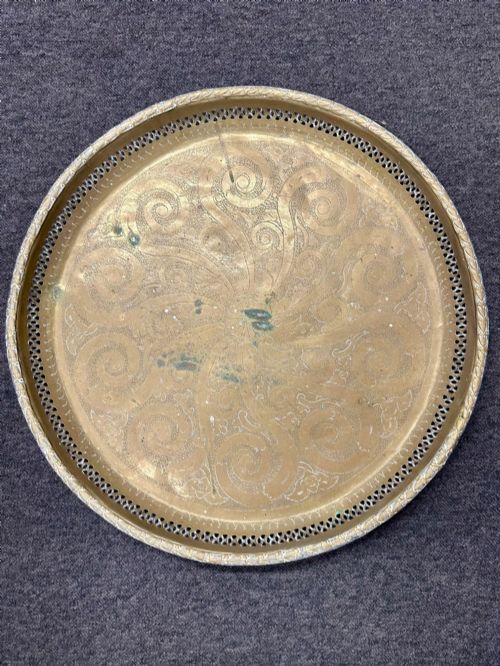
Decoration relied heavily on hand engraving, pierced gallery work, and brass inlay techniques. Craftsmen etched floral or geometric patterns directly into the metal surface using simple hand tools, creating textures that caught the light.
Where wood formed the primary structure, ebonising or lacquering provided a dark, smooth finish that contrasted with the metallic elements. Some examples integrated mixed media, combining brass frames with ceramic or porcelain inserts.
Oriental Brass Table Retail Price Guide 2026
Typical asking prices for oriental brass table among the pieces listed under this phrase on Sellingantiques today, from the lower quarter to the upper quarter. They describe what is for sale here now, not the wider market.
Some table tops double as removable trays, ready to assist with afternoon tea before returning to duty as a display surface.
What varies in quality
Quality rests on the depth and precision of the hand engraving across the brass surface. Finer examples display crisp, deeply chased lines with balanced symmetry, whereas lesser pieces rely on shallow, machine-stamped patterns.
The integrity of the construction dictates the lasting value of the piece. Tables with tightly joined wooden frames and securely fitted metal tops endure better than those where shrinkage has loosened the brass inlay.
The complexity of the design also separates standard production from superior craftsmanship. Elaborate pierced galleries and dense overall brass inlay demand significantly more labour than simple border banding.
Maison Bagues
The Oriental Brass Table Glossary
- Hoshiarpur
- A region in Punjab known for intricate woodwork inlaid with brass, bone, or ivory. Tables from this area feature dense geometric and floral patterns covering the entire surface.
- Chinoiserie
- European imitation and interpretation of Chinese and East Asian artistic traditions. This style appears on lacquered furniture and decorative objects from the eighteenth century onwards.
- Champlevé
- An enamelling technique where troughs or cells are sunk into the metal surface and filled with vitreous enamel before firing. It provides robust coloured decoration on brass or bronze items.
- Anglo-Indian
- A term describing furniture and decorative arts made in India for British colonial residents or for export to Britain, combining Western forms with traditional Indian craftsmanship.
- Pierced gallery
- A perforated metal or wooden railing surrounding the edge of a table top. This openwork technique adds decorative lightness to the perimeter of the piece.
Oriental Brass Table: Frequently Asked Questions
How do I clean an oriental brass table?
Dust the brass surface regularly with a soft, dry cloth to prevent grime accumulation. Avoid harsh chemical polishes that strip away the aged patina accumulated over the decades.
For stubborn marks, use a mild soapy solution on a damp cloth, drying the metal immediately afterwards. Take care not to let moisture seep into any underlying wood or inlaid joints.
Where should I place this table?
These tables suit reception rooms, studies, or hallways as occasional surfaces for lamps or decorative objects. Their distinctive metalwork works well when contrasted against plain upholstery and neutral walls.
Keep them away from direct heat sources and strong sunlight to protect both the brass finish and the underlying wooden structure from warping.
How do I date an oriental brass table?
Examine the construction methods, tool marks on the reverse of the metal, and the type of fixings used to secure the top to the base. Hand-cut screws and older wood types usually point towards the nineteenth or early twentieth century.
Compare the decorative motifs with known regional styles from periods such as the Edwardian era or the Victorian era to narrow down the decade of production.
Are these tables sturdy enough for daily use?
Most occasional and coffee tables from this category were built for everyday function in domestic interiors. Their wooden frames provide adequate support for normal placement of books, cups, and lamps.
Heavier items or excessive weight should be avoided to protect the inlaid brass tops and delicate leg joints from strain.