
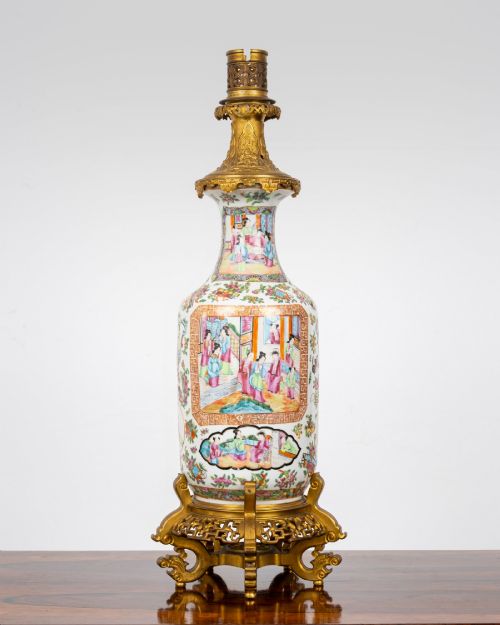


Oriental Brass Table Lamp
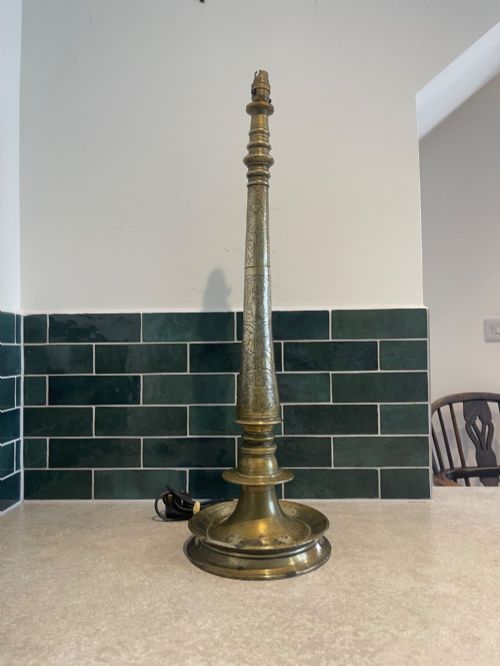
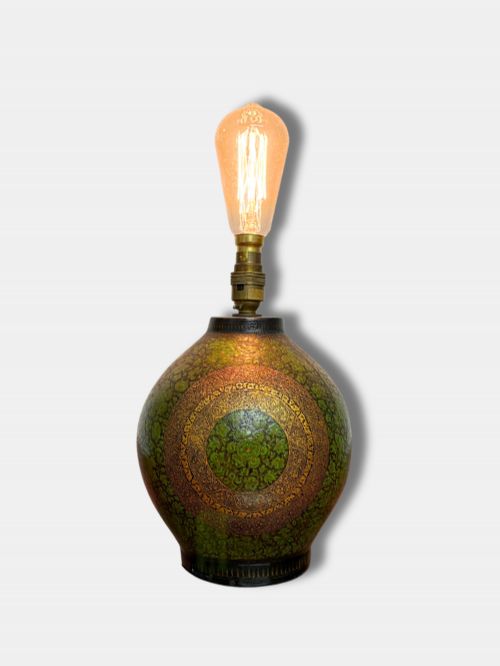
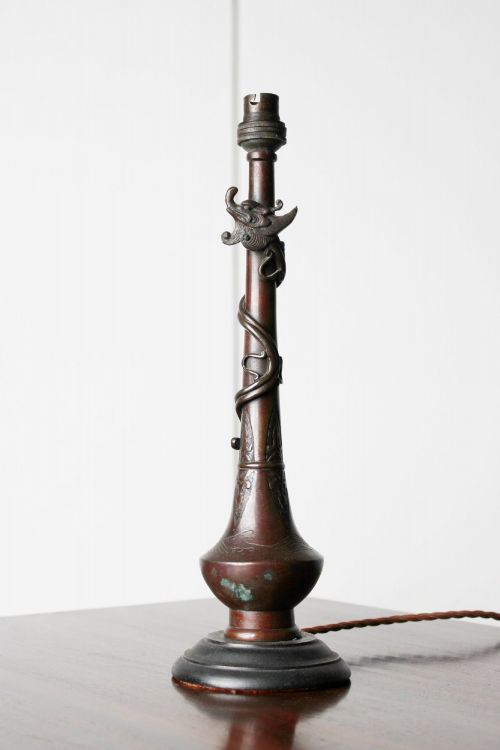
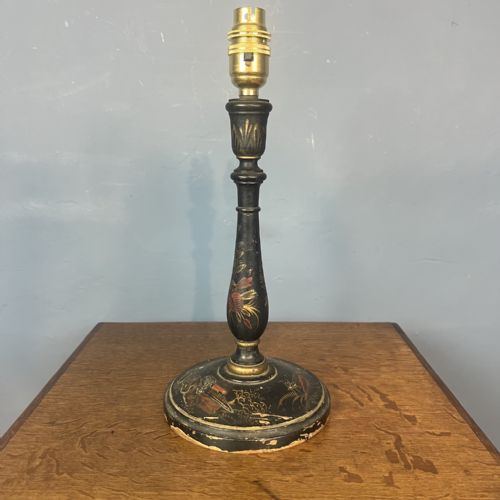
These oriental brass table lamp examples bring together cast metal, imported porcelain and hand-applied lacquer from the nineteenth and early twentieth centuries.
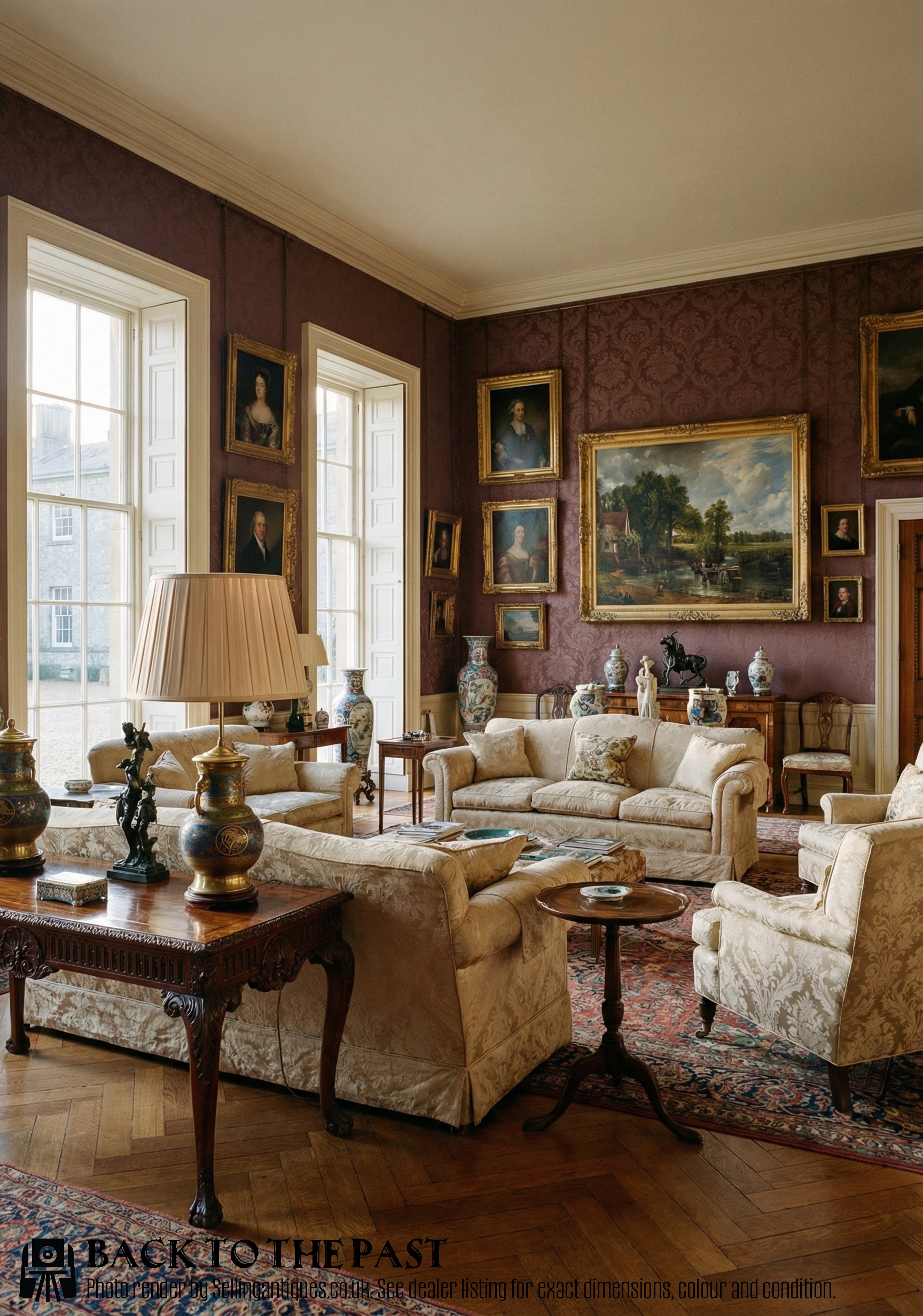
Oriental Brass Table Lamp
When you search for an oriental brass table lamp, you encounter pieces that often began life as something else entirely before being converted into lighting. Vases, ginger jars, and bronze vessels from China and Japan form the basis of many examples found here.
The nineteenth century and the Edwardian era yielded a large proportion of these conversions, alongside pieces produced specifically for export. Alongside solid brass, you will see combinations incorporating porcelain, enamel, and carved wood.
Stylistic influences span Chinese Qing dynasty export wares, Japanese Meiji period bronzes, and regional Indian metalwork. These cross-cultural pieces reflect a long history of imported goods adapted for Western domestic interiors.
Materials and construction methods
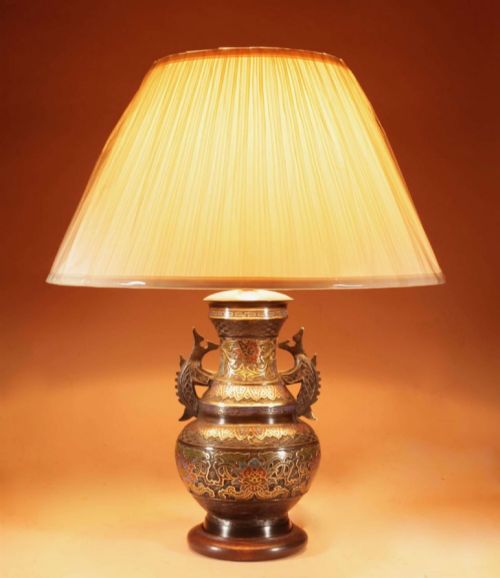
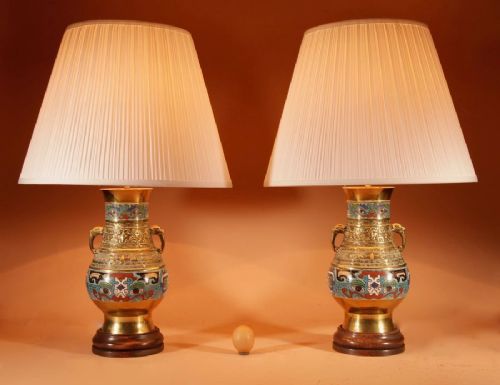
Metalworking techniques vary from heavy cast bronze and pressed brass to intricate champlevé and cloisonné enamel work. Artisans embedded vitreous enamels into wire cells or hollowed recesses on the metal surface before firing and polishing.
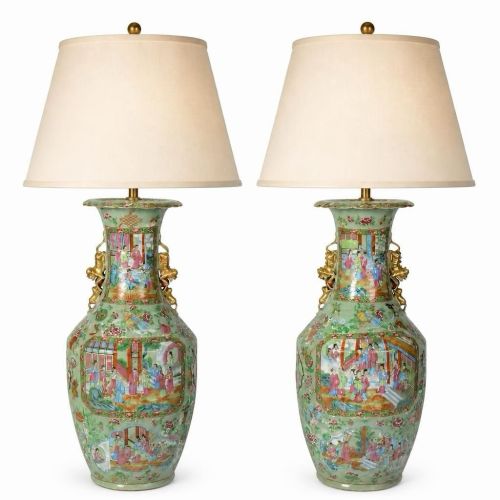
Porcelain elements display hand-painted glazes such as Famille Verte, Famille Rose, and celadon, often paired with gilt bronze mounts. Lacquered wood and toleware structures rely on successive coats of dark finish with painted or gilt ornamentation.
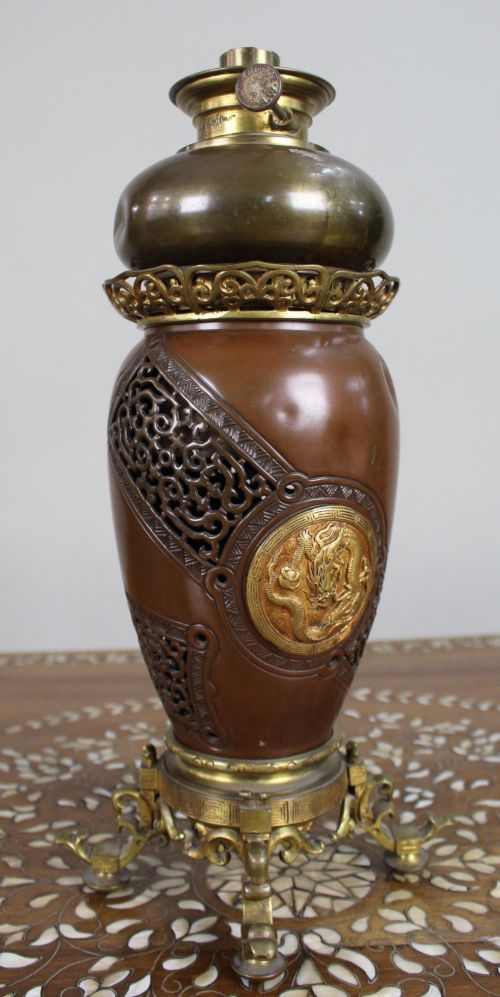
Materials across the selection range from heavy cast bronze and cloisonné enamel to lacquered wood and hand-painted toleware.
Judging the quality of the work
Quality rests upon the crispness of the casting and the precision of any enamel work. Superior examples show clean lines in the metal and tight, orderly integration where vases meet their brass mounts or bases.
The hand-painted detail on porcelain bodies distinguishes finer pieces from simpler production. Weight and substance also signal better manufacture, particularly in cast bronze and heavy brass lamp bodies.
The Oriental Brass Table Lamp Glossary
- Champlevé
- An enamelling technique where trenches are gouged into a metal surface and filled with vitreous enamel before firing. This method produces bold colour fields alongside exposed metallic lines.
- Cloisonné
- A method using thin metal wires soldered to a metal base to create compartments for enamel paste. The piece is then fired and polished to an even finish.
- Famille Verte
- A Chinese porcelain palette dominated by green enamel overglazes, developed during the Qing dynasty. Artisans combined this with iron red, blue, and yellow to create detailed pictorial scenes.
- Meiji Period
- The era of Japanese history spanning from eighteen sixty-eight to nineteen twelve, known for accomplished bronze and cloisonné production. Export works from this time frequently reached European markets.
- Celadon
- A term for ceramics featuring a pale green jade-like glaze derived from iron oxide in the reduction kiln. The subtle tone varies from grey-green to olive.
Oriental Brass Table Lamp: Frequently Asked Questions
Are these original antique lamps?
Many items listed originate as nineteenth-century or early twentieth-century vases, jars, and decorative bronzes that were subsequently converted into table lamps. The wiring and fittings are generally modern updates applied to older bodies.
Makers often adapted imported Asian vessels to suit Western lighting requirements, meaning the ceramic or bronze component predates the electrical elements.
How do I date a brass lamp?
Dating relies on examining the manufacturing techniques of the metal or ceramic base, such as cast versus pressed brass or the specific style of enamel work. Edwardian and Victorian examples often carry distinct patination and mounting styles typical of European assembly.
Reference to periods like the Meiji era or Qing dynasty provides a broad bracket for the origin of the primary vessel used in the construction.
What is Chinoiserie style?
Chinoiserie represents European interpretations and adaptations of Chinese and East Asian artistic traditions, popular during the eighteenth, nineteenth, and early twentieth centuries. It appears on lacquered lamp bases and painted metalwork.
This aesthetic blends European furniture forms and decorative lighting shapes with Asian motifs such as landscapes, figures, and floral sprays.
How should I clean my lamp?
Dust brass and bronze gently with a soft, dry cloth to preserve the natural patination built up over decades. Avoid harsh chemical polishes that strip away the aged finish of older metalwork.
Porcelain and enamel sections can be wiped with a slightly damp cloth, taking care to keep all electrical components completely dry.