

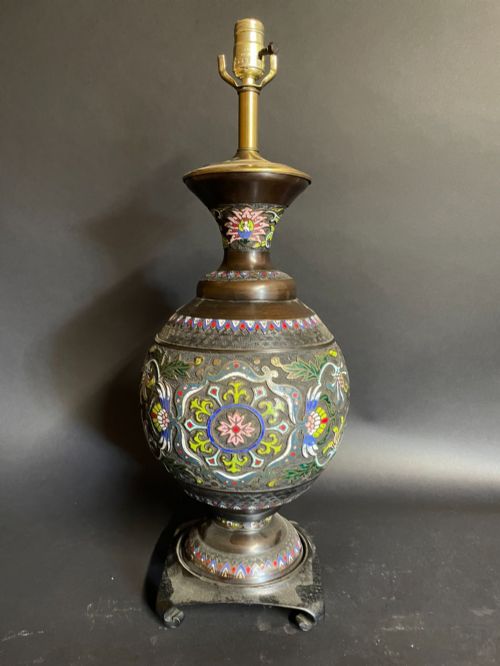


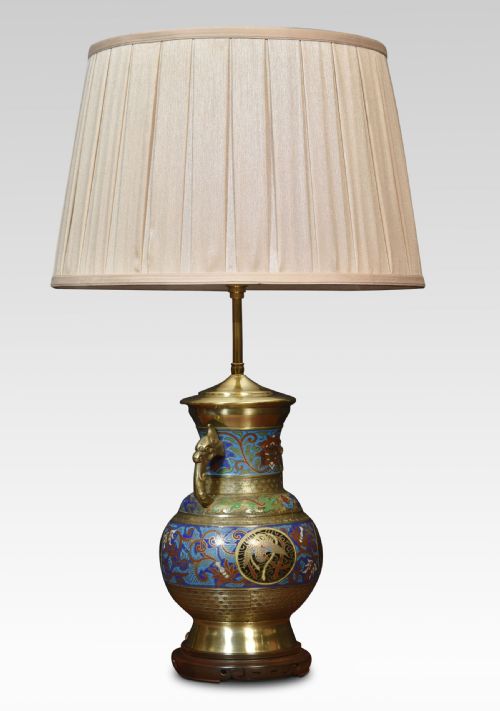


Antique Enamel Lamp Base
These antique enamel lamp base pieces combine vitreous colour with practical illumination, offering collectors a striking fusion of decorative arts and functional lighting.
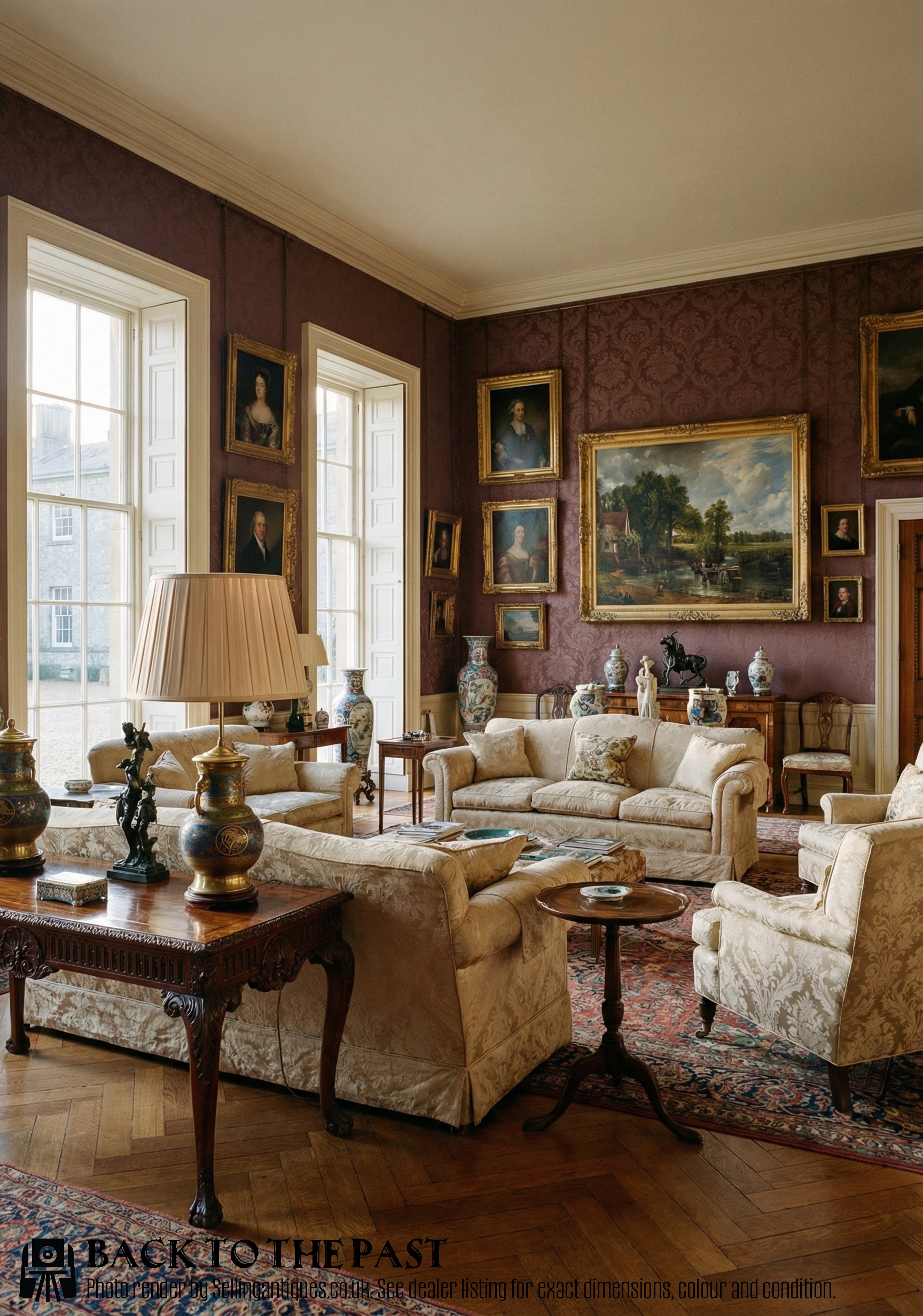
Antique Enamel Lamp Base
An antique enamel lamp base brings intricate surface decoration and utility together, frequently utilising converted vessels or purpose-built fittings from the nineteenth and early twentieth centuries. Buyers searching for an antique enamel lamp base encounter table lamps adapted from Chinese cloisonné and famille rose vases, alongside maritime fixtures.
The selection on this page spans distinct cultural traditions and eras, featuring Japanese Meiji period bronzes and nineteenth century European art nouveau designs. These items function primarily as table lights, combining ceramic, metal, and glass elements to suit traditional interiors.
How they were made
Maker techniques rely heavily on fusing vitreous enamel to metal substrates such as brass, copper, and bronze, often creating intricate cells in cloisonné work or smooth monochrome surfaces on iron. Artisans applied coloured powdered glass pastes within wire frameworks or onto cast bases before firing them at high temperatures to achieve a durable, glossy finish.
Many examples incorporate secondary materials including gilt bronze mounts, carved wood bases, and fabric components to support electrical or oil-burning mechanisms. Conversion work from earlier Chinese vases and Japanese vessels frequently involved drilling and mounting metal collars to secure lamp hardware.
Ship's gimbal lamps had to stay level during heavy storms so sailors could read charts without chasing rolling lights across the cabin floor.
What varies in quality
Quality in these items rests upon the precision of the enamelling work, the crispness of the underlying metal chasing, and the harmony of any subsequent gilt bronze or brass mounts. Finer specimens display even enamel distribution without cracking, alongside well-integrated mounting hardware that respects the original vessel.
The integrity of the conversion process also dictates overall merit, particularly whether earlier vases or ship's lamps were adapted with reversible fittings that preserve the base object. Superior examples maintain the structural balance and aesthetic balance of the primary material, whether Chinese cloisonne or Victorian art nouveau glass.
The Antique Enamel Lamp Base Glossary
- Cloisonné
- A metalwork technique where thin wire compartments are soldered to a base and filled with enamel paste before firing. This method creates distinct coloured patterns bordered by delicate metal lines.
- Famille Rose
- A Chinese ceramic palette characterised by opaque pink or rose enamel colours introduced during the Qing dynasty. These wares often feature detailed floral and figural scenes.
- Gimble
- A pivoting ring suspension system used on ship's lamps to keep the light level regardless of vessel movement. This maritime engineering allowed lamps to swing freely on gimbals aboard nineteenth century naval vessels.
- Meiji Period
- The era in Japanese history spanning from 1868 to 1912, known for exceptional metalwork and decorative arts exported to Western markets. Pieces from this time often utilise bronze and detailed enamel decoration.
Antique Enamel Lamp Base: Frequently Asked Questions
Are these lamps converted from vases?
Many examples originate as nineteenth century Chinese or Japanese vases subsequently mounted with electrical or oil-burning hardware.
This adaptation practice preserves decorative vessels while repurposing them for domestic interior illumination.
How do I date an enamel lamp base?
Dating relies on stylistic markers such as art nouveau curves, Qing dynasty motifs, or Victorian brass components.
Examining the base materials and mounting techniques provides further clues regarding the manufacturing period.
Where were gimbal lamps used?
Black enamelled iron gimbal lamps served primarily in maritime settings aboard nineteenth and early twentieth century naval ships.
The pivoting mechanism ensured the flame remained upright during rough seas.
What maintenance do these lamps require?
Care involves gentle dusting with a soft cloth and avoiding abrasive chemical cleaners on the delicate enamel or gilt bronze surfaces.
Wiring should be checked periodically by a professional to ensure safety standards are met.