


Orange Porcelain Imari Vase
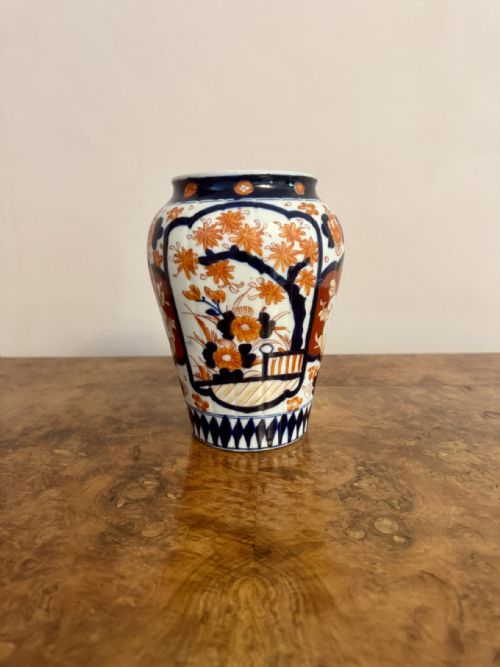
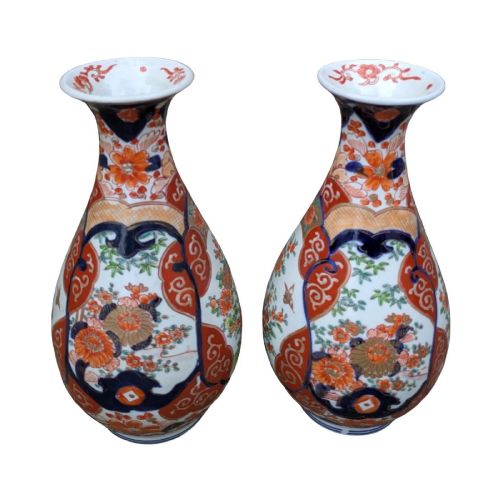
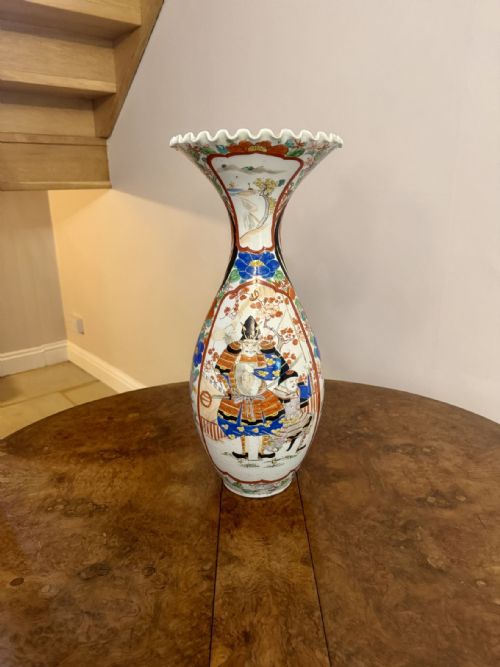
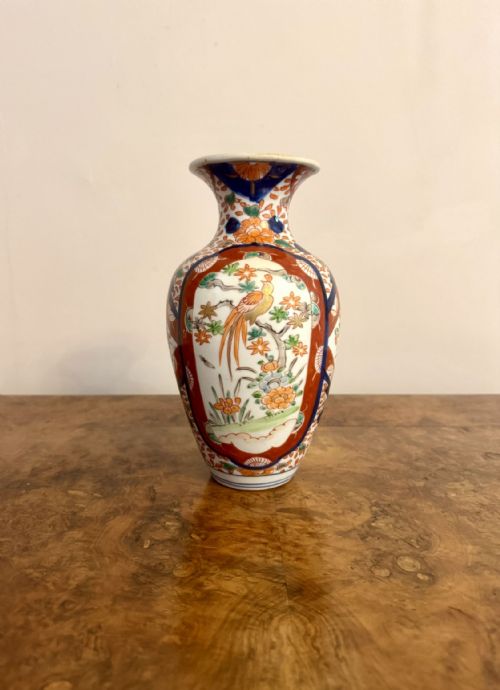
An orange porcelain imari vase brings rich hand-painted panels and iron-red tones into a room, offering strong pattern and period character.
Orange Porcelain Imari Vase
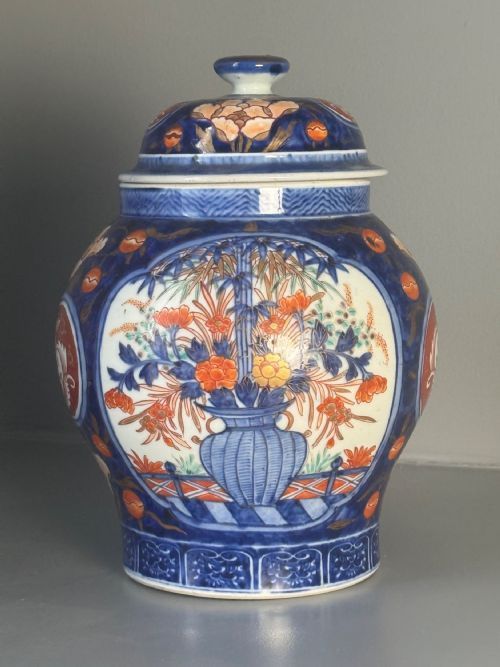
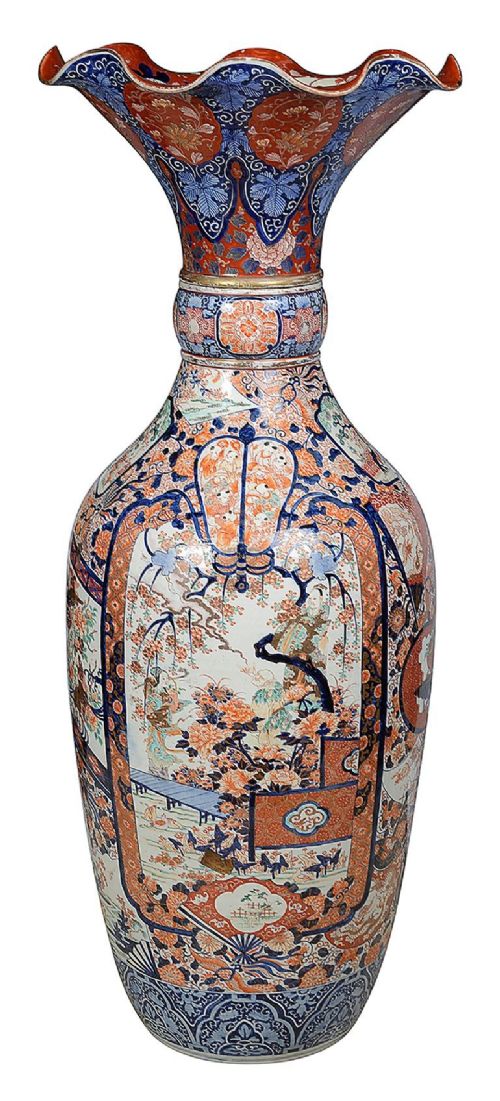
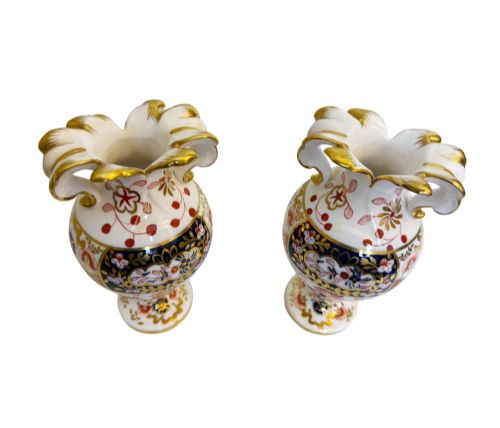
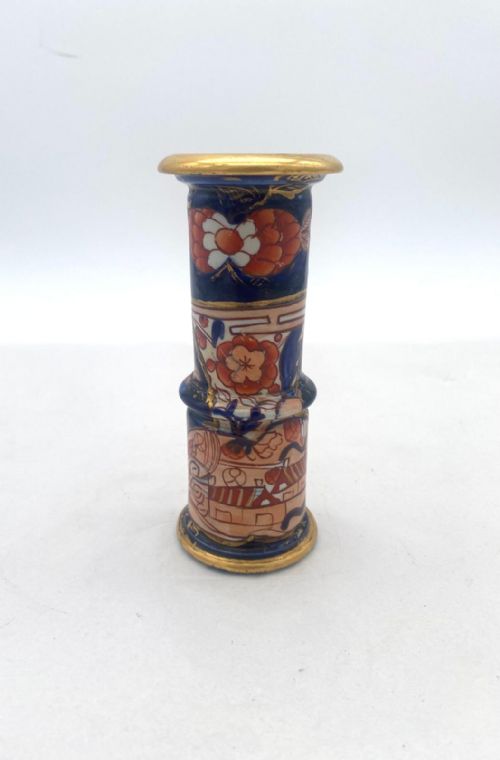
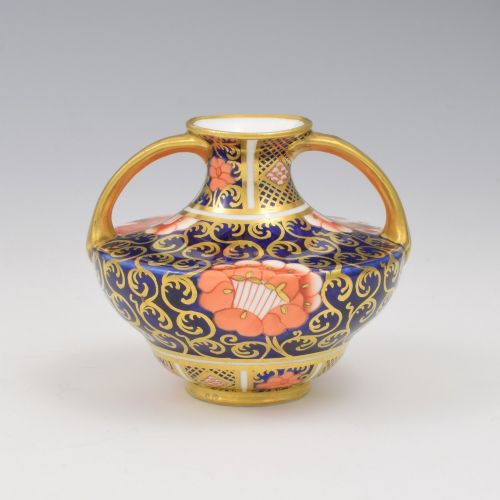
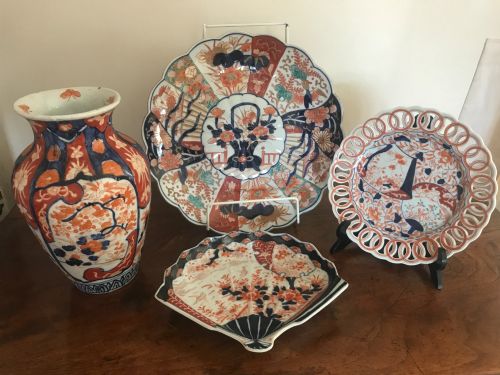
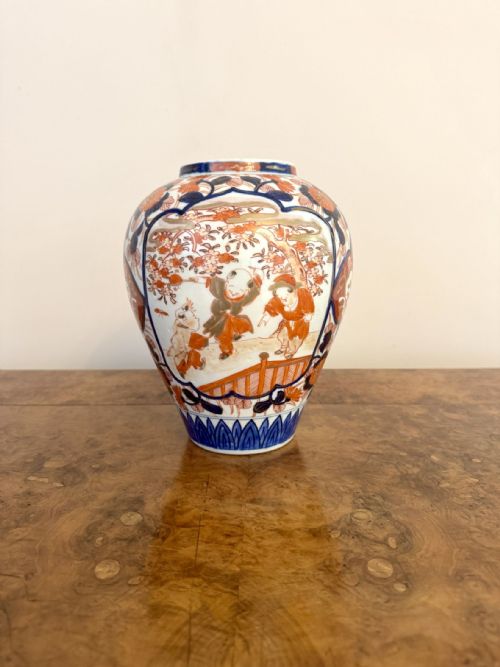
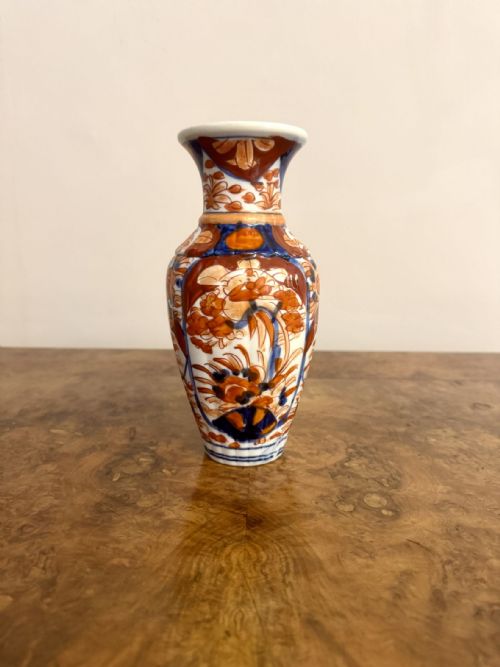
An orange porcelain imari vase typically combines traditional Japanese aesthetic traditions with robust ceramic bodies spanning the nineteenth century and earlier eras. Buyers searching for an orange porcelain imari vase will encounter diverse forms ranging from large floor-standing vessels and covered ginger jars to small cabinet pieces and twin-handled shapes.
Most examples originate from Japanese workshops of the Meiji period and subsequent decades, alongside British interpretations by factories such as Spode, Minton, and Royal Crown Derby. These objects serve as striking decorative focal points, often decorated with characteristic iron-red enamels and gilt detailing.
How they were made
Potters shaped high-fired ceramic clay on the wheel or within moulds to create bodies like double gourdes, octagonal balusters, and bottle shapes. Artisans then applied underglaze blue pigments alongside overglaze enamels in iron-red and other colours.
Many items incorporate gold leaf or delicate gilding highlights applied over the glaze and fired again to fix the metallic sheen. Glaze coatings provide a smooth, glossy protective layer across the decorated ceramic surfaces.
A solitary cow and tiger once wandered onto a Regency-era porcelain vase, proving that even traditional ceramic palettes occasionally enjoy a touch of wildlife.
What varies in quality
The precision and density of the hand-painted enamel work define the upper tier of these ceramics, separating crisp artistic execution from simpler commercial production. Mastery in balancing the iron-red pigments with blue underglaze and gold leaf creates visual depth across the body.
Scale and structural ambition also separate standard vessels from exceptional garnitures, large floor-standing urns, and complex lidded ginger jars. Intact covers, matching pairs, and well-preserved gilding enhance the overall presence of the ceramic.
Spode·Royal Crown Derby·Minton
The Orange Porcelain Imari Vase Glossary
- Imari
- A style of Japanese porcelain decorated in underglaze blue, iron-red enamel, and gold, originating from the town of Arita. The aesthetic spread widely across Europe and inspired domestic ceramic imitations during the eighteenth and nineteenth centuries.
- Meiji Period
- The era of Japanese history lasting from 1868 to 1912, associated with increased export of decorative arts to Western markets. Pieces from this time often display ambitious scale and meticulous enamel work.
- Garniture
- A set of three or more matching vases or vessels designed to be displayed together on a mantelpiece or sideboard. These matched groups coordinate in decorative scheme and ceramic form.
- Baluster
- A vase shape with a rounded lower body that tapers toward the neck, resembling a traditional architectural baluster. This classic form provides a stable base for complex painted panels.
- Ginger Jar
- A high-shouldered ceramic vessel with a domed lid, originally made for storage and later adopted purely for decorative display. Many examples feature detailed panel decorations in traditional palettes.
Orange Porcelain Imari Vase: Frequently Asked Questions
How do I date an orange porcelain imari vase?
Dating relies on examining the ceramic body, glaze characteristics, and stylistic conventions associated with specific production eras. Nineteenth-century Japanese pieces often reflect Meiji period techniques, while European interpretations bear factory marks from makers like Spode or Royal Crown Derby.
Examining the wear on the base and the vibrancy of the iron-red enamel provides further clues to the age of the vessel. Comparing the form against known patterns helps narrow down the decade of manufacture.
Are these vases waterproof?
Most antique porcelain vessels are intended for decorative display rather than holding water for fresh flowers. The high-fired ceramic body is dense, but older overglaze enamels and gilding can be sensitive to moisture.
Using them dry preserves the delicate iron-red enamel and gold leaf applied to the surface. If used for display, placing them away from direct sunlight protects the pigments from fading.
What is a ginger jar?
A ginger jar is a lidded ceramic vessel originally designed for holding spices, salt, or oil in historical households. Over time, European and Asian potteries produced them purely as ornamental display pieces.
On this page, they appear alongside traditional vases and floor-standing urns. Their distinct covered profile makes them versatile focal points for interior styling.
How do Japanese and British imari differ?
Japanese imari vessels were produced in production centres like Arita, focusing on traditional eastern motifs and distinct iron-red and blue palettes. British factories adapted these aesthetic traditions to suit Regency and Victorian tastes using local porcelain bodies.
Both traditions share a love for rich enamel patterns and gilt highlights. Maker marks on the base often help distinguish British factory output from Meiji period imports.