



Orange Oil Painting
An orange oil painting brings tactile warmth and citrus motifs into a room, spanning centuries of portraiture and still life.
Orange Oil Painting
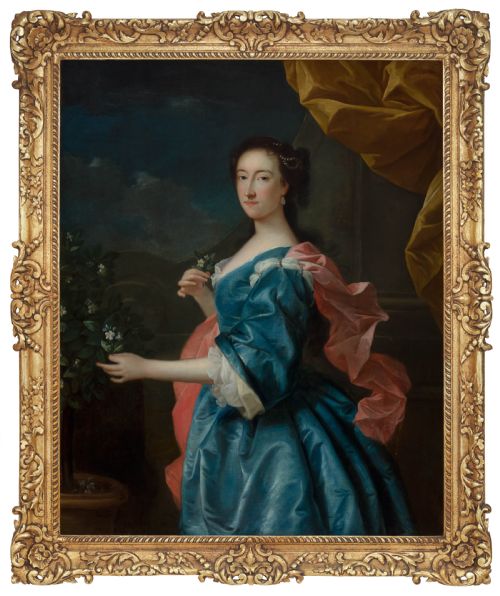
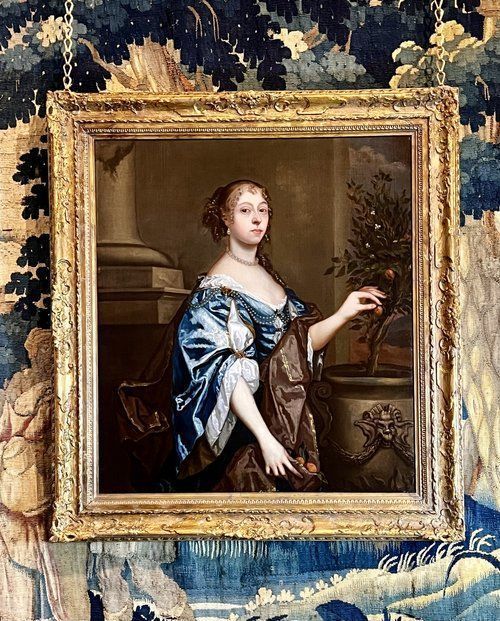
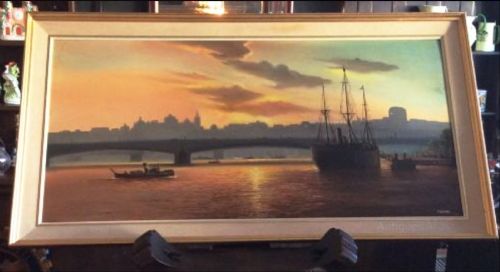
When you search for an orange oil painting, you encounter works ranging from seventeenth-century portraits featuring citrus fruit to mid-century still lifes and marine scenes.
The most common examples on this page are eighteenth-century portraiture incorporating orange trees and twentieth-century canvas studies of fruit.
The selection extends from Dutch Baroque depictions of nobility to Edwardian seascapes and mid-century expressionism.
How they were made
These works utilise oil paint applied to canvas, wood panels, or board.
Framing often consists of wood or giltwood surrounds that complement the canvas.
Several portraits feature subjects holding citrus fruit simply to demonstrate their wealth and imported luxuries.
What varies in quality
Quality rests in the handling of brushwork and the depth of the pigment, separating expressive studies from stiffer compositions.
The integration of the subject matter, whether a portrait figure holding citrus or a still life arrangement, determines the visual strength of the piece.
Jeremiah Davison·Pieter Borsseler·Peter Jackson·Harold Arthur Burke·Peter Lely·Michiel Jansz. Van Mierevelt·Jean-Baptiste van Loo
The Orange Oil Painting Glossary
- Oil on Canvas
- Pigments suspended in a drying oil medium applied to a stretched woven fabric support. This provides a flexible surface that holds rich colour and texture over centuries.
- Giltwood
- Wood carved and coated with gold leaf or a gold-coloured finish. It provides ornate framing for traditional portraits and landscapes.
- Still Life
- A painting featuring inanimate subject matter, typically commonplace objects such as fruit, flowers, or glassware. These compositions focus on light, shadow, and arrangement.
- Dutch Baroque
- An artistic style from the seventeenth century characterised by dramatic lighting and realistic portraiture. Works from this tradition often include symbolic botanical elements.
Orange Oil Painting: Frequently Asked Questions
What periods do these paintings cover?
The selection spans from the seventeenth century through the Georgian and Edwardian eras up to mid-century modern works.
Earlier pieces often concentrate on portraiture with symbolic fruit, while later works lean towards floral still life and abstract expressionism.
How do I hang a canvas safely?
Ensure the wall fixings match the weight of the wood frame and canvas.
Keep oil paintings away from direct sunlight and excessive moisture to protect the paint layer.
What subjects appear most often?
Portraits of figures holding oranges or standing near orange trees appear frequently among the earlier works.
Still life arrangements featuring fruit, bowls, and flowers populate the twentieth-century selections.
Are frames original to the pieces?
Frames vary between period giltwood surrounds and later wooden mouldings.
Checking the backing and condition of the wood gives an indication of its age relative to the canvas.