



Orange Floral Ceramic Dish
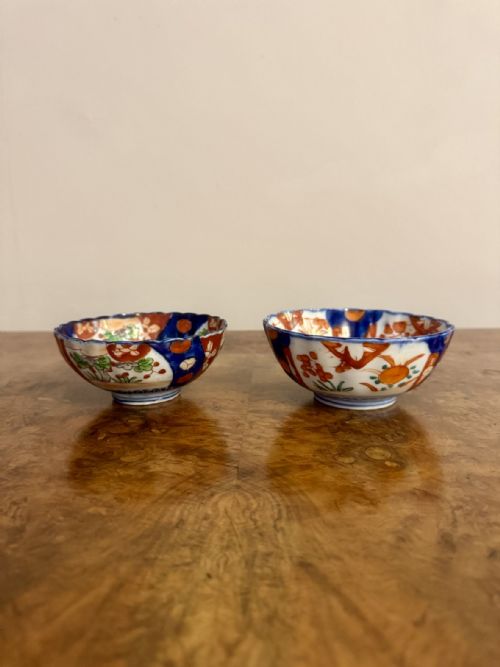
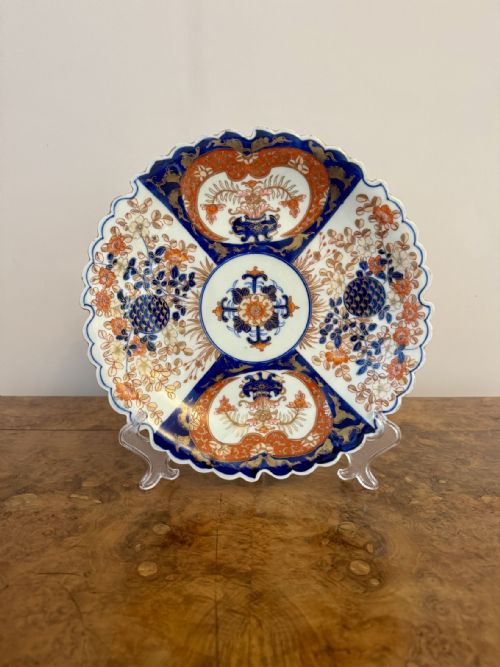
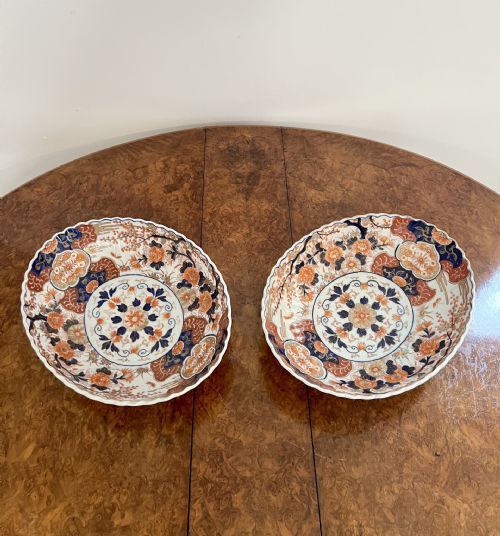
An orange floral ceramic dish brings vibrant hand-painted colour to a table, combining traditional glaze work with striking decorative patterns from several centuries.
Orange Floral Ceramic Dish
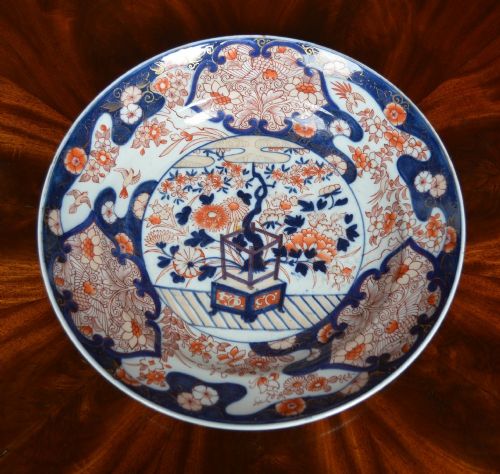
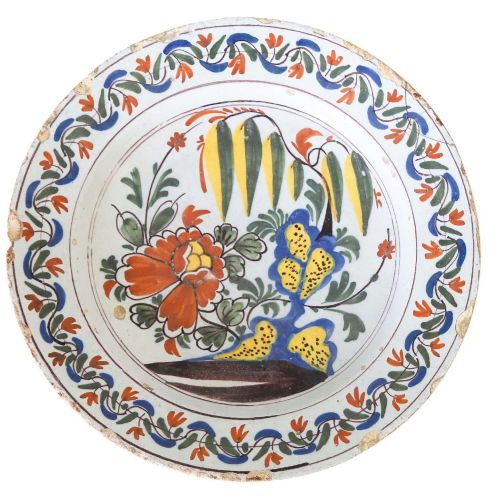
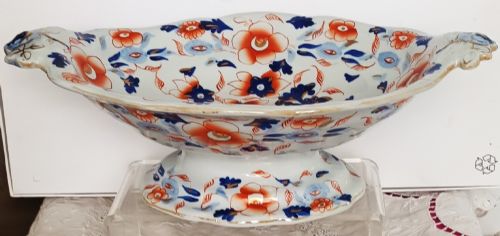
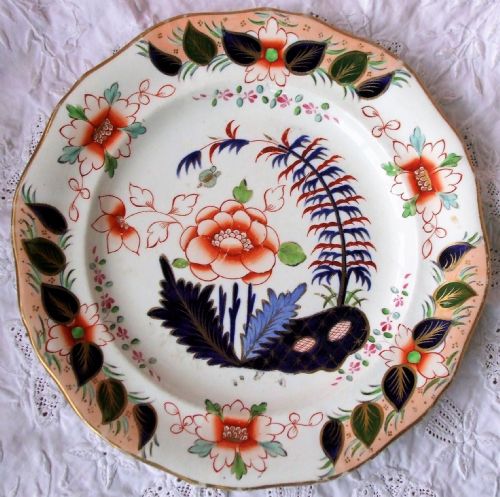
When you search for an orange floral ceramic dish, you encounter a selection spanning Japanese Imari porcelain, Chinese export pieces, English ironstone, and delftware chargers. These items range from small scalloped bowls and footed comports to large display plates and servers.
The most common examples on this page are Japanese Imari plates and chargers from the Meiji period and around nineteen hundred, alongside English ironstone and eighteenth-century Delftware. They serve primarily as decorative wall plates, table chargers, or service vessels.
Origins stretch from the seventeenth-century Edo period through Victorian England to the early twentieth century. Makers such as John Davenport and Charlotte Rhead appear among English ceramic productions, while others originate from East Asian kilns.
How they were made
Potters shaped ceramic, porcelain, ironstone, and pottery bodies on the wheel or in moulds before applying underglaze and overglaze pigments. Hand-painted floral decoration frequently utilised the classic Imari palette of iron red, underglaze blue, and gilt highlights.
Finishes incorporate glaze, enamel, and gold leaf, sometimes heightened with gilding applied over the fired ceramic surface. Certain pieces received scalloped edges, shell shapes, or footed bases to augment their display utility.
Some plates were shaped like sea shells, proving that historic potters occasionally abandoned traditional circles for something distinctly marine.
What varies in quality
The fineness of the hand-painted floral brushwork distinguishes standard items from superior examples. Crisp detailing in the enamel and precise application of gold leaf indicate higher grade porcelain and ironstone.
Depth of glaze and clarity of the Imari palette differ across periods, with earlier Edo and eighteenth-century pieces demonstrating distinct pigment density compared to later Victorian and twentieth-century production.
John Davenport of Longport·Charlotte Rhead Bursley Ware·Mason's Ironstone China
The Orange Floral Ceramic Dish Glossary
- Imari palette
- A traditional decorative scheme utilising iron red, cobalt blue, and gilt highlights on porcelain or ceramic. This colour combination originated in Japan and was widely copied by European potteries.
- Ironstone
- A dense, durable type of heavy earthenware patented in the nineteenth century. It provided a robust substitute for porcelain.
- Charger
- A large decorative plate or dish utilised for display or serving. These items frequently hung on walls or anchored table settings.
- Comport
- A footed dish or bowl raised above the table surface on a pedestal. They served fruit or sweetmeats during formal meals.
Orange Floral Ceramic Dish: Frequently Asked Questions
How do I identify Imari porcelain?
Imari porcelain is characterised by its distinctive palette combining underglaze blue, iron red, and gilt overglaze decoration. The patterns usually incorporate floral and botanical motifs.
Items range from small bowls to large chargers produced across multiple centuries in Japan and subsequently imitated in Europe.
Were these dishes used for dining?
Many larger pieces, such as chargers and comports, served primarily as decorative display items or centrepieces rather than everyday tableware. Smaller plates and bowls saw practical use during meals.
Ironstone and porcelain examples provided durable surfaces for serving food in nineteenth-century households.
How do I date an antique ceramic dish?
Dating relies on examining the ceramic body, glaze characteristics, style of hand-painted decoration, and any stamps or marks on the underside. Edo period pieces differ significantly in paste and pigment from Victorian or twentieth-century wares.
Maker marks, such as those from John Davenport or Bursley Ware, offer precise chronological reference points.
Can I hang these plates on the wall?
Large plates and chargers are frequently displayed on walls using appropriate secure wire hangers designed for heavy ceramics. Their decorative floral patterns make them suitable for visual display.
Ensure the weight of the ceramic, particularly ironstone or large porcelain chargers, is properly supported by the hanging hardware.