





Openwork Gilt Frame
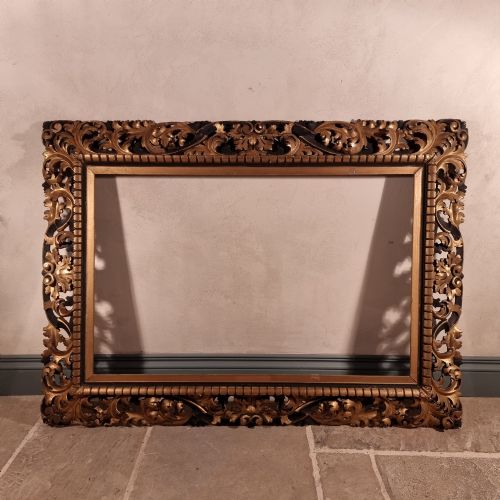
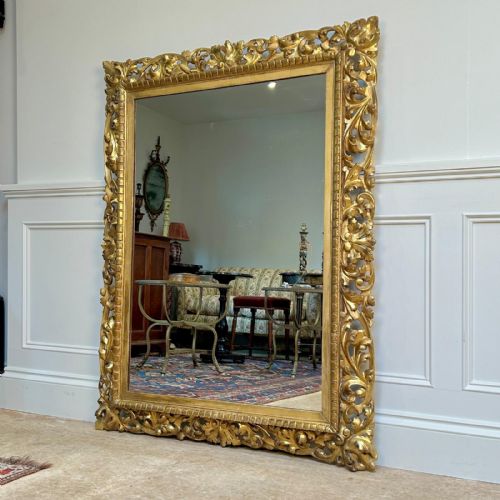
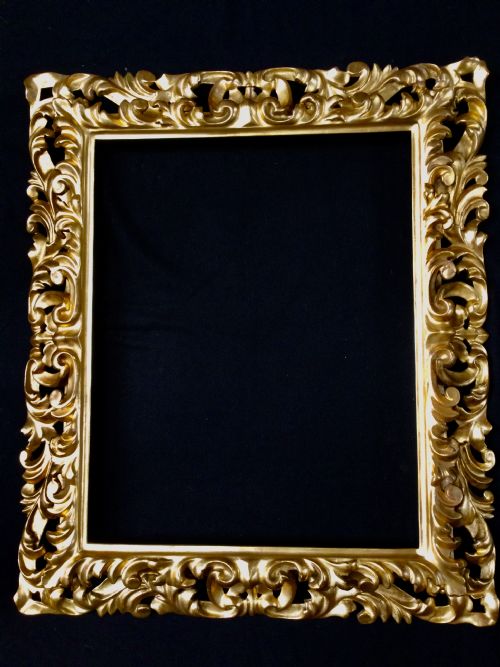
These openwork gilt frames bring carved gold leaf and intricate pierced surrounds into a room.
Openwork Gilt Frame
When you search for an openwork gilt frame, you are looking at ornamental surrounds created to hold mirrors or pictures. These pieces combine elaborate open carving with gold leaf surfaces, originating from periods spanning the seventeenth through to the early twentieth century.
The versions you are most likely to meet on this page take the form of wall mirrors and picture frames. They arrive in styles such as Florentine, French Rococo Revival, and Spanish Baroque, reflecting the decorative tastes of past centuries.
Originating from Italian, French, and Spanish workshops, these items serve as both functional framing and striking wall decoration. Their openwork structures set them apart from simple flat mouldings by introducing deep, pierced relief.
How they were made
Makers fashioned these frames using wood and gesso as the foundational base for the intricate carvings. Artisans applied layers of gold leaf or giltwood over the carved structures to achieve a brilliant metallic finish.
Mirror glass was fitted into these ornate surrounds, sometimes accompanied by cushion framing techniques to add depth. The construction relies on traditional carving methods to produce the pierced, openwork patterns characteristic of the style.
Even a simple seventeenth-century picture frame deserves a gold hat to look important.
What varies in quality
The refinement of the hand carving dictates the visual strength of the piece, separating deep, crisp pierced work from softer, shallower execution. The handling of the gold leaf surface also plays a central role, with smoother application and nuanced ageing standing apart from flat or heavy-handed regilding.
The structural integrity of the underlying wood and gesso determines how well the intricate openwork survives over centuries. Superior examples maintain the crispness of their original Florentine or Baroque motifs without excessive loss to the delicate carved edges.
The Openwork Gilt Frame Glossary
- Giltwood
- Wood that has been coated with gold leaf or a gold-coloured metallic finish. This material forms the primary structure of many decorative mirrors and frames.
- Gesso
- A plaster-like mixture applied to wood as a smooth base before gilding. It allows carvers to achieve fine detail and a suitable surface for gold leaf.
- Openwork
- Design work featuring pierced or cut-through patterns that let light and the wall behind pass through. It defines the decorative character of these frames.
- Florentine
- A style originating from Florence, often characterised by rich, ornate scrollwork and deep carved relief. It appears frequently in nineteenth-century interpretations of earlier Italian designs.
Openwork Gilt Frame: Frequently Asked Questions
How were these frames used?
Historically, these items functioned as grand picture frames for fine art or as decorative wall mirrors in formal interiors. Their ornate gilding reflected candlelight and added status to a room.
Today, they serve a similar purpose as statement wall pieces. They draw the eye and complement traditional or eclectic interior schemes.
How do I date an openwork gilt frame?
Dating relies on examining the wood, the preparation gesso, and the style of the carving. Seventeenth-century examples differ significantly in construction from nineteenth-century revivals.
Evidence from styles such as Spanish Baroque or French Rococo Revival helps narrow the period. Details in the gilding wear patterns also offer clues to age.
How do I care for giltwood?
Giltwood requires gentle dusting with a soft, dry brush to protect the delicate gold leaf surface. Moisture and harsh cleaning agents should be avoided entirely.
Keeping the frame away from direct sunlight and dramatic humidity changes protects the gesso and wood underneath. Proper placement ensures the carved openwork remains stable.