

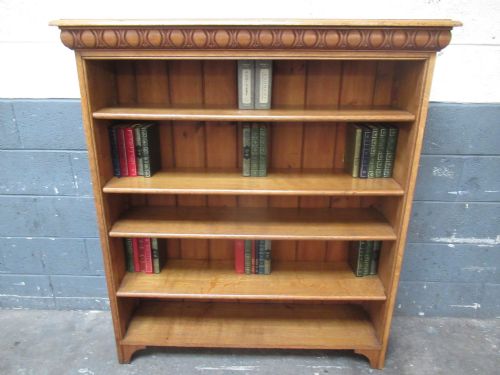
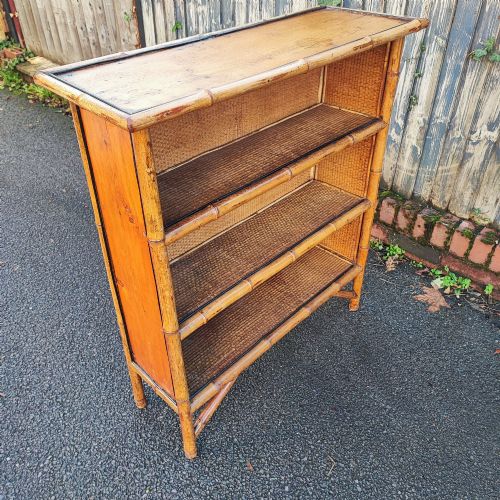
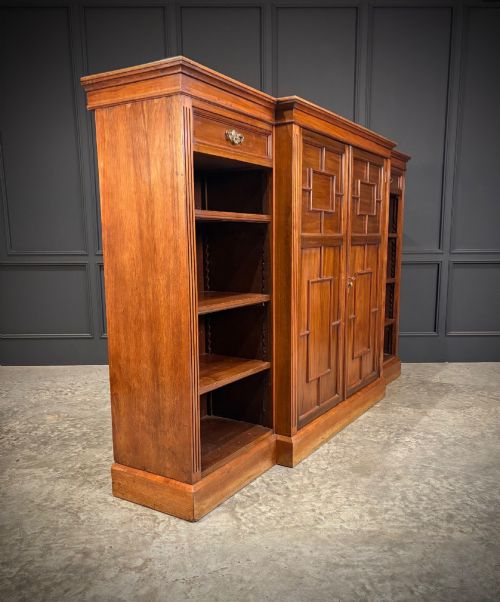
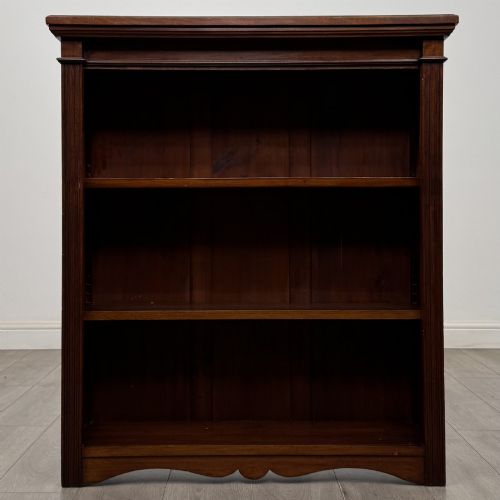
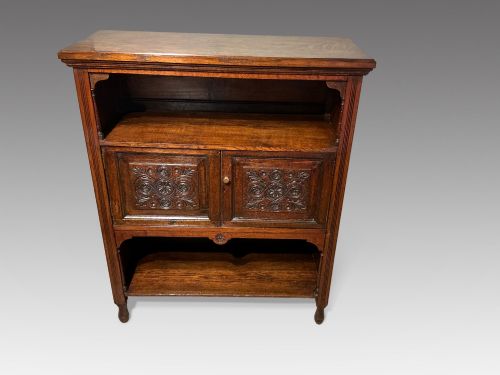
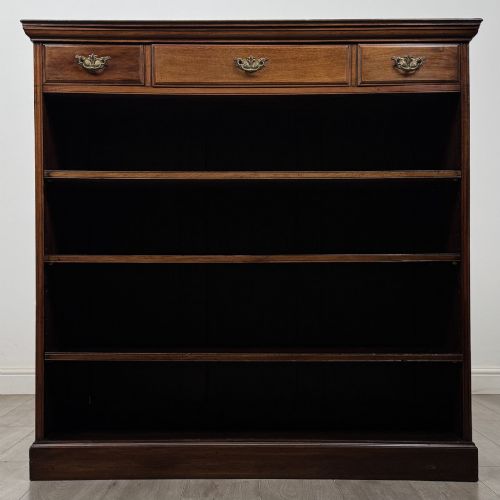
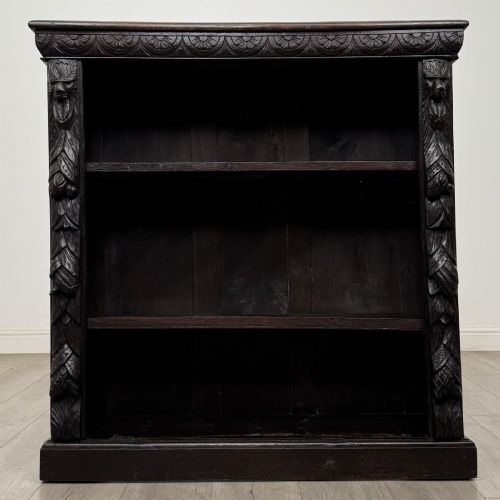
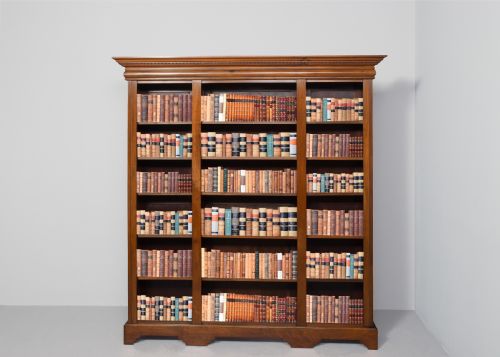
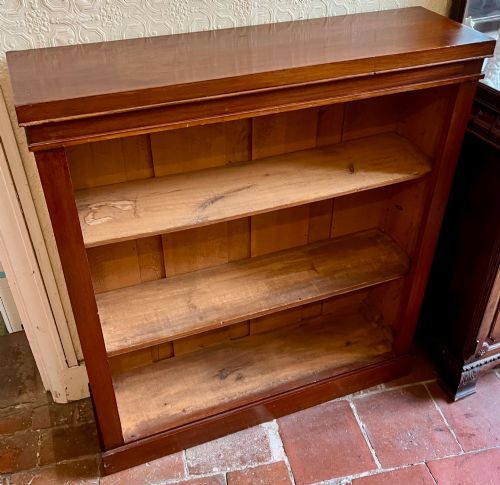
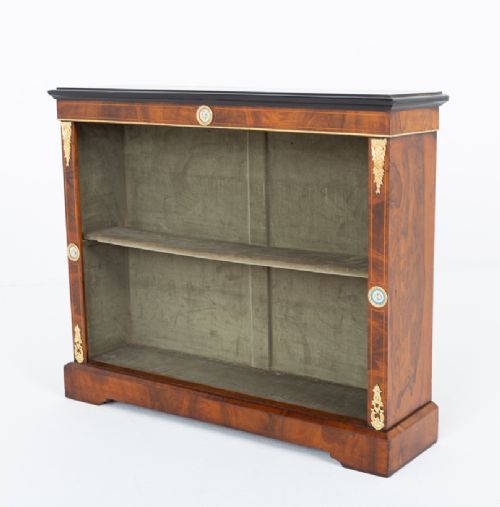
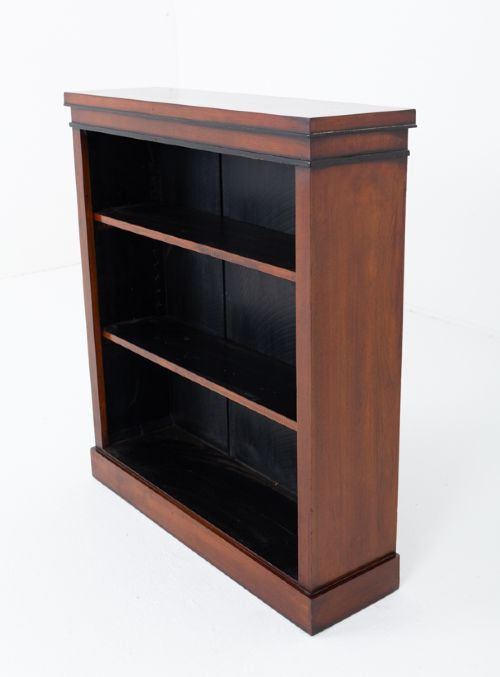
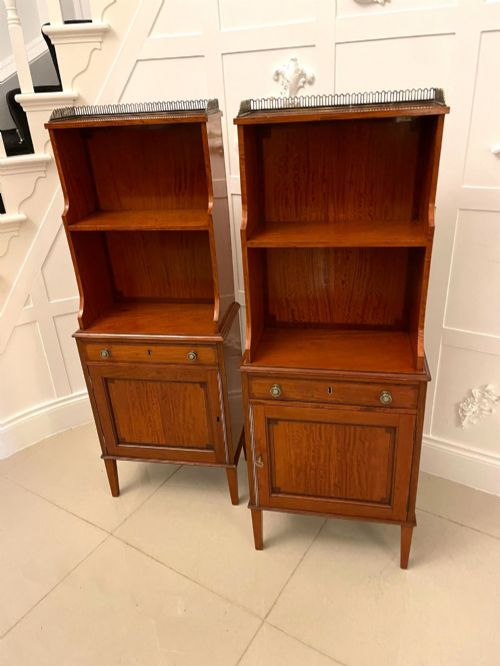
Open Shelving Cabinet
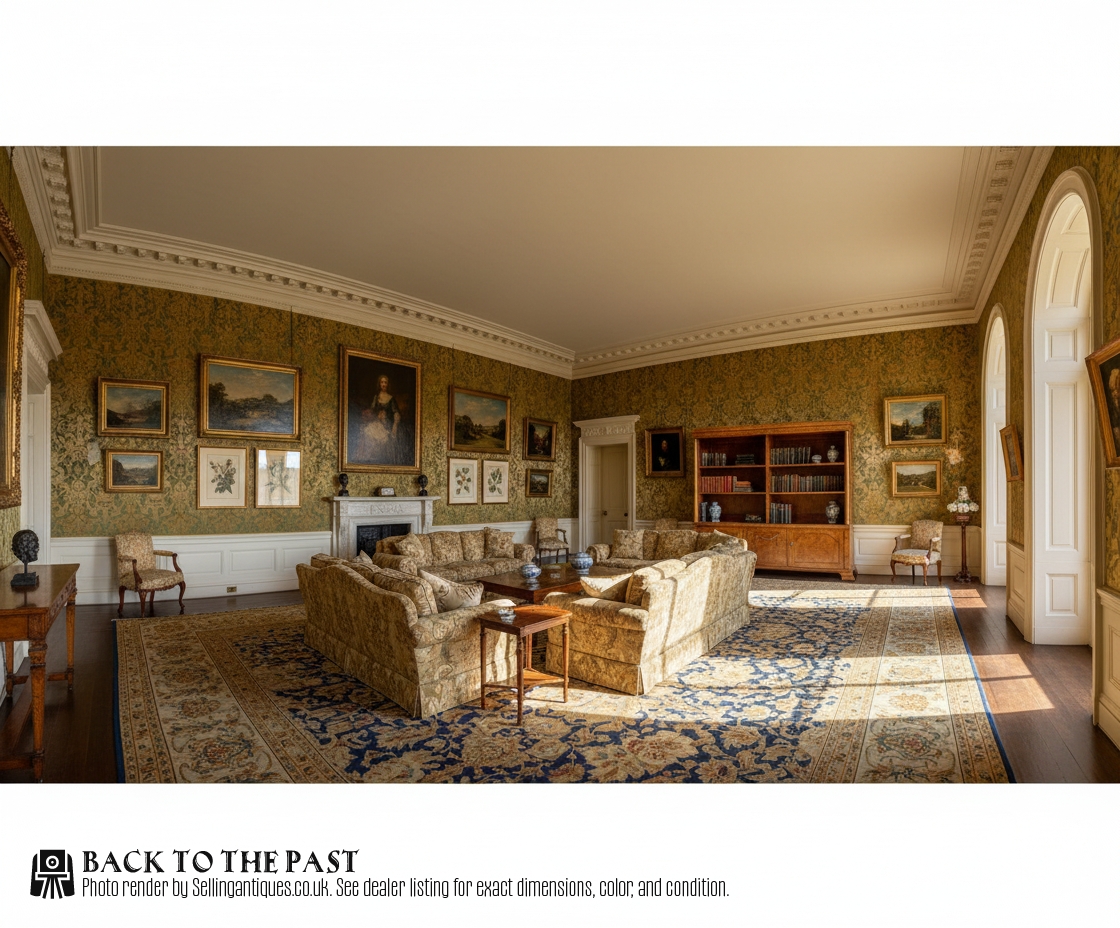
An open shelving cabinet combines accessible display with architectural presence, turning everyday storage into a considered focal point.
Open Shelving Cabinet
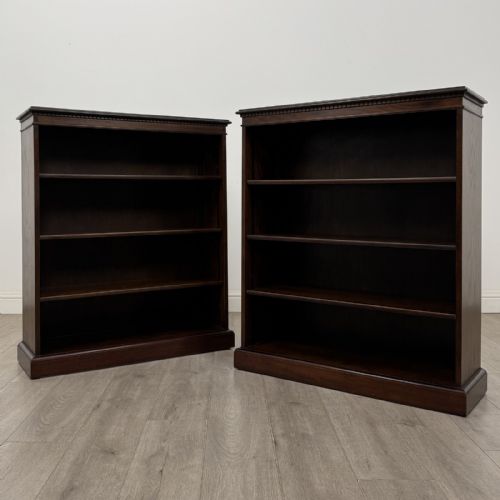
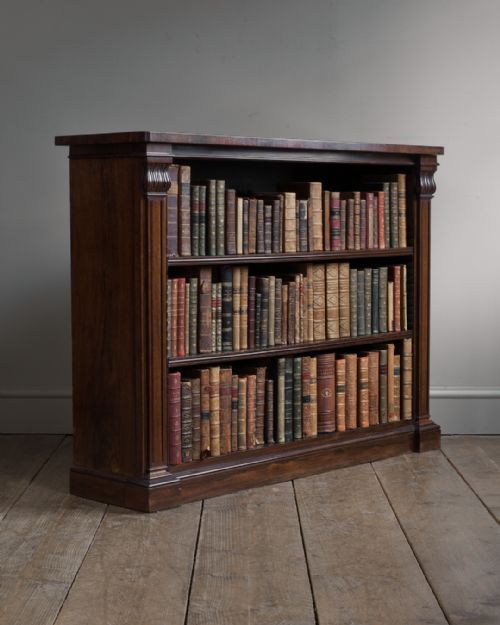
When you search for an open shelving cabinet, you are looking at items designed to hold books, display collections, and organise rooms without the barrier of traditional doors. The pieces gathered under this phrase span bookcases, dressers, credenzas, corner shelves, and shelving units.
You are most likely to meet variations in oak and mahogany from the Victorian and Edwardian periods, alongside earlier Regency designs and later pieces from the twentieth century. These domestic fixtures range from small bookcases suited to tight corners to large breakfront configurations and Welsh dressers.
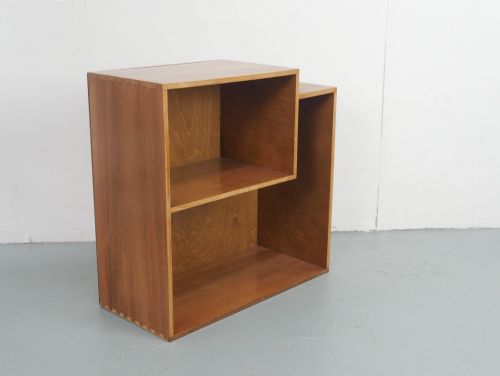
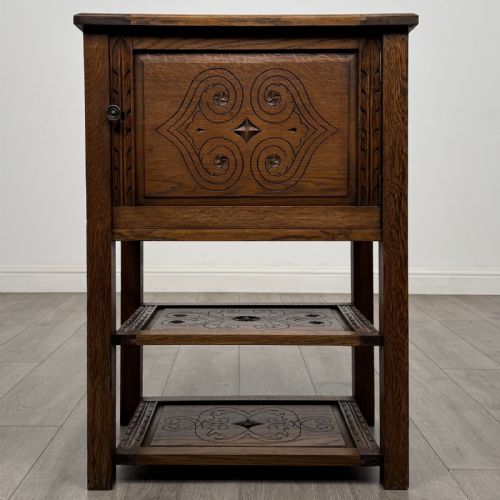
The form adapts to its contents through tiered shelves, graduated tiers in waterfall bookcases, and integrated cupboards or brass castors. Whether rendered in rustic pine, burr walnut, or painted finishes, the core utility remains the open display of possessions.
Materials and construction methods
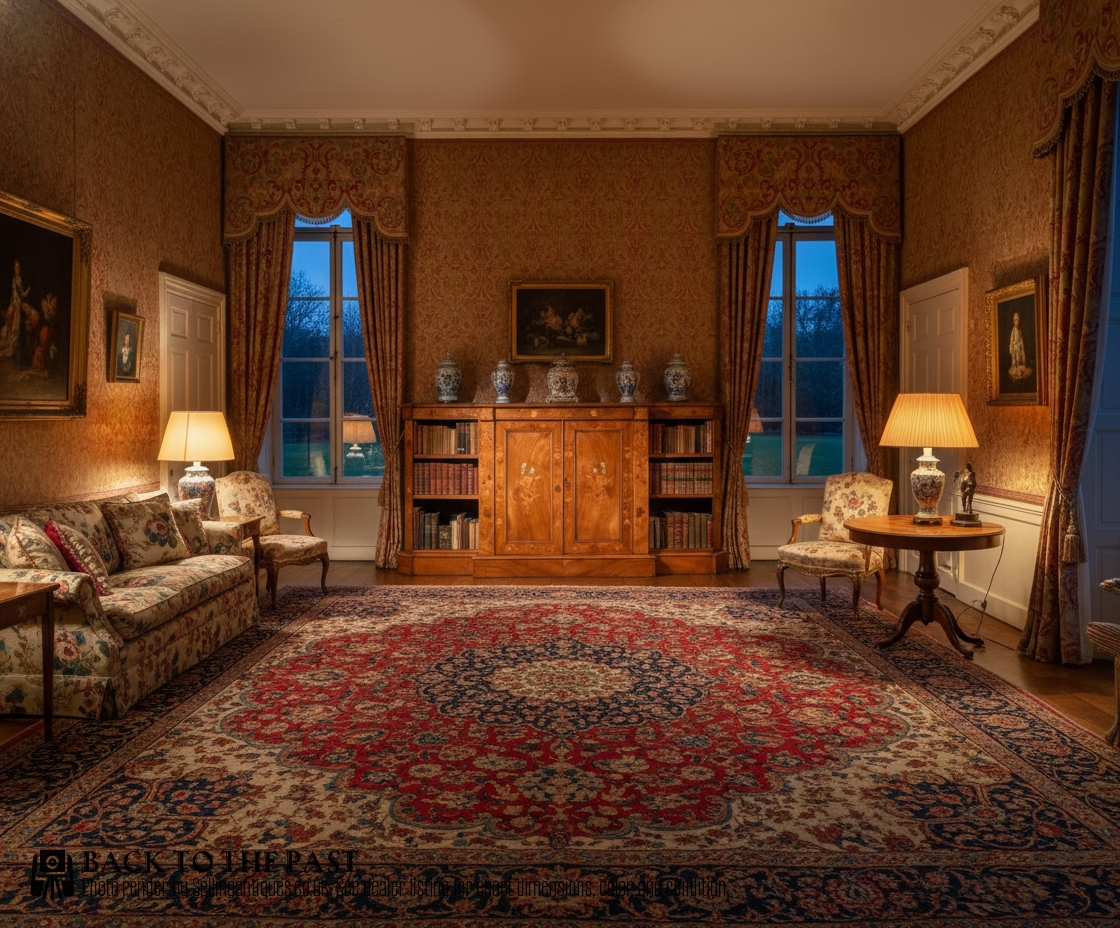
Makers relied primarily on timber solids and veneers such as oak, mahogany, rosewood, walnut, and pine to build these cabinets, frequently enhancing surfaces with burr walnut figuring or satinwood. Brass hardware, including castors, appears regularly to support the movement of heavier pieces.
Joinery techniques matched the weight of the timber, utilising sturdy framing for larger library bookcases and delicate stepped construction for waterfall styles. Secondary materials like leather edged shelves and ormolu mounts added tactile and visual contrast to the primary wood structures.
Open Shelving Cabinet Retail Price Guide 2026
Typical asking prices for open shelving cabinet among the pieces listed under this phrase on Sellingantiques today, from the lower quarter to the upper quarter. They describe what is for sale here now, not the wider market.
Some nineteenth-century examples feature leather edged shelves, designed to protect fine book bindings from rubbing against the wood.
Judging quality in open shelving
Quality rests in the selection of timber figures, such as the rich grain of burr walnut or rosewood, and the precision of the joinery where shelves meet uprights. Finer examples display thoughtful proportions, integrated inlay, and hardware that integrates harmoniously with the primary wood.
The sophistication of the silhouette defines the upper tier of these pieces, seen in graduated waterfall tiers, breakfront alignments, and well-executed carvings. Lesser examples rely on plain timber without the refined detailing or considered proportions found in work by prominent makers.
Johnstone and Jeanes·Heals·Gillows
The Open Shelving Cabinet Glossary
- Waterfall bookcase
- A shelving unit featuring stepped, descending tiers that narrow from bottom to top. This form gained popularity during the Regency and Victorian periods.
- Breakfront
- A cabinet design where the central section projects forward from the flanking sections. It creates depth and architectural interest in larger bookcases.
- Shodona
- A type of Japanese-influenced display cabinet or stand popular in the nineteenth century. It incorporates asymmetrical shelving compartments.
- Ormolu
- Gilded bronze mounts applied as decorative highlights to furniture. It is frequently paired with walnut or mahogany in nineteenth-century pieces.
- Chiffonier
- A low cabinet with shelves or a superstructure on top, used for storage and display. It serves a similar function to a small sideboard.
Open Shelving Cabinet: Frequently Asked Questions
What is an open shelving cabinet?
An open shelving cabinet is a piece of furniture designed for storage and display without front doors obstructing the contents. These items include bookcases, dressers, and corner units.
They allow easy access to books and decorative objects while showcasing the timber and craftsmanship of periods like the Victorian and Edwardian eras.
How do I date an open shelving cabinet?
Dating relies on identifying the primary wood species, construction methods, and stylistic cues present in the piece. Victorian and Edwardian pieces often show distinct revival styles or proportions.
Secondary indicators include the presence of brass castors, leather edging on shelves, and specific revival motifs like Jacobean or Art Deco geometry.
Where should I place a waterfall bookcase?
A waterfall bookcase works well in studies, living rooms, and bedrooms where its stepped shelves can be viewed from the side. Its graduated depth makes it suitable for spaces that cannot accommodate deep furniture.
These pieces were traditionally used for displaying small collections and frequently feature in period interiors alongside larger cabinetry.
What is the difference between a Welsh dresser and a bookcase?
A Welsh dresser typically combines lower cupboards or drawers with open shelving above, originally designed for storing and displaying kitchenware. A standard bookcase focuses entirely on vertical shelf storage for books.
Both forms appear in oak and pine across rural and traditional domestic settings, serving different functional storage needs.