
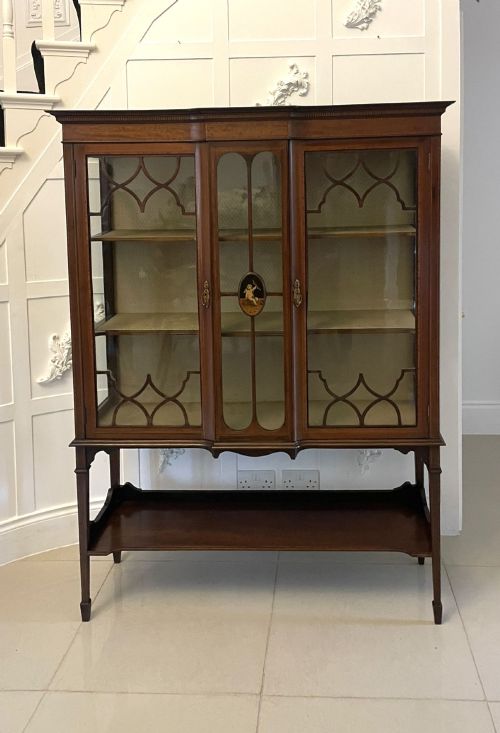
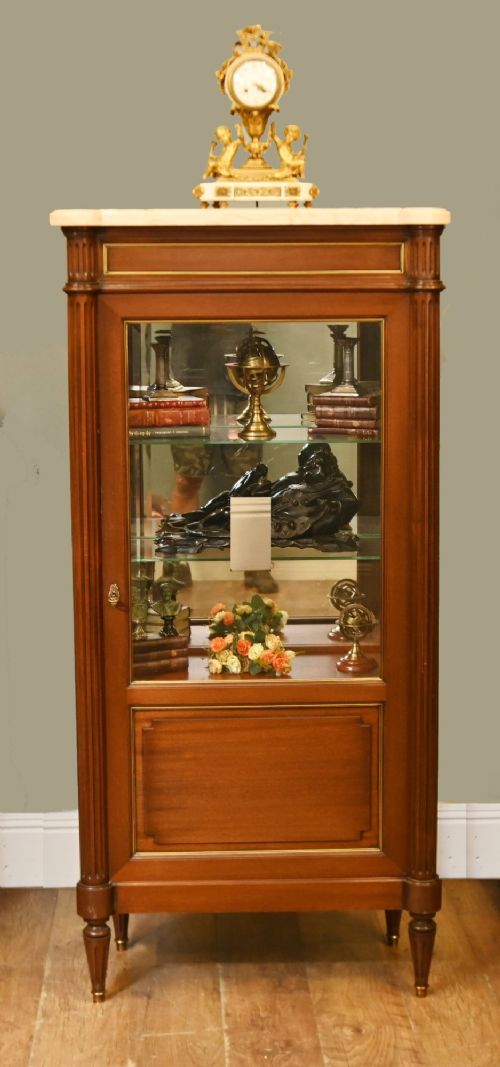
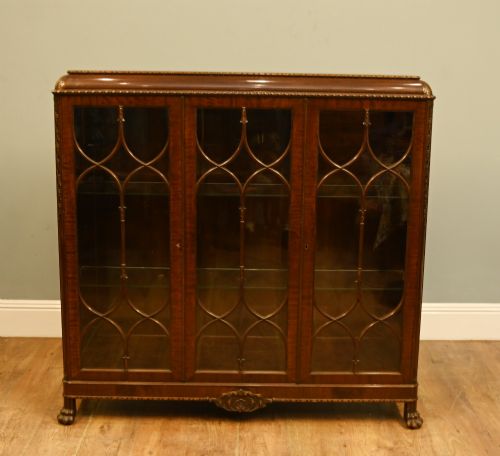
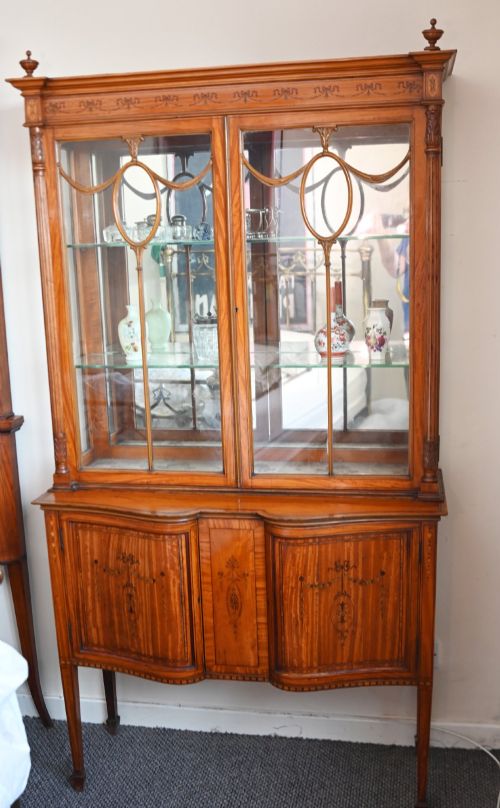
Edwardian Mahogany Display Bookcase
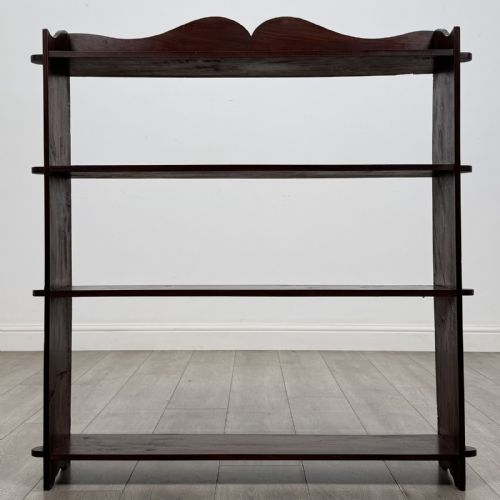
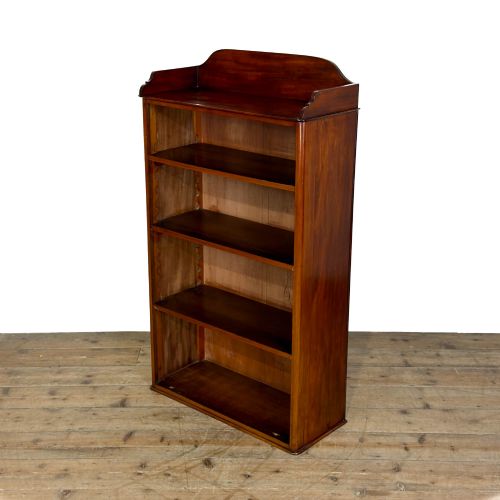
An edwardian mahogany display bookcase combines a library and a cabinet, built to showcase collections while housing books behind glass.
Edwardian Mahogany Display Bookcase
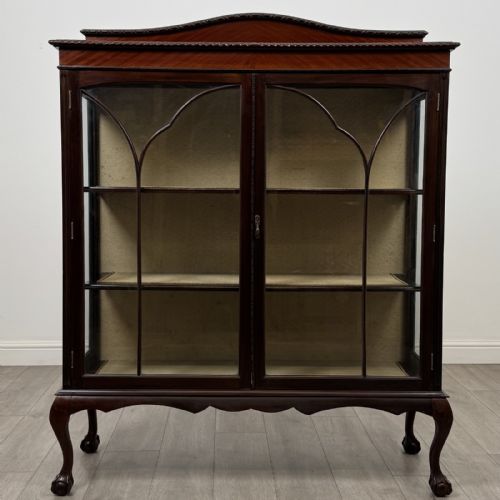
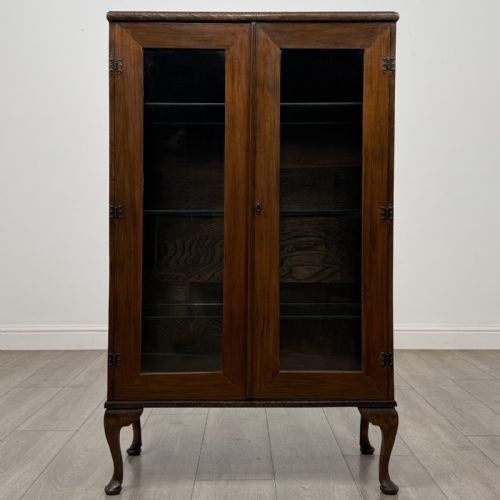
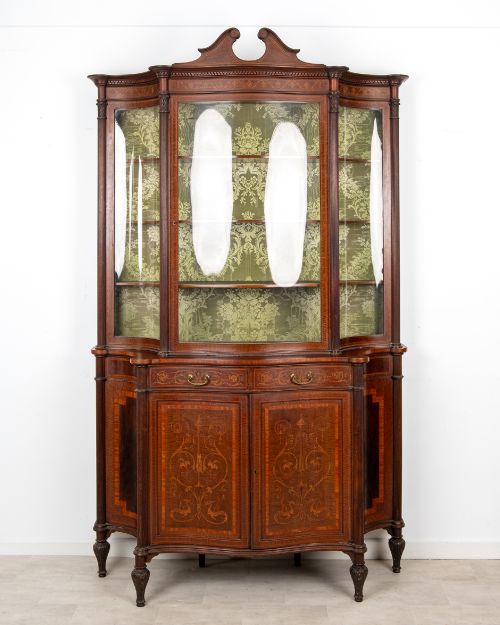
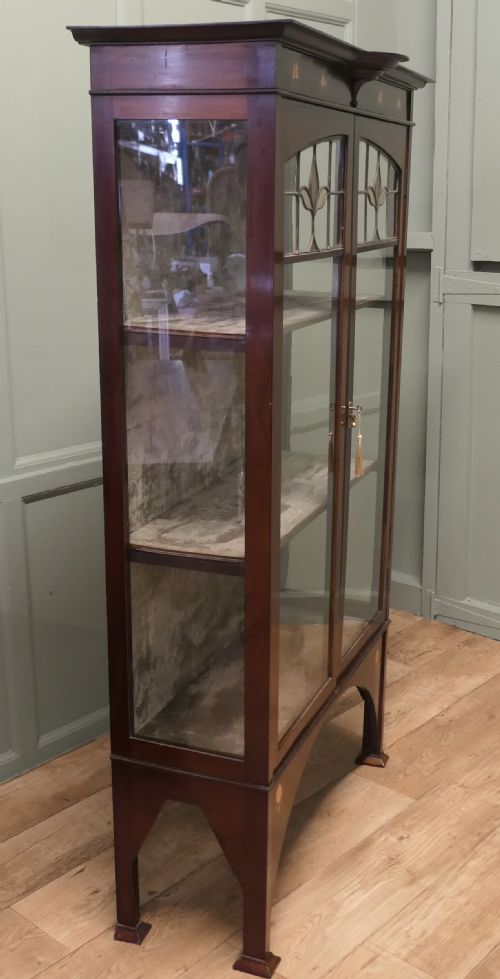
An edwardian mahogany display bookcase unites upper glazed shelving with lower cupboards or drawers, framed in mahogany from the Edwardian era and surrounding decades. These pieces serve dual functions, housing volumes behind glass doors while exhibiting ceramics or silver.
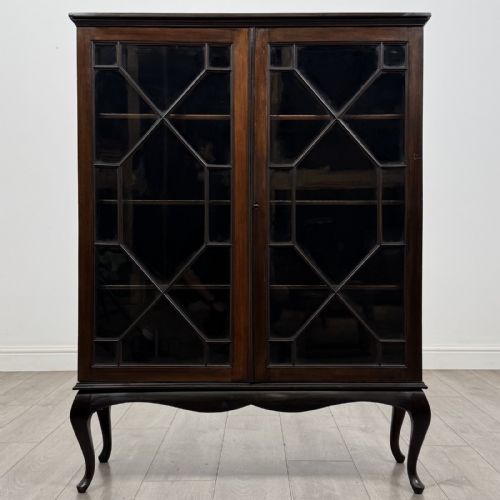
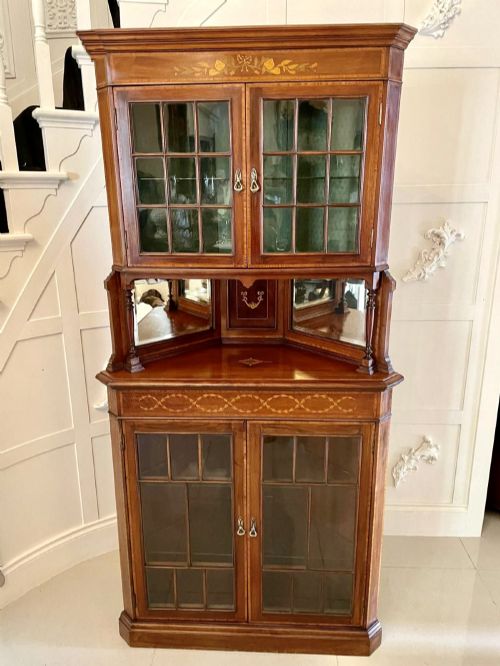
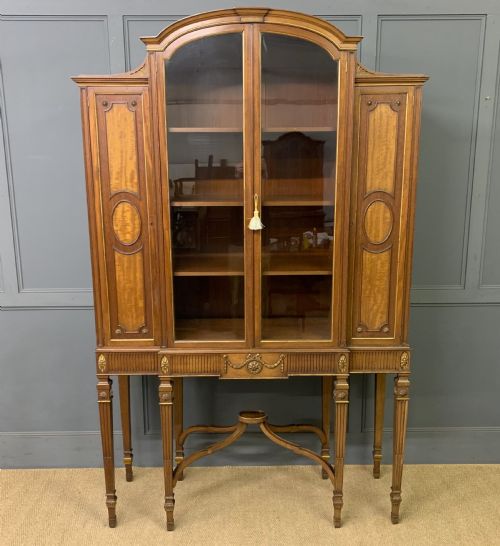
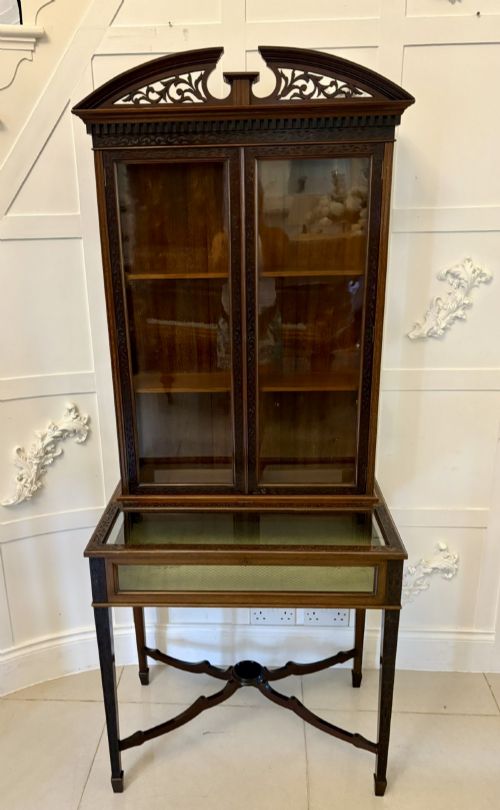
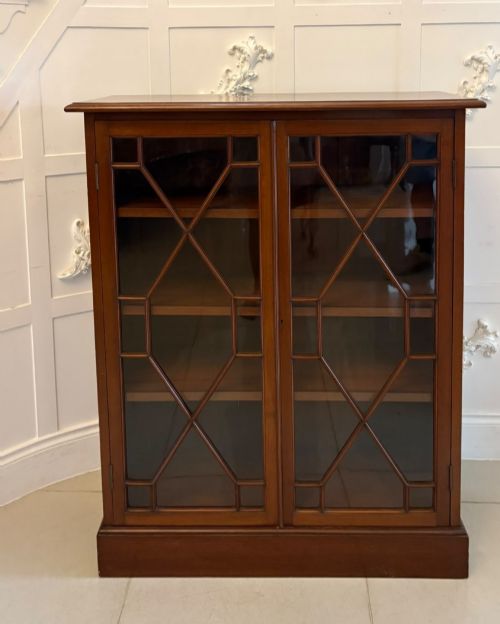
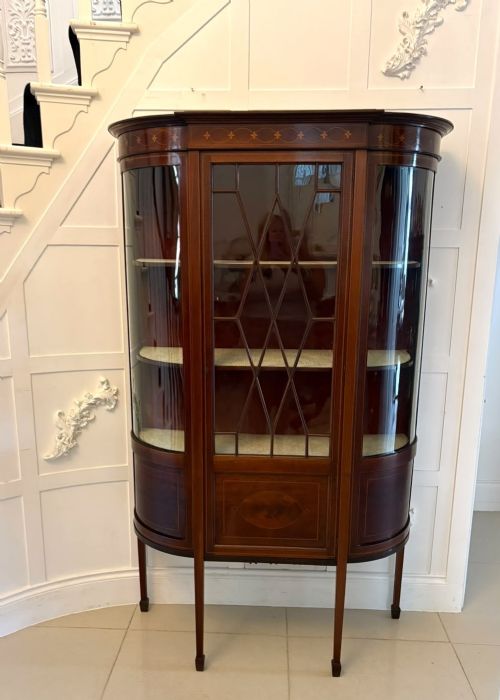
The version most frequently met on this page is a two-part glazed cabinet or a breakfront library piece, often finished with satinwood inlay or delicate astragal bars. Open variants and corner configurations also appear regularly across the listings.
Makers and workshops of the period adapted Georgian and Sheraton revival motifs, producing tall storage solutions designed for formal reception rooms.
How they were made
Cabinetmakers utilised solid mahogany and flamed mahogany veneers over secondary timbers, applying satinwood inlay and marquetry for linear and floral ornamentation. Brass hardware, including handles, castors, and key escutcheons, provides structural and decorative contrast.
Glazing techniques employed individual glass panes secured by wooden astragal bars, while interior shelving was frequently made adjustable using wooden ratchets or metal shelf supports.
Listings feature mahogany, satinwood inlay, glass, and brass across Edwardian and Victorian periods.
What varies in quality
The hierarchy of these pieces rests on the selection of timber, the crispness of inlaid details, and the architectural ambition of the cornice and base. Figured mahogany veneers and finely drawn satinwood crossbanding elevate an example above plain, utilitarian constructions.
Proportion and glasswork further distinguish the range, with delicate astragal glazing bars and original brass fittings marking out superior cabinetmaking.
Edwards and Roberts·T. Inglesant and Sons·Maple and Co
The Edwardian Mahogany Display Bookcase Glossary
- Astragal
- A moulding profile used to secure individual panes of glass in a glazed door. These narrow wooden bars form geometric patterns across the cabinet front.
- Breakfront
- A piece of furniture where the central section projects forward from the flanking wings. This architectural layout creates depth and visual variety.
- Marquetry
- Decorative veneer work forming pictorial or ornamental patterns using various tinted woods. It frequently adorns the friezes and doors of Edwardian cabinets.
- Satinwood
- A light-yellow timber used extensively for contrasting stringing and banding on darker mahogany surfaces. It defines the Sheraton Revival aesthetic.
- Secretaire
- A desk form incorporating a drop-front writing drawer fitted with small pigeonholes and drawers. When closed, it maintains the appearance of a standard bookcase or cabinet.
Edwardian Mahogany Display Bookcase: Frequently Asked Questions
How are these bookcases cleaned?
Dust surfaces regularly with a soft, dry cloth to protect the polished mahogany finish from abrasive particles. Avoid silicone-based polishes, opting instead for traditional beeswax applied sparingly.
Clean glass panels with a mild glass cleaner sprayed onto a cloth rather than directly onto the wood or antique glazing bars. Ensure moisture does not seep into old timber joints or veneer edges.
Where should a display cabinet go?
Position the cabinet away from direct sunlight and strong heat sources to prevent the mahogany timber from drying out and the veneers from lifting. Stable indoor temperatures preserve the structural integrity of older joints.
Allow sufficient clearance for doors to open fully, particularly on breakfront or two-part models. Ensure the floor is level so the doors hang true and latch correctly.
Can shelves be adjusted?
Many Edwardian and late Victorian bookcases feature adjustable shelving supported by wooden ratchets, brass studs, or sliding track systems. This allows the internal height to accommodate volumes of varying sizes.
Older mechanisms require careful handling when repositioning boards to avoid damaging the interior lining or side veneers. Fixed shelves also occur, particularly in older structural divisions.
How do I spot a revival style?
Sheraton Revival and Chippendale Revival pieces exhibit specific classical motifs popularised around nineteen hundred, including urns, bellflower inlay, and fretwork glazing. These elements imitate eighteenth-century designs but utilise Edwardian construction methods and timber preparation.
Examine the secondary timbers inside drawers and behind backboards to confirm the period of manufacture. Machine-cut elements or modern fixings indicate later alterations rather than original workshops.