


Blonde Wood Bookcase
A blonde wood bookcase brings bright, pale grain and clean Scandinavian or Art Deco lines into a room.

Blonde Wood Bookcase
A blonde wood bookcase provides open or glazed shelving constructed from pale timbers, bringing light and natural grain directly into a room. These pieces span the nineteenth century through to the Art Deco period, taking forms such as low open shelving, glazed display cabinets, and tall fitted bookcase cabinets.
The versions most commonly met on this page range from early twentieth-century Swedish and Scandinavian designs in birch and burr elm to English Art Deco pieces in sycamore and burr walnut. Alongside these sit nineteenth-century French Charles X examples and Victorian bird's-eye maple display cabinets.
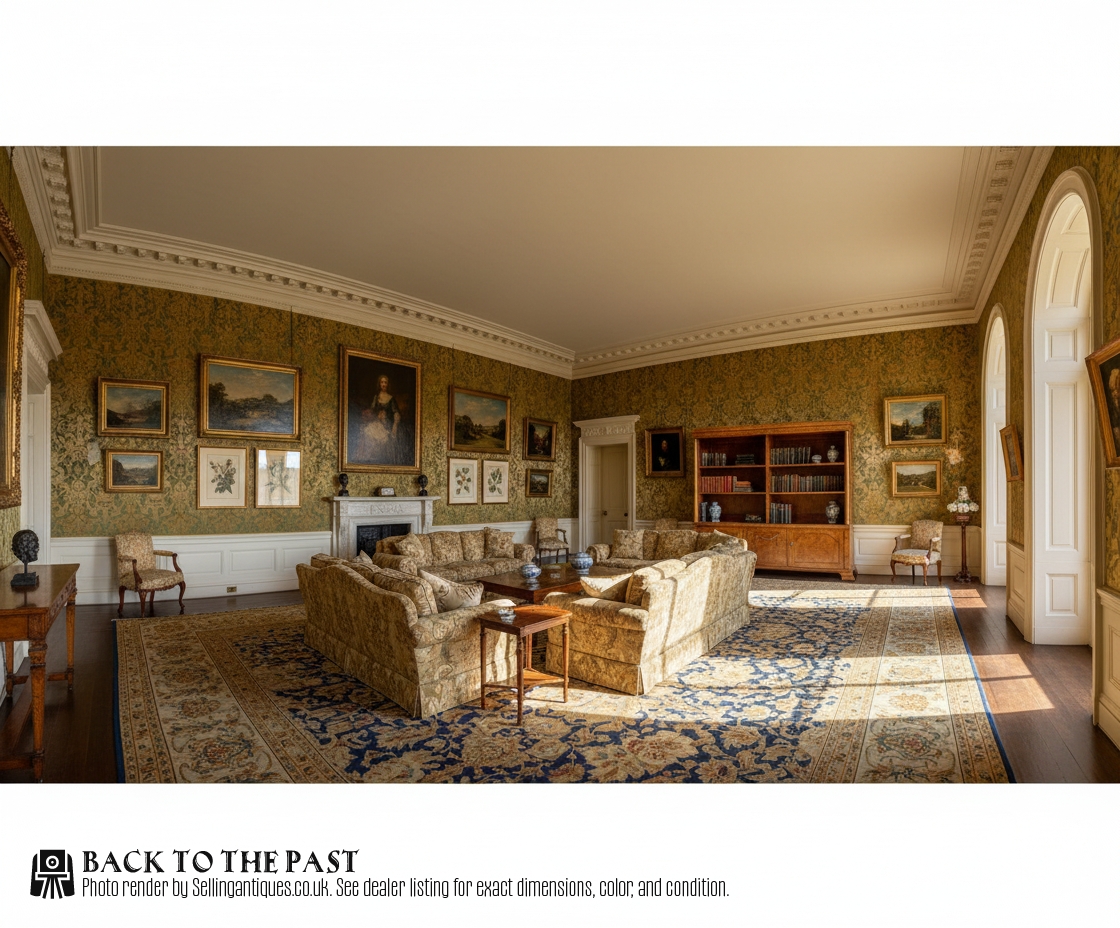
How they were made
Cabinet makers utilised pale timbers such as birch, sycamore, and bird's-eye maple, often applying figured veneers like burr walnut and burr elm to create striking patterns across flat surfaces. Frames incorporate solid wood construction alongside carefully matched veneer panels on carcases and doors.
Blonde Wood Bookcase Retail Price Guide 2026
Typical asking prices for blonde wood bookcase among the pieces listed under this phrase on Sellingantiques today, from the lower quarter to the upper quarter. They describe what is for sale here now, not the wider market.
Listings feature pieces spanning the nineteenth century, the Victorian era, and nineteen-thirty Art Deco and Swedish Grace styles.
What varies in quality
The standard of timber selection defines the visual impact of each piece, particularly where burr or figured veneers are laid symmetrically across wide doors and cornices. Grain matching requires high levels of skill from the cabinet maker, ensuring natural patterns flow naturally across the facade.
Construction methods and hardware also distinguish the range, from simple open shelving frames to complex glazed display cabinets fitted with period metal mounts. The precision of the joinery and the depth of the polish determine how well the pale timber catches the light.
Epstein·Sandberg & Co
The Blonde Wood Bookcase Glossary
- Sycamore
- A hard, pale timber commonly used in British and European cabinet making for its uniform light colour and smooth texture. It takes a fine polish that highlights subtle grain variations.
- Birch veneer
- Thin slices of pale birch wood applied over a secondary timber carcase to create decorative surfaces. Swedish and Scandinavian makers favoured this material for its blonde tone.
- Burr walnut
- A highly figured wood grain obtained from the growths of walnut trees, creating swirling patterns. It provides a rich contrast when paired with pale sycamore timbers on Art Deco pieces.
- Ormolu
- Gilt-bronze mounts applied to furniture for decorative effect, frequently seen on nineteenth-century continental pieces. It adds metallic detail against the pale wood surface.
- Charles X
- A French design style spanning the early nineteenth century characterised by clean architectural lines and pale woods. Pieces from this period often feature restrained mounts and rich figuring.
Blonde Wood Bookcase: Frequently Asked Questions
What woods make up a blonde wood bookcase?
These pieces utilise pale timbers including birch, sycamore, and bird's-eye maple, alongside decorative veneers such as burr walnut and burr elm.
Maker choices depended on regional preference, with Scandinavian pieces often featuring birch while English Art Deco examples leaned towards sycamore.
How do I date a blonde wood bookcase?
Dating relies on stylistic clues like the geometric lines of Art Deco pieces from the nineteen-thirties compared to the classical proportions of nineteenth-century French and Victorian examples.
Materials also help, as bird's-eye maple points toward the Victorian era while burr elm and sycamore frequently signal the twentieth century.
Are these bookcases open or glazed?
The inventory includes both open shelving formats designed for easy access and glazed display cabinets intended to protect volumes behind glass doors.
Low open configurations suit modern living spaces, whereas taller cabinet formats offer enclosed storage with timber and glass framing.
Where were these bookcases made?
Origin points span across England, Sweden, and France, reflecting distinct regional tastes in pale furniture design.
Scandinavian workshops produced numerous birch and elm variations, while English and French makers utilised sycamore, maple, and walnut veneers.