


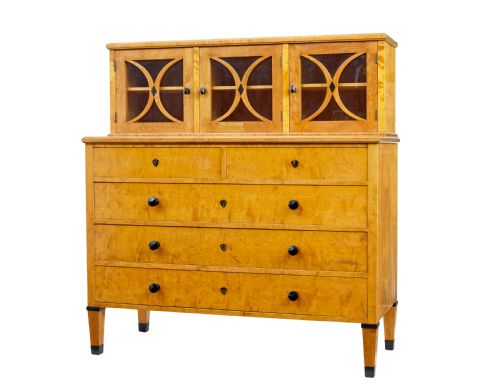


Birch Storage Cabinet
A birch storage cabinet offers clean timber grain and practical heft, bringing useful order to a room through thoughtful joinery.
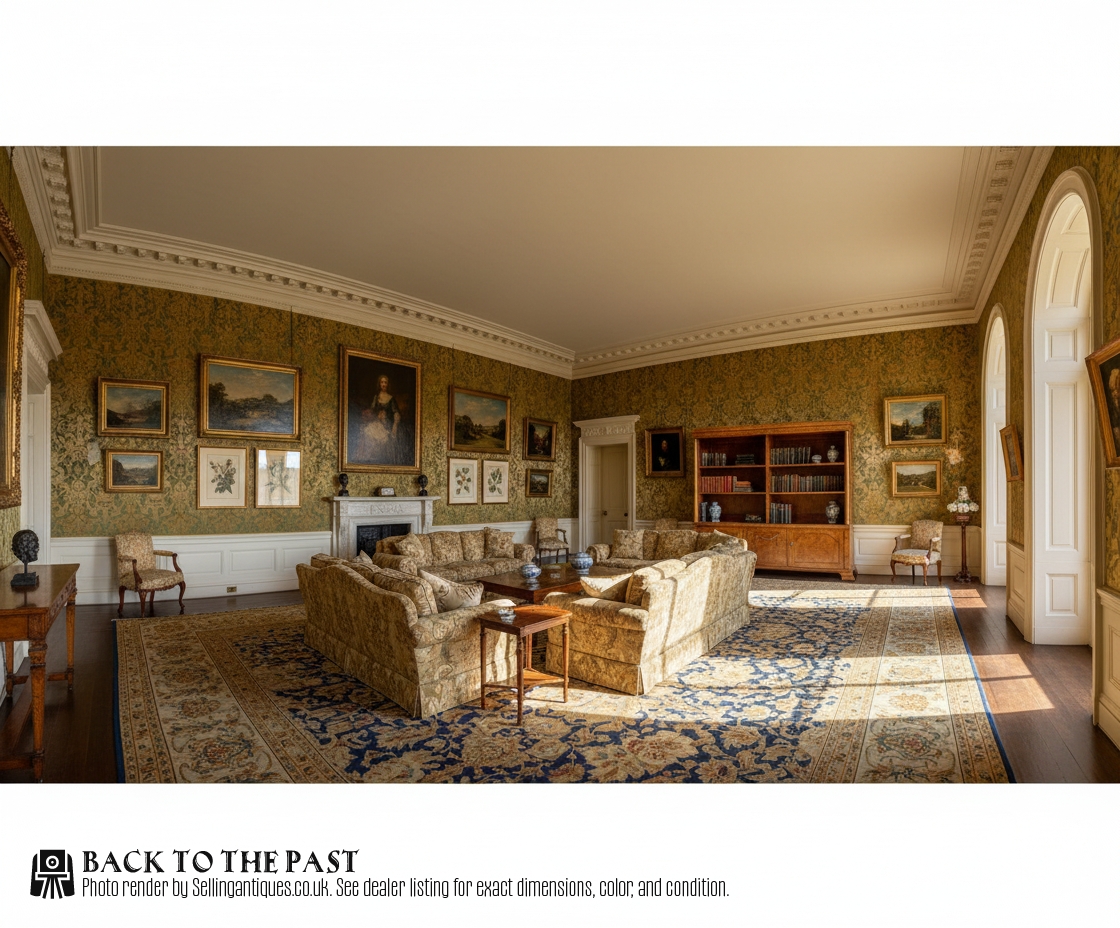
Birch Storage Cabinet
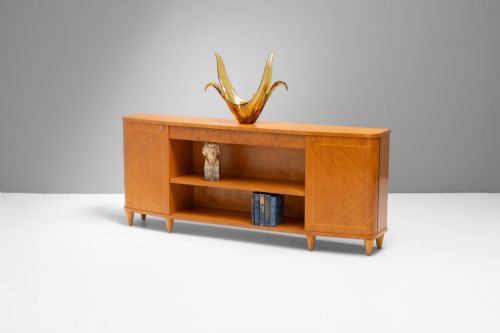
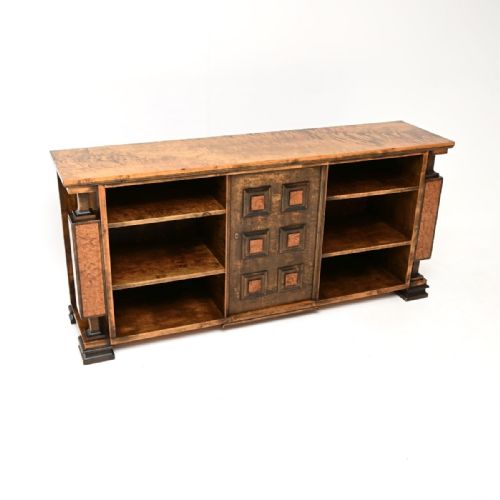
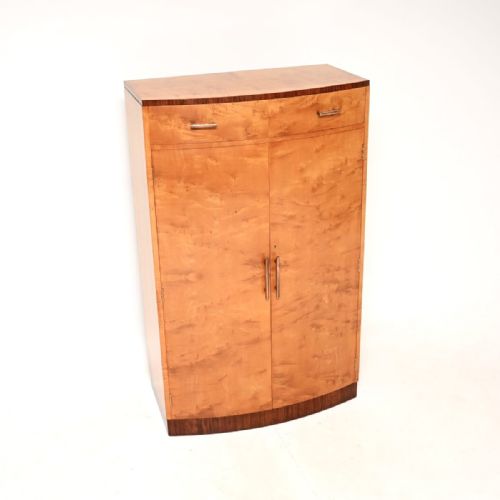
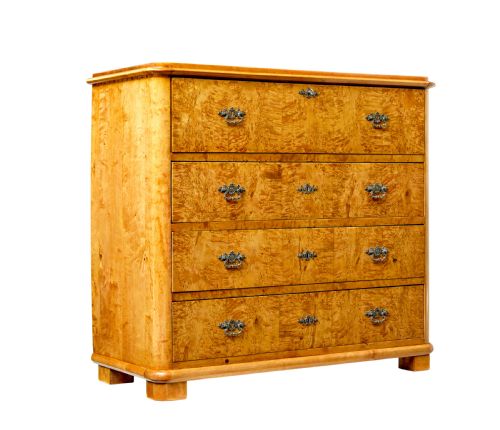
A birch storage cabinet encompasses a range of fitted cupboards, wardrobes, and chests produced across multiple periods. Buyers searching for a birch storage cabinet encounter forms that span from nineteenth-century Scandinavian pieces to nineteen-thirties Art Deco designs.
The nineteenth-century examples often originate from Sweden, presenting substantial cupboard doors and fitted interior shelving. These utilitarian yet decorative forms provide substantial storage capacity for linen or domestic items.
Nineteen-thirties versions lean towards streamlined styling, frequently pairing the pale timber with contrasting veneers. Such pieces combine hanging space or shelving within compact footprints suited to modern interiors.
What varies in quality
Quality rests in the selection of timber figure, where tightly patterned burr or satin birch elevates a piece above plain stock. The contrast achieved when pairing birch with walnut or elm also dictates visual refinement.
Proportion and scale distinguish standard utility items from grander commissions designed for specific domestic settings. Original brass hardware and intact internal fittings further separate standard workshop output from exceptional examples.
Birch Storage Cabinet Retail Price Guide 2026
Typical asking prices for birch storage cabinet among the pieces listed under this phrase on Sellingantiques today, from the lower quarter to the upper quarter. They describe what is for sale here now, not the wider market.
Cabinet interiors sometimes retain handwritten nineteenth-century workshop pencil marks hidden behind the innermost drawers.
Holland & Sons·Otto Schulz for Boet·Oscar Nilsson Nordiska Kompaniet
The Birch Storage Cabinet Glossary
- Satin Birch
- A lustrous variety of birch timber exhibiting a fine, reflective grain that resembles satin. Cabinet makers select this wood for decorative veneer work on high-status furniture.
- Burr Birch
- Wood harvested from a tree growth or burr, producing swirling, intricate grain patterns. It provides a highly decorative surface on nineteenth-century Scandinavian furniture.
- Compactum
- A large wardrobe or cabinet designed with internal divisions for multiple types of clothing. This form often integrates drawers, hanging space, and shelves within a single carcass.
- Secretaire
- A desk form featuring a pull-down writing flap that conceals small drawers and pigeonholes. It frequently forms the upper section of a chest of drawers.
- Chiffonier
- A low sideboard or cabinet developed during the nineteenth century for storing dining silver or linen. Many feature enclosed cupboards beneath a display surface.
Birch Storage Cabinet: Frequently Asked Questions
What periods do these cabinets come from?
The listings encompass nineteenth-century items alongside twentieth-century examples up to nineteen-forty. Stylistic influences span Victorian, Art Nouveau, Art Deco, and Biedermeier.
Craftsmen produced these works across various European workshops, particularly in Sweden and Britain.
How do I maintain satin birch surfaces?
Maintain the timber by dusting with a soft, dry cloth and avoiding excessive moisture. Occasional application of appropriate wax preserves the sheen of the grain.
Keep wooden cabinets away from direct heat sources and strong sunlight to prevent timber movement.
Where were these cupboards used?
Original placement varied from grand reception rooms to private bedrooms and linen stores. Tall bookcases and compactum wardrobes served primary domestic storage needs.
Smaller tabletop boxes and collectors chests provided secure housing for precious objects and documents.
How do I identify Scandinavian pieces?
Scandinavian origin often reveals itself through pale birch timbers and distinctive restrained proportions. Nineteenth-century Swedish pieces frequently utilise native burr birch and fitted interior architecture.
Art Deco examples from the region pair the light wood with darker contrasting veneers like walnut.