



Open Rack Oak Dresser
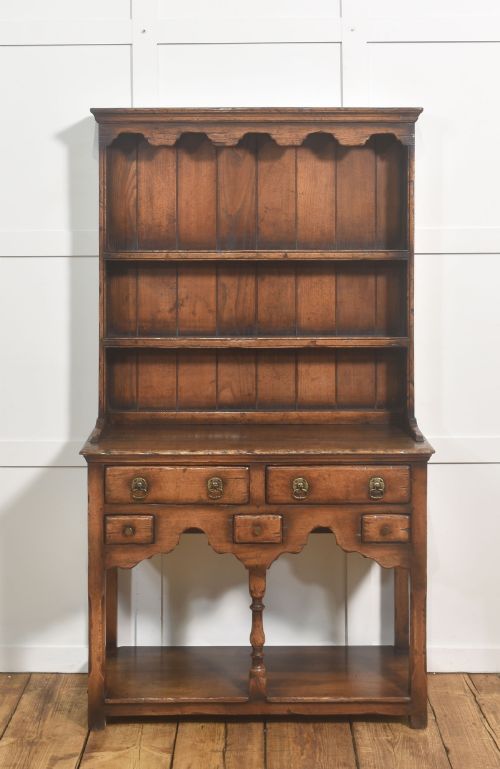
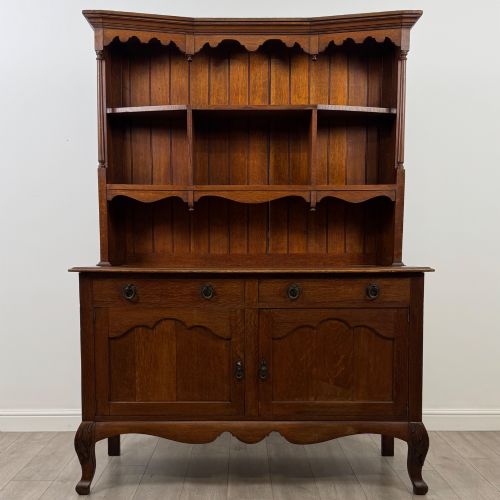
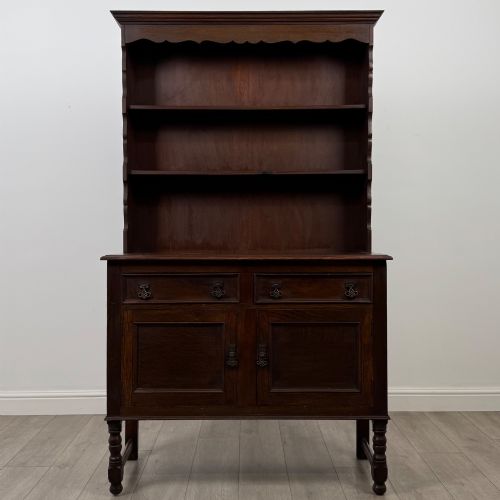
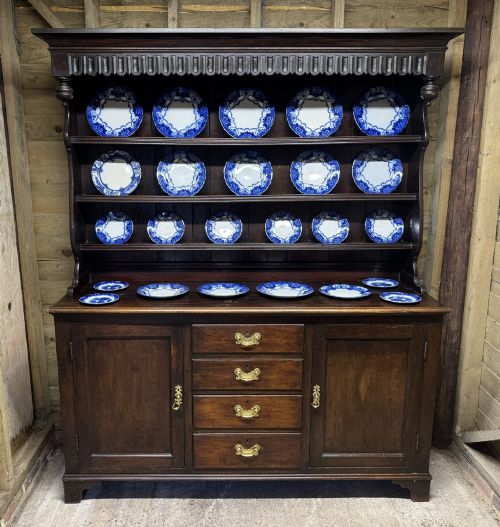
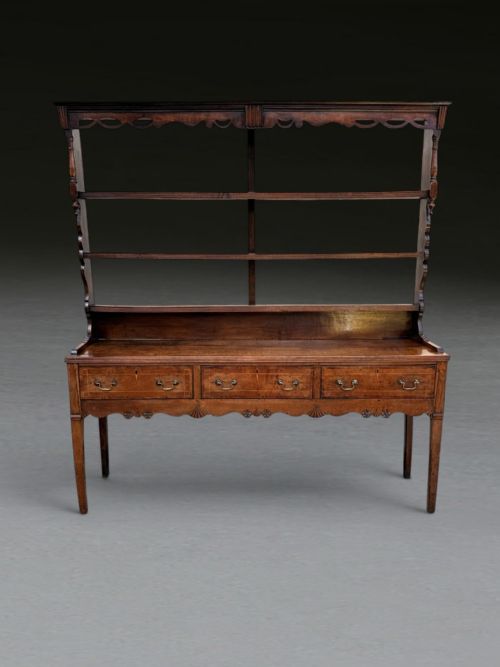
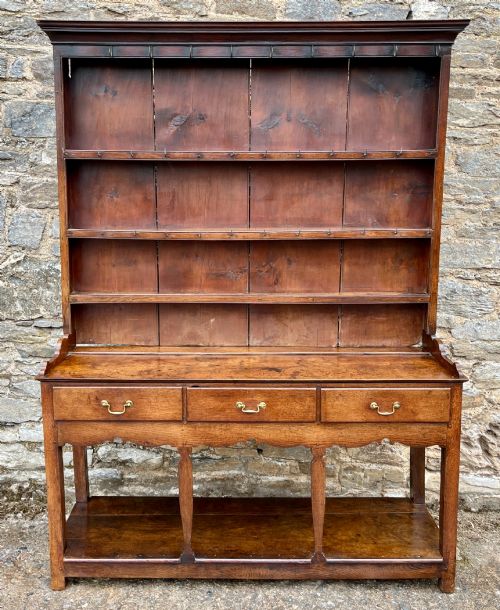
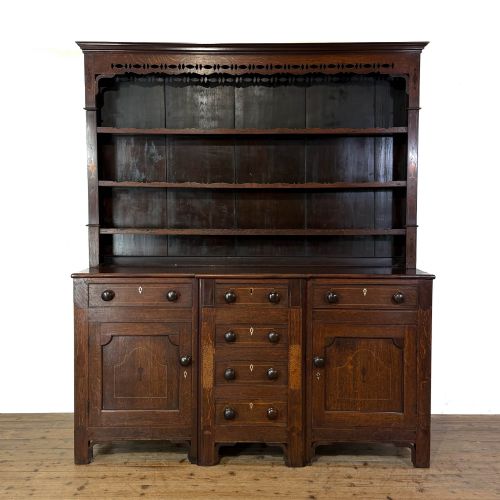
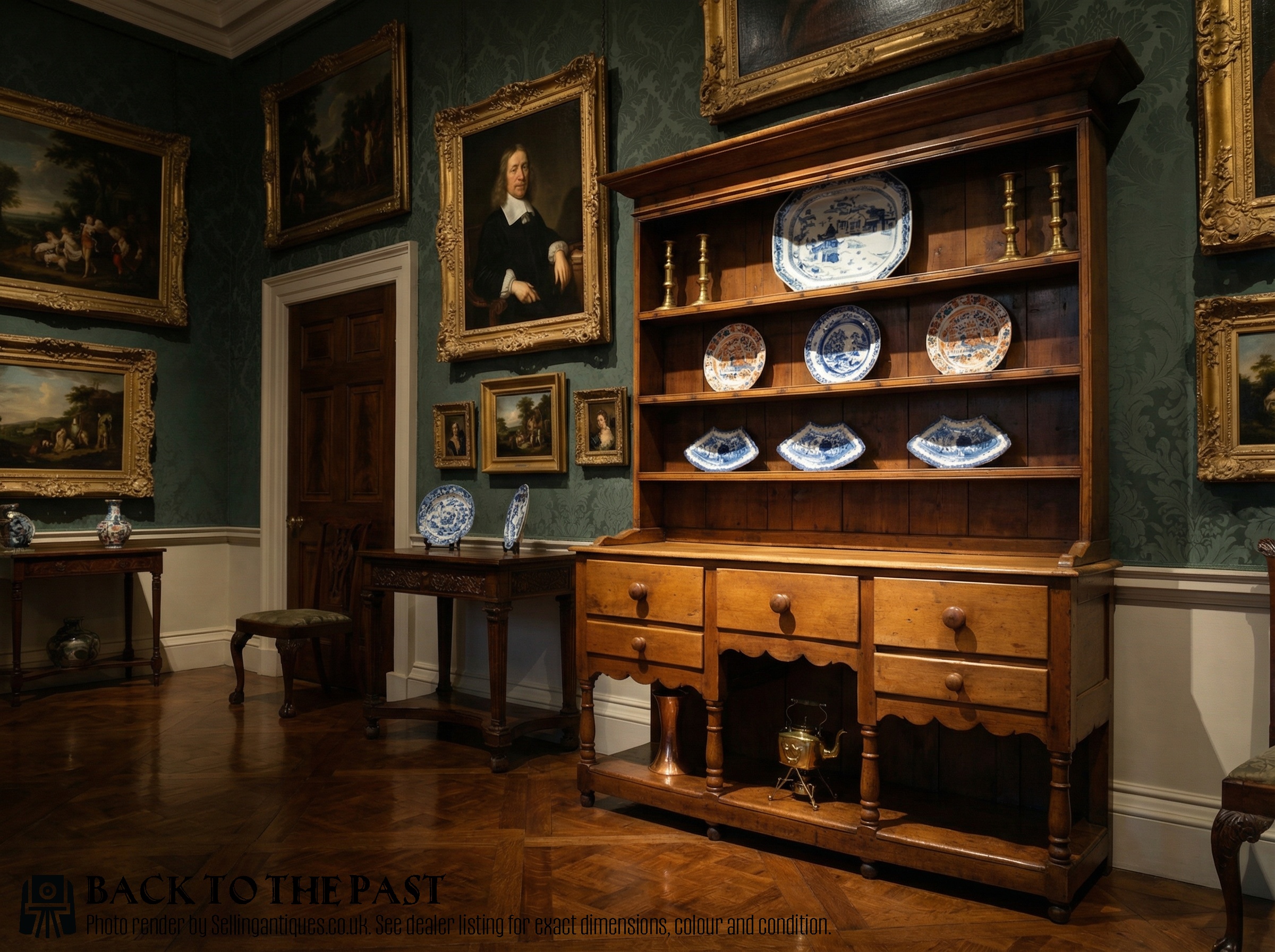
An open rack oak dresser is a heavy country staple with open shelving for display, built to hold domestic pottery.

What an open rack oak dresser is
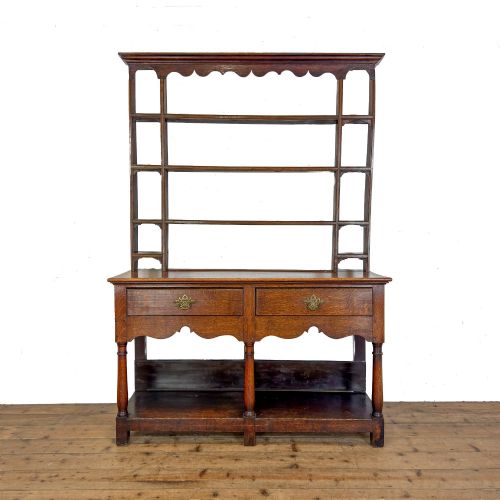
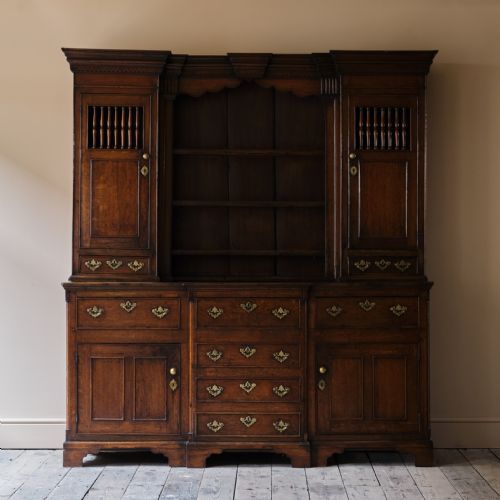
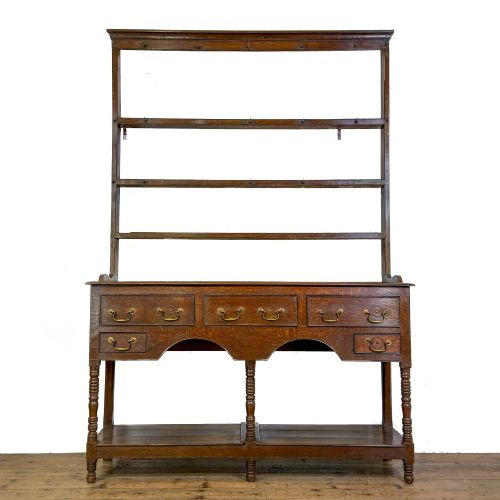
An open rack oak dresser combines a lower base fitted with drawers or cupboards and an upper open plate rack designed to show ceramics. Buyers seeking this phrase encounter pieces dating from the eighteenth century through to the early twentieth century, including Georgian and Victorian examples.
The regional styles vary from Welsh country foundations to broader rustic farmhouse and Georgian country iterations. These furniture items served as the heart of the home, storing and displaying kitchenware in everyday domestic spaces.
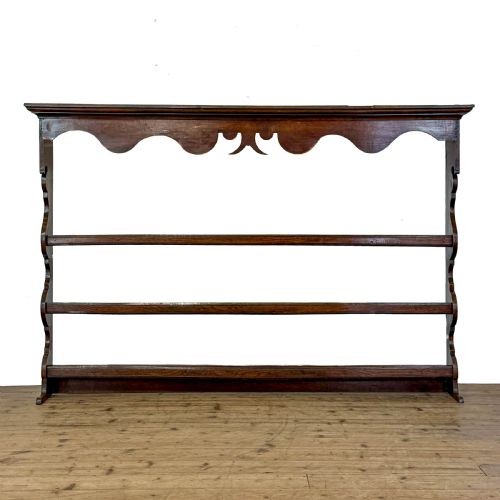
The listings and archive show both complete dresser bases with matching plate racks and individual racks from around eighteen hundred. Proportions range from small solid forms to larger pot board designs featuring lower shelves.
How they were made
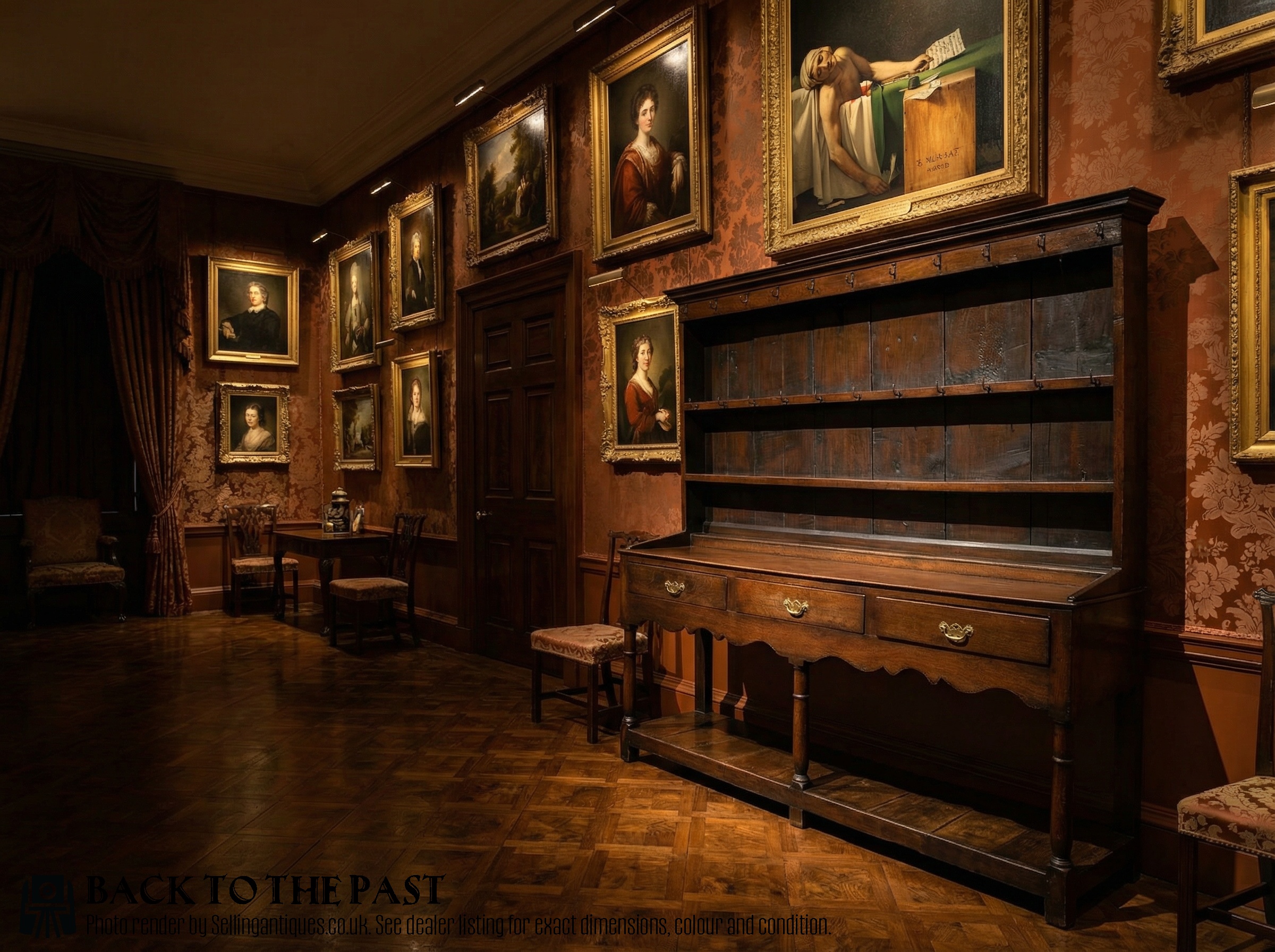
Joiners built these items primarily from solid oak, sometimes incorporating secondary woods such as mahogany or utilising brass for hardware elements and bone for detailing. Construction relies on traditional framing and planking methods suited to heavy domestic timber.
Surfaces display the natural grain of honey oak or darker patinated finishes developed through decades of domestic use. Open pot boards and plate racks feature fixed shelving integrated directly into the main frame.
Retail Price Guide 2026
Typical UK retail prices for open rack oak dresser, calculated from the Sellingantiques database of over a million retail prices indexed since 2003. This retail price guide relies exclusively on Sellingantiques data; no external sources or auction records are used, so the figures do not describe the wider market.
The site records oak as the primary material, alongside occasional brass and bone elements across nineteenth-century and Georgian periods.
What varies in quality
The distinction between standard examples and finer pieces rests on the depth of the timber's patina and the crispness of the regional joinery. Early Georgian and George II items often display more refined proportions and carefully selected timber grades.
Proportion and scale dictate the visual weight of the piece, with smaller solid formats and pot board bases holding particular interest. The integrity of the association between the base and the upper rack also influences the overall character.
The Open Rack Oak Dresser Glossary
- Pot board
- A low open shelf beneath the main base of a dresser, originally intended for storing heavy pots and pans off the damp floor.
- Plate rack
- The open shelving structure mounted to the top of a dresser, featuring wooden bars or plate grooves to hold dinnerware upright.
- Patina
- The deep surface sheen and colour developed on timber over centuries of handling, cleaning, and exposure to light.
- Georgian
- The design period spanning the reigns of the first four Georges, noted for proportion and regional country craftsmanship.
- Welsh dresser
- A traditional regional form of furniture featuring open upper shelves specifically designed for display in domestic kitchens.
Frequently Asked Questions
What is an open rack oak dresser?
An open rack oak dresser is a traditional kitchen or dining room storage unit featuring a solid timber base with drawers or cupboards, topped by open shelves for displaying plates.
These pieces evolved to serve as both functional storage and a display space for domestic pottery and pewter.
How were these dressers used historically?
Historically, households used them in the kitchen or scullery to store everyday dining ware and cooking utensils within easy reach.
The lower cupboards and drawers held linens and dry goods, while the open upper racks kept plates visible and accessible.
How do I date an oak dresser?
Dating relies on examining the construction methods, timber characteristics, and stylistic traits associated with periods like the Georgian era or the nineteenth century.
Tool marks, drawer linings, and the nature of the timber grain help distinguish eighteenth-century examples from later nineteenth-century or 1910 revival pieces.
Where should I place a dresser at home?
These large timber items suit dining rooms, large kitchens, or living spaces where their substantial scale and display capacity can be appreciated.
Ensure placement avoids direct heat sources and strong sunlight to protect the historic oak timber and its finish.