
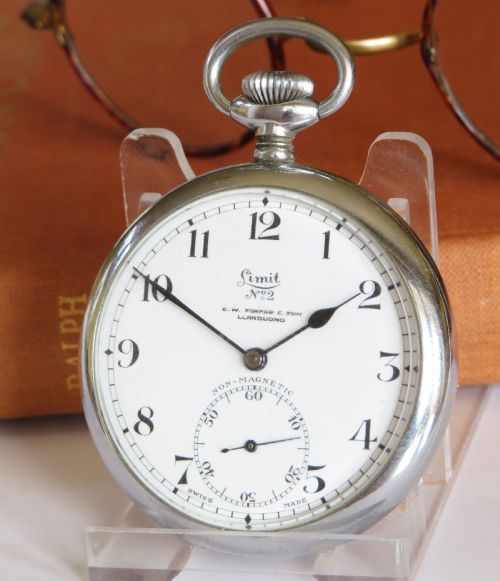
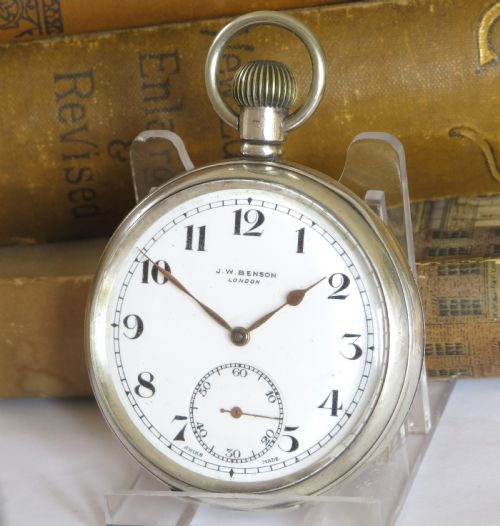
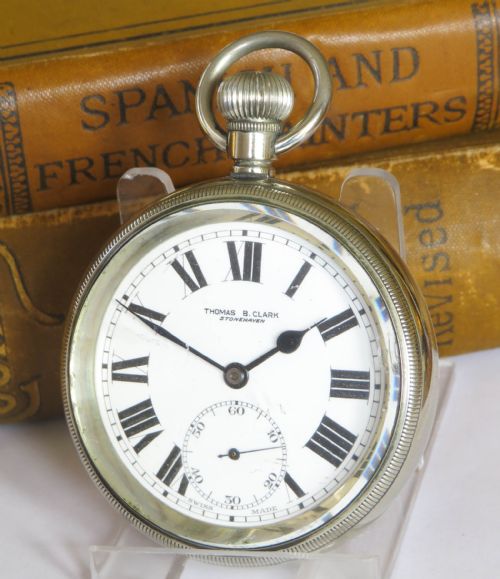
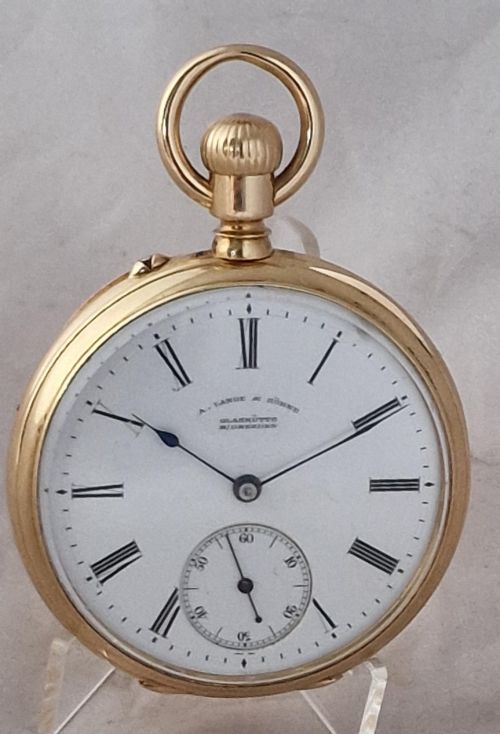
Open Face Pocketwatch
An open face pocketwatch is a reliable timepiece designed for quick reading without a hinged front cover, offering classic style and enduring mechanical utility.
What an open face pocketwatch is
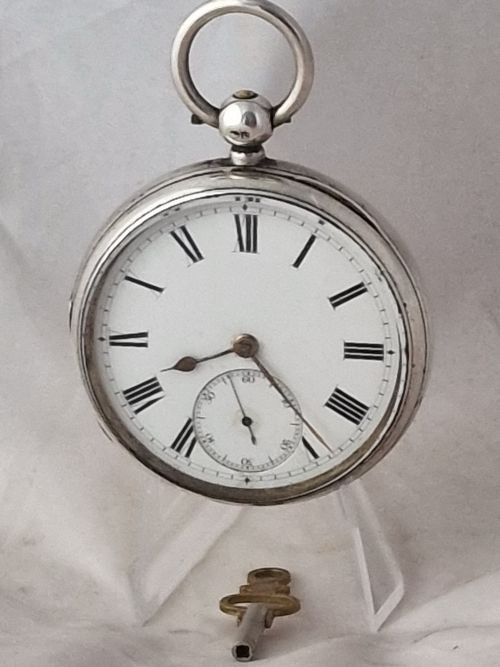
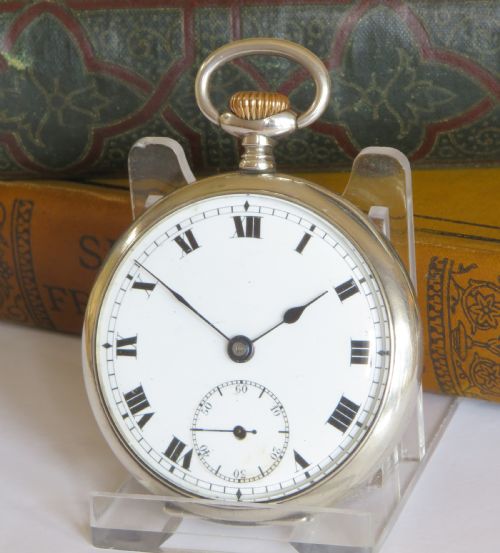
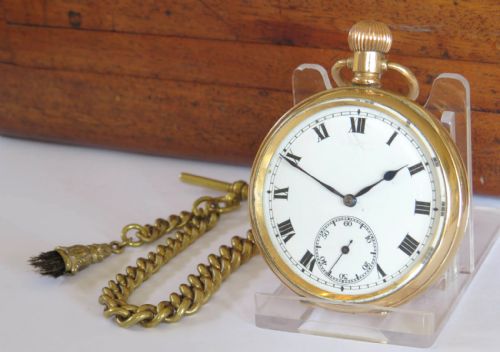
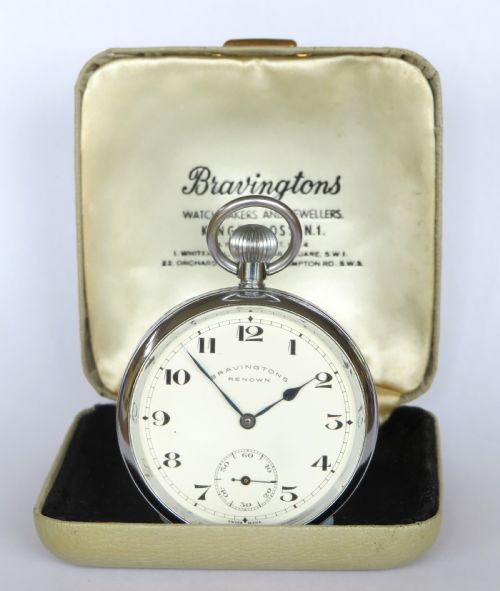
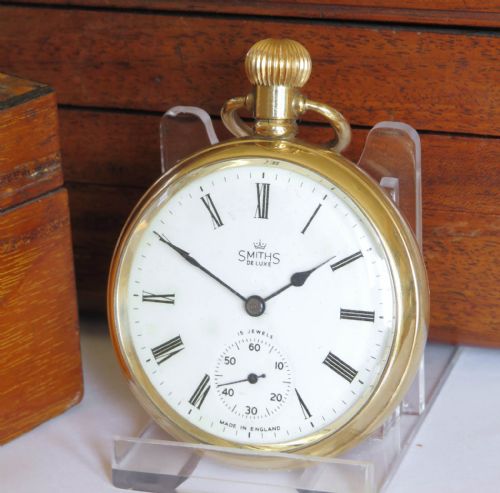
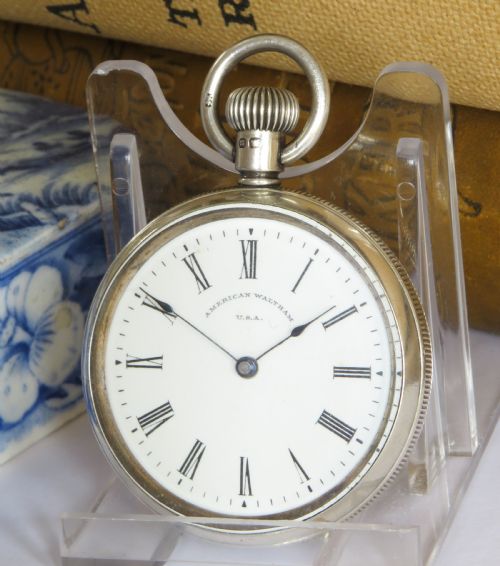
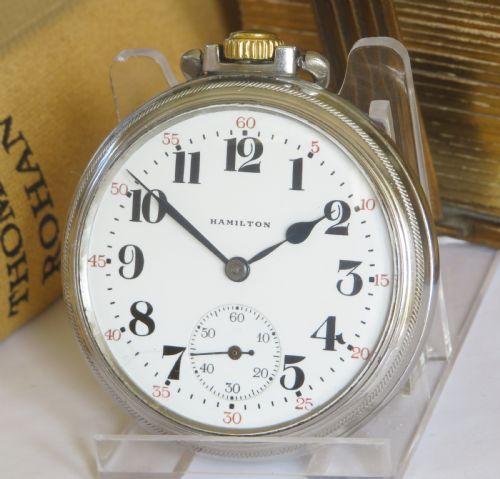
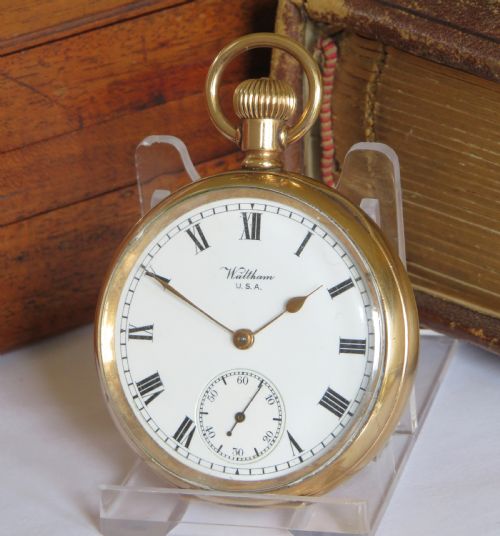
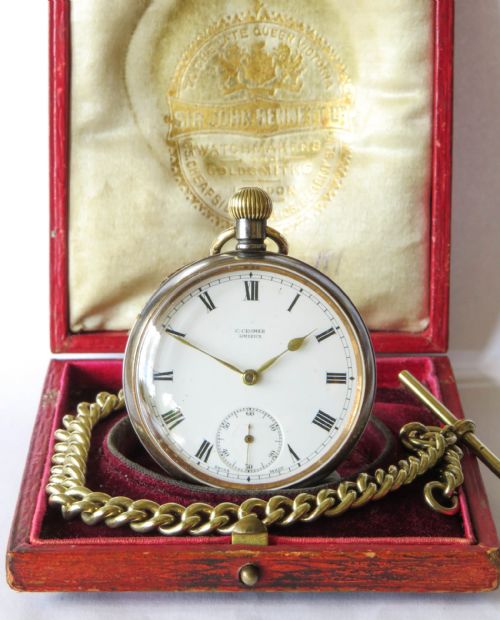
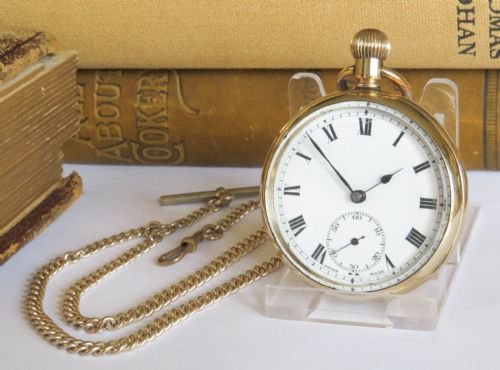
An open face pocketwatch lacks the protective front metal cover found on hunter cases, leaving the glass crystal and dial fully exposed for immediate viewing. This design gained immense popularity for daily convenience, allowing the owner to check the time at a glance.
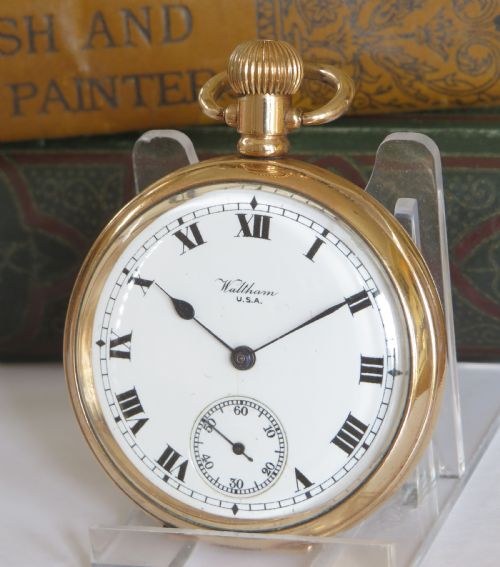
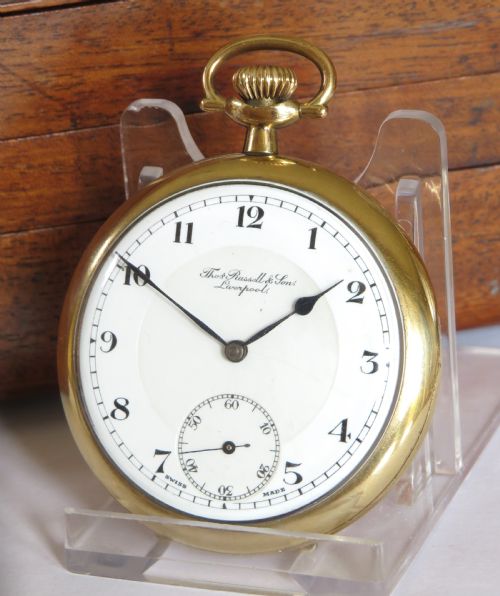
The pieces available span from the late Victorian era through the Edwardian period and into the Art Deco years of the 1920s. Common examples include lever escapement models and signed pieces from makers such as Waltham, Limit, Omega, and Alliance.
Forms range from sturdy everyday nickel and chrome cases to refined silver and gold pocket watches. Many retain their original white enamel dials with bold Arabic or Roman numerals.
How they were made
Cases utilise metals including silver, gold, gunmetal, steel, and chrome, paired with clear glass crystals protecting the delicate dial beneath. Enamel is fired onto copper or brass dials to create a smooth, crisp surface for the painted numeral tracks and subsidiary seconds dials.
Internal movements rely on precision steel and brass gear trains driven by mainsprings, housed securely within dust-resistant inner and outer case backs. Pocket watches from this timeline integrate lever mechanisms to regulate the release of power from the mainspring.
Listings feature pocket watches spanning from 1890 through the 1920s, incorporating silver, gold, gunmetal, steel, chrome, and enamel.
What varies in quality
The grade of an open face pocketwatch often rests in the sophistication and adjustment of its internal movement rather than just the preciousness of the outer case. Finer examples feature jewelled bearings and signed movements by established makers that ensure superior timekeeping stability.
Case materials also dictate the tier, moving from utilitarian gunmetal and chrome up to solid silver and gold housings. The condition of the fragile enamel dial, free from hairline fractures, preserves the visual integrity of the piece.
Waltham·Limit·Omega·Alliance
The Open Face Pocketwatch Glossary
- Open face
- A pocket watch design without a protective metal cover over the crystal, exposing the dial directly. This style allows the wearer to read the time instantly without opening a case.
- Enamel dial
- A fused glass powder surface applied to a metal dial plate and kiln-fired to create a durable, glossy finish. It provides a bright background for painted numerals.
- Lever escapement
- A mechanical linkage that transmits power from the gear train to the balance wheel, delivering regulated impulses to keep accurate time. It replaced older cylinder escapements in quality watches.
- Gunmetal
- A copper alloy treated to achieve a dark, subdued metallic finish popular for utilitarian and sporting pocket watches. It offers robust protection against corrosion.
Frequently Asked Questions
How do I tell an Edwardian pocket watch apart from a Victorian one?
Victorian models often feature heavier ornamentation and traditional case engraving alongside robust silver or gold housings. Edwardian and later pieces tend towards cleaner dial layouts as manufacturing shifted toward standardised production.
Examining the style of the numerals and the specific typography on the enamel dial helps anchor the watch to a particular decade between 1890 and 1920.
What materials were used for open face pocket watches?
Watchmakers utilised a wide spectrum of materials depending on the intended use and cost of the timepiece. Everyday pieces appeared in gunmetal, steel, and chrome, while finer editions used solid silver or gold.
Glass crystals protected the white enamel dials, which featured painted numerals and delicate metallic hands.
How were these pocket watches used daily?
Owners carried an open face pocketwatch in a waistcoat or jacket pocket, secured by a chain attached to a buttonhole or belt loop. The absence of a front cover meant the time could be checked instantly with a single pull.
They served as essential daily tools for professionals, travellers, and laborers before wristwatches became dominant.
What does an enamel dial indicate?
An enamel dial shows that the watch face was created by fusing powdered glass to a metal base under high heat. This technique produced a brilliant white surface that resisted fading over decades of use.
Fine hairline cracks sometimes develop in the enamel due to thermal expansion or impact, which is common in antique examples.