






Onyx Base Figure
These onyx base figure selections combine sculptural metalwork with mineral plinths, offering collectors solid decorative presence.
Onyx Base Figure
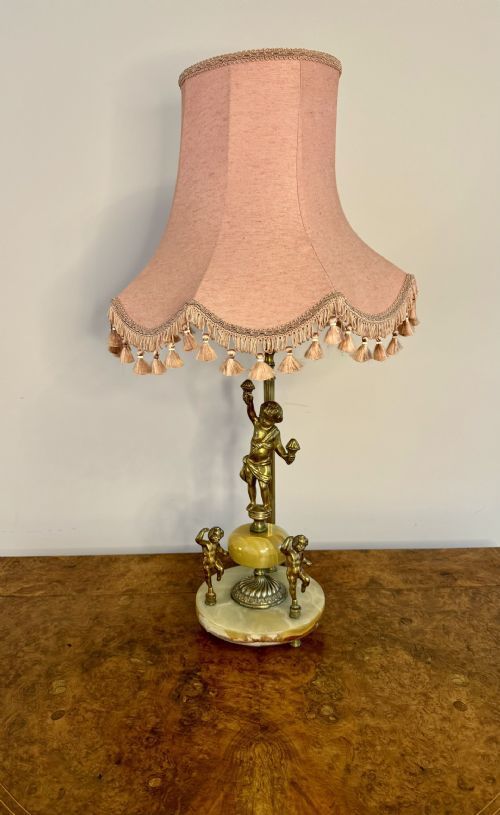
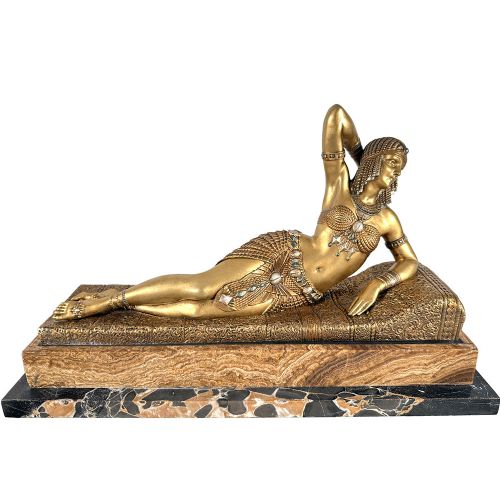
An onyx base figure combines a sculptural metal casting with a substantial polished stone plinth. When you search for an onyx base figure, you encounter works ranging from nineteenth-century candelabra and lamps to twentieth-century animal and human studies. The twentieth-century items form the largest group, dominated by Art Deco dancers and animal figures.
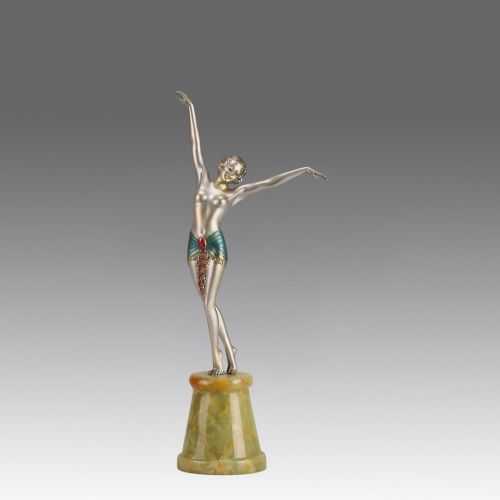
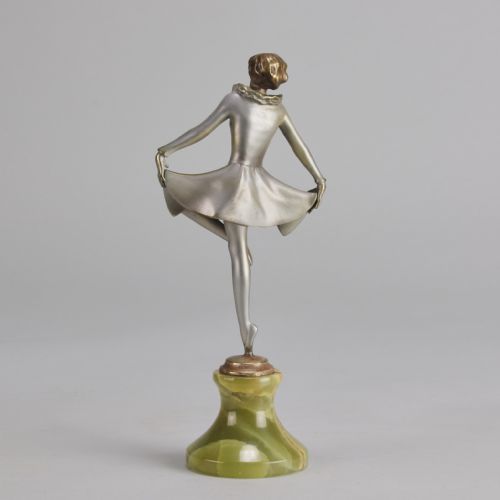
The sculptural elements take many forms, including cold-painted bronze dancers, gilded bronze figurines, and spelter figures mounted directly onto stone. These pieces transition from functional objects like table lighters and lamps to purely decorative sculptures. The stones themselves vary from standard onyx and green onyx to black marble and alabastro egiziano.
Origins stretch across European workshops, with particular strength in French and Austrian studios from the late nineteenth century through the interwar period. The combination of metal sculpture and heavy stone provided stability while enhancing the visual contrast of the materials. Each piece relies on the weight of the base to ground the dynamic posture of the figure above.
Materials and Technique
Makers utilised casting techniques for the upper figures, pouring bronze, silvered bronze, or spelter into moulds before finishing the surfaces by hand. Cold-painting and gilding added colour and detail to dancers, animals, and mythological subjects. Spelter served as a common, cost-effective alternative to solid bronze during the Art Deco period.
The plinths were cut, shaped, and polished from natural stone blocks, primarily onyx, green onyx, and marble. Metal figures were then mechanically secured to these stone bases using threaded rods or pins concealed beneath the assembly. This dual-material construction required precise fitting to ensure the metal sculpture met the stone surface without wobbling.
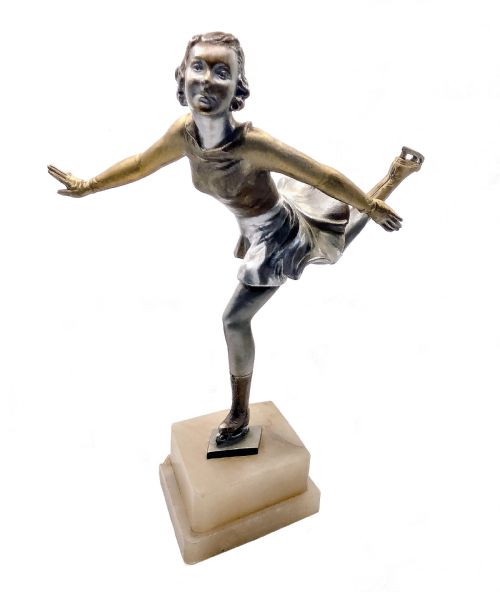
Several dancers appear mid-leap, perpetually frozen in a high kick while anchored to solid stone.
Factors of Quality
The quality of the stone base and its integration with the sculpture also distinguish better pieces. Dense, highly figured green onyx or unblemished black marble with secure, flush mountings represents higher manufacture standards than flawed stone or loose, ill-fitting attachments.
Josef Lorenzl·Demetre Chiparus·Paul Philippe·Pierre Le Faguays·Bruno Zach·Claire Colinet·Geo Maxim·Ignacio Gallo·Marion Willis Stanfield·P. Sega
The Onyx Base Figure Glossary
- Spelter
- A zinc alloy used as a substitute for bronze in decorative figures. It accepts patination and cold-painting well, though it is softer than bronze.
- Cold-painted
- A method where paint is applied to a metal sculpture without firing. This technique was widely used on Austrian bronze figures to add realistic detail.
- Chryselephantine
- A term for statues made of a combination of metal and ivory. These works frequently date from the Art Deco period.
- Tazza
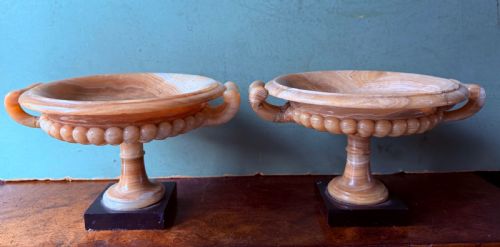
- A shallow saucer-like ornamental cup or vase mounted on a stem and foot. Grand Tour examples often utilise carved stone and marble.
- Garniture
- A set of matching ornamental objects for a mantelpiece, typically comprising a clock flanked by candelabra or vases.
Onyx Base Figure: Frequently Asked Questions
What is an onyx base figure?
An onyx base figure is a decorative sculpture where a cast metal subject is mounted to a polished stone plinth. These works range from small animal studies to larger human figures.
The stone base provides functional weight and visual contrast. Most examples date from the late nineteenth century and the Art Deco period.
How do I clean an onyx base?
Onyx requires gentle care to preserve its polished surface. Use a soft, dry cloth to remove dust from the stone.
Avoid chemical cleaners and excess moisture, which can penetrate the stone or damage the metal figure mounted above it.
Are these figures solid bronze?
The metal components vary by piece and budget. Many figures are cast in bronze or silvered bronze, while others utilise spelter.
Spelter is a softer zinc alloy that was common during the 1930s. Both materials are typically mounted onto natural onyx or marble bases.
How can I tell Art Deco pieces apart?
Art Deco pieces display distinct stylistic traits such as stylised geometric forms and dynamic poses. Dancers, athletes, and sleek animals dominate this era.
Earlier nineteenth-century pieces tend to feature classical motifs, Grand Tour souvenirs, or ornate French garniture designs.