

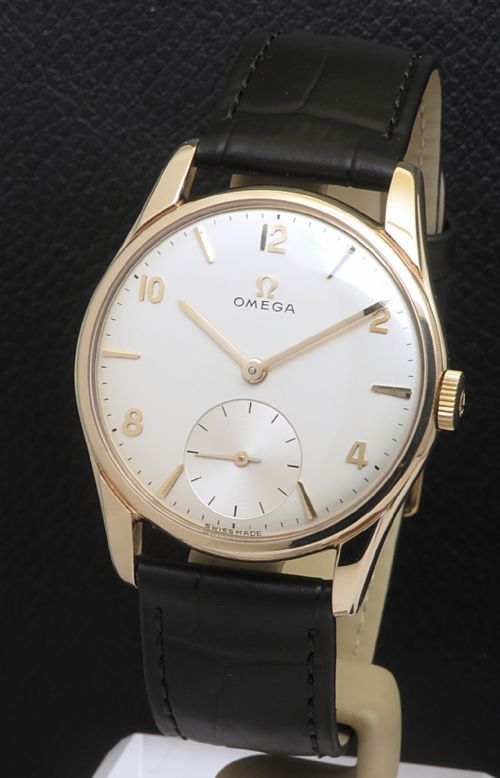

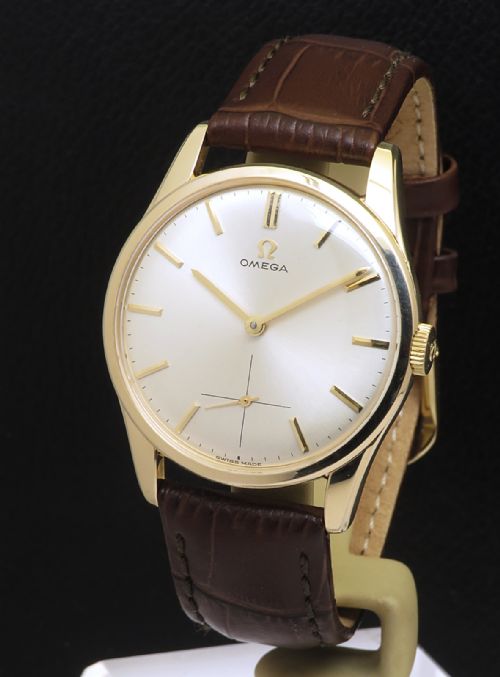


Omega Manual Wind Timepiece
An omega manual wind timepiece offers mechanical precision from decades past, combining enduring craftsmanship with classic dial layouts.
Omega Manual Wind Timepiece
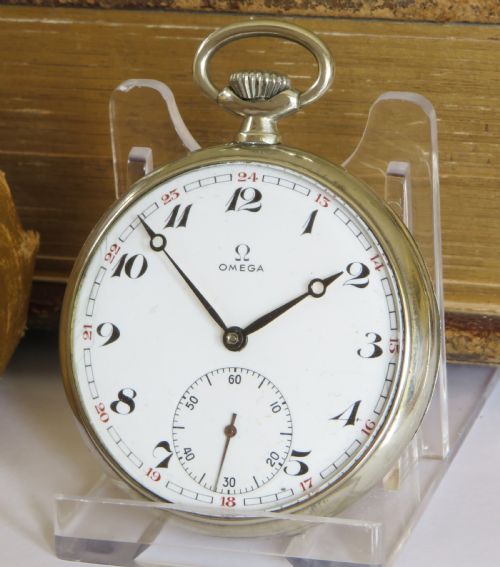
An omega manual wind timepiece is a mechanical watch powered by hand-winding rather than an automatic rotor or battery. When searching this phrase, buyers examine mechanical wristwatches and pocket watches spanning several decades.
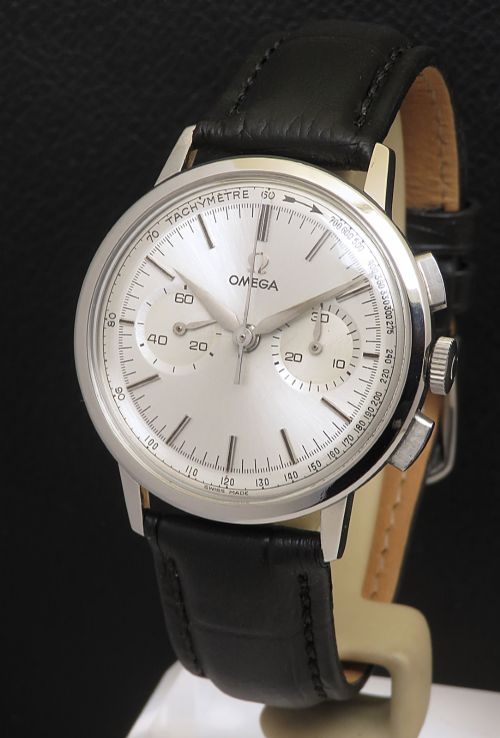
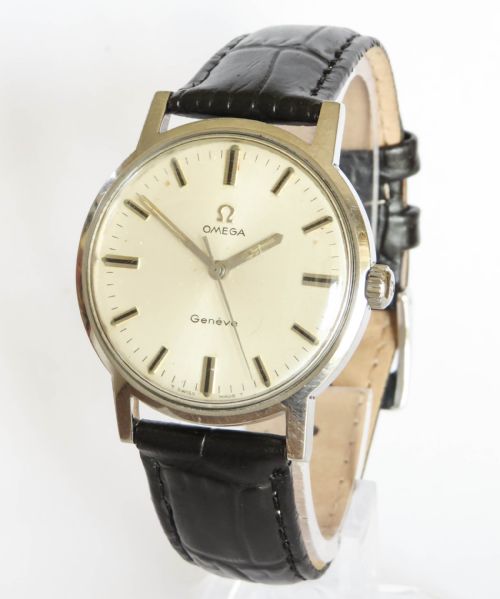
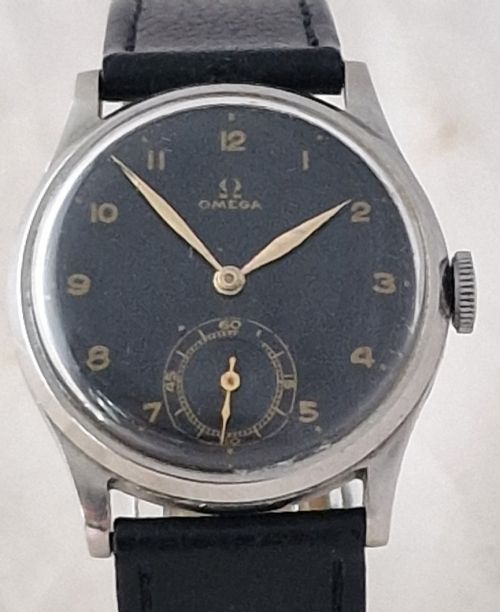
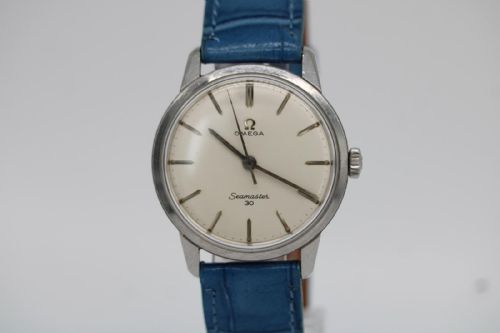
The most common examples on this page date from the 1940s, 1950s, and 1960s, reflecting the brand's mid-century output. These range from everyday dress models to robust military-style designs and chronographs.
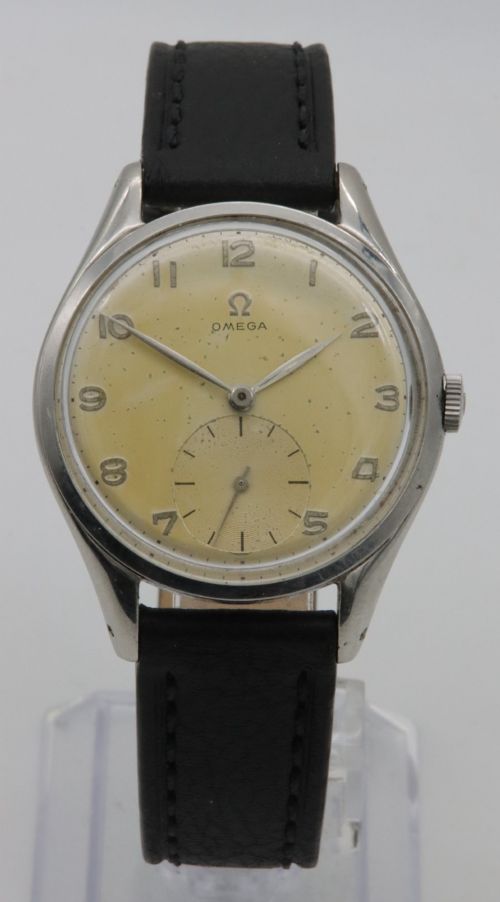
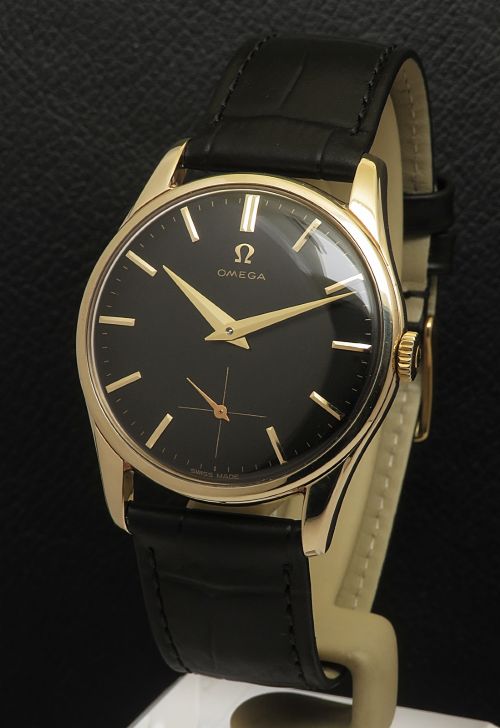
Cases appear in stainless steel, gold plate, and solid 9ct gold, often paired with leather straps. Dials display various configurations, including black faces, explorer layouts, and gold sunburst finishes.
Materials and construction
These watches utilise durable metals for their cases, predominantly stainless steel and solid 9ct gold alongside gold plate. Crystals are formed from glass or acrylic glass to protect the delicate dial and hands beneath.
Internal mechanics rely on specific hand-wound movements, such as the calibre 266, 267, 268, 269, 320, and 601. Dials feature applied markers, painted numerals, and enamel details executed by skilled watchmakers.
Listings span periods from the Edwardian era through the 1940s, 1950s, 1960s, and 1970s.
Distinctions in quality
Quality differences rest primarily in the materials of the case and the preservation of the dial. Solid 9ct gold models represent a higher tier than gold-plated or stainless steel alternatives, though condition remains paramount.
The originality of components dictates the standing of an individual piece among collectors. Examples retaining their original dials, signed crowns, and correct manual wind calibres command greater attention than those with replaced parts.
Omega
The Omega Manual Wind Timepiece Glossary
- Manual wind
- A mechanical watch movement that requires the wearer to manually turn the crown to tension the mainspring. This traditional mechanism eliminates the need for batteries or self-winding rotors.
- Calibre
- The specific manufacturer's designation for a particular watch movement design. Each calibre number identifies the internal architecture and technical specifications of the mechanism.
- Jumbo case
- A collector term for a wristwatch case featuring a noticeably larger diameter than standard for its era. These pieces offer a more modern presence on the wrist while retaining vintage charm.
- Explorer dial
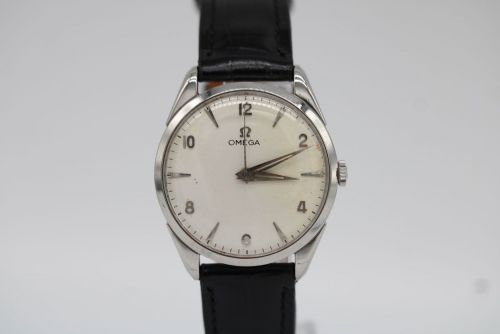
- A distinctive dial layout characterised by prominent Arabic numerals at specific cardinal points combined with baton markers. This configuration prioritises immediate legibility in varying conditions.
- Chronograph
- A watch equipped with a secondary stopwatch function operated via independent pushers on the case. This complication allows the measurement of elapsed time alongside standard timekeeping.
Omega Manual Wind Timepiece: Frequently Asked Questions
How do I wind a manual watch?
Turn the crown clockwise between your thumb and forefinger until you feel gentle resistance. Stop immediately once tension increases to avoid damaging the internal mainspring.
Wind the watch at roughly the same time each day to maintain consistent tension and accurate timekeeping throughout its reserve.
How often need they be serviced?
Mechanical watches require professional servicing every few years to replenish internal oils and inspect wear on gear teeth. A clean movement prevents friction from damaging delicate pivots over time.
Regular maintenance ensures the manual wind mechanism operates smoothly and preserves the longevity of vintage components.
Can I swim with these watches?
Vintage timepieces lack modern waterproof seals and gasket systems found in contemporary dive watches. Moisture easily penetrates through the crown, crystal, and case back, rusting steel components.
Keep these watches away from water, heavy rain, and high humidity to protect the delicate dial and movement.
How do I date these watches?
Dating relies on internal movement serial numbers cross-referenced against production ledgers, alongside case style and dial typography. Specific design cues such as handset shapes and logo styles also point to particular eras.
Reference numbers stamped inside the case back provide further confirmation of the exact production period.